
- Is it possible to grow tomatoes on a balcony?
- Which variety is suitable?
- Balcony sugar
- Tiny Tim
- Balcony Star
- Balcony duet
- Yellow Pearl
- Balcony bonsai
- Butterfly
- Pinocchio
- Angelica
- Ballerina
- Necessary conditions for growing
- Lighting
- Humidity and temperature
- Soil composition
- How to properly grow tomatoes on a balcony?
- Seed preparation
- Growing seedlings
- Sowing seeds
- Caring for seedlings
- Feeding seedlings
- Transplanting seedlings to a permanent location
- Step-by-step instructions for caring for balcony tomatoes
- Watering and fertilizing
- Loosening and pinching out side shoots
- Pollination
- Diseases and pests of tomatoes
- Possible problems
- Peculiarities of growing on an unglazed balcony
- Reviews from housewives
Some tomato varieties can be grown not only in garden beds and greenhouses, but also indoors. When planted on a balcony, tomatoes require special care but produce a reliable harvest. Certain tomato varieties are suitable for growing on a balcony, differing in fruit shape, size, and care requirements.
Is it possible to grow tomatoes on a balcony?
Which variety is suitable?
At home, it's recommended to grow self-pollinating tomato varieties, which will simplify care and improve plant growth. When choosing the right vegetable variety, it's a good idea to familiarize yourself with the descriptions and characteristics of different varieties.
Balcony sugar
The early-ripening "Balkonny Sakharny" variety bears fruit 85-90 days after sowing. The low-growing bushes, up to 40 cm tall, require no pruning or tying to supports. The fruit has a sweet flavor and juicy flesh. Ripe vegetables are suitable for fresh eating, processing, canning, and storage.
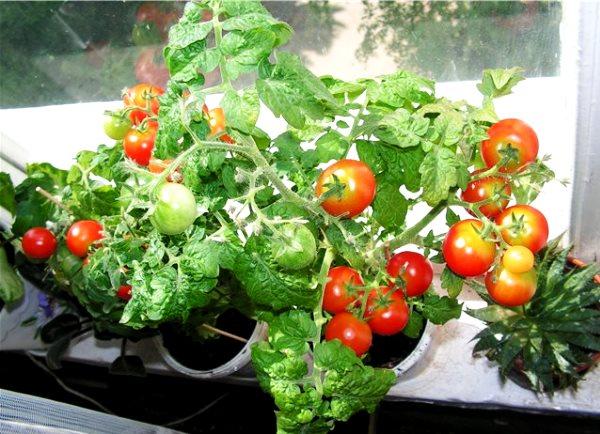
Tiny Tim
The Tiny Tim tomato variety is a dwarf variety. The bushes grow to a height of 25-35 cm. Despite their compact size, the bushes are prolific, producing small, round fruits. The flesh of Tiny Tim tomatoes is dense, sweet, and crisp.
Balcony Star
The Balkon Star variety is considered a pot variety and is suitable for planting on a south-facing balcony. These tomatoes are prized for their excellent flavor and distinct aroma. The bushes are low-growing and not spreading, eliminating the need for pinching.
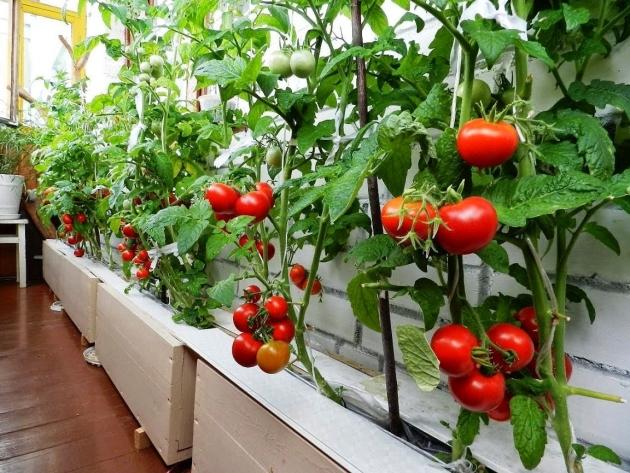
Balcony duet
The Balcony Duet tomato is distinguished by its rapid ripening time. The first specimens begin to ripen 76 days after planting. The bushes are unbranched and compact, reaching a height of 35 cm.
Yellow Pearl
The early-ripening hybrid Yellow Pearl produces small fruits weighing 20-50 g 90 days after planting. The bushes are low-growing and reach a height of 45-55 cm. This variety is resistant to common diseases and requires no special care.
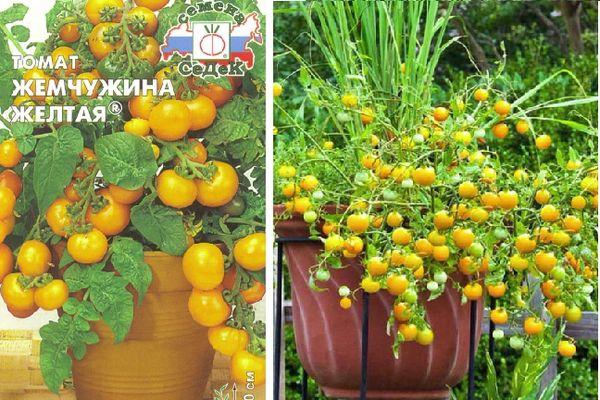
Balcony bonsai
Balcony bonsai trees are highly productive, yielding up to 2 kg of fruit per bush. They do not require support or pruning. The first fruits ripen 90 days after sowing the seeds for seedlings. The tomatoes are round in shape and weigh no more than 65 g.
Butterfly
Butterfly tomato plants grow tall, reaching a height of 1.5 meters. Up to 50 tomatoes ripen on a single branch. Each plant yields approximately 5 kg of fruit. The ripening period is 110 to 120 days.
Take a look Also
Pinocchio
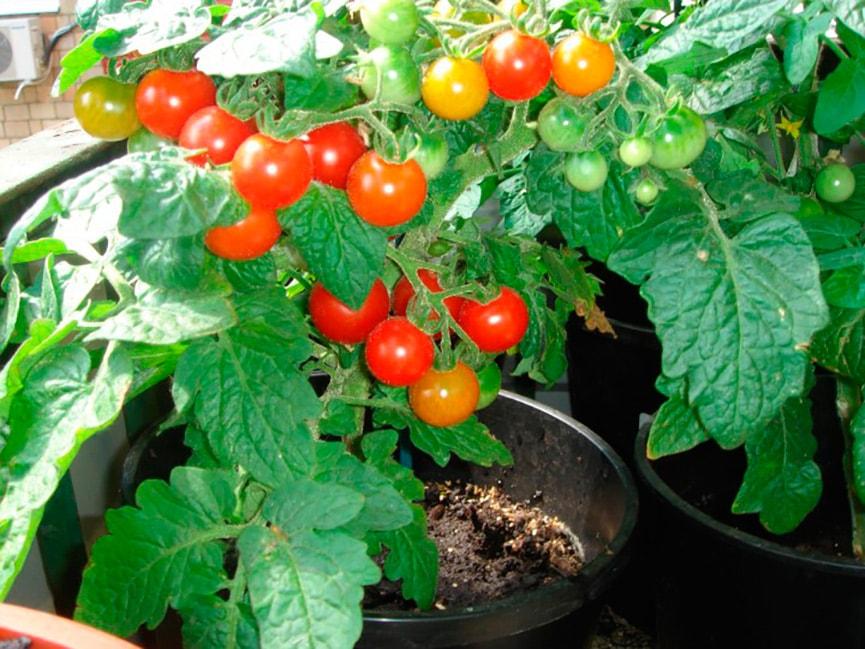
Pinocchio tomatoes They are classified as dwarf plants, reaching a height of 35 cm. The compact bushes are decorative and produce small fruits weighing 15-20 g. The flesh is juicy and sweet, and the skin is firm. The fruits are suitable for salads and canning.
Angelica
When planted on a balcony, the Angelica variety produces round fruits weighing 50-70 g. Ripening time is approximately 85 days. The flesh is juicy and meaty, covered with a dense skin. The harvest is well-storable and can be transported over long distances without losing its marketable appearance.
Ballerina
The Ballerinka hybrid produces fruit 100-105 days after planting. Determinate bushes grow up to 60 cm and are highly resistant to pests and infections. The fruits are deep red, oblong, and weigh 60 to 100 g.
Necessary conditions for growing
To achieve a large harvest when growing tomatoes on a balcony, you need to create favorable conditions. Plants require good lighting, a stable ambient temperature, and fertile soil.
Lighting
Tomatoes are sun-loving plants and adapt to UV rays. A south-facing window is sufficient for indoor growing.
In other cases, it is necessary to create additional lighting.
Humidity and temperature
Moisten the soil as it dries, but avoid overwatering. The ideal temperature for tomato ripening is 25-30 degrees Celsius.
Soil composition
The same soil is suitable for balcony plantings as for seedlings. You can use soil from your garden and amend it with sand, peat, and wood ash. Using soil that is too clayey is not recommended.
How to properly grow tomatoes on a balcony?
If you want to grow tomatoes on your loggia or balcony, we recommend following these step-by-step instructions. This complete list of tomato planting steps is useful not only for beginners but also for experienced gardeners.
Seed preparation
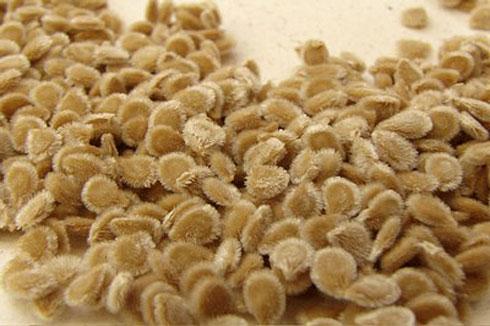
Before planting the seeds in a seedling container, they need to be treated. First, manually select the planting material and remove any damaged or rotten seeds. The selected seeds are treated with a potassium permanganate solution and wrapped in a damp cloth. The bundle is wrapped in plastic wrap and placed in a warm place until the seedlings are ready to be sown. Periodically check to ensure the cloth remains moist.
Growing seedlings
Before planting tomatoes in their permanent location, they are grown using seedlings. To properly sow seeds for seedlings, it's important to consider several aspects of sowing and subsequent care.
Sowing seeds
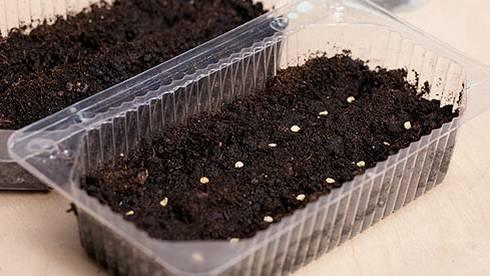
Tomato seeds are sown indoors in early spring. To do this, pour the soil mixture into small plastic cups or other similar containers with several holes poked in the bottom. Water the soil beforehand. Place two prepared seeds in each container. Plant at a depth of 1-1.5 cm. After sowing, water the soil again with warm water. Cover the containers with plastic wrap or glass and store in a warm place. White roots will sprout within a few days of sowing.
Caring for seedlings
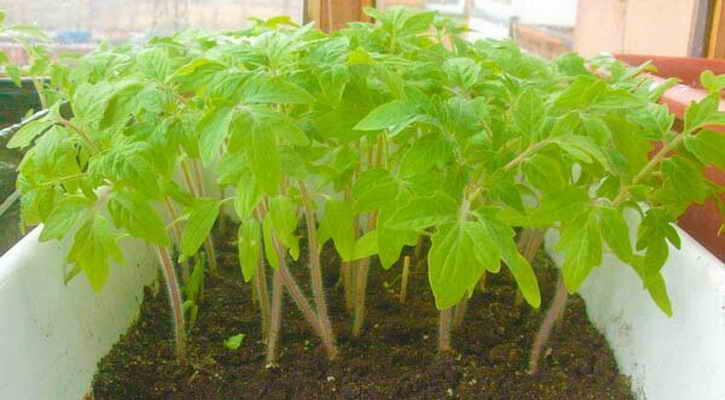
After the first shoots emerge, the stronger plants are left, while the remaining ones are pinched. To ensure the seedlings take root well, it is recommended to protect them from direct sunlight for the first week, after which the containers with the plants can be left on the balcony. If the room is not sufficiently insulated, it is recommended to bring the seedlings indoors during severe frosts.
Once the plants have grown tall, stakes should be driven into the ground to secure the immature stems. The trunk can be tied with any rope. Water the seedlings as the soil dries out.
Feeding seedlings
Before transplanting seedlings, it's necessary to apply fertilizer to the soil several times to ensure proper and vigorous growth. A phosphorus-potassium fertilizer is recommended. The first application is two weeks after the seedlings emerge, and the next application is 10 days later. The final application is required one week before planting in their permanent location. Fertilizer dosages vary depending on the fertilizer type, so please read the instructions carefully before applying.
Take a look Also

Transplanting seedlings to a permanent location
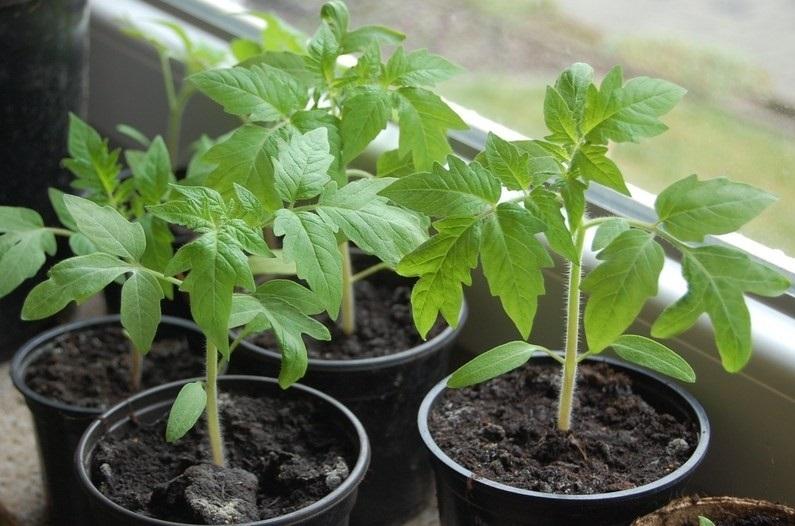
Tomatoes grown in plastic bottles or cups need to be transplanted to a permanent location once they reach a certain stage of development. This is necessary for root formation, further growth of the bushes, and ripening of the fruit. In most cases, transplanting is done after 1.5 months of growth, when the first flower clusters begin to appear. Delaying the transplant can result in a reduced yield.
Before you start planting, you need to select the appropriate pot sizes.
Each plant requires at least 1 liter of soil. Once the containers are prepared, carefully remove the plants and place them in new pots, adding the required amount of soil. It's recommended to leave the transplanted tomatoes on a windowsill, provided it's adequately insulated. Good tomato seedlings should have strong stems, developed roots, and large leaves before being planted in their permanent location.
Step-by-step instructions for caring for balcony tomatoes
Once tomatoes have been transplanted to their permanent location, they require ongoing care to ensure a good harvest. Regardless of the variety grown, standard care guidelines apply, including periodic soil moistening, fertilization, tillage, and pest and disease control.
Watering and fertilizing
It's recommended to water tomatoes whenever the soil dries out, but no more than twice a week. Plants require generous watering and complete wetting of the soil. It's best to moisten the soil in the morning when the plants are exposed to sunlight. If tomatoes are grown in containers, water the soil around the plants, not at the roots.
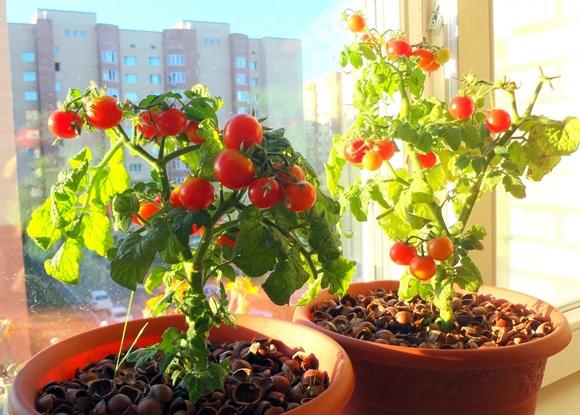
To accelerate root development and promote intensive fruiting, plants are fertilized with mineral fertilizers. Fertilizers are applied before planting in their permanent location, during flowering, and a couple of days before fruit ripening. Phosphorus-potassium fertilizers, as well as mullein and wood ash, have a beneficial effect on tomato growth. Foliar feeding by treating the green parts of the plants with a nutrient solution is also acceptable. Spraying promotes more vigorous growth and minimizes the risk of flower drop.
Loosening and pinching out side shoots
After each watering, wait until the soil dries slightly and gently loosen it to avoid damaging the roots. This slows down the evaporation of moisture from the soil and allows air to reach the root system. Along with loosening the soil, hill up the tomato plants to encourage new root shoots. If the soil settles, add an additional layer of nutrient solution or fresh peat moss.
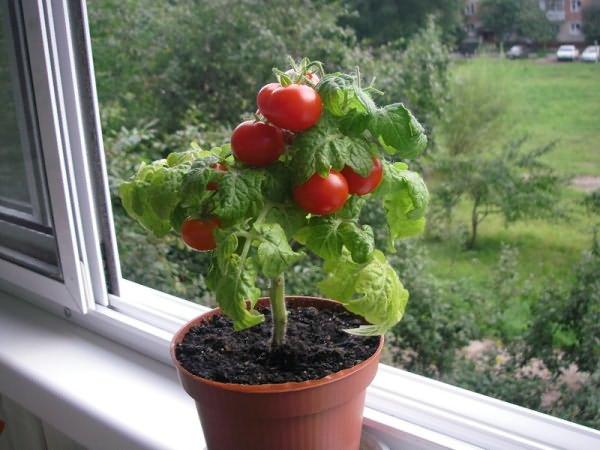
To ensure a large harvest, it's important to monitor for side shoots, which absorb some of the plant's nutrients. Side shoots that grow on tall tomato plants are periodically removed, and the plants are trained into one or more stems.
Pollination
To produce fruit, plants require pollination. When grown outdoors, this is accomplished by the wind, but indoors, the bushes must be pollinated manually. Artificial pollination can be accomplished in the following ways:
- Using a brush or a small brush, carefully remove pollen from one inflorescence and transfer it to the pistils of other flowers.
- Place a fan on the balcony to simulate wind currents.
- Hang tomatoes on trellises and shake them over other plants to release pollen.
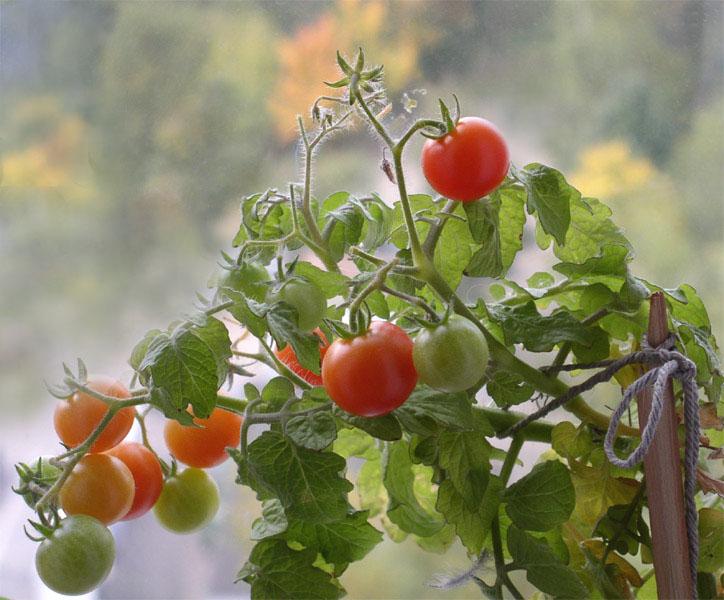
To simplify the process, it's recommended to grow self-pollinating tomato varieties that don't require additional treatment. Such varieties include Ballerina, Asteroid, Zagadka, and others.
Diseases and pests of tomatoes
Unfavorable external influences or improper care can lead to plant diseases and pests. The most common of these include:
- Blackleg. This disease affects seedlings, causing the roots to gradually thin and rot. The disease is transmitted by plant debris, soil clods, and poor-quality seeds. Control of blackleg requires moderate watering and the use of Trichodermin.
- Root rot. Affected plants wilt, and the root collar completely rots. Control measures include replacing the affected topsoil and disinfecting the soil with a copper sulfate solution.
- Phoma. This disease develops only in conditions of high humidity and excess nitrogen in the soil. The infection manifests itself as a brown spot on the stem. Affected fruits must be destroyed. To combat the effects of the disease, spraying with fungicides is required.
- Spider mites. These pests live on the undersides of leaves and absorb cell sap. To eliminate them, treat the plant with an infusion of onion or garlic peels. Preventative spraying with insecticides is also acceptable.
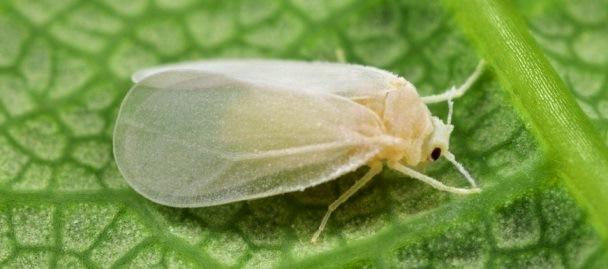
- Whitefly. These tiny insects attach themselves to leaves and suck out nutrients, causing the plant to become covered in a dark coating. To repel the pest, spray with Confidor or Mospilan.
Possible problems
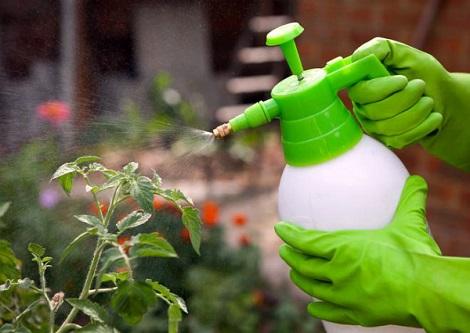
Growing balcony tomato varieties Many plants experience various problems. When plants are growing properly, the upper leaves curl slightly during the day and straighten out in the evening. If the leaves don't curl, this can lead to a reduced yield. Causes include over- or under-watering of the soil, unsuitable room temperatures, and insufficient natural light.
Another common problem is stunted bush growth. In this case, additional fertilization with superphosphate is recommended. The dosage is calculated at a ratio of 3 tablespoons per 10 liters of liquid. Each bush requires approximately 1 liter of superphosphate solution.
Peculiarities of growing on an unglazed balcony
To grow tomatoes on an unglazed balcony, plant them in mid-spring to ensure a harvest before the cold weather sets in. Immature plants should be covered with plastic film to prevent damage from low nighttime temperatures.
Reviews from housewives
Lidiya Voronova: "Last spring, I planted tomatoes on the balcony for the first time. I didn't expect to get a large harvest right away. The tomatoes grew large and had a sweet taste."
Nadezhda Khmelko: "I constantly grow tomatoes at home, since I don't have a dacha. I usually plant several varieties so they pollinate each other. The yield is stable, and the tomatoes store for a very long time."
Related posts:
 How to grow cucumbers in plastic bottles on a balcony, planting times
 Description of the best varieties of black tomatoes for open ground and greenhouses
 What is the best way to feed tomato seedlings to make them plump?
 The best eggplant varieties for growing in a polycarbonate greenhouse: planting and care
 How to grow cherry tomatoes on a balcony: suitable varieties and planting and care guidelines
 How to propagate and grow peas, cultivation technology, and care in open ground
 How to plant grapes step by step, with a description of the process and care
 What fertilizers and when to use for feeding tomatoes in a greenhouse