
- Description of the Balcony Miracle tomato
- Characteristics of tomatoes
- Advantages and disadvantages
- Peculiarities of growing tomatoes
- In open ground
- Soil for planting
- Planting seeds
- How to grow on a balcony at home?
- Sowing seeds
- Soil for tomatoes
- Air temperature
- Planting seedlings
- Problems in growing
- Features of plant care
- Watering and fertilizing
- Pollination
- Loosening and tying
- Diseases and pests
- Harvesting and storage
- Feedback from those who planted
Vegetables, a daily part of the human diet, ripen only in the summer in the temperate climate. Although cucumbers, peppers, and tomatoes are now available in stores throughout the season, some city dwellers prefer to grow their own and harvest them year-round. This balcony wonder thrives on a windowsill or loggia. With proper care, small, fragrant fruits ripen, and the elegant plant adds a beautiful touch to the room.
Description of the Balcony Miracle tomato
This cultivar with its miniature, attractive bushes was developed by German breeders. This determinate tomato grows just half a meter tall and has a strong, straight trunk.
Balcony tomatoes ripen even in low light conditions, which is typical in late fall and winter. These tomatoes thrive in a box or even a flowerpot; they don't need to be attached to a support or sprout. Planting these miniature plants indoors, you can harvest cherry-sized tomatoes in just three months.
The tomatoes have a classic red color, an attractive spherical shape, and weigh about 30 grams.
Balcony sugar tomatoes are perfect for canning, pickling, and freezing, and they're even tastier fresh. Sometimes tomatoes weighing up to 50 grams are harvested, but this requires more careful care.
Characteristics of tomatoes
Dwarf tomato bushes are resistant to late blight and tolerate sudden temperature fluctuations. A neat, miniature bush yields up to 2 kg of small tomatoes. Some classic tomato varieties, grown in a greenhouse or garden bed, produce almost the same yield. The rounded fruits of the Balcony Miracle are covered with a dense, bright red skin and are rich in:
- lycopene;
- ascorbic acid;
- magnesium;
- potassium.
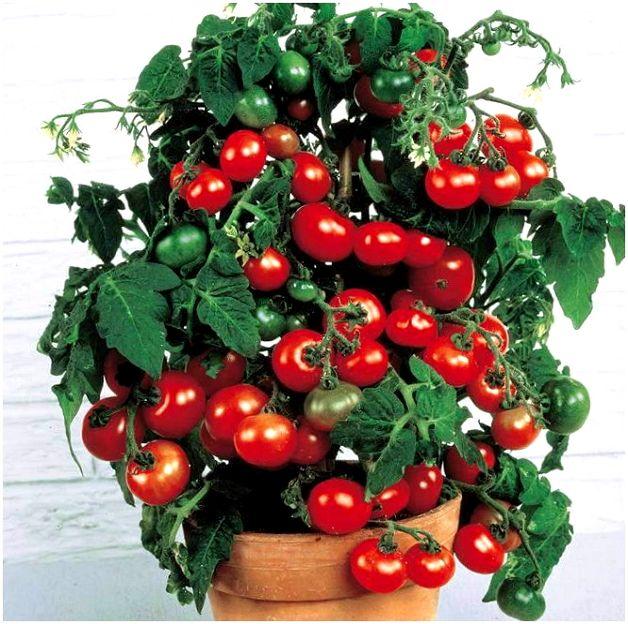 It is recommended to pick miniature tomatoes a little before they ripen, so that new ovaries will form more quickly.The taste of the fruits of the Balcony Miracle is no worse than that of classic varieties.
Advantages and disadvantages
Tomatoes bred for home growing offer a number of advantages, but they also have their drawbacks. Dwarf tomato varieties require minimal soil and very little space to grow. Their advantages include:
- Decorative type of bushes.
- Presence of immunity to late blight.
- Resistance to adverse environments.
- Possibility of growing in low light conditions.
- Excellent tomato taste.
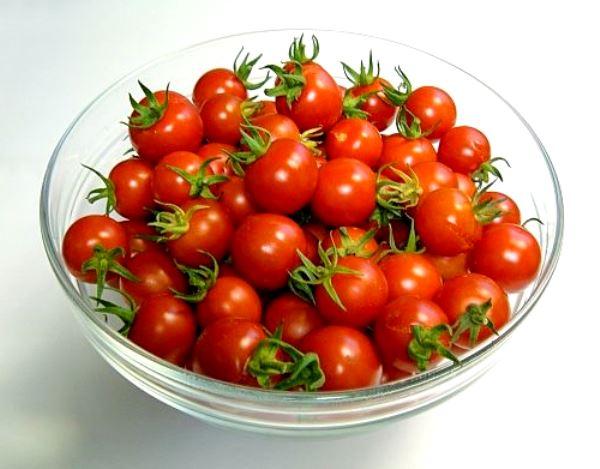
The lower yield of balcony tomatoes compared to traditional tomatoes, which take up much more space and don't produce fruit indoors, isn't a drawback. The thick skin also has its advantages: the tomatoes last longer and don't crack during heat treatment.
To speed up the formation of the ovary, unripe fruits are picked, but they ripen without affecting the taste.
Peculiarities of growing tomatoes
To ensure the Balcony Miracle delights you with a harvest of sweet and aromatic tomatoes, you need to understand the characteristics of this dwarf variety and adhere to the requirements of agricultural technology.


In open ground
When to plant tomatoes depends on where they're grown, but all varieties, including dwarf tomatoes, need at least six hours of sunlight per day. Balcony Wonders thrive in the garden because they're resilient to adverse conditions. Seedlings are grown first, which takes at least two and a half months.
To prevent tomatoes from becoming diseased outdoors, about 10 days before planting, the box containing them is moved outdoors to help the plants adapt to the new environment. First, the plants are left in a wind-protected area for about 4 hours, then kept indoors overnight.

Soil for planting
Some gardeners buy the substrate for growing dwarf tomatoes from a flower shop, while others prepare the soil themselves. To do this, they combine equal amounts of:
- humus;
- peat;
- leaf soil.
Before planting seeds, the soil is disinfected using one of several methods: steaming, scalding with boiling water, or watering with a pink solution of potassium permanganate. To restore the microflora after disinfection, the soil is treated with a solution prepared by dissolving 10 grams of "Siyanie-2" in a bucket of water.

The soil is wrapped in a plastic bag, which is left in a warm place for 14–20 days.
Planting seeds
If Balcony Miracle is grown indoors, the seeds are placed in prepared soil in any season; tomatoes ripen within 3.5 months. The seeds are first discarded, as weak and empty seeds will not germinate. They are placed in a container of water, and any that float to the surface are removed. The seeds are dipped in a potassium permanganate solution for 20 minutes, then disinfected, rinsed, and spread on cheesecloth or cloth.
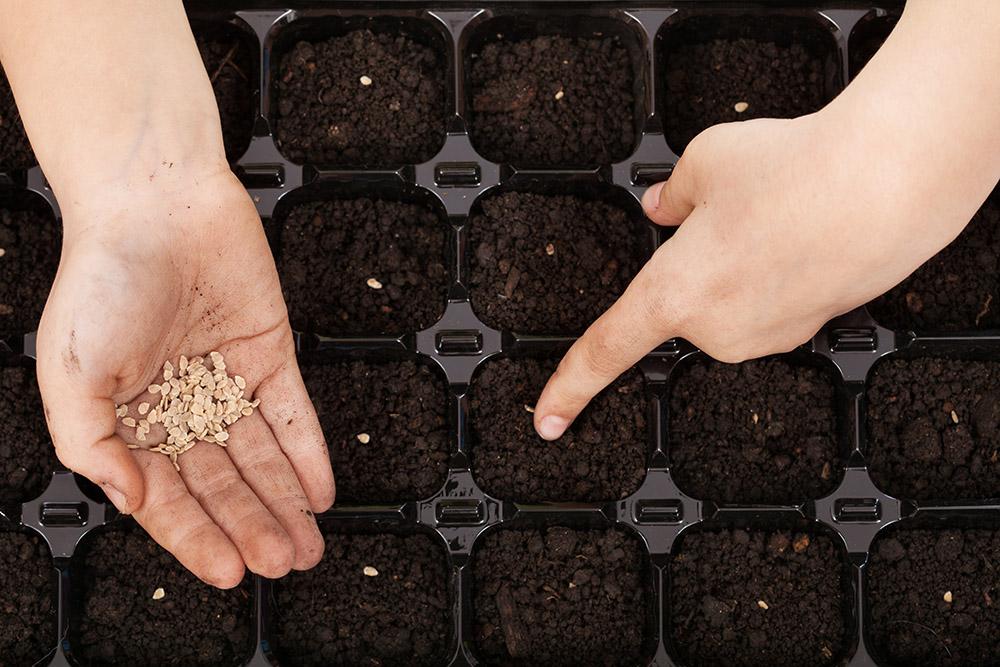
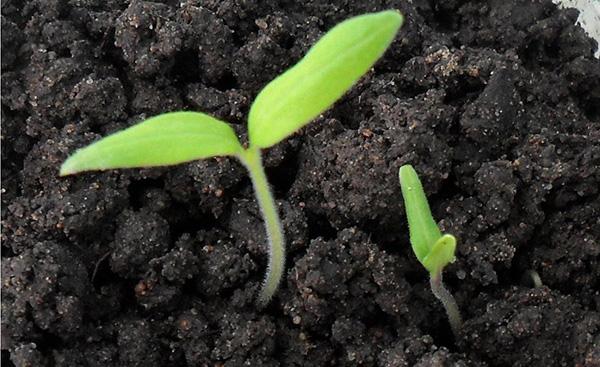
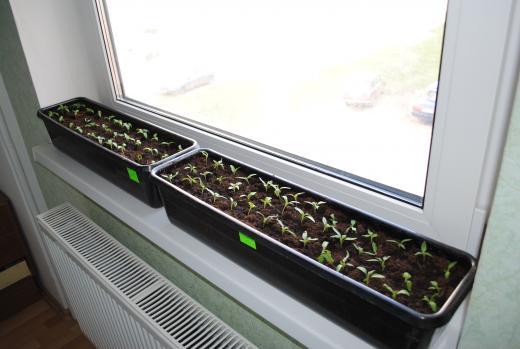
To plant tomato seeds, water the soil thoroughly and plant them to a depth of 10 mm in a box or individual cups to avoid transplanting. Cover the container with plastic wrap and leave it in a room with a temperature of at least 22°C. When seedlings appear, uncover the seedlings and move them to a cooler room. After a couple of days, move them to a windowsill. Rotate the box regularly to ensure sunlight reaches all the plants. Water the seedlings when the soil dries out, allowing the water to settle before watering.
Tomato bushes are fed several times:
- when sprouts emerge;
- 2 weeks after fertilization;
- a week before transplanting into the ground.
Balcony Miracle seedlings are transplanted to the garden bed when frost is certain to be gone and nighttime temperatures do not drop below 10°C. This typically occurs in late May. The variety thrives in loose, fertile soil and does not tolerate acidic conditions. Adding lime, wood ash, or dolomite flour can help solve this problem.
How to grow on a balcony at home?
To ensure dwarf tomatoes ripen in winter, sow seeds for seedlings in August. During this time, the seedlings will sprout, leaves will appear, and the tomatoes will delight you with fresh fruit on your balcony.
Take a look Also

Sowing seeds
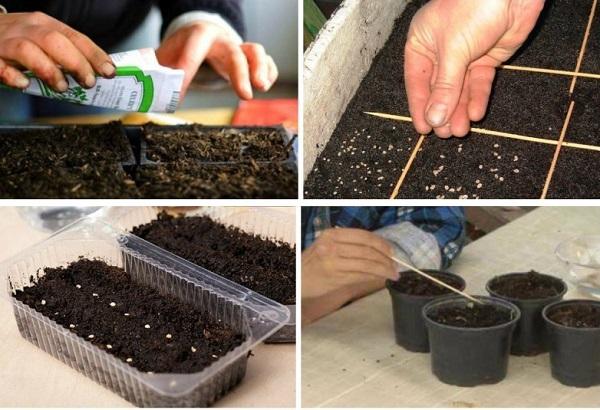
For indoor planting of Balcony Miracle seeds, prepare the soil the same way as for growing in a garden bed. Steam or pour boiling water over it to disinfect. Pour the soil into a container, moisten thoroughly, make furrows approximately 3–4 cm apart, and place the seeds 10 mm deep into the furrows before covering them with soil.
Soil for tomatoes
The growing medium for Balcony Miracle is easiest to buy at a flower shop. You can collect real black soil, mix it with an equal amount of peat moss and compost, and add a little superphosphate.

Air temperature
The seed box is covered with plastic wrap, which is removed when seedlings appear. The tomatoes are left at 22–25°C for several days. When the sprouts emerge, the seedlings are transferred to a room with a temperature no higher than 18°C and placed on a windowsill. A grow light is also turned on. The plants are regularly watered, fertilized with ash, and pricked out.
Planting seedlings
When three leaves appear or the tomatoes reach 15 cm in height, move the Balcony Miracle to individual pots, add a drainage layer of expanded clay, and fill with soil. To create the soil, mix garden soil with peat moss, compost, and add superphosphate, ash, and vermiculite. After disinfecting the substrate, you can plant the tomato plants.
Problems in growing
Potted tomatoes, although rare, are susceptible to late blight. The stems become covered in brown spots, and the leaves fall off. This usually occurs due to excessive moisture. Affected tomatoes should be discarded, and healthy tomatoes should be watered less.
To ensure vibrant, not faded, blooms, monitor the condition of the leaves. Dwarf tomato plants should curl and straighten throughout the day. If this isn't the case, it's most likely due to:
- the soil is not suitable,
- not warm enough;
- lack of nutritional components.
If tomatoes aren't cared for, few ovaries will form. In this case, you can't expect a good harvest.
Features of plant care
This balcony miracle loves warmth. A comfortable temperature for these miniature bushes is 26–28°C. At 16°C, development slows, and fruiting may not occur.
Watering and fertilizing
Tomatoes grown indoors are watered generously, but only once a week, using warm, settled water. If the tomato pot is on the balcony in summer, the plants are watered more frequently to prevent the soil from drying out. Avoid overwatering to prevent root rot and the soil from turning into a lump.
Miniature tomatoes planted on a windowsill in an apartment don't need to be fed with mullein or bird droppings. You can buy mineral supplements at the store or combine 5 teaspoons of superphosphate, 1 gram each of urea and potassium sulfate, and dilute the mixture in 5 liters of water. Fertilize tomatoes during flowering, after the fruit sets.

Pollination
This miniature plant delights with its decorative appearance, but it's usually planted not to decorate a room or balcony, but for its delicious fruit. On the balcony, tomato plants are pollinated by the wind. In winter or when grown indoors, tap the stem a few times, gently shake the pot, or turn on a fan. This is enough to encourage fruit formation.

Loosening and tying
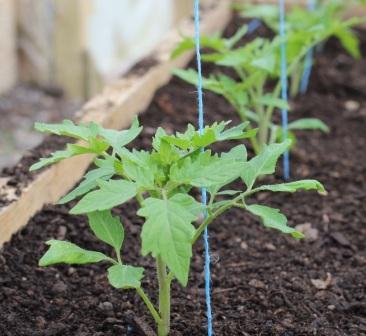
If the Balcony Miracle is growing in a garden bed, the branches may break in gusts of wind or under the weight of the fruit, so install a stake and secure the shoots to it. When growing dwarf tomatoes on a windowsill, the bushes don't need to be tied up, and side shoots aren't removed. Loosen the soil beneath the bushes to prevent crusting.
Diseases and pests
Indoors, the Balcony Miracle doesn't suffer from insect infestations, but in the garden, Colorado potato beetles are a constant nuisance. The pests are collected by hand, or the tomatoes are sprayed with Aktara. Cutworm caterpillars are controlled by cultivating the space between the rows.Dwarf tomatoes are immune to diseases, but if not properly cared for, they can be affected by late blight.
Harvesting and storage
The fruits of the Balcony Miracle are picked before they fully ripen. The tomatoes ripen and turn red in a well-ventilated room at 15–16°C; at lower temperatures, they remain green.
Tomatoes will keep for up to 2 months if the skin is free of bruises and cracks. Store the fruit in a wooden box in a cool, ventilated area.

Feedback from those who planted
Dwarf tomatoes are sometimes grown by summer residents on their loggias and windowsills, as there's snow in the garden in winter, and they want to do something about it.
Anna Petrovna, 55, Saratov: "Last spring, I sowed Balcony Miracle seeds just for fun. A neighbor gave me a few seeds, and they all sprouted, but I don't have a lot of space in my apartment, so I only transplanted two plants into separate pots. I kept the tomatoes on the windowsill, and they grew taller than 60 cm. After three months, I harvested 15 small tomatoes from one plant, and 25 from the other. They resemble cherry tomatoes, but I didn't really like the taste."
Evgeny Mikhailovich, 62, Belgorod: "I grow 'Balkonnoye Chudo' (Balcony Miracle) tomatoes in hanging baskets, which I move onto the heated veranda during cold weather. I like these tomatoes because they don't take up much space, don't require support, and are easy to care for. I harvest fresh, nitrate-free tomatoes even in winter."
Related posts:
 Description of the best varieties of black tomatoes for open ground and greenhouses
 Description and characteristics of the miracle cherry hybrid, planting and care of the variety
 Description of the Miracle of the Land tomato, characteristics, cultivation and yield of the variety
 Description of Balcony Miracle cucumbers, cultivation features and care
 Description of the Raspberry Miracle tomato variety, its characteristics and cultivation
 16 Best Quick Pickled Tomato Recipes for the Winter
 What varieties of tomatoes are best to plant in a polycarbonate greenhouse?
 15 simple recipes for pickling tomatoes in jars for the winter