
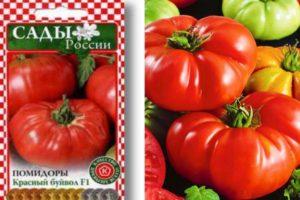
The Raspberry Miracle tomato is a hybrid developed by Chelyabinsk breeders. Despite its young age, it has already become a favorite among Russian gardeners. They are primarily attracted by its unusual raspberry color, beautiful shape, and fleshy texture. Incidentally, it is suitable for cultivation in any region of the country.
Description of the variety
The average ripening period for the Raspberry Miracle is 150 days, making it a mid-season variety. Furthermore, it is versatile and can be grown both outdoors and in greenhouses. Soil type and weather conditions do not significantly affect the variety's growth.
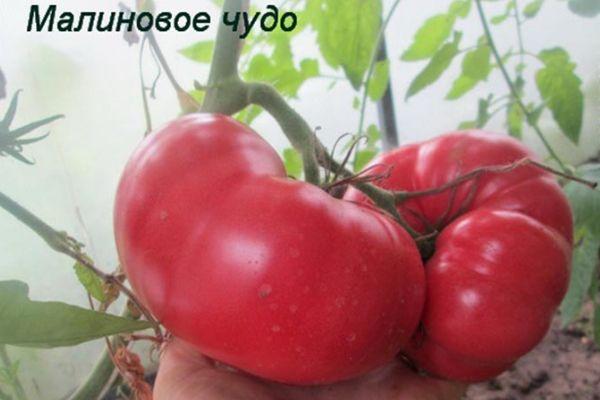
Characteristics of tomatoes of this variety:
- even fruits;
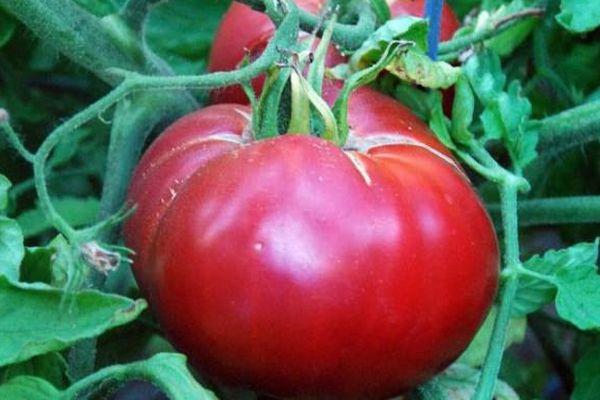
- rich crimson color;
- the length of the bushes reaches 2 m;
- minimum number of seeds;
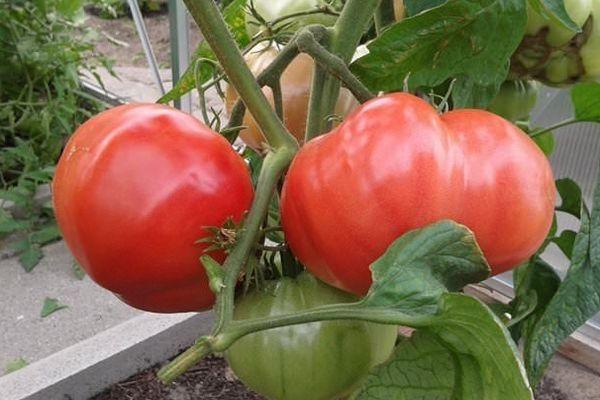
- the average weight of tomatoes is 300–600 g;
- the surface is smooth (in some hybrids moderately ribbed);
- resistance to late blight;
- The average yield of one bush is 5 kg.
The Big Raspberry or Raspberry Miracle tomato can produce up to 10 kg of fruit from one bush.
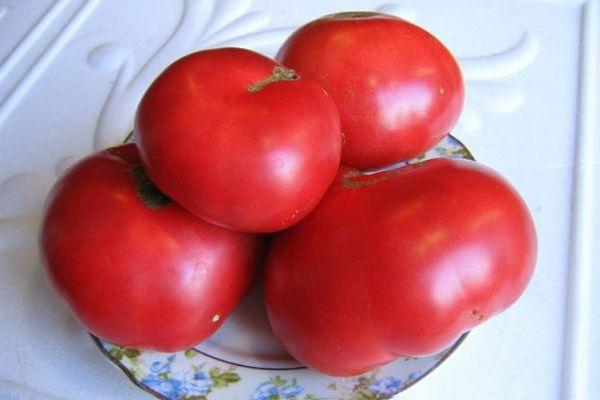
Golden Raspberry Miracle tomatoes are three hybrid series, each containing five varieties of tomatoes:
- Raspberry miracle episode 1.
- Raspberry miracle episode 2.
- Raspberry miracle episode 3.
Chelyabinsk tomato breeding received a gold medal at the "Golden Autumn 2014" exhibition.
Growing
The soil for planting tomatoes is prepared in the fall. Most gardeners prefer to mix their own garden soil with sand and compost. All three components are mixed in equal quantities and stored in the basement. Immediately before planting the seeds, it is recommended to water the soil with a solution of potassium permanganate.
Although many gardeners claim that this series of seeds requires little pre-sowing treatment, it's still best to use specialized pre-sowing treatments. Ecosil and EM-1 have proven effective. They stimulate growth and disinfect the seeds. Planting occurs from early to mid-March, but it's always important to consider the weather and the region. Seeds are sown in small containers, 15-20 at a time.
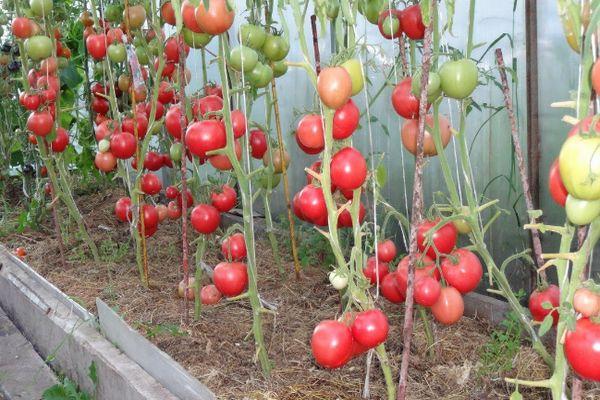
Once the seedlings emerge, remove any diseased or weak shoots. Plants are culled weekly, typically leaving 7-10 plants. This growing method is extremely simple and doesn't require pricking out.
Algorithm for planting seedlings:
- a hole is dug, after which fertilizer (compost or humus) is placed in it;
- all components are watered;
- a stick is installed on which the plants will rest;
- the seedlings are placed in a hole and covered with soil (the seedlings should be watered first);
- one more watering and tying the bush to a stick.
Seeds for greenhouse tomatoes are planted from mid-February to the first days of March.
How to grow seedlings correctly?
To get good seedlings and a similar harvest, it's important to consider the specifics of proper seedling cultivation. To do this, you need to create the following conditions:
- high humidity: seedlings need to be sprayed with a spray bottle 1-2 times a day;
- optimal temperature: during the day it is from 18 to 25 degrees, at night - from 12 to 15 degrees;
- good lighting: it is desirable that the seedlings be located on windows facing south.
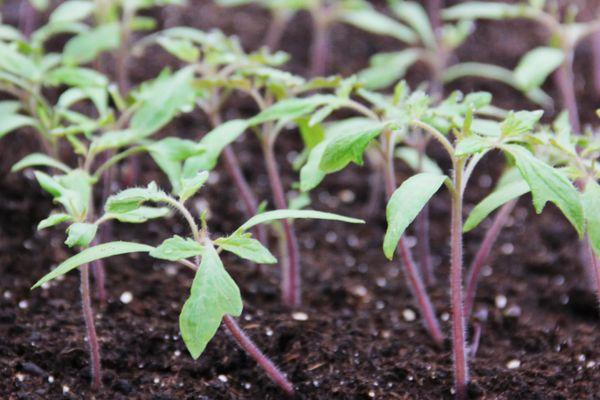
When grown correctly, the planting material will be of high quality and produce the highest possible yield. First of all, pay attention to lighting. Seedlings should not be placed on darkened windows. Artificial lighting can be used as a supplement.
Care
Tomato care is standard: loosening the soil, weeding, and applying mineral fertilizer. Tomatoes should be watered at least once a week, which can be combined with fertilizer. After watering, the soil around the tomatoes should be thoroughly loosened.
Since Raspberry Miracle is a tall variety, pinching the growing tips of the most overgrown bushes is recommended. This helps gardeners control growth and, as a result, increase yields.
Advantages and disadvantages
The remarkable characteristics of these tomatoes make them a favorite among Russian gardeners. The variety's main advantage is that the seeds germinate even after many years of storage. Furthermore, a single bush can yield up to 5–6 kg of fruit.
Take a look Also

Gardeners also choose Raspberry Miracle tomatoes for the following benefits:
- presentation;
- delicate rich taste;
- undemanding to soil and climatic conditions;
- resistance to late blight.
Surprisingly, this variety has no drawbacks. The only thing that might be a bit of a bummer is the smaller size of the fruits, which ripen later. However, this can be considered an advantage, as most gardeners prefer to preserve smaller tomatoes.
Thus, the distinctive features of the Raspberry Miracle tomato variety make them a favorite on the Russian market.
Pests and diseases
Despite the variety's resistance to late blight, other diseases periodically affect the Raspberry Miracle. These include:
- blossom-end rot;
- brown or dry brown spot.
In the first case, rot appears on the tops of the tomatoes. Typically, unripe tomatoes are affected. However, gardeners have learned to prevent this disease. When planting, add a tablespoon of calcium nitrate to the hole. This can be combined with wood ash. Many gardeners spray green tomatoes with nitrate.
If brown spots appear, spray tomatoes with a copper sulfate solution. If brown spots appear on the above-ground portions of the plants, this indicates the development of dry brown spot. In this case, cover the plants with agrofibre at night.
Pests that can attack Raspberry Miracle tomatoes include plant aphids, tomato moths, and root-knot nematodes. Biochemical treatments can help eliminate them.
Harvesting and storage
The harvest season is June, July, and August. The first fruits are the largest and can be used for both market and culinary purposes. Later-ripening tomatoes are smaller, and most gardeners prefer to preserve them. If temperatures drop below 13 degrees Celsius (55 degrees Fahrenheit), the entire harvest is harvested. This is because high humidity promotes the development of pathogenic microflora, which reduces the quality of the tomatoes.
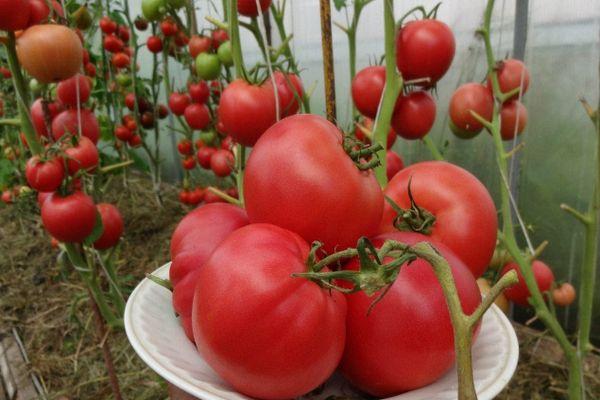
Ripe tomatoes should not be stored for more than 3 days. Green and blanched tomatoes should be stored in a dry, well-ventilated area. Seeds are collected from the largest and juiciest tomatoes.
Please note: If tomatoes are harvested in cold weather, they should be preheated before storage.
The seeds of the Raspberry Miracle tomato series are suitable for planting even after 10 years of storage.
Gardeners' reviews
Irina: "I came across a description of the Raspberry Miracle tomato series and became intrigued. I liked their appearance. I ended up buying five varieties from this series. I'd like to highlight the good germination rate and the delicious, beautiful fruits with an extraordinary color. Raspberry Dream turned out to be the most productive variety, yielding about 10 kg from a single bush. I was completely surprised. My only regret is that I didn't know about this variety sooner."
Ekaterina: "The Chelyabinsk tomato variety has been a real discovery for our family. Our seedlings haven't had any problems yet, and all the sprouts are sprouting at the same time. I remember it was a cold and damp summer, and we weren't expecting much. But even that didn't stop us from getting an excellent harvest. Not a single plant got sick. By the way, be prepared for the tomatoes to ripen all summer long. Ripe fruits need to be picked periodically. The largest one we've ever had weighed, I think, 600 or 700 grams. The tomatoes are also very juicy and tender. We plan to buy several more varieties from this series this year."
Related posts:
 Description and characteristics of the miracle cherry hybrid, planting and care of the variety
 Description of the Miracle of the Land tomato, characteristics, cultivation and yield of the variety
 Description and characteristics of Balcony Miracle tomatoes, growing at home
 Characteristics of the Raspberry Wine f1 tomato and a description of how to grow the hybrid
 What varieties of tomatoes are best to plant in a polycarbonate greenhouse?
 Description of the Miracle of the World tomato variety, its characteristics and yield
 Description of the hybrid tomato Chudo-Grozd F1, cultivation of the variety
 Characteristics of the Raspberry Viscount tomato, description of the fruit, and pest control