
Gardeners strive to grow a variety of tomatoes in their gardens. The Pink Sugar tomato occupies a prominent place among them. This variety is prized for its high content of the powerful antioxidant selenium. It is also loved for its unusually sweet flavor.
Characteristics of tomato
It's best to begin the description of this variety by noting that this vegetable was included in the State Register of Russian Cultivation in 2010. Breeders recommend growing the plant both under plastic covers and in open fields. The fruit is flat-round, even, and has smooth, firm skin.

At market maturity, the vegetable is a soft pink; the flesh is juicy and fleshy. The tomatoes are divided internally into six or more segments.
This variety is used for salads, but many tomato lovers often use it for various home preparations, for example, for making juice, paste, and ketchup.
A description of the Pink Sugar variety wouldn't be complete without mentioning that this tomato is a semi-determinate variety. The bushes produce consistently good yields and require little care. In greenhouse conditions, the trunks of these nightshade plants reach 1.2-1.5 m; in open ground, they grow up to 1 m.
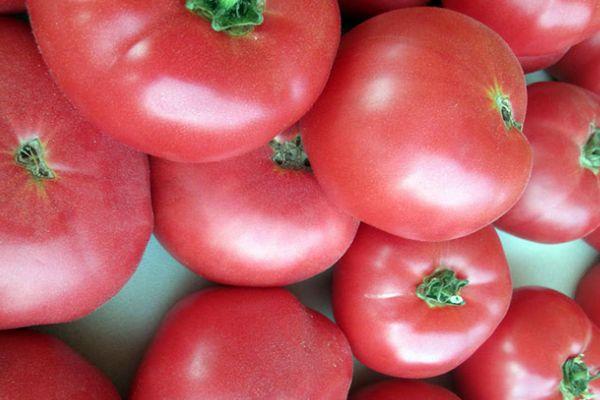
The first inflorescence forms above the 7th to 9th leaf; it is simple. The tomato leaves of the Pink Sugar variety are large and light green.
Based on reviews from active gardeners, it's easy to harvest 5-6 kg of wonderful tomatoes, each weighing up to 200 g, from 1 m². This variety is mid-season; the first pink tomatoes appear on the branches 110-115 days after germination.
Planting and caring for the plant
Planting of seedlings begins in March; by this time, the soil must be prepared and the seeds must be tested for germination. The soil is composed of three main components: turf (garden soil), humus, and sand. Various loosening agents are added to the soil to ensure looseness and good moisture permeability. Some gardeners do not prepare the soil in advance, but purchase the substrate from specialty stores.

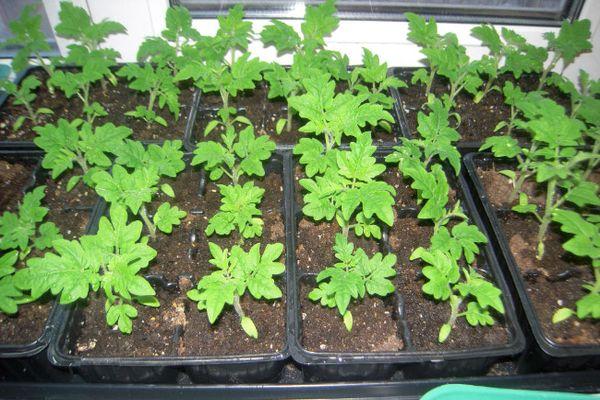
Before sowing, tomato seeds are dipped in salted water; after a while, empty seeds float to the surface and are discarded. Those that sink to the bottom of the container should be disinfected in a potassium permanganate solution.
Tomato seeds are planted 1-2 cm deep in moistened soil, then covered with peat or potting soil. Cover the seedling containers with plastic wrap and place them in a warm location until the first sprouts appear. Seedlings are best grown at temperatures between 22 and 24°C, in a well-lit location. Don't forget to water them regularly, using warm water as needed.
Pricking out (replanting) young plants is done after the seedlings have developed two true leaves. At this point, it's time to prepare the first fertilizer, which should consist of phosphate and potassium micronutrients, and separate containers for each crop.

Three weeks before transplanting the tomato plants to their permanent location, they need to be hardened off, i.e., acclimated to the new conditions. To do this, periodically take the containers outside for short periods of time.
Transplanting into a greenhouse begins in mid-April; tomatoes can be planted under plastic in May; nightshade bushes are not planted in open beds until early June. The plants should not have flowers. If they have already appeared, it's best to remove the flower clusters.
The cultivation method for the Pink Sugar tomato after transplanting is simple. Care consists of watering, loosening the soil, hilling, and weeding. Experts recommend watering tomatoes infrequently but thoroughly. Good watering should be maintained during transplanting, growth, and fruit set.
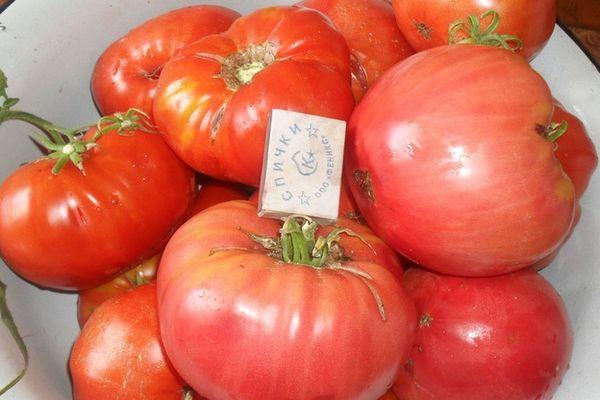 Tomato bushes of the Pink Sugar variety require supports and garters.
Fertilize the plants 3-4 times during the season. Nitrogen fertilizers are not recommended after fruit set.
This variety is formed into 2-3 stems; to ensure the growth process continues in a timely manner, it is worth leaving 1 side shoot in reserve.
Take a look Also
Gardeners recommend harvesting tomatoes slightly unripe—they're easier to transport this way. Tomatoes don't have a long shelf life, but they ripen beautifully in a warm place.
Related posts:
 Top 40 DIY New Year's Baking Recipes for 2020
 Description and characteristics of the Pink Elephant tomato variety, yield and cultivation
 Description and cultivation technology of the Dubovsky Pink grape variety
 Description and characteristics of the Pink Giant tomato variety, yield and cultivation
 The best grape varieties for growing in the Urals, planting and care rules in summer
 Description of the Pink Souvenir tomato variety, cultivation and care features
 Description of the Pink Leader tomato, growing seedlings and care instructions
 The 42 Best New Year's Dessert Recipes for 2020