
The Pinocchio tomato is a striking example of a dwarf variety, capable of producing good yields despite its small stature. Many gardeners truly enjoy growing mini tomatoes. These varieties are ideal when space is limited or when a delicious tomato harvest is desired at home. In such situations, experts recommend considering the Pinocchio variety.
Description of the variety
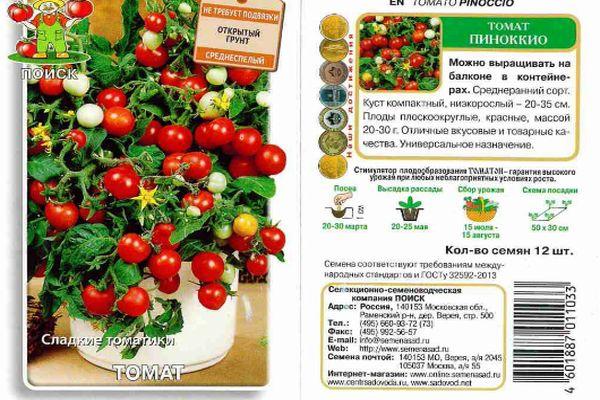
The variety's characteristics classify it as a determinate variety. The dwarf plant grows from 25 to 30 cm in height, making it often grown in pots. The plant has a short ripening period, with the first tomatoes harvested 90 days after planting.
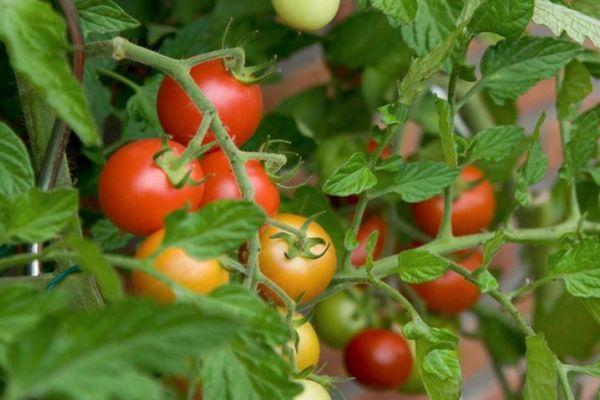
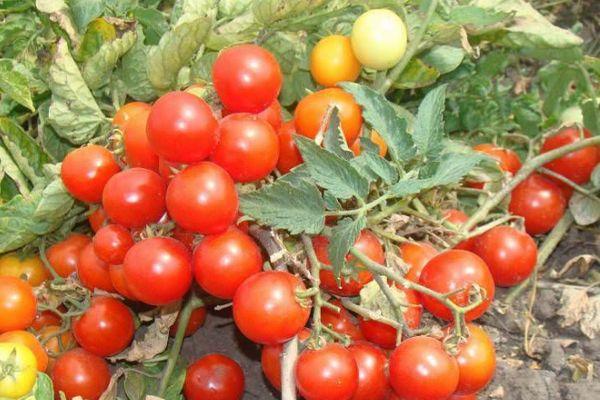
The appearance of a tomato cluster resembles a bunch. The small tomatoes are perfectly rounded and have smooth, shiny skin. The flesh is fleshy and contains numerous seeds. The average yield per bush reaches 1.5 to 1.6 kg of even, neatly shaped tomatoes. The average weight of a single tomato ranges from 20 to 30 grams.
Tomatoes of this variety are popular with children; their flavor is vaguely reminiscent of cherry tomatoes. Gardeners note the tomatoes' pleasant, slightly tart flavor. These small tomatoes are perfect for salads, marinades, and as a garnish.
Growing
To ensure a good harvest, the plant needs good, fertile soil. It should be loose, slightly acidic, and rich in minerals. When preparing your own soil, mix equal parts of soil, humus, peat, and ash. You should not use soil from a garden where tomatoes were previously grown, as this significantly increases the risk of plant disease.
After thoroughly mixing the main ingredients, phosphorus-based fertilizer should be added to the soil.
Before sowing, seeds should be soaked in a weak solution of potassium permanganate for 24 hours. The seedlings should be planted 2 cm deep. To ensure germination, a room temperature of +25°C (77°F) is sufficient. C. Immediately after planting, the containers are covered with plastic wrap, which is removed once seedlings emerge. On average, the first sprouts appear 4-5 days after planting.
Once the bushes have two leaves, pruning begins. The seedlings can be transplanted to their permanent growing site after 4 or 5 weeks. When planting in open ground, the distance between the seedlings should be 1 m.2 There must be at least 8 bushes.
Care Features
The plant is demanding of heat and at night the temperature should not drop below +18 C, otherwise, tomato yield decreases. Care mainly consists of moderate watering and fertilizing the soil.
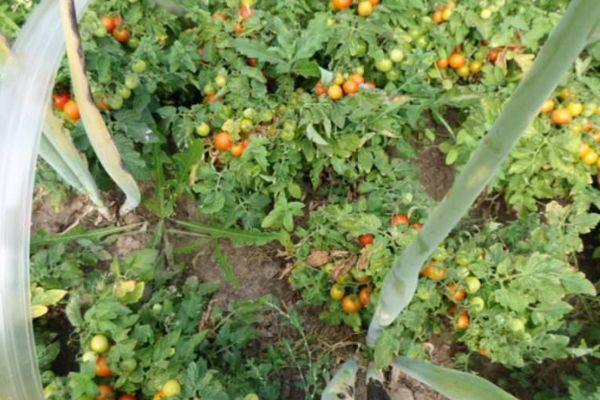
The first application of complex fertilizer is carried out after the fifth leaf appears. The second application of nutrients is carried out no earlier than 10 days later. Regularly harvesting ripe tomatoes will help increase fruiting.
Advantages and disadvantages
This variety possesses all the advantages of dwarf plants. It's low-maintenance and can be grown by any novice gardener with minimal effort and expense. Description of the variety's main advantages:
- versatility of cultivation, the variety is suitable for fruiting in open areas and indoor conditions;
- good taste qualities;
- optimal combination of plant growth and crop yield;
- long fruiting period;
- no need to tie up bushes;
- resistance to tomato diseases.
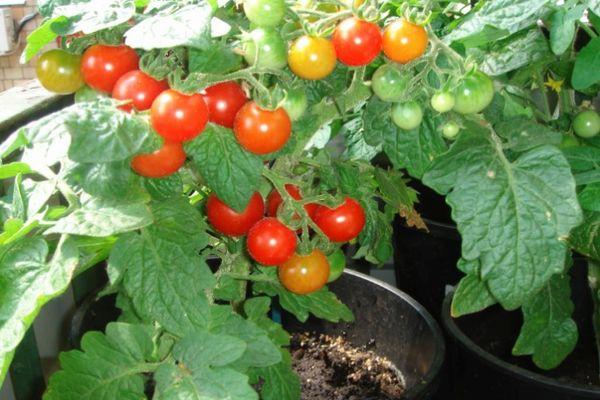
Pinocchio is a unique plant, as it only needs a 2-liter container to bear fruit. The fruiting period isn't strictly tied to the season and depends on when the seeds are planted, so tomatoes can be grown year-round. To ensure fruiting, the plant requires adequate light.
Take a look Also

Tomatoes' unique benefits stem from their composition. Thanks to their high antioxidant content, regular consumption of tomatoes promotes health and rejuvenation. Their high phytoncid content provides antibacterial and anti-inflammatory benefits.
A drawback of this variety is its limited ability to set fruit. The bush blooms and bears fruit only once, after which it gradually withers away completely. This process cannot be stopped or prevented.
Pests and diseases
This variety is virtually immune to tomato diseases. After harvesting, the bushes turn yellow and dry out. This behavior is normal, and in this case, the plant should be harvested.
Tomatoes can become diseased by spraying their bushes, so this procedure is prohibited. The plant does not tolerate moisture on its leaves and does not tolerate overwatering.
Harvesting and storage
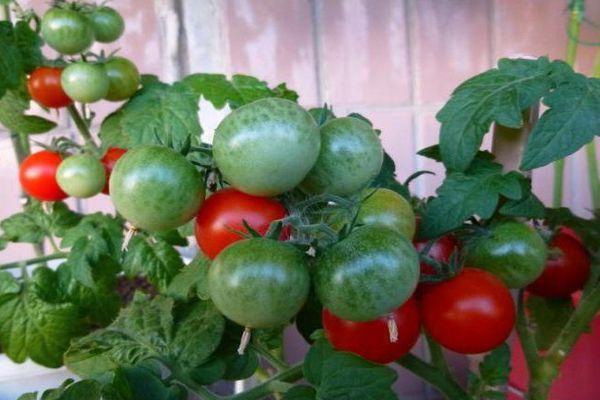
The variety description states that harvest time depends on when the seeds were sown. If planted in February, the tomato harvest can be expected in June. Tomatoes are characterized by the formation of clusters of fruit and their subsequent ripening in sequence. Harvest the tomatoes when they reach a rich red color.
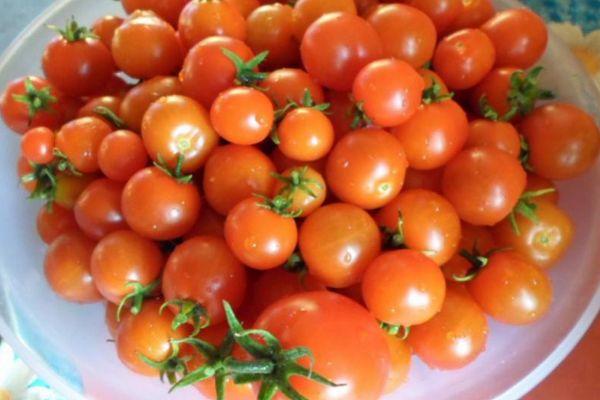
The maximum plant height is 30 cm; once this height is reached, bush formation stops and fruiting ceases. If the shoots are unable to provide the fruit with sufficient nutrients, it is recommended to harvest the remaining Pinocchio tomatoes and wait for them to ripen. To do this, place the fruits in a cool, dark place for a while.
Gardeners' reviews
Anastasia, 32 years old:
"A fun, unusual variety that lives up to its description. The bushes resemble small crabs. We grow this variety in 5-liter pots, but the description says two is sufficient. The tomatoes are even, neat, and very beautiful. They're as aesthetically pleasing as many ornamental flowers, and they also produce delicious fruit."

Alexandra, 31 years old:
"I tried this variety, and its 100% seed germination proved to be a plus. I planted it in February, and the bushes formed in May, and in June they began producing their first small red tomatoes. The tomatoes form in clusters, and their flavor is less intense than traditional tomato varieties."
Related posts:
 The best grape varieties for growing in the Urals, planting and care rules in summer
 The best eggplant varieties for growing in a polycarbonate greenhouse: planting and care
 80 Best Eggplant Varieties for Different Regions with Descriptions and Characteristics
 Descriptions of the 20 best cherry varieties for the Moscow region, their planting and care
 Description of 30 varieties and types of Muscat grapes, planting, cultivation and care
 Description of the 90 best varieties of beans for open ground with names
 What varieties of tomatoes are best to plant in a polycarbonate greenhouse?
 Description of the best varieties of black tomatoes for open ground and greenhouses