
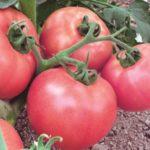
The Golden Heart tomato attracts many gardeners due to its excellent taste, high yield, and resistance to many diseases. The large yellow-orange fruits are captivating due to their unique appearance and unusual heart shape. This tomato is beautiful, tasty, and rich in nutrients. The variety is suitable for growing in many regions.
Description of the variety
This tomato is suitable for growing both outdoors and indoors. The fruits have thick skins, are golden yellow, and do not crack. A single bush produces 5–7 fruits. Ripening time is 95–100 days, and it bears fruit all summer.
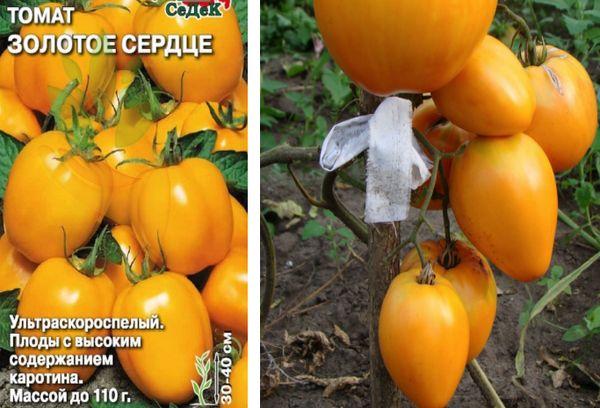
Description:
- variety - early ripening;
- bush type - determinate;
- fruit shape is heart-shaped;
- the skin is thin but dense;
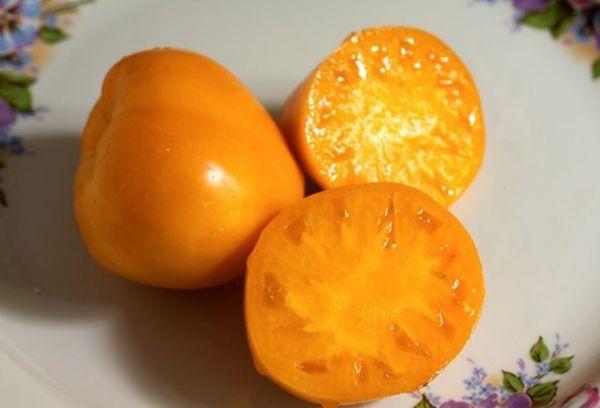
- the pulp is fleshy, with a small number of seeds;
- height - 0.5 m;
- weight - 110-150 g;
- yield - 7-10 kg/m².
The high carotene content makes the Golden Heart tomato a dietary product. The fruit is used to make baby food, vegetable juices, and dressings. The fruits can be sliced and frozen for the winter.
 Regardless of the type of cultivation, staking of the bushes is recommended, as the fruits are quite large and can break the stems.
Growing
The variety's versatility allows it to be grown outdoors, in a greenhouse, and even on a balcony. Good-quality soil is required for cultivation; a mixture of equal parts garden soil, compost, turf, peat, or river sand is recommended. Commercially available soil mixes are not suitable for this tomato variety.
Seeds are sown in late March. It's recommended to water the soil with boiling water, then soak the seeds in a hydrogen peroxide solution, then soak them in a stimulant. This tomato variety is early maturing and therefore virtually disease-free, eliminating the need for pre-plant seed treatment.
Sow the seeds at a depth of 2 cm, water, bury them, and cover with plastic wrap. Pricking out occurs when the seeds have two leaves. Planting in their permanent location occurs 60–70 days later, after the last frost has passed. The planting pattern is 65–70 x 45 cm.
It's best to plant in areas previously occupied by carrots, cabbage, and legumes. Avoid areas previously occupied by tomatoes, eggplants, peppers, and potatoes. The sowing and growing site should be rotated annually. This will slow down soil depletion. Any remaining bushes after harvesting should be completely removed.

Care Features
When growing in a greenhouse, the soil is first dug over, watered with boiling water, and a spoonful of ash and superphosphate is added to the holes. After planting, the seedlings are tied up, and consistent watering with warm water is essential. The first shoots should be removed when they reach 8–10 cm. This is best done in the morning or evening, as this will help the wounds on the bushes heal faster. Greenhouse tomatoes require regular ventilation, weed removal, and the removal of lower leaves.
Watering should be done with warm, settled water. Afterward, be sure to loosen the soil. Fertilizing with complex mineral fertilizers will be necessary 3-4 times per season. Preventative spraying with a soap solution or a potassium permanganate solution can also be done.
During periods of intensive growth, plants are watered frequently and at the roots. Some gardeners cut the neck of a bottle and place it underneath to allow the tomato stems to take in water as needed. Avoid watering tomatoes during extreme heat, as this can lead to late blight and deterioration of the plant.
The bush is formed into two stems, and the leaves are thinned out. The distance between bushes should be at least 70 cm.
Advantages and disadvantages
The tomato has a rich, sweet, delicious flavor, without excess acidity or wateriness. The fruits are attractive in appearance and contain an abundance of beneficial micronutrients.
The advantages of the variety include:
- early maturity;
- high yield;
- beta-carotene content in fruits;
- resistance to temperature changes;
- long shelf life;
- transportability;
- resistance to most diseases.
During dry periods, no reduction in yield is observed. The harvested seeds are suitable for sowing the following year.

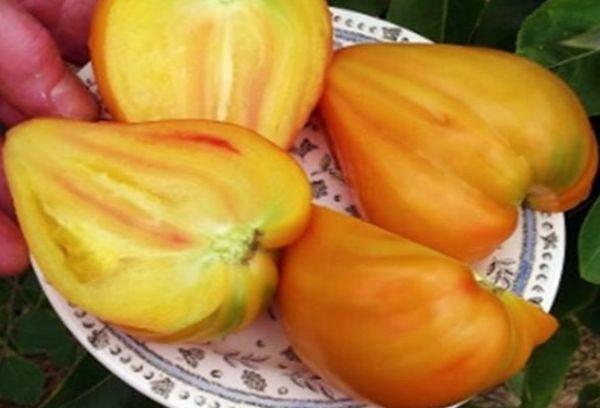
Yellow tomatoes do not contain pigments that cause allergic reactions in humans. They are rich in iron and vitamin C, which help strengthen nails and hair.
Among the disadvantages, the need for bush formation is noted. Tomatoes are demanding of soil and require daily watering.
Pests and diseases
The Golden Heart tomato variety is resistant to most diseases, but still requires preventative measures. To prevent fusarium wilt and late blight, regularly spray the plants with copper-containing preparations. A pale pink solution of potassium permanganate helps combat fungus.
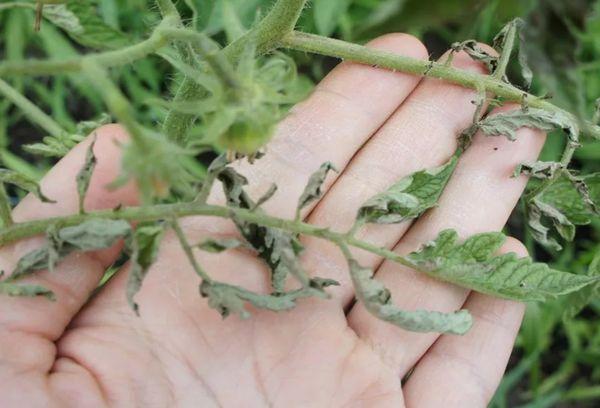
Darkened and curled leaves should be immediately picked off, after which the bush should be sprayed with any biological preparation.
You can get rid of insects such as thrips, aphids, and whiteflies using a solution of ammonia and water. Spider mites will disappear if you use a celandine decoction.
Harvesting and storage
The harvest should be done as the fruit ripens, as tomatoes quickly overripe in the garden. In the fall, unripe tomatoes can be picked and stored in boxes to ripen.
This variety boasts a long shelf life. It tolerates transportation well, making it widely used commercially. The fruits retain their original quality even when stored for long periods, ripening at room temperature even if harvested early. They are consumed fresh, canned, or pickled, and are used in various dishes, sauces, and juices.
Gardeners' reviews
Gardeners' reviews are very positive. Specifically, they note the excellent yield, low maintenance, and large, sweet fruits. The plant is compact, saving space in the garden.
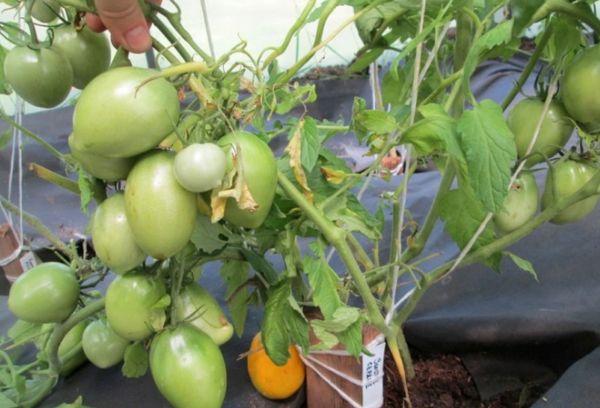
Those who have already planted this crop note that growing them is straightforward and the bushes are easy to maintain. They have good resistance to diseases and pests and adapt well to various weather conditions. They are recommended for beginning gardeners.
In a greenhouse, the tomato grows up to 1.5 m. Fruit sets in September and ripens in late October. This variety is recommended for both gardeners and farmers for sale at the market.
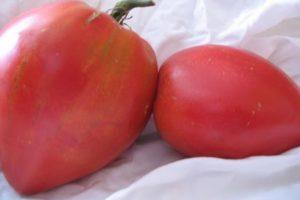
Golden Heart is a wonderful yellow tomato variety that, with proper care, guarantees a good yield until mid-autumn. The fruits are virtually disease-resistant, tolerate heat well, and produce an excellent seed crop for future planting.
Related posts:
 80 Best Eggplant Varieties for Different Regions with Descriptions and Characteristics
 The best grape varieties for growing in the Urals, planting and care rules in summer
 Description of the best tomato varieties for pickling and canning
 Description of blight-resistant tomato varieties for open ground and greenhouses
 Description and characteristics of the best indeterminate tomato varieties for greenhouses
 Description of the best tomato varieties for greenhouses in the Kirov region
 Description of the best varieties of black tomatoes for open ground and greenhouses
 Description and characteristics of non-stepsoning tomato varieties for open ground and greenhouses