
- Features of balcony tomatoes
- The best varieties for home growing
- Balcony miracle
- Micron NK
- Pinocchio
- Bonsai
- Honey bunch
- Room surprise
- Pygmy
- Florida Petit
- Window yellow
- Tiny Tim
- Ampelous varieties
- Garden Pearl
- Citizen F1
- Cherrypalchiki F1
- Tumbler
- Talismans
- Red Abundance F1
- How to grow tomatoes on a windowsill
- What container and soil should I plant in?
- Pre-sowing seed preparation
- Direct landing
- Picking
- Transplanting seedlings to a permanent location in a large pot
- Peculiarities of growing on the north side
- Rules for caring for balcony tomatoes
- Lighting, temperature and humidity
- Watering and fertilizing the plant
- Pinching out and tying up the bush
- Pollinators
- Protection from diseases and pests
- Potential growing problems
- Harvesting and storage
Growing tomatoes on your windowsill is easy and simple. The key is choosing the right variety, preparing the planting material, and creating the necessary growing conditions. You'll also need to know the proper watering, fertilizing, picking, and pest and disease control procedures. By following certain guidelines and heeding gardener advice, you'll be able to harvest juicy, sweet, and large tomatoes.
Features of balcony tomatoes
This step-by-step guide for beginners will help you grow tomatoes in summer and winter. Choosing the right variety is crucial:
- Plants with a determinate growth pattern are suitable. These tomatoes stop growing after a few clusters appear.
- To ensure tomatoes have enough light and warmth to thrive, it's best to plant early-ripening varieties. They ripen in 80-95 days.
- You need to choose self-pollinating tomatoes or parthenocarpic ones (those that do not require pollination).
- For indoor use, the selected variety must have high disease resistance.
You can grow tomatoes year-round in an apartment in any region, including Ukraine.
The best varieties for home growing
If you choose the right tomato variety for windowsill growing, you can plant seeds not only in spring but also in fall. You can harvest year-round. Indoor tomatoes are characterized by their short stature, sturdy stems, and not overly spreading branches.
Balcony miracle
A dwarf variety with stems reaching 55 cm in height, the bush takes up little space. The fruit ripens early (89 days from planting to harvest). A single bush produces numerous small, sweet, red tomatoes (up to 60 g). The variety exhibits good resistance to many tomato diseases.
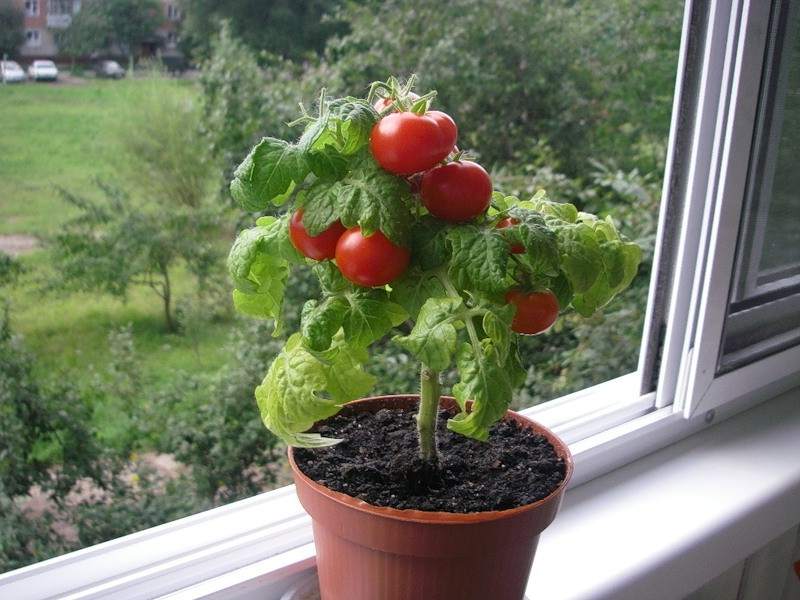
Micron NK
The Mikron NK tomato variety has a medium ripening period. The bush reaches 16 cm in height. The fruits, depending on the variety, can be yellow or red. These tomatoes are cold-resistant and continue to develop even in low light conditions.
Pinocchio
The bushes are miniature, reaching a height of no more than 34 cm. The fruits are flat-round, red, and weigh 18 g. They taste sweet with a hint of tartness. Ripening begins after 105 days. The variety exhibits high resistance to many diseases.
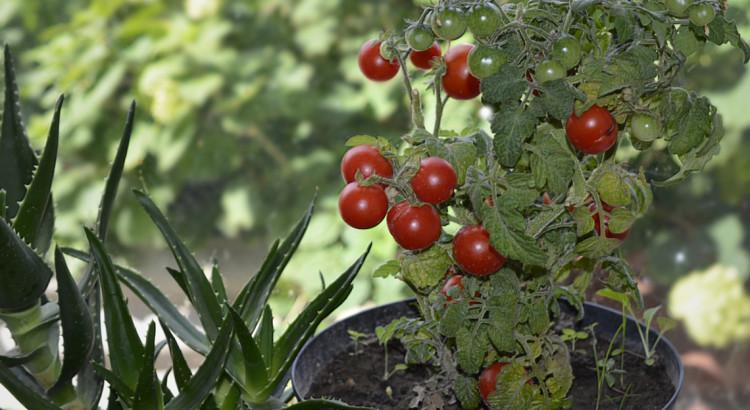
Bonsai
The small size of the bush makes it suitable for growing indoors. The stem height reaches 20-25 cm. This variety is characterized by early ripening—87 days. The high yield allows you to harvest up to 1.6 kg of tomatoes from a single bush. The round, red tomatoes weigh 45 g.
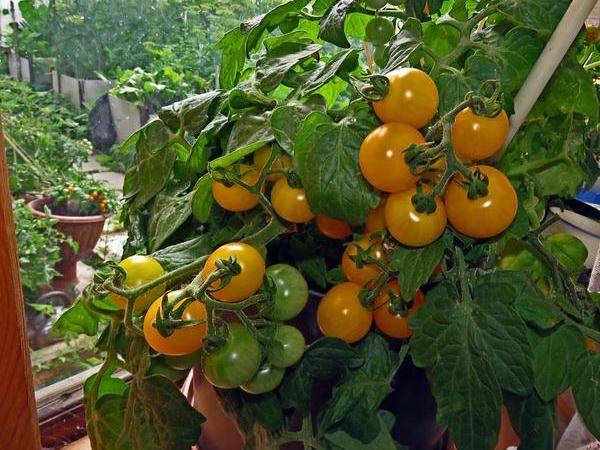
Honey bunch
This compact plant takes up little space on a windowsill, reaching a height of 58 cm. The tomatoes are flat-round, orange-yellow, and weigh no more than 44 g. Fruiting is abundant, beginning 95 days after planting.
Room surprise
This small-fruited tomato variety is characterized by early ripening. The plant grows to a maximum height of 50 cm. The bright red, rounded fruits weigh 26 g.
Pygmy
An ultra-early variety. The fruits begin to ripen after 78 days. The stem height reaches 27 cm. The fruits are round, red, and weigh 24 g. Gardeners appreciate the abundant yield and high resistance to late blight.
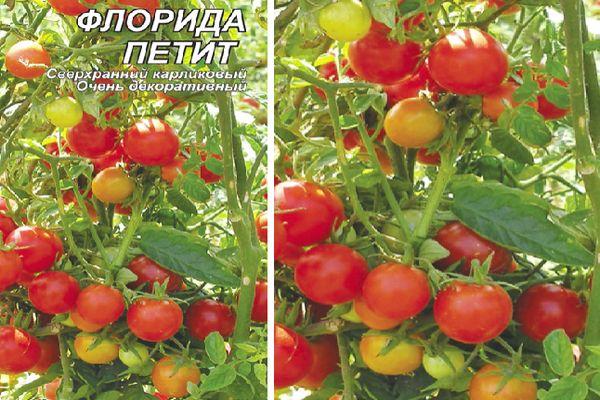
Florida Petit
This variety is characterized by early ripening. Harvesting begins after 89 days. The bush reaches 30 cm in height. Small tomatoes weigh 22 g each, with pale red skin.
Window yellow
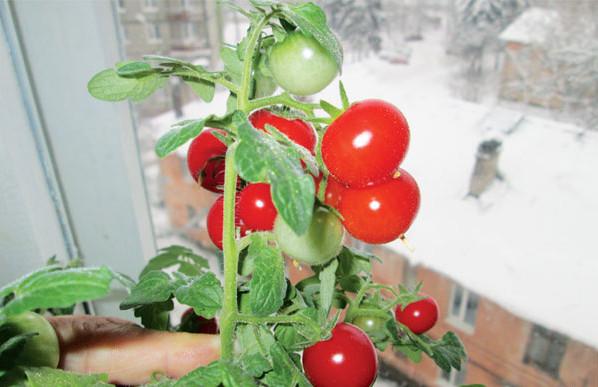
This variety is a dwarf cultivar with a determinate growth pattern. The bush grows up to 58 cm. Numerous small, round, yellow tomatoes form on the branches.
Tiny Tim
The plant reaches a height of only 30 cm. It can be grown indoors year-round. The round, red fruits are juicy and sweet, weighing 14 g. Another advantage is that it can be grown on north-facing windowsills.
Ampelous varieties
Ampelous varieties differ from regular tomatoes in several ways:
- develop with a lack of light;
- not afraid of drafts;
- the seedlings do not stretch;
- the branches hang down, so they do not touch the ground;
- unique taste of fruits;
- the harvest is collected all year round;
- Tomatoes exhibit high resistance to infections and pests.
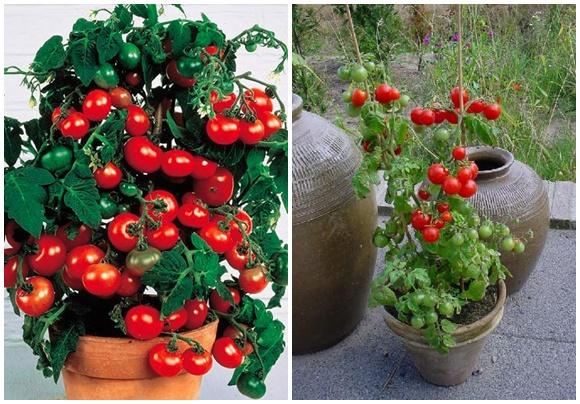
It is advisable to grow ampelous tomatoes in hanging flower pots or planters.
Garden Pearl
An early-ripening, determinate tomato variety, the fruits ripen in 86 days. This cultivar is distinguished by its long fruiting period. The bush does not grow more than 37 cm. The stem is prostrate, bearing numerous small, round, pink fruits. Fruit weight is 17 g.
Citizen F1
This early-ripening tomato variety begins bearing fruit after 87 days. It's easy to grow at home. The vines produce numerous, round, scarlet-colored fruits weighing up to 30 g.
Cherrypalchiki F1
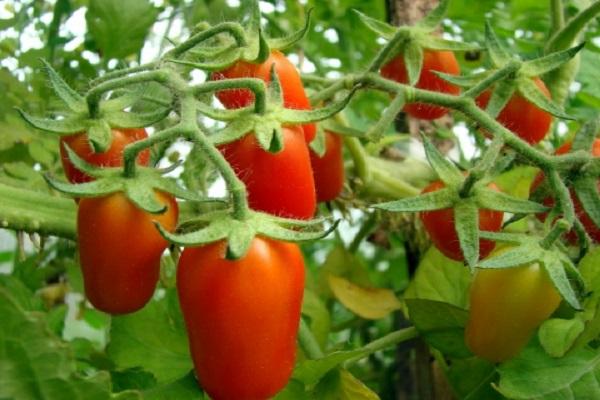
This hybrid is characterized by its medium ripening time and determinate growth habit. It takes 106 days from planting to maturity. The bush reaches 65 cm in height. The elongated fruits (6 cm long) are red-orange in color and weigh 20 g.
Tumbler
This tomato variety looks beautiful in hanging flowerpots. Its long, drooping stems reach up to 35 cm in length. It is characterized by high yields and an extremely early ripening period (50 days from planting). A single plant can yield up to 2.5 kg of small, round, red fruits with a sweet flavor.
Talismans
The plant's bushes grow up to 53 cm tall. The numerous fruits begin to ripen after 112 days. The red, round tomatoes weigh 35 g.
Red Abundance F1
This early-ripening hybrid reaches maturity in just 50 days. The bush grows to a height of no more than 20 cm. The fruits are bright red, round, and weigh up to 25 g.
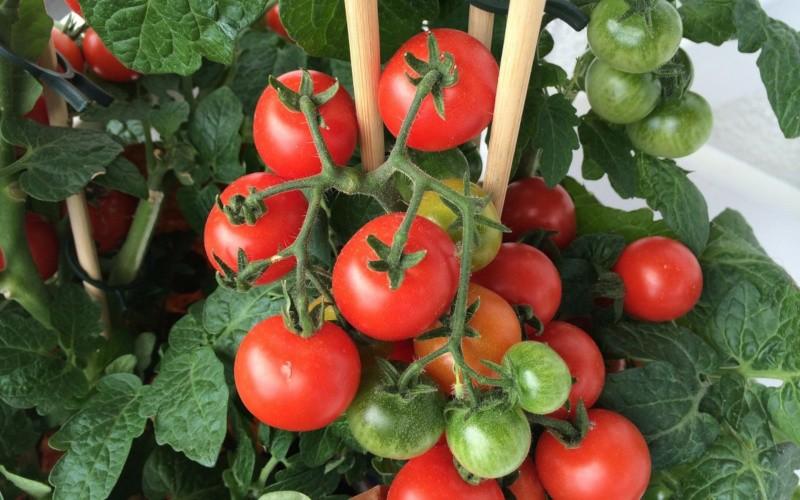
How to grow tomatoes on a windowsill
To grow tomatoes in an apartment, it is necessary to create certain conditions.
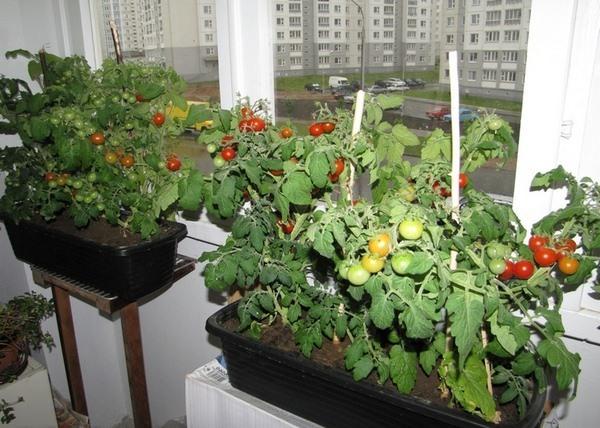
What container and soil should I plant in?
Tomato seeds can be planted at home in a separate container (peat pots are ideal) or in a large wooden box. Drainage holes should be made in the bottom of the container.The soil should be light, loose, nutritious, and well-aerated. A mixture of black soil, humus, and sand is ideal.To increase the nutritional content, wood ash or superphosphate is added.
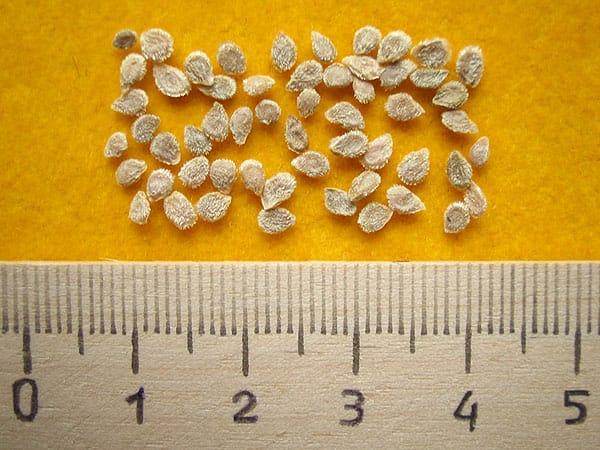
Pre-sowing seed preparation
Before planting, seeds should be selected, processed and germinated:
- Large, dense seeds are suitable for sowing. The selection process can be simplified by soaking the seeds in a salt solution for 12 minutes. The poor-quality ones will float to the surface.
- Numerous pathogenic bacteria accumulate on the surface of seeds, which become active when they reach the soil. A solution of potassium permanganate is used to disinfect the material.
- Soaking the seeds can speed up their growth. Spread the seeds on a damp cloth and leave them for a couple of days.
It is better to buy tomato seeds from well-known and trusted producers.
Direct landing
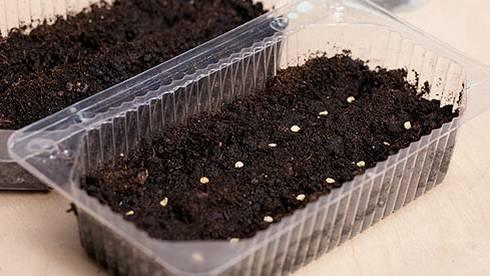
As soon as the seeds sprout, they begin to sow:
- Furrows 14 mm deep are made in the soil and watered.
- After this, the seeds are sown at intervals of 3.5 cm.
- The seeds are covered with soil.
- Cover the container with film and put it in a warm place.
The first shoots should appear in 5-7 days. During this time, the room temperature should be set at 20 degrees Celsius. How often should tomato seedlings be watered immediately after planting? Initially, it's sufficient to simply mist the seedlings with water, preventing the soil surface from drying out.
Picking
After the first pair of true leaves unfurls on the seedlings, they are pricked out. This procedure allows the seedlings to grow with a strong root system by stimulating the growth of lateral root branches. During the pricking process, pinch off approximately 12 mm of the central root. The bushes are replanted into larger flower pots with a capacity of 6-9 liters.
Transplanting seedlings to a permanent location in a large pot
Before planting tomato bushes in large pots, you should carry out a number of measures:
- a couple of days before transplanting, cut off the three lower leaves;
- watering stops three days before;
- the soil in the new pot is fertilized with superphosphate;
- the hole is made deep.
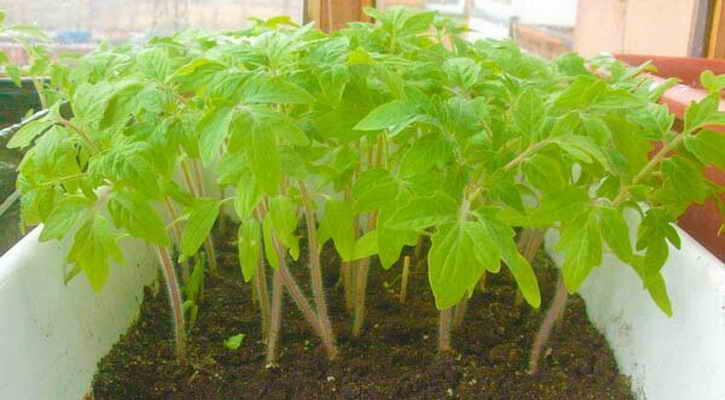
After transplanting, potted tomatoes are hilled on all sides and watered with warm water.
Peculiarities of growing on the north side
Tomato seedlings require warmth and light, so it's best to place the container on a south-facing windowsill. If the windows are north-facing, you'll definitely need to provide light for the seedlings. Sow the seeds a little earlier. Place the tomato container as close to the glass as possible. Growing techniques include installing some kind of reflective element, such as a mirror or foil.
Rules for caring for balcony tomatoes
To ensure that tomato plants grow strong and produce a bountiful harvest, they need proper and regular care.
Lighting, temperature and humidity
It's best to place tomato pots on a south-facing window. Every two days, turn the container so that the light is directed toward the plant to keep the stems straight and prevent them from stretching. In cloudy weather, provide additional lighting with phytolamps or LED lights.
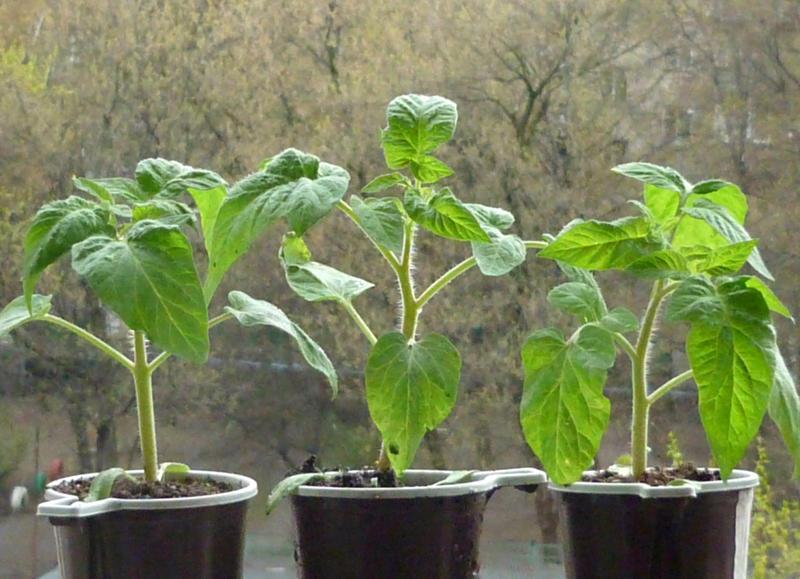
During the day, the air temperature should be 23 degrees Celsius, and slightly lower at night, to 19 degrees Celsius. Humidity in the room should not exceed 65%. High humidity leads to the development of fungal infections.
Watering and fertilizing the plant
It's important to establish proper, regular watering for indoor vegetable crops. Adequate soil moisture is essential for good growth and development. Water with warm, settled water twice every seven days. When watering, be careful not to let water get on the green parts of the plant. Watering should be stopped during flowering and resumed when the ovaries begin to form.
The first tomato feeding is done two weeks after transplanting. Then, repeat the application of mineral and organic compounds every two weeks. For better distribution of micronutrients, apply the fertilizer after watering the soil.

Pinching out and tying up the bush
For growing on a windowsill, choose varieties characterized by limited, low stem growth. However, sometimes the fruit production is so dense that support is needed for tying. To ensure proper growth, side shoots must be removed. Side shoots growing in the leaf axils are removed.
Stepchildren prevent the flow of light and air to all parts of the plant, take away many nutrients and inhibit development.
Pollinators
Indoor tomato varieties don't require pollinating insects. In some cases, pollination can be done independently. During the active flowering period, shake the stem daily or brush the flowers.
Protection from diseases and pests
Common tomato diseases include late blight, gray mold, blackleg, fusarium wilt, and cladosporiosis. Common tomato pests include whiteflies, flea beetles, spider mites, cutworms, and aphids.
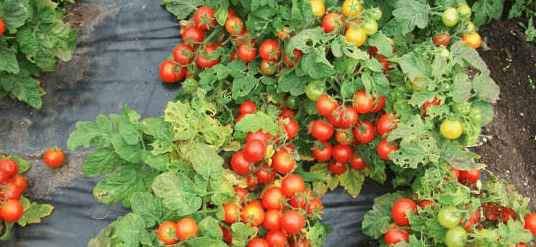
To protect tomatoes from infections and pests, disinfect the soil and seeds before planting, provide timely fertilizing and bush training, and maintain the required temperature and humidity levels in the room.
Potential growing problems
During the cultivation of tomatoes, various problems may arise:
- you may notice that the seedlings are drying out and withering;
- the leaves turn yellow and curl;
- the color fades;
- the ovaries fall off;
- Various spots appear on the leaves.
As soon as one of these symptoms appears, it's important to begin identifying the problem immediately. This will help eliminate the cause early and save the crop.
Harvesting and storage
It's best to pick slightly unripe tomatoes. Firm, undamaged tomatoes are best for storage. They should be placed in a clean wooden box in a single row, stems facing up. Line each row with paper or hardwood shavings. Store the boxes in a dark, well-ventilated area. Humidity should be 85%. The temperature should be between 2 and 6 degrees Celsius.
Related posts:
 Description of the best varieties of black tomatoes for open ground and greenhouses
 What varieties of tomatoes are best to plant in a polycarbonate greenhouse?
 What is the best way to feed tomato seedlings to make them plump?
 80 Best Eggplant Varieties for Different Regions with Descriptions and Characteristics
 Description of the best tomato varieties for pickling and canning
 The best and most productive tomato varieties for greenhouse cultivation in the Urals, with descriptions
 Description and characteristics of the sweetest tomato varieties for greenhouses and open ground
 15 simple recipes for pickling tomatoes in jars for the winter