
- Description of the variety
- Appearance
- History and origin
- Characteristics of the Klusha tomato
- Positive and negative traits of the variety
- Rules for planting tomatoes
- Choosing a location for planting tomatoes
- Preparing soil for seedlings
- Seed preparation
- Sowing seeds and obtaining seedlings
- Planting in a permanent growing location
- How to care for mature tomatoes
- Tying up
- Pinching out stepsons
- Watering
- Weeding and loosening
- Top dressing
- Diseases and pests
- Harvesting and storage
- Impressions of the variety based on reviews
Low-growing tomatoes are a favorite among gardeners. They're less hassle: they produce well without pinching or staking. Standard tomatoes take up little space, which is important for those with small garden plots. But if you're unsure which vegetable variety to choose, consider the Klusha tomato, which boasts nothing but excellent characteristics.
Description of the variety
In garden plants, both the appearance and quality of the fruit are valued. The Klusha variety has only merits in this regard.
Appearance
The tomato is a determinate variety. Its bushes are distinguished by:
- height from 50 to 60 centimeters;
- foliage density;
- compactness.
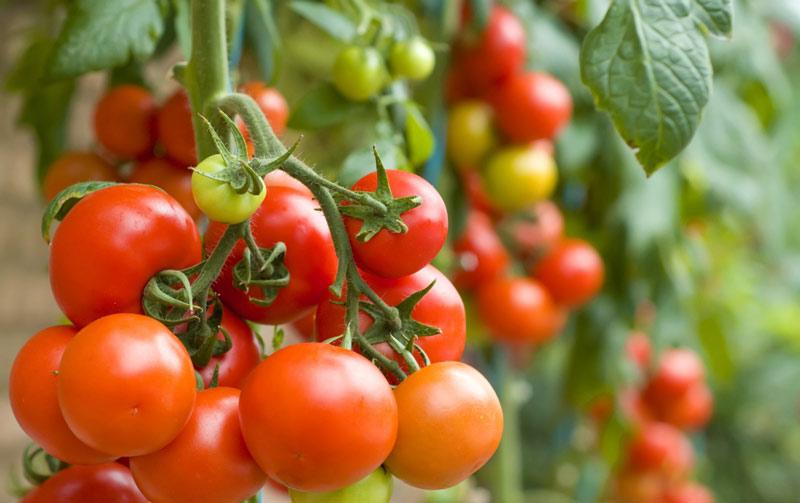
When ripening, tomatoes hide under green leaves. This is where the hybrid gets its name. The tomato bush resembles a hen, with chicks hiding under its wings.
The description of the fruits includes that they;
- round shape;
- red or pink;
- with juicy and sweet pulp;
- weighing from 90 to 150 grams.
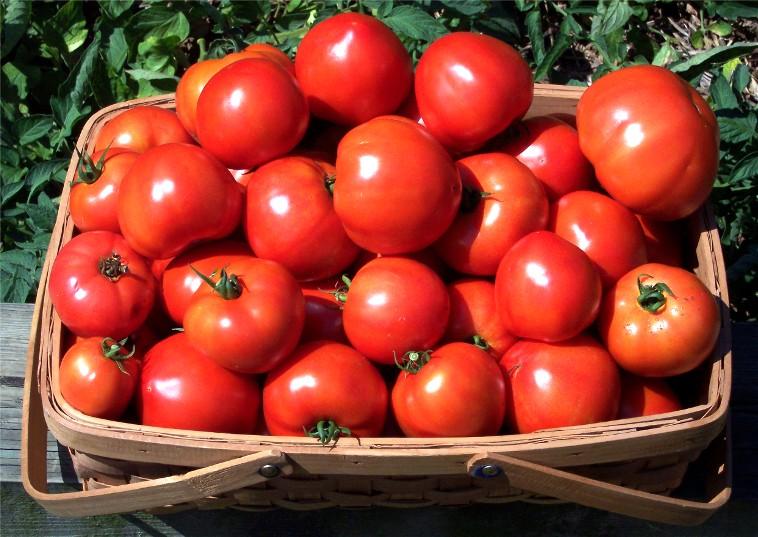
Tomatoes are prized for their versatility. They're great both fresh and preserved for the winter. Their skin is thick and doesn't crack even when exposed to hot water.
History and origin
The Klusha tomato was recently developed by Siberian breeders. It has been registered in the State Register since 2009. There are two varieties of this hybrid. Klusha tomatoes have deep red flesh, while Super Klusha has a soft pink flesh. Other characteristics are similar.
It is impossible to distinguish between a simple Klusha and a Super Klusha based on the appearance of the bush and the taste of the fruit.
Characteristics of the Klusha tomato
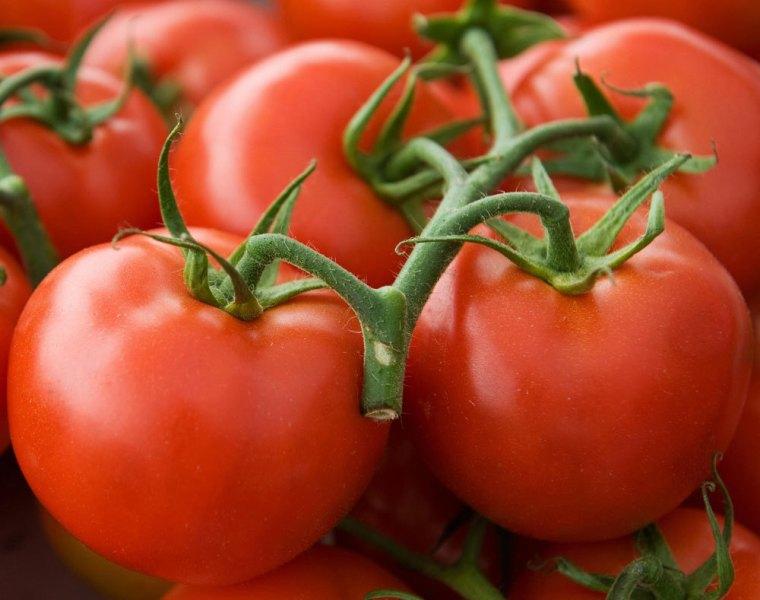
Due to its native land, this vegetable crop is grown in areas with short summers and unpredictable weather. Therefore, the Klusha tomato is suitable for a significant number of gardeners. It has many positive qualities, most notably its low maintenance and high yield.
Positive and negative traits of the variety
Choosing a tomato for growing in Siberia and the Urals is difficult. The Klusha variety is recommended for cultivation because tomatoes:
- feel comfortable in open ground and in small greenhouses;
- bear fruit consistently under any conditions;
- productive, since you can collect up to 5-10 kilograms of tomatoes from 1 square meter;
- no need to pinch off the side shoots;
- with average ripening periods, when the fruits ripen in 90-110 days.

Some people use tomatoes for growing on balconies, in pots on windowsills. Small, shaggy bushes are suitable for landscaping rooms and loggias. And there will be enough sweet, juicy fruits to enjoy with your family or to make pickles for the winter.
Rules for planting tomatoes
Tomatoes, as a heat-loving crop, require appropriate conditions. In temperate and cold climates, they are grown using seedlings.
In the south, seeds can be planted directly in open ground.
Choosing a location for planting tomatoes
Seedlings should be sown 50-60 days before planting tomatoes outdoors or in a greenhouse. Seedlings are grown in containers such as boxes or pots. Some people plant them in peat pots or containers with individual cups. Initially, the containers should be placed in a warm location, and after germination, in a sunny spot.

Preparing soil for seedlings
Tomatoes prefer nutritious soil. It's best to purchase a ready-made soil mix from a specialty store. You can also use soil from your garden, but only from areas where legumes or cabbage were grown. It's essential to disinfect the soil you've prepared yourself. To do this, soak it in boiling water or a potassium permanganate solution. Baking the soil in the oven will also kill pathogens and pest larvae. Disinfection should be carried out 2-3 weeks before planting.
Seed preparation
To ensure that Klusha tomato seeds germinate, you must:
- sort;
- immerse in a salt solution, then rinse with clean water and dry;
- etch in a solution of potassium permanganate, leaving it for 20 minutes;
- sprout by placing in damp layers of toilet paper.
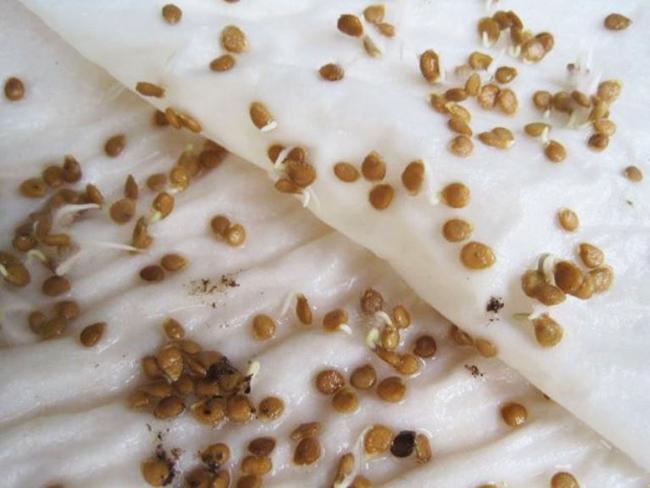
Alternating between cold and warm water helps seedlings withstand temperature fluctuations in the future. To harden, place them in the refrigerator for 1-3 days.
Sowing seeds and obtaining seedlings
Sprouted seeds are placed in soil mixture in mid-to-late March. Make furrows and plant the seedlings 1 centimeter deep. The distance between seedlings should be at least 2-3 centimeters.
If the seeds haven't been germinated, they are spread into furrows and covered with soil. After watering, cover the containers with transparent film. Provide daily ventilation. If the containers are kept in rooms with an air temperature of 23-25 degrees Celsius, seedlings will appear in 5-6 days. Then, reduce the air temperature to 20-22 degrees Celsius and open the boxes.
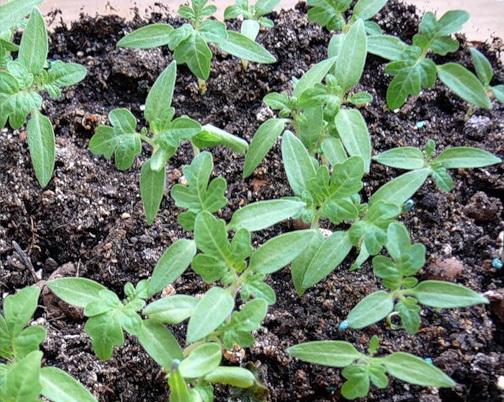
They now need light. Without enough, the seedlings will stretch out and become weak. Therefore, supplemental lighting is provided with phytolamps, positioned 30-40 centimeters above the seedlings. Caring for tomatoes is simple and involves regular watering as the top layer of soil dries out. The seedlings are pricked out when they have developed two true leaves.
A week before planting outdoors, take the boxes outside for 1-2 hours, then for the entire day. Ensure the air temperature remains constant.
Planting in a permanent growing location
For Klusha tomatoes, the optimal time for planting in a greenhouse is the second or third ten days of April. Planting in open ground is done later, in early May. It all depends on the growing region. It's best to plant in the evening.

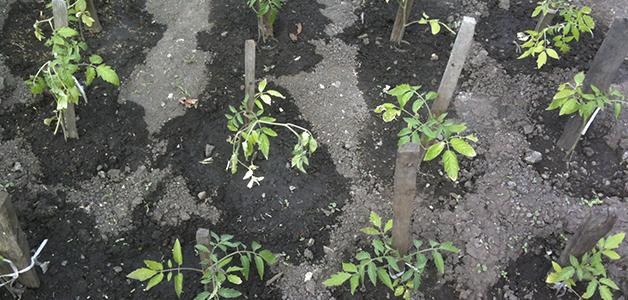
Open areas are ideal for vegetable gardening. Tomatoes need plenty of sun, otherwise they will become sour. Plant the seedlings in holes, spacing up to 6-7 per square meter. The holes should be 25 x 25 x 25 centimeters in size. Add 300 grams of humus and 50 grams of wood ash to each hole, mixed with turf soil. If you prepare the holes 2-3 days in advance, water the nutrient-rich soil with a mullein solution prepared in a 1:5 ratio.
When planting, the seedlings should be buried in the soil up to the first true leaf. If they are too overgrown, plant them deeper. Finally, water the beds with 2-3 liters of water per tomato plant.
How to care for mature tomatoes
Caring for Klusha tomatoes involves the usual procedures. The main thing is to water and fertilize the plants regularly. The soil in the bed should also be maintained, keeping it clean.
Tying up
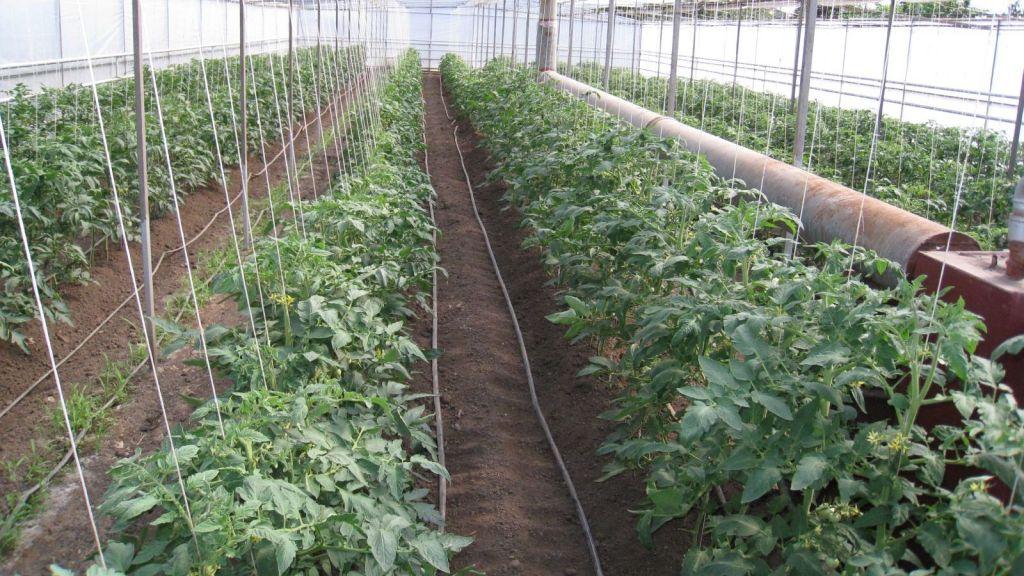
Low-growing tomatoes don't need staking. The plant's stems can easily support small fruits. However, in greenhouses, once a large crop of fruits has formed, the shoots can be tied to stakes to prevent them from breaking.
Pinching out stepsons
This procedure is optional for determinate varieties. However, the Klusha variety sometimes requires shaping the bush into 2-4 stems. This will help increase tomato yield and prevent the fruits from becoming too small. Excess foliage should also be removed from the bushes when it completely covers the fruits, preventing them from ripening quickly.

Watering
Ample watering is important for tomatoes. But don't overdo it. Reduce the frequency of watering when the plants begin to bloom. Otherwise, their growth will slow down and the flowers will fall off.
Weeding and loosening
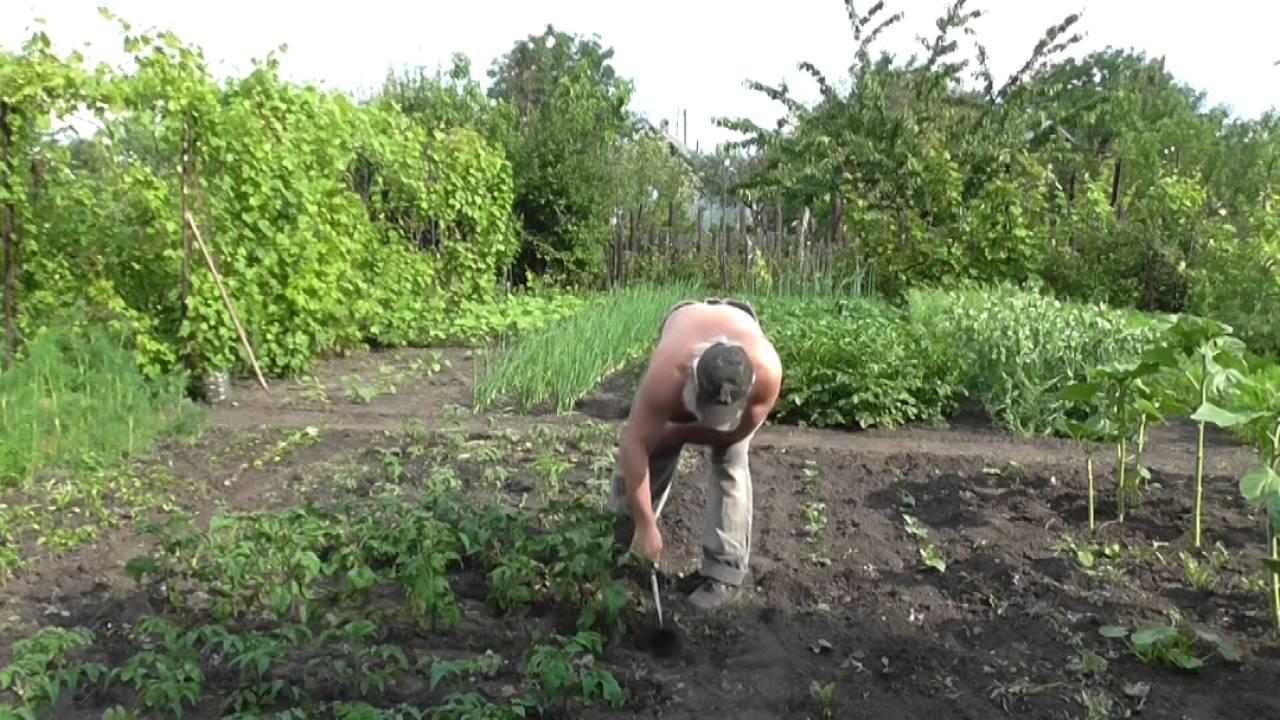
To reduce soil depletion in tomato beds, you need to weed them as weeds appear.The latter also carry pests and their larvae. Regular soil loosening is also necessary to improve air and moisture permeability. This procedure is especially necessary after rain and watering, when the soil becomes compacted.
Top dressing
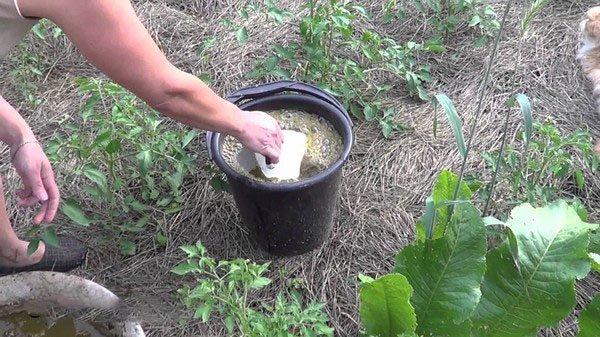
Tomato yields can be increased by fertilizing. Start by feeding organic matter, such as cow manure and poultry manure, diluted in water at a ratio of 1:5 or 1:12, respectively.
The second feeding is carried out with superphosphate (60 grams), ammonium nitrate (25 grams), potassium salt (15 grams), dissolved in 10 liters of water.
For the third application, add 30 grams of ammonium nitrate, 40 grams of superphosphate, and 70 grams of potassium salt. Then, remove the nitrogen fertilizers from the fertilizer mix, leaving the phosphorus-potassium fertilizers. These can be replaced with wood ash, 200 grams per bucket of water. Fertilize every 2-3 weeks, adding up to a liter of solution under each Klusha tomato plant.

Diseases and pests
The Klusha tomato variety is rarely susceptible to diseases, but with improper care they can occur:
- White rot affects all parts of the plant. The tissues become slimy and soft, covered with a dense white mycelium. Black, sclerotic threads are visible inside the stems. Diseased stems and leaves must be removed promptly to stop the disease. Damaged areas should be sprinkled with crushed charcoal. Wounds can also be treated with a copper sulfate solution.
- The plant's leaves curl upward due to a fungal infection. The tissue then becomes rough. The disease occurs as a result of a deficiency of phosphorus and moisture in the soil.
- The disease manifests itself as white, silvery spots on the leaves, with black dots visible. The foliage dries up and falls off. Spotting can be prevented by spraying the plants with a 1% Bordeaux mixture.
- Late blight affects tomatoes during wet seasons. Blurred brown spots appear on leaves and fruit. Affected plants are treated with Bordeaux mixture 2-3 times during the summer.
Among insect pests, the Spanish beetle poses a threat to Klusha tomatoes. They damage tomato leaves. The beetles are collected and the plants are sprayed with insecticides.
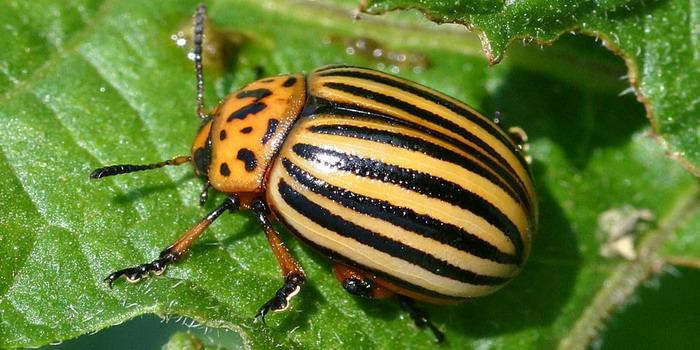
The Colorado potato beetle attacks all nightshade plants. The only way to control it is by poisoning. However, if the pest infestation is small, adults and larvae can be collected by hand.
Harvesting and storage
Tomatoes are harvested as they ripen. They are great in summer salads and slicing. Thanks to their dessert flavor, Klusha tomatoes are a favorite among children. In large harvests, they are suitable for pickling and salting. Their thick skin does not crack, so they retain their marketable appearance even in jars during the winter.
Impressions of the variety based on reviews
Those who have planted tomatoes of the Klusha or Super Klusha variety note that they:
- rarely get sick;
- high-yielding;
- ripen together;
- tasty, sweet.
Gardeners consider this to be one of the best tomato varieties. The bushes are attractive, and the fruits become sweeter when the foliage blocking them from the sun is removed during ripening.
Related posts:
 The best eggplant varieties for growing in a polycarbonate greenhouse: planting and care
 The best grape varieties for growing in the Urals, planting and care rules in summer
 Description of the best varieties of cluster tomatoes and growing rules
 Descriptions of the 20 best cherry varieties for the Moscow region, their planting and care
 Methods for planting and propagating cherries at home
 How to control carrot flies with medications and folk remedies
 Top 40 DIY New Year's Baking Recipes for 2020
 Growing and caring for hazelnuts in open ground, rules for planting hazelnuts