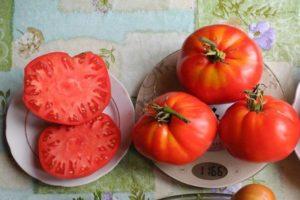
Russian breeders developed the Toptyzhka tomato for the challenging conditions of Siberia and the Far East. Among mid-season varieties, it is considered the most delicious and beautiful.
General characteristics of the variety
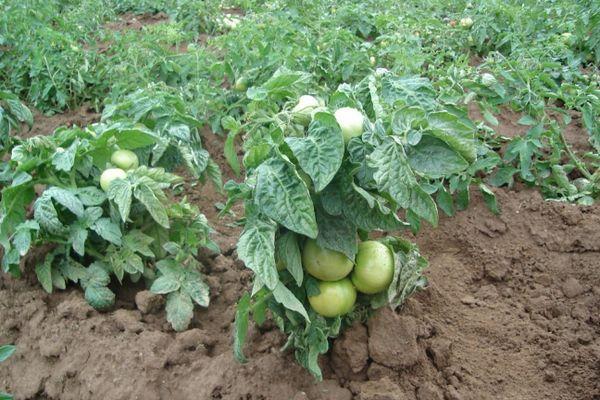
Toptyzhka tomatoes are classified as determinate standard tomatoes. This name refers to the fact that the bushes do not grow taller than 50-60 cm, are compact, and stop growing on their own after forming 4-5 flower and fruit clusters. Thanks to this characteristic, gardeners do not need to pinch the bushes in late summer to ensure a good fruit set.
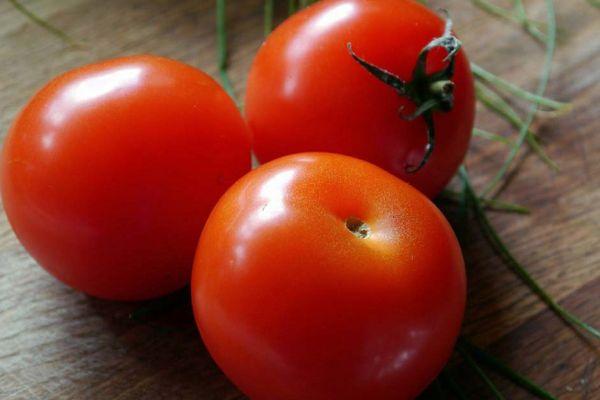
Standard varieties are generally considered to require no support. Gardeners report that the tomato stem, weighed down by the fruit, sinks into the soil and develops an additional root system. However, to achieve higher yields per unit area, vegetable growers prefer to plant tomatoes in a denser pattern. When using this technique, staking is necessary to avoid overcrowding.
Tomatoes are suitable for open ground cultivation and can be grown under plastic covers. Not everyone can spare space for them in a greenhouse: due to the low growth rate of the plant, useful space remains unused. The first harvest can be harvested 100-110 days after germination when sown as seedlings.
Benefits of fruits
The characteristics and descriptions of the fruits that gardeners harvest from their plots match the qualities stated by seed producers. Each bush produces 4-5 clusters, each containing 4-6 ovaries of approximately equal size. The tomatoes on each cluster ripen almost simultaneously. The average weight of a Toptyzhka tomato is 100-150 g, but the very first fruits can reach 200-220 g. The average yield per bush is 2.5-3 kg.
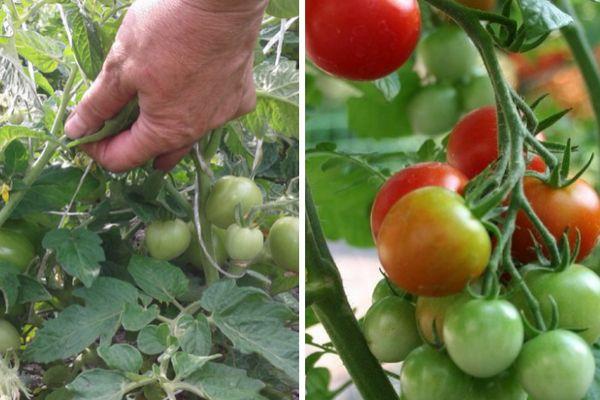
The skin is thick and resistant to cracking. The color is a rich pink with subtle light stripes; unripe fruits have a green spot near the stem. The tomatoes are round, slightly flattened, and slightly ribbed at the base.
The Toptyzhka tomato's flesh has a sweet and sour, delicate flavor and a distinct, distinctive aroma. It has been rated 4-5 on a 5-point scale for flavor. The flesh is tender and juicy, fleshy, and contains small seed chambers.
This variety was bred for salads. The attractive and tasty small tomatoes are perfect for appetizers, slicing, and sandwiches. Surplus vegetables are convenient for preserving for the winter. The fruit's dense skin does not crack during canning, and the small, calibrated tomatoes look beautiful in the jar and on the table.
Processing tomatoes into juices and sauces isn't particularly popular among home cooks. The dull flesh of tomatoes makes such preparations unappealing. However, the taste of juice or puree is quite high; tomatoes contain large amounts of lycopene, protein, and vitamins, and don't require added sugar.
Ripe tomatoes don't keep well, so it's best to pick them when they're slightly underripe (blanched). These tomatoes ripen gradually in a pantry or on a windowsill without losing their flavor.
Agrotechnical requirements
Mid-season tomatoes in the Far East and Siberia are grown exclusively from seedlings. It is recommended to sow Toptyzhka seeds 60-65 days before planting. Sowing is done using the standard method, placing the seeds to a depth of 0.5 cm.
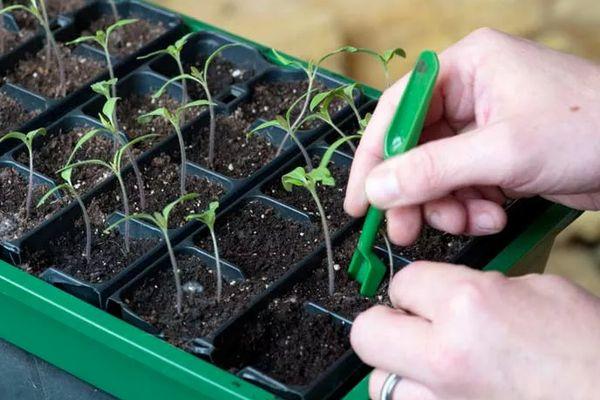
Once 1-3 leaves appear on the seedlings, tomatoes should be pricked out using a 10x10 cm pattern. To prevent the seedlings from stretching, provide illumination at home with fluorescent lamps or special lighting fixtures.
To grow tomatoes outdoors in Eastern Siberia, the "warm bed" method is used. This method utilizes the heat from decomposing organic matter (compost, manure). The organic matter is placed in a plank formwork, thoroughly watered with hot water, and covered with a layer of fertile soil (at least 40 cm thick). The beds are prepared in the fall to allow the organic matter to begin rotting in the spring. This warms the soil to a temperature suitable for growing tomatoes.

Often, arches are installed over such a greenhouse, with film or lutrasil attached to them. In the event of an unexpected cold snap, the shelter will maintain a microclimate suitable for Toptyzhka tomatoes. Plants are planted in beds according to the scheme 30x30 cm (with tying up the bushes) or 50x50 cm (without tying up).
Toptyzhka tomatoes don't require any additional feeding because they produce their fruit quickly. During dry periods, watering them once every 4-5 days is sufficient. Other care measures include weeding and timely harvesting of ripening tomatoes.
Related posts:
 Description of the best varieties of black tomatoes for open ground and greenhouses
 What varieties of tomatoes are best to plant in a polycarbonate greenhouse?
 Description of the best tomato varieties for open ground in the central zone
 The best tomato varieties for growing in the Leningrad region for greenhouses and open ground
 Description of the best tomato varieties for open ground and greenhouses in the Krasnodar region
 The best and most productive tomato varieties for greenhouse cultivation in the Urals, with descriptions
 Description and characteristics of the sweetest tomato varieties for greenhouses and open ground
 16 Best Quick Pickled Tomato Recipes for the Winter