
The Benito F1 tomato was created by crossing several varieties, resulting in a new first-generation tomato variety. Benito F1 combines the best qualities of other tomatoes, allowing gardeners to achieve high yields.
This tomato was developed by Dutch breeders, whose goal was to create a variety resilient to weather and climate fluctuations. It thrives in both full- and low-light areas. Low-light conditions do not affect yield or plant growth. The fruits ripen uniformly, allowing for a high yield of tasty, juicy fruit from each plant. According to reviews from gardeners who have grown this tomato, it is easy to maintain and resistant to diseases and pests.
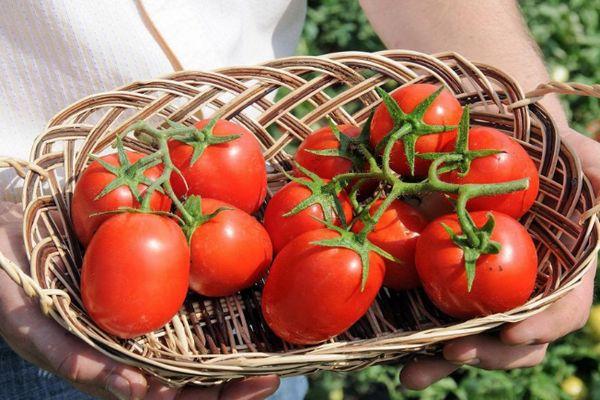
What is a Benito tomato?
Characteristics and description of the variety:
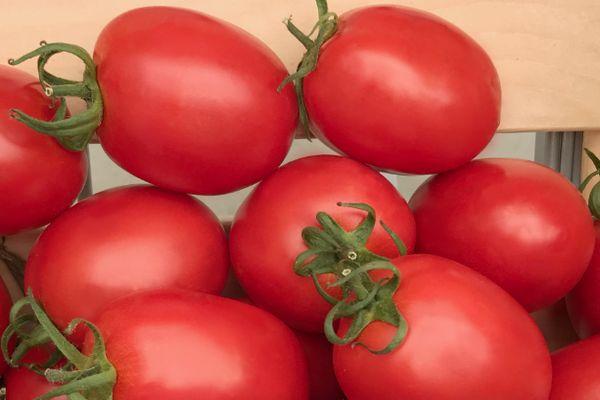
- plum-shaped, elongated;
- the ribbing on the fruits is weakly expressed in the area of the stalk;
- Benito f1 tomato bushes look decorative on the plot;
- For its excellent taste, this variety is appreciated by gourmets of fresh vegetables;
- mid-season variety;
- determinate, standard plant;
- During growth, the bushes gain a little green mass with simple leaves;
- Benito tomatoes ripen in clusters; 5-7 fruits are formed on each branch;
- You can get up to 8 kg of tomatoes from 1 bush.
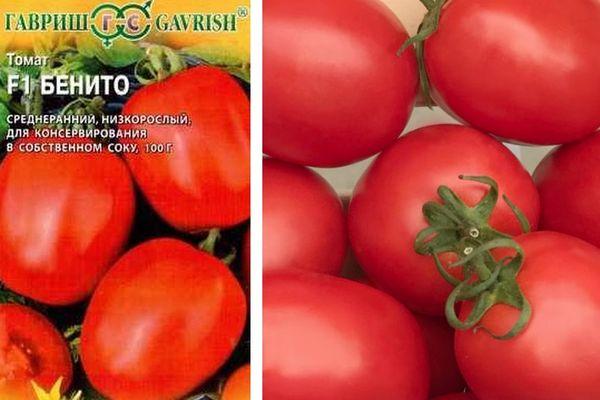
The description of the Benito tomato fruit is as follows:
- the weight of 1 fruit varies from 100 to 140 g;
- ripe fruits are deep red in color;
- tomatoes are covered with a dense, glossy skin that is elastic;
- the skin does not crack during ripening and transportation, so the Benito variety is suitable for long-distance transportation;
- the fruits taste sweet; no water;
- contains a large amount of dry matter and sugars;
- The pulp inside the fruit is dense; there are few seeds.
The Benito tomato's description should be supplemented by the fact that this variety is ideal for growing outdoors, in plastic greenhouses, shelters, and hothouses. Gardeners' reviews indicate that this tomato variety grows and produces fruit well in the Far East, the Urals, and Siberia.

This variety has excellent shelf life. If green tomatoes are picked and stored in crates, they will ripen at room temperature. Benito tomatoes are used in soups, sauces, purees, and salads. Many eat these delicious tomatoes fresh or as part of other dishes. Benito tomatoes can also be used as a garnish for sandwiches.
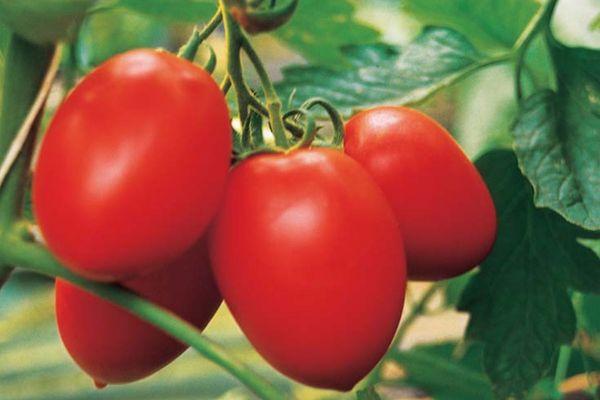
Ripe tomatoes can be used to make tomato juice, which will have a rich flavor and consistency. The fruits are excellent for canning, as they don't crack when poured into hot marinade.
Advantages of Benito tomato:
- excellent taste;
- no need to tie to supports;
- suitable for preparing various tomato dishes;
- resistant to such types of nightshade diseases as mosaic, fusarium, and verticillium wilt.
How are tomatoes grown?
Let's look at how to grow tomatoes. Seeds for seedlings should be sown in containers in the first half of March. Before sowing, the seeds should be soaked in aloe vera juice or a growth stimulant. Benito F1 seeds undergo a mandatory disinfection procedure before being packaged, so they do not need to be treated with potassium permanganate. If, however, a gardener wishes to treat them as a preventative measure, the seeds are placed in a weak solution of potassium permanganate for half an hour to an hour.
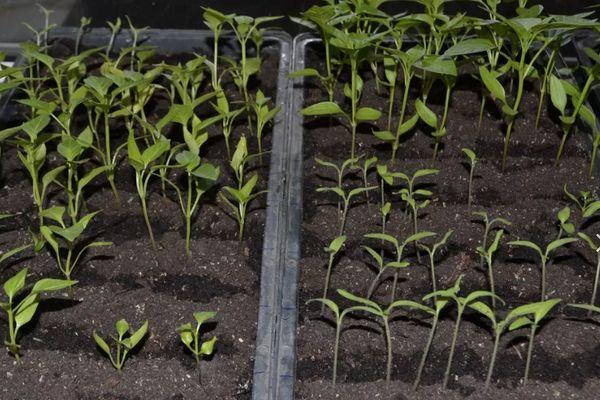
The soil placed in the boxes before sowing should be nutritious, light, and rich in minerals. It is recommended to use turf or garden soil, then amended with peat or humus.
The seeds are planted 2 cm deep in the soil. After sprinkling the seeds with warm water, the pots should be covered with plastic wrap to speed up germination.
When the sprouts emerge from the ground, the pots with them are placed in the sun or under fluorescent lamps. The sprouts need to be watered from a watering can or spray bottle, using warm, preferably settled water. Pricking out is done when the first pair of leaves appears. Fertilizing is done with a complex fertilizer.
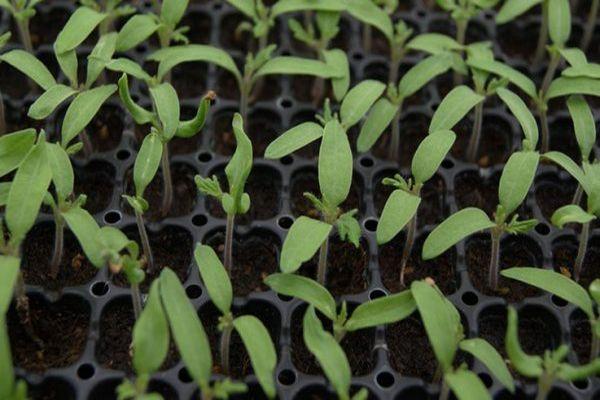
Seedlings are planted in the ground, either in a greenhouse or outdoors, in the second half of May or the first half of June. Before transplanting the plants into the ground, the soil should be loosened and fertilized with wood ash and superphosphate. Three to four bushes are planted per 1 m² area.
Use warm water for watering and fertilize once every two weeks. For this purpose, it's best to use fertilizers containing phosphorus and potassium. Mineral fertilizers are usually alternated with organic ones.
The first harvest can be obtained 95-113 days after sowing the seeds for seedlings. As a preventative measure, copper-containing preparations are effective against late blight. The development of rot can be prevented by treating the bushes with phytosporin, ensuring proper ventilation, loosening the soil, and mulching.
Related posts:
 80 Best Eggplant Varieties for Different Regions with Descriptions and Characteristics
 The best grape varieties for growing in the Urals, planting and care rules in summer
 50 Best Pumpkin Varieties with Descriptions and Characteristics for Outdoor Planting
 Descriptions of the 20 best cherry varieties for the Moscow region, their planting and care
 Beginner's Guide to Growing Grapes in Open Ground in Central Russia
 Description and characteristics of the 60 best sea buckthorn varieties, how to choose depending on the region
 The best eggplant varieties for growing in a polycarbonate greenhouse: planting and care
 Description of 30 varieties and types of Muscat grapes, planting, cultivation and care