
The Milashka tomato is intended for open-field cultivation in southern Russia. However, it can also be grown in a plastic or glass greenhouse in the vast expanses of Siberia and central Russia. This tomato is suitable for fresh consumption and canning.
Characteristics of the variety
The characteristics and description of the Milashka variety are as follows:
- The tomato bush is quite low, growing to a height of 0.5–1.0 m.
- The first harvest is possible 84-100 days after sowing the seeds.
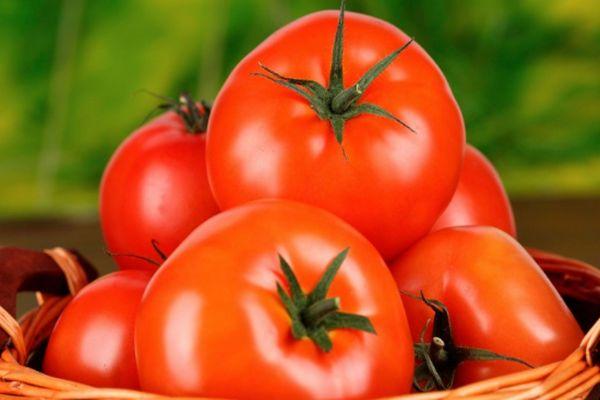
- The diameter of the fruit is small, the color is red, the shape of the berries is spherical.
- The weight of 1 fruit is about 40-50 g. The inside is fleshy, and the tomato tastes a little sour.
Reviews from gardeners growing this variety are positive. Farmers note the plant's undemanding growing conditions. The tomato demonstrates good tolerance to changing weather conditions.
When growing the Milashka tomato in central Russia and Siberia, its ability to withstand sudden cold snaps was demonstrated. The plant exhibits good resistance to late blight, but it must be protected from other diseases; for example, the bushes are often susceptible to fungal and viral infections.
This tomato variety has a fairly high yield. A single plant can yield 4 to 5 kg of fruit. Farmers note that the Milashka variety produces the highest yields when seedlings are planted in soil previously occupied by zucchini or cucumbers. Dill, cauliflower, carrots, and parsley can be used as precursors to this tomato.
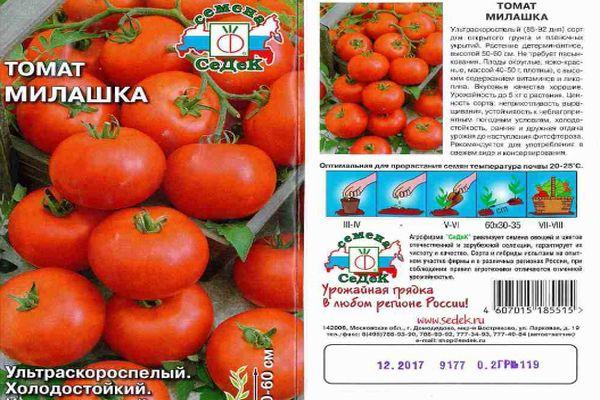
Gardeners point out that in many cases, tomato plants don't grow taller than 0.6 m, so they don't require staking or special supports. The branches can support the weight of the emerging fruit. However, if the plant reaches 1.0 m, which may happen when planted in a greenhouse, it should be tied up and side shoots removed promptly.
Take a look Also
How to grow Milashka tomatoes?
The plant seeds are sown in the ground at the end of March. Before planting, nitrogen fertilizer or manure is added to the soil. To do this, dig holes up to 10 mm deep, add the fertilizer and seeds, and then water the soil with warm water.
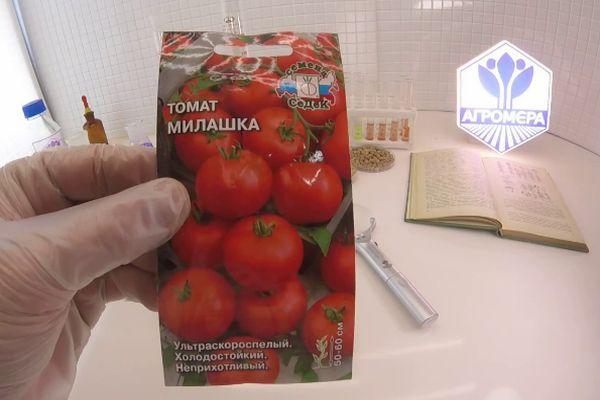
After 5-6 days, when sprouts appear and the first leaves develop, transplant the seedlings. The plants are hardened off using common methods, and then transferred to open ground or a greenhouse. This usually happens in late April. The sprouts are planted in 0.5 x 0.4 m grids, with 7 to 9 plants per square meter. The bush is trained into 3-4 stems.
Before planting, dig furrows up to 8 cm deep into the soil. Add a complete fertilizer. The roots of each plant should be covered with soil. Afterwards, loosen the soil in the beds.
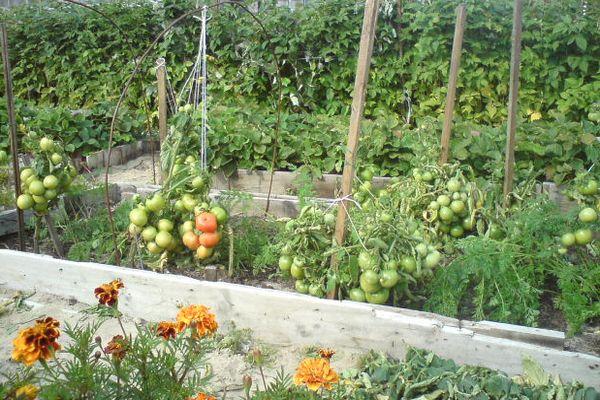
Water daily, using a moderate amount of warm water. To prevent plant diseases, weeding and loosening the soil in the beds are recommended 2-3 times every 7 days. Fertilize tomatoes with mineral fertilizers containing nitrogen, potassium, and phosphorus 2-3 times throughout the growing season. After the ovaries appear, it is necessary to add the required amount of complex fertilizers to the soil.
Although this variety can withstand adverse weather conditions and sudden cold snaps, experimenting with it is not recommended, as it can result in a loss of up to 20-30% of the harvest.
If signs of a fungal or viral infection, such as tobacco mosaic virus, appear, it's best to take protective measures: treat the plant leaves with appropriate chemicals that kill fungi or viruses. Various garden pests, such as aphids and Colorado potato beetles, can infest tomato plants. To control them, it's recommended to use folk remedies or suitable industrial pesticides.
Related posts:
 When and how to properly transplant tomato seedlings, the best days in 2025
 Description of the best varieties of black tomatoes for open ground and greenhouses
 The best grape varieties for growing in the Urals, planting and care rules in summer
 Methods for planting and propagating cherries at home
 Favorable planting days for tomatoes in March 2025, when is the best time to sow
 Characteristics and description of the Sprut tomato variety, yield and cultivation
 The best eggplant varieties for growing in a polycarbonate greenhouse: planting and care
 Description of varieties of sowing peas and cultivation, to which family they belong
