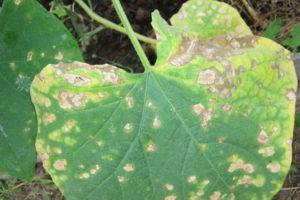
The Director cucumber was bred by Dutch agrobiologists. This hybrid boasts resistance to major diseases, high yields, and a long fruiting period.
Advantages of a hybrid
The Director f1 cucumber is listed in the State Register of Breeding Achievements and rightfully bears the title "Plantation Manager." This parthenocarpic hybrid was developed for outdoor cultivation.
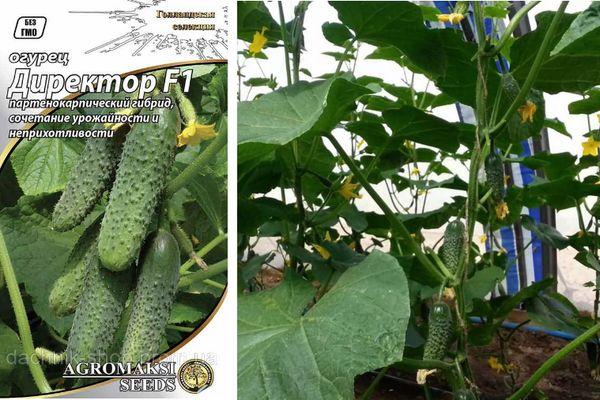
Experienced gardeners grow it in isolated greenhouses, under hermetically sealed non-woven fabric, in conditions preventing pollination. Cucumbers of this variety are open-growing plants, so they require stem shaping.
The Director cucumber variety can be grown in greenhouses and open ground conditions during the summer and fall. According to gardeners, the cucumbers have an attractive appearance.
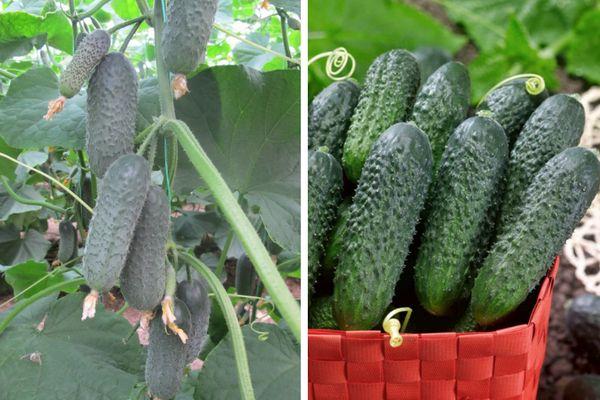
The fruits ripen 40-45 days after germination. The vine produces numerous lateral shoots with clustered ovaries. Up to three female flowers form in a single axil.
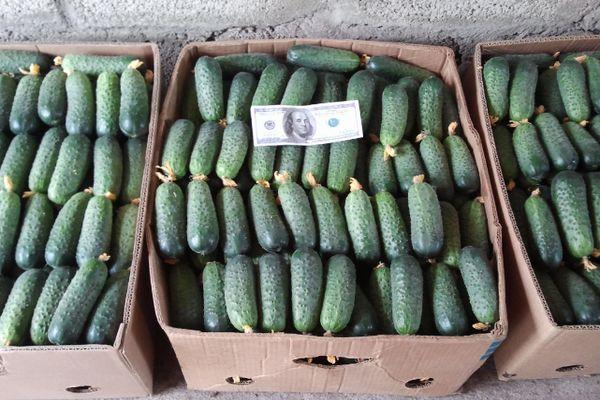
The description of external characteristics indicates a cylindrical shape with a smooth skin. Cucumbers are 9.8-12.8 cm long, with a cross-sectional diameter of 2.8-3.8 cm. Fruit weight reaches 66-98 g. In open ground, yields range from 300-390 c/ha.
These cucumbers boast excellent flavor, dense, and moderately crunchy flesh. The fruits are uniform in size, intensely green, and free of white stripes.
With proper cultivation practices and proper fertilization, cucumbers are free of bitterness. Cucumbers are used in salads, cold soups, lemonade, and canning. The Director variety adds a refined flavor to cucumber dishes.
The variety's description highlights its high disease resistance and long fruiting period. The plant is capable of recovering from mechanical damage and thrives in areas with limited sunlight.
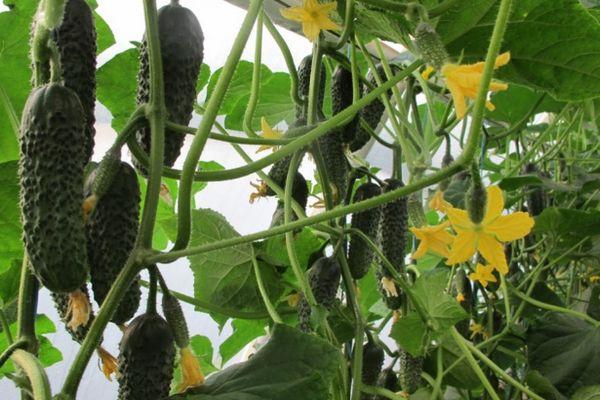
During the growing season, a vigorous plant develops that requires little care. Its adaptability to temperature fluctuations allows this cucumber variety to be sown earlier than expected. Two harvests can be harvested during the season.
Feedback from gardeners indicates the need to regulate the load on the root system by promptly removing side shoots.
Cultivation techniques
A common method of cultivation is sowing seeds. To speed up the emergence of the first shoots, soak the seeds in water or a growth stimulant. The depth of sowing should not exceed 4 cm. Space the seeds 50 cm apart.
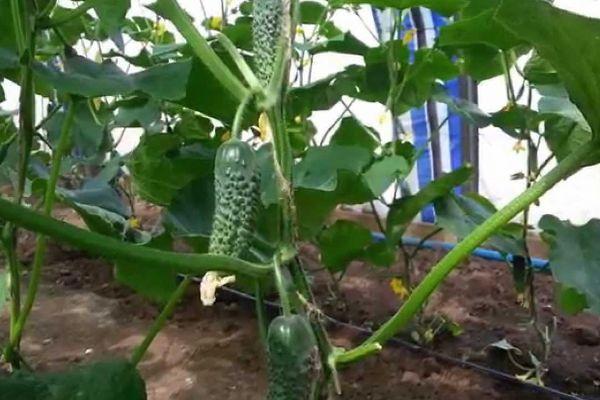
Experienced vegetable growers recommend planting no more than two seeds per hole, allowing for seedling culling after true leaves emerge. Gardeners' reviews indicate that the optimal time for sowing the Director hybrid is early May.
It's important to ensure the air temperature is between 22 and 24°C, and the soil is warmed to 14 and 16°C. To protect the seeds, the prepared bed is treated with an aqueous solution of potassium permanganate before sowing.
When growing cucumbers, it's important to consider crop rotation. Potatoes and cabbage are the best predecessors for the Director hybrid. Given that the plant doesn't require much light, a shaded area can be chosen for planting.
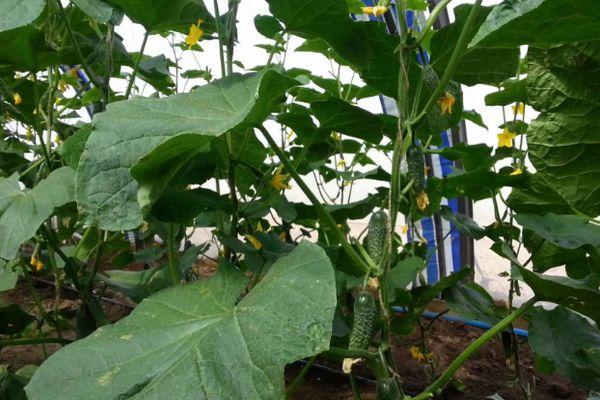
To grow an early cucumber harvest, use the seedling method. To do this, place the seeds in individual containers filled with a substrate or prepared vegetable potting mix. To avoid damaging the root system when transplanting to a permanent location, you can use peat pots.
Before planting the seeds, water them with a microbiological fertilizer according to the manufacturer's instructions. Place the seeds in the container at a depth of 2 cm. After the first true leaves appear, apply a complex fertilizer.
In the main bed, Director hybrid seedlings can be planted in a staggered pattern, spaced 50-60 cm apart. The row spacing should be 80-100 cm. Three to four plants can be planted per square meter.
Caring for the crop requires adherence to agricultural practices. If the hybrid is grown indoors, watering should be done when the surface soil first dries out.
On hot days, the bed can be watered daily with warm water. Fertilizing the root system with organic fertilizer should be done 3-4 times per season. For this purpose, use a specially prepared aqueous solution of bird droppings or manure.
Foliar feeding with mineral fertilizers is performed at intervals of 10-14 days. If cucumbers are grown outdoors, stem training should be performed. Mulching is recommended to regulate humidity, ensure drip irrigation, and prevent weed growth.
Related posts:
 Description of the best varieties of Chinese cucumbers, planting, growing and care
 TOP 30 best varieties of cold-resistant cucumbers with descriptions and characteristics
 Description of the best varieties of bee-pollinated cucumbers, rules for their formation and care
 Description of unusual methods for planting and growing cucumbers
 How to plant cucumbers in open ground under film: timing and cultivation technology
 TOP 10 recipes for quickly preparing lightly salted crispy cucumbers using cold and hot methods in a saucepan
 How to prepare pickled cucumbers in adjika for the winter without sterilization and Caucasian style: recipes
 Can you preserve and pickle Zozulya cucumbers? The best winter recipes with tomatoes, peppers, and rowan berries.