
- Who is the causative agent of the disease?
- Causes and factors of late blight on cucumbers
- Signs of bush infection
- What danger does it pose to the plantings?
- How and when to treat cucumbers
- Folk remedies
- Garlic infusion with potassium permanganate
- Wood ash
- Whey or kefir
- Chemicals
- How to treat the soil after cucumbers are infected with late blight
- Can you eat infected cucumbers?
- Disease prevention
Late blight on cucumber plants reduces the taste of the vegetables and can even lead to plant death. Proper care and following recommendations will reduce the risk of fungal infection. For prevention, it is recommended to use special methods that prevent the disease from developing in its early stages.
Who is the causative agent of the disease?
Late blight is caused by the Phytophthora fungus, which can penetrate plants and accumulate in large numbers, damaging the crop. The fungus is highly resistant to attack and is not washed away by water.
It is especially common due to nutrient deficiencies and improper care. The disease can affect not only the above-ground portion of the plant but also the roots, quickly spreading to healthy plants.
Causes and factors of late blight on cucumbers
The following types of reasons most often lead to diseases on cucumbers:
- untreated seeds that contain fungal spores;
- excessive amount of lime in the soil;
- insufficient oxygen in greenhouses;
- improper application of nutrients to the soil;
- temperature fluctuations during the day;
- a large amount of moisture.
Factors that can trigger the appearance of late blight symptoms:
- improper watering;
- lack of timely treatment and removal of infected bushes;
- lack of preventive measures.
Very often, gardeners make mistakes such as watering crops from a hose, which leads to the emergence of disease and the rapid infection of healthy plants.
Signs of bush infection
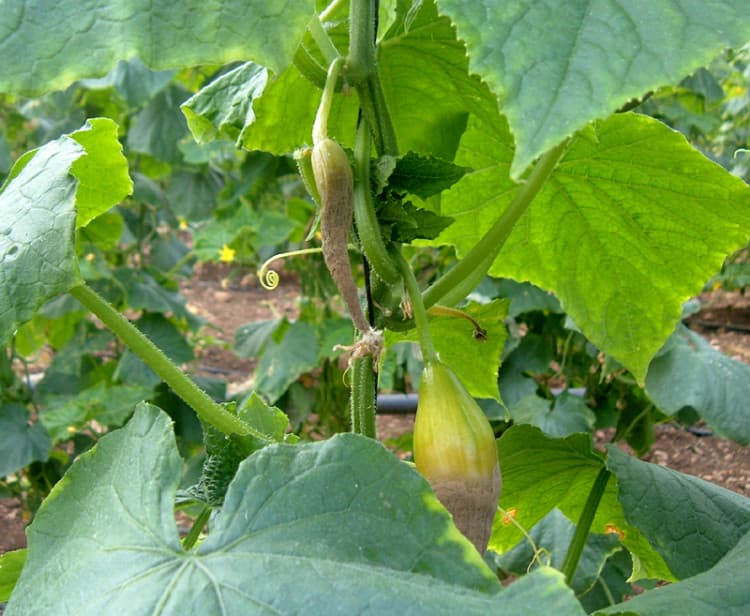
The disease can be recognized by the following symptoms:
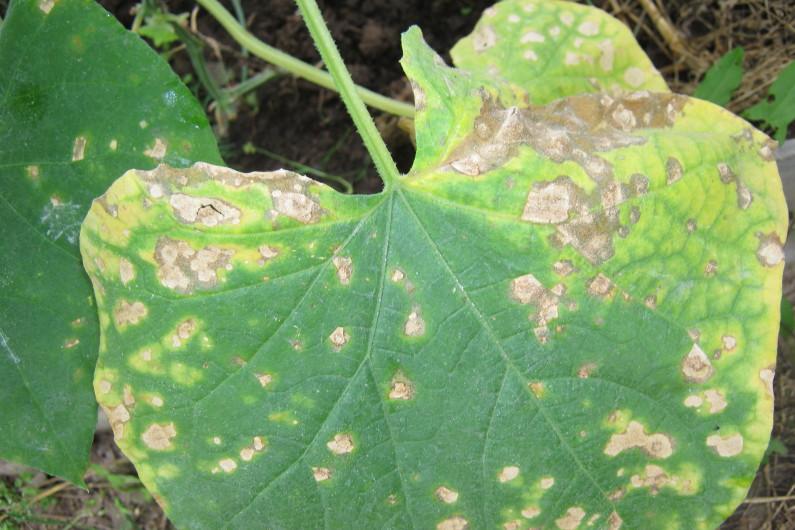
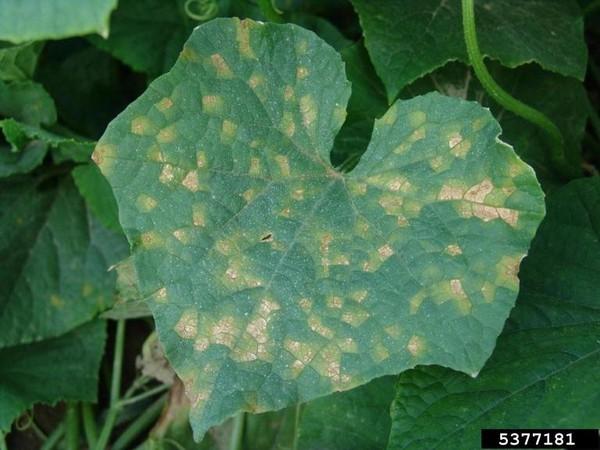
- formation of dark spots on the leaves of bushes;
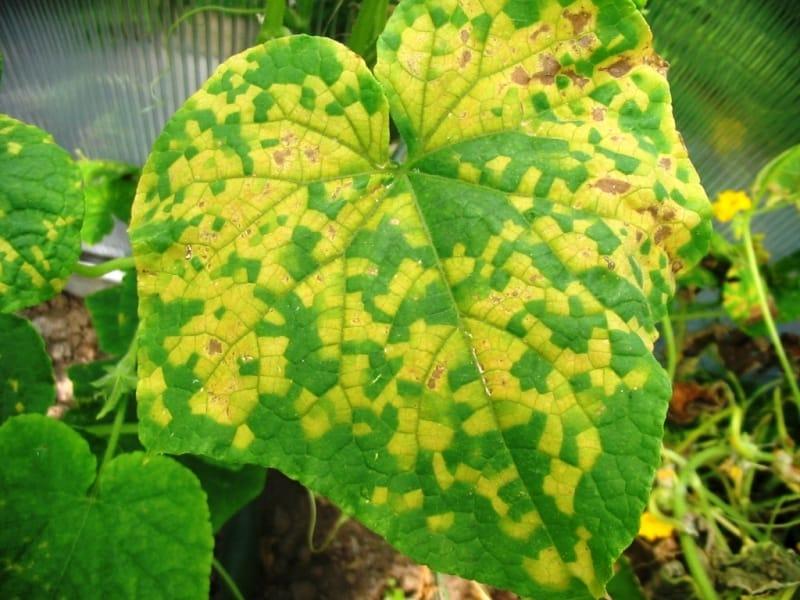
- the leaves curl into tubes, turn yellow and gradually wither;
- the fruits turn black and begin to rot;
- the ovaries dry up;
- no ovaries;
- the plant stops developing.
The development of a disease can also be signaled by the formation of an unpleasant rotten smell in the garden beds. When rot occurs, harmful insects, attracted by the smell, often appear on vegetables.

What danger does it pose to the plantings?
Most often, the harmful fungus multiplies on the leaves and shoots of the plant; the spores quickly migrate to healthy plants and infect them. As a result, the plants gradually begin to wilt and die. Another danger is the possibility of spores entering the soil, which can further spread the infection throughout the garden.
How and when to treat cucumbers
The plant should be treated before the onset of the disease and at the first signs of symptoms. Advanced cases of the disease are not treatable, and removal of such plants is recommended.
Folk remedies
You can eliminate the symptoms of the disease by using traditional methods, which have repeatedly proven effective in treating cucumber bushes.
These methods do not affect the taste of the crop and do not influence the development of the plant.
Garlic infusion with potassium permanganate
This method eliminates fungal spores and prevents re-infection. It is effective when applied at the first signs of infection. It is used before fruit sets on the bushes.
To prepare the infusion you will need:
- Mix 2 cups of finely chopped garlic with 10 liters of warm water;
- leave for 24 hours;
- Strain the infusion and add 2 grams of manganese.
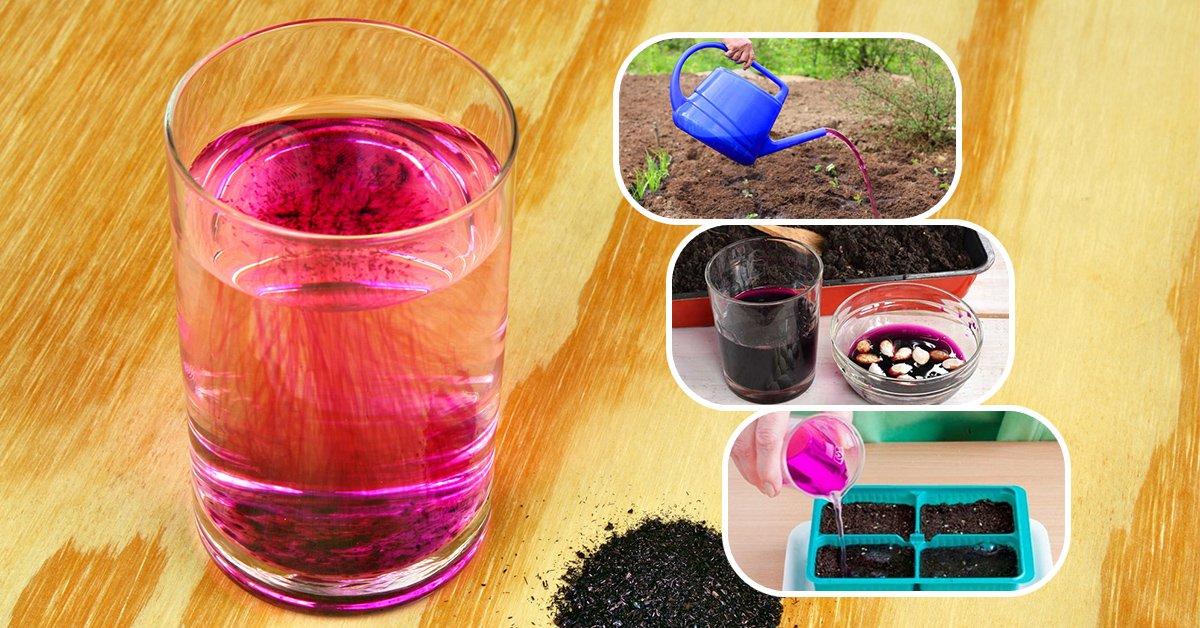
Treatment is carried out using a sprayer. Repeat spraying should be carried out after 10 days, and subsequent treatments should be carried out every two weeks.
Wood ash
Apply after transplanting the crop into the soil, before inflorescence formation, and after the flowers have fallen. To achieve the desired effect, prepare the following mixture:
- 1.5 kg of ash is mixed in 5 liters of water;
- the resulting composition is covered with a lid and left in a dark place for three days;
- Add 10 liters of water and 2 tablespoons of liquid laundry soap and leave for several hours, stirring thoroughly.
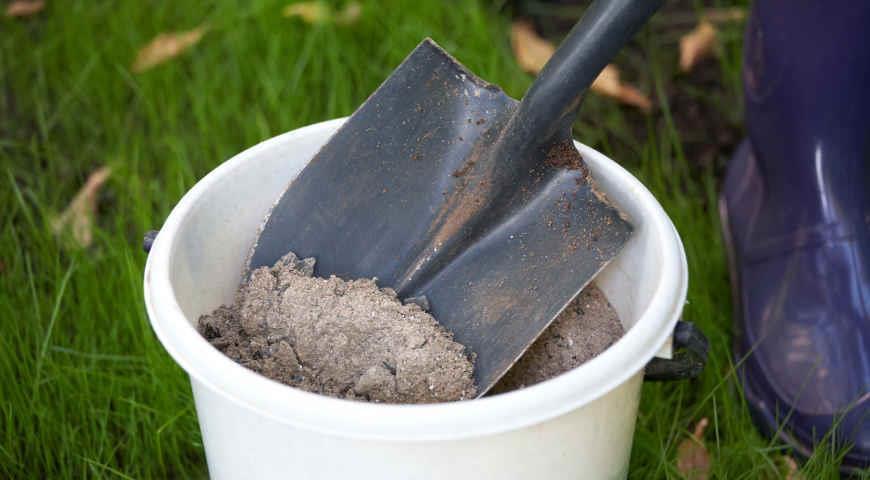
Spray the plant with a spray bottle.
Whey or kefir
You can treat cucumbers with dairy products every seven days. To prepare the solution, you need:
- a liter of whey is mixed in 10 liters of warm water;
- the mixture is left for 2 days until foam appears;
- The composition is thoroughly mixed and used for spraying cucumber beds.
This mixture not only eliminates symptoms and prevents re-infestation but also repels harmful insects. The solution can be used on the above-ground portion of the plant and as a nutrient for the roots.

Chemicals
If symptoms of late blight occur, chemicals must be used in large quantities. The following substances can be used:
- spraying with Bordeaux mixture (20 ml per three liters of water);
- spraying with a solution of copper sulfate (mix 2 tablespoons in 10 liters of warm water);
- drug "Topaz";
- treatment with the drug "Fitosporin" according to the instructions.
Chemical treatments are used before inflorescences appear or after fruit formation. A disadvantage of these methods is that the fruit is not eaten for 10 days, depending on the number of chemical treatments.

Trichopolum and Metronidazole tablets can also be used to treat the disease. To treat, dissolve one tablet in a liter of water and spray the crop. Spraying should be done in the evening, on a calm day.
How to treat the soil after cucumbers are infected with late blight
After damaged cucumber plants are removed from the soil, most of the spores remain. To reduce the recurrence of the disease, it is necessary to properly and promptly treat the soil. Soil treatment can be accomplished with the following products:
- a solution of copper sulfate, which is used to water the beds and carefully dig them up;
- a weak solution of manganese, you need to mix 2 grams of manganese in 10 liters of water and water the bed;
- scatter wood ash over the area and dig it up;
- Fitosporin solution, 10 grams of substance per liter of warm water.

Before treatment, all damaged bushes and leaves are removed, the soil is dug up and thoroughly dried.
Important: Soil preparation and disinfection should be carried out in the fall to allow the treatments to take effect. Otherwise, re-infestation with late blight may occur.
Can you eat infected cucumbers?
Vegetables affected by late blight typically spoil very quickly. However, if the harvest is successfully completed, these vegetables are safe to eat, as the disease does not pose a health risk.
However, such cucumbers have an unpleasant appearance and poor taste.
Gardeners advise against using damaged vegetables for winter preservation, as the processing increases acidity. Such preserves spoil quickly and can lead to food poisoning.
Take a look Also
Disease prevention
To prevent diseases from recurring the following season, it is necessary to properly treat the area and follow these rules:
- choose cucumber varieties that are immune to this type of disease;
- do not plant cucumbers in the same place for the next season;
- When using a greenhouse for growing seedlings, it is necessary to regularly ventilate the room;
- Damaged bushes must be removed and burned so that they do not have time to infect the soil with fungal spores;
- Before planting in the ground, cucumber seeds must be treated with a light solution of manganese;
- Before planting seedlings, potassium-phosphorus fertilizers are added to the soil.
Proper care during growth is also crucial. Watering should be moderated, as excessive moisture promotes disease. Regular soil aeration is also essential to oxygenate the roots. After planting the seedlings, use specialized products to prevent late blight on cucumber plants. Mulch, which protects plants from fungus, is also an effective preventative measure.
Late blight on cucumbers is a common problem for many gardeners. To reduce the risk of crop loss, it's important to follow proper plant care and regularly fertilize the soil. In some cases, it's best to remove the affected plant to reduce the risk of infecting healthy plants.
Related posts:
 How to combat powdery mildew on onions using folk and chemical remedies
 Causes of anthracnose in cucumbers and treatment with folk remedies and medications
 Description of unusual methods for planting and growing cucumbers
 How to properly plant cucumbers in open ground with seeds, and at what depth
 How to control onion flies using natural and chemical methods
 How to care for cucumbers in open ground from planting to harvesting
 Description of the best varieties of Chinese cucumbers, planting, growing and care
 How to make a cucumber trellis with your own hands from scrap materials