
- Characteristics of the disease
- Causes and sources of infection
- How does anthracnose spread?
- Symptoms of cucumber damage
- How dangerous is this disease for a plant?
- How to combat anthracnose
- Folk remedies for treatment
- Use of fungicides
- Treatment with Bordeaux mixture
- Spraying with copper oxide chlorine suspension
- Root watering as an effective control
- Prevention
In addition to specific diseases, garden crops are susceptible to diseases common to all plants. Anthracnose on cucumbers can spread to neighboring plants. If this fungal disease is detected early, you can save the entire vegetable harvest.
Characteristics of the disease
Anthracnose is characterized by its onset under specific weather conditions. The fungus penetrates plant tissue quickly if proper agricultural practices are not followed. Plants must be treated at the first signs of disease. Advanced stages of the disease are difficult to completely cure.
Causes and sources of infection
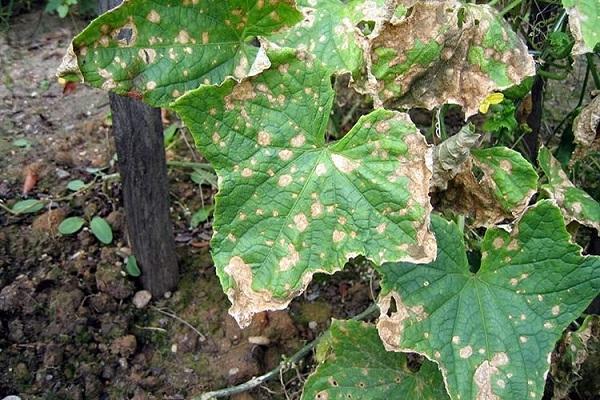
The presence of a pathogenic fungus can be detected by the presence of spots on the green parts of the cucumber plant. The pathogen survives for a long time in cucumber seeds. By removing affected leaves and leaving them near the cucumber bed, gardeners create conditions for anthracnose to infect the vegetable crop in the future.
The source of infection may be the soil in the cucumber garden. Fungal spores are spread by wind, precipitation, and insects.
If the greenhouse is not disinfected before planting vegetables, the plants will become sick more than once during the growing season. Gardening tools and the gardener's hands can be carriers of the infection. Without gloves, people pluck fungus-infected vines. The fungus then spreads to healthy plants, infecting them with pathogenic microorganisms. Fungi infect cucumber beds more quickly if the plants are densely planted and lack light and air.
How does anthracnose spread?
A characteristic feature of anthracnose pathogens is that they become active only when:
- hot weather, when the temperature outside is above 27 degrees Celsius;
- the greenhouse is not ventilated;
- humidity exceeds 85-90%;
- dense plantings.
The incubation period for the disease lasts from 3 to 6 days. If the weather is unfavorable for the development of pathogenic fungi, the spread of the disease may be temporarily halted.
Symptoms of cucumber damage
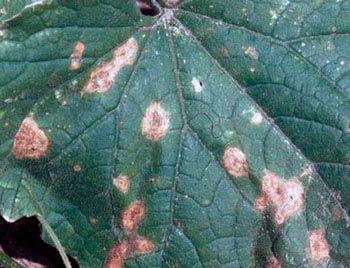
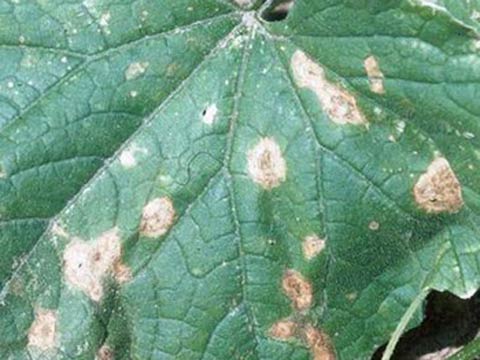
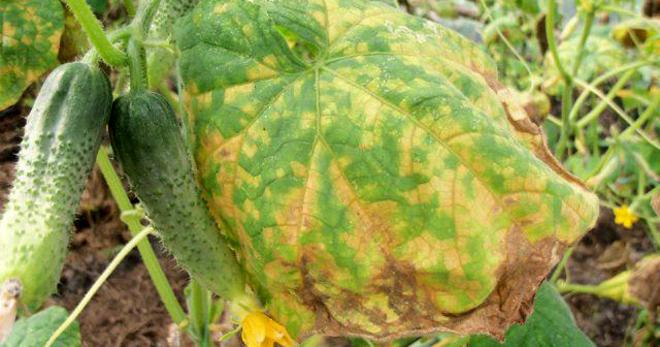
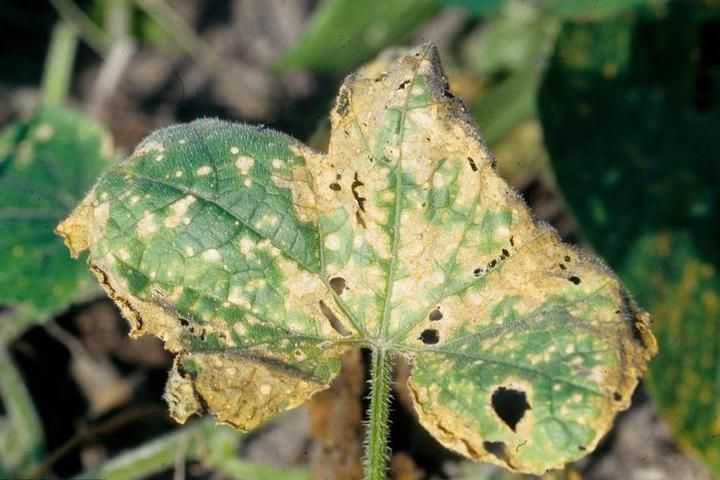
Anthracnose is called copperhead because its primary symptom is brown and yellow, rust-like spots. The affected leaf dies as the disease eats away all living tissue. This causes the tissue to dry out, and slit-like holes to appear on the leaves. Gradually, the pathogenic fungi spread to the stems and then to the fruit. The brownish spots cause sections of the vines to dry out and break off.
The cucumbers become covered with pinkish, cushion-like ulcers. These contain the organisms' reproductive material, spores. They penetrate 3-5 millimeters deep into the fruit. This can destroy the entire cucumber crop. Ulcerated fruits should not be eaten.
How dangerous is this disease for a plant?
The consequences of the infection affect the development of vegetable crops. Young shoots affected by anthracnose fail to grow. When the fungus infects fruit ovaries, it causes them to rot. Once ripe, the green fruits become so severely rotted that they lose their marketable appearance and spoil. Their nutritional content decreases, and the flavor of the flesh deteriorates.
If left untreated, the disease will spread to young ovaries. Then, you won't be able to expect a cucumber harvest.
The disease that spreads in the greenhouse is especially dangerous.The fungus infects neighboring crops, building structures, and the soil. The following year, if preventative measures aren't taken, the plants will continue to be affected throughout the growing season.
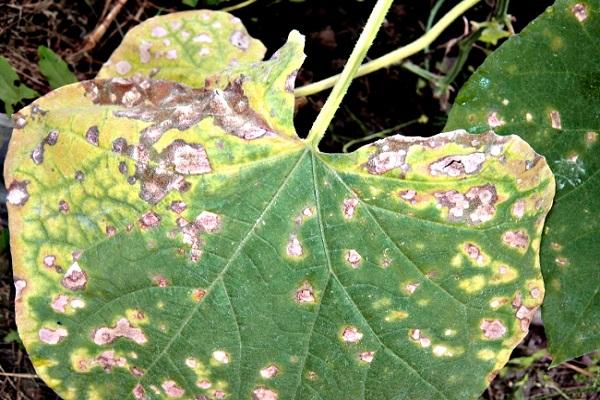
In the spring, signs of anthracnose will appear on cucumber seedlings, and in June, on the fruit. If left untreated, the cucumber roots will be affected. All affected plants will then need to be removed. Due to anthracnose, gardeners can lose up to 50% of their cucumber harvest.
How to combat anthracnose
Infection control methods are selected based on the stage of the disease and the activity of the fungus. It's important to start by creating unfavorable conditions for fungal growth. Reduce the air temperature and humidity in the greenhouse. Watering of open-ground plants should be suspended. Reduce the amount of nitrogen in the soil and apply wood ash. Many people choose traditional methods to treat cucumbers. If the disease is advanced, it's impossible to restore the cucumber plantation to health without chemicals.
Folk remedies for treatment
Any type of fungal disease can be combated at the initial stage using traditional methods. These methods are environmentally friendly and cost-effective. After treatment, cucumbers will not accumulate chemicals in the pulp. To kill pathogenic fungi, products containing copper compounds are needed. Iodine and brilliant green are used to treat anthracnose. A tincture of brilliant green (10 ml) is diluted in 10 liters of water and sprayed on the plants.
Use 10 drops of iodine per 1 liter of milk or whey. Spray the solution not only on plants but also on the soil.
Apply an ash solution to the bushes to remove spots on the leaves and stems. The treatment will adhere better if you add shavings of laundry soap to the solution. Dissolve 1 liter of wood ash in a bucket of water.
Crushed garlic cloves are poured into 500 milliliters of sunflower oil. Let it steep for 24 hours, then add a little soap. Pour a glass of the mixture into half a liter of water. Stir well and spray the cucumbers with the infusion. You can make the infusion without oil, using only garlic and water.
Milk whey, diluted with water in a 1:1 ratio, is used for foliar feeding and treating plants against anthracnose. It is useful to add 10 grams of copper sulfate to 10 liters of solution.
Yeast is used to combat fungus. Add 10 grams of raw yeast to a bucket of water and water weakened, diseased cucumbers.
Use of fungicides
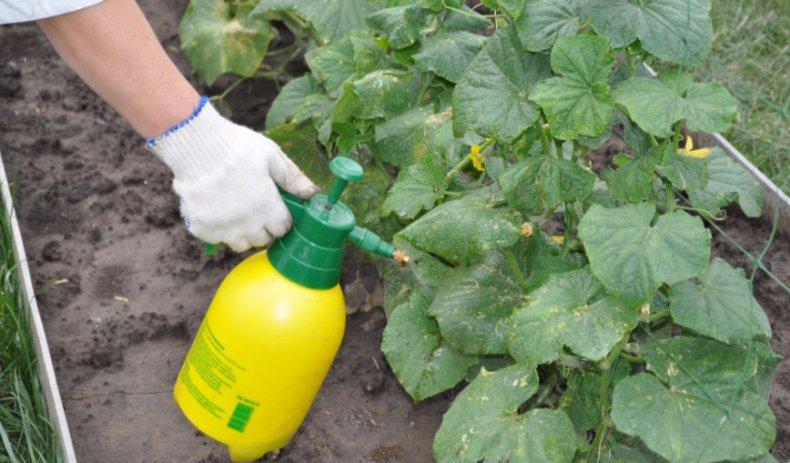
A more powerful anthracnose treatment is used when the disease has spread throughout the garden bed. The best and most effective treatments are:
- Bordeaux mixture. It is used for the prevention and treatment of plant diseases. The concentration is 0.5-1%.
- "Zineb" is a contact pesticide. A working solution can be used during the flowering period of cucumbers. It prevents further infection and enhances root growth.
- "Tsiram" has pronounced fungicidal properties and is used against many cucumber diseases.
- "Poliram." This broad-spectrum product helps protect plants from fungal infections and anthracnose.
- "Abiga-Peak" is made with copper oxychloride, so it's used against a variety of fungal diseases. One liter of the medication per bush is sufficient.
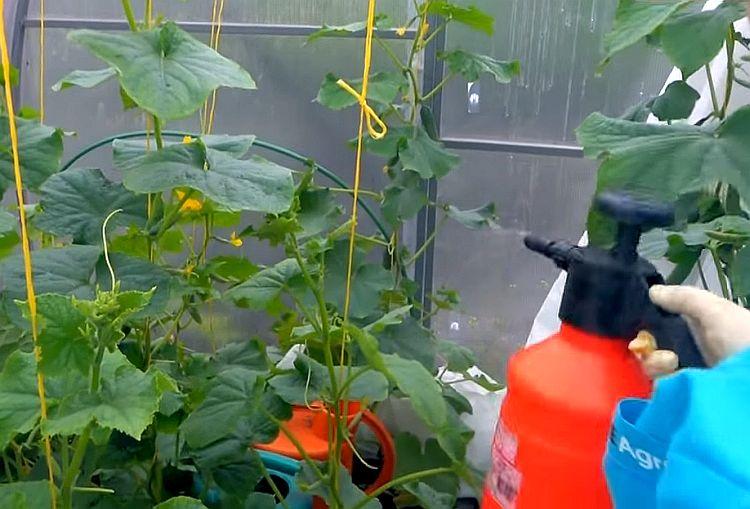
The drugs must be diluted in water, following the instructions for their use.
Treatment with Bordeaux mixture
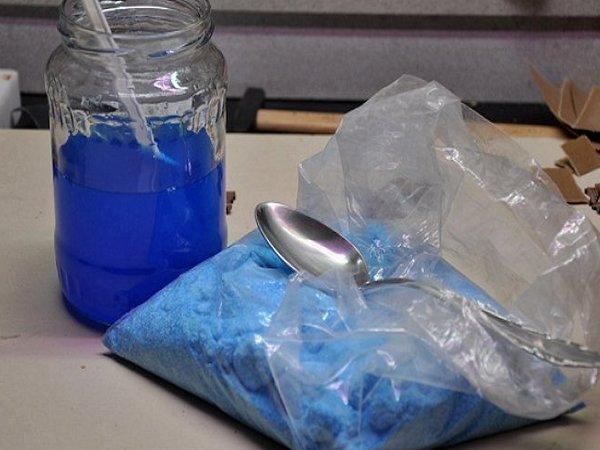
A 1% Bordeaux mixture is prepared from 100 grams of copper sulfate and 5 liters of water. The resulting solution is then mixed with lime solution (100-500 grams of lime per 5 liters). The finished solution is typically light blue in color. Use the prepared mixture immediately after preparation.
In spring, you can spray cucumber seedlings to prevent disease. Repeat the treatment twice more after 12-14 days.
Any remaining solution must be disposed of; it is not recommended to store the prepared solution for more than a day.
Spraying with copper oxide chlorine suspension
Instead of Bordeaux mixture, copper oxychloride is used to treat cucumbers. This substance is included in many products, including "Hom" and "Abiga-Peak." It combines well with most pesticides, except those containing lime. Care must be taken when applying the suspension to avoid burning the plants. The product is moderately hazardous to humans and animals. It decomposes in the soil within 1-6 months.
Root watering as an effective control
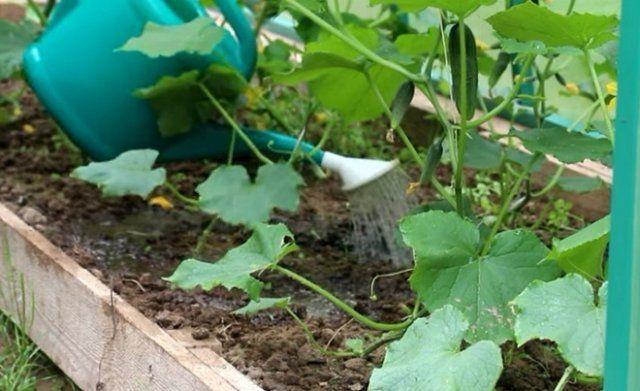
If anthracnose has spread throughout the plant, it's important to water it with medicinal solutions at the roots. This will help kill the pathogen more quickly. Before this, thoroughly moisten the soil in the cucumber bed. Water with solutions of Bordeaux mixture or Abiga-Peak. Fitosporin, a biological product, is also suitable. By thoroughly watering the roots with fungicidal solutions, the vegetable crop's condition returns to normal. The fungi are killed, and the plant continues to thrive.
Prevention
Measures to prevent anthracnose include:
- treating seeds before sowing with fungicides or a solution of potassium permanganate;
- disinfection of greenhouse structures;
- compliance with the cucumber planting scheme;
- monitoring the air condition in the greenhouse;
- timely watering and fertilizing of cucumbers in the garden.
Vegetable growing requires a serious approach. Agronomic measures must be implemented promptly to prevent anthracnose infestation.
Related posts:
 Description of unusual methods for planting and growing cucumbers
 Description of the best varieties of Chinese cucumbers, planting, growing and care
 How to care for cucumbers in open ground from planting to harvesting
 How to properly plant cucumber seedlings in a greenhouse and care instructions
 How to make a cucumber trellis with your own hands from scrap materials
 How to properly plant cucumbers in open ground with seeds, and at what depth
 How to plant cucumbers in open ground under film: timing and cultivation technology
 Why do cucumber leaves curl inward and what to do about it?