
- What problems do people encounter when growing cucumbers on a windowsill?
- Cucumbers are growing poorly.
- The ovaries do not develop
- The ovaries are poorly pollinated, the flowers are empty
- Cucumber embryos are turning yellow
- The leaves of cucumber seedlings are turning yellow and becoming spotted.
- Cucumbers don't ripen
- Ways to solve problems
- Choosing the right variety for your windowsill
- We organize proper care for plants
- Shading overly illuminated areas
- Common diseases of seedlings and associated symptoms
- Blackleg
- Mosaic
- How to treat seedlings
- Signs of disease in mature bushes
- Copperhead or anthracnose
- Peronosporosis
- Sclerotinia (white rot)
- Root rot
- Gray rot
- Powdery mildew
- Treatment and medical procedures
- Preventive spraying of cucumbers
Cucumber diseases on the balcony or windowsill Cucumbers and their treatment are common problems faced by many cucumber growers. These problems can be avoided by choosing the right variety, avoiding excess soil moisture, and applying fertilizer promptly. Cucumbers do not respond well to low temperatures, drafts, and direct sunlight.
What problems do people encounter when growing cucumbers on a windowsill?
People without a garden plot buy cucumber seeds they like and try to grow early vegetables on their balconies or windowsills. However, they often encounter a number of problems: seedlings fail to grow, become sick, fail to set fruit, and the plants fail to ripen.
Cucumbers are growing poorly.
What should you do if cucumbers aren't growing? Like any crop, cucumbers require proper planting and growing practices. Growing this crop begins with preparing the seed. It's advisable to purchase special balcony varieties. Before sowing, soak the seeds in a weak solution of potassium permanganate for 20 minutes to disinfect them. Then, soak them in growth stimulants (sodium humate or Kornevin) for 24 hours.
Hybrid or varietal seeds, brightly colored, do not require disinfection or soaking. They are sold immediately coated with growth stimulants.
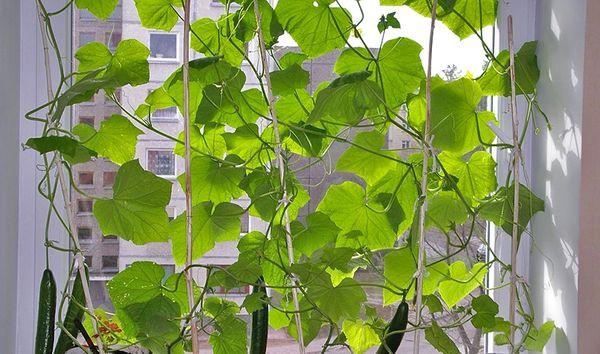
It's best to sow the seeds in peat pots at the end of April and place them by a window. It should take about 45 days from sowing to the start of fruiting. This means the harvest can be in early June. It's best to purchase a store-bought soil mixture fertilized with organic and mineral nutrients. Once the seedlings have grown, they need to be watered regularly. If the soil lacks nutrients or is watered irregularly, cucumbers will grow poorly.
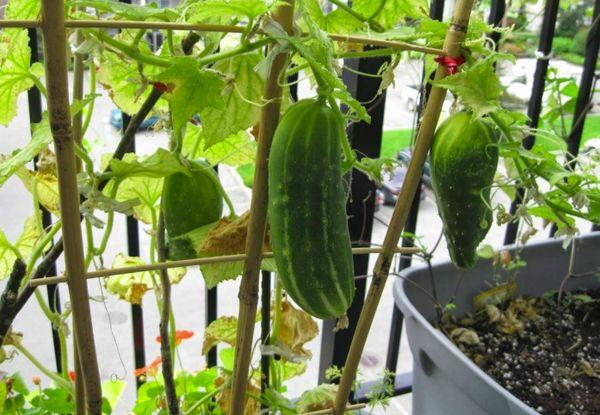
When the seedlings grow a little (to 5-10 centimeters), it's best to transplant the peat pot, along with the plant, into a five-liter container and top it up with fertilized soil. Each container should contain one plant. Planting more plants in a small area will prevent them from growing.
The ovaries do not develop
Why do cucumbers begin to bloom, then shed their flowers and fail to form ovaries? When buying cucumber seeds, it's a good idea to immediately pay attention to the pollination method. Many bee-pollinated crops will fail to form ovaries if their flowers are out of the insects' line of sight. Cucumbers growing on a windowsill or balcony have very little chance of being pollinated naturally.
It's best to buy self-pollinating or pollinate-free varieties. Information about the variety's characteristics is always provided on the paper label.
There are several other reasons why fruit doesn't set: fresh seeds that haven't been hardened off by freezing temperatures or warming up, overwatering the soil, or watering the seedlings with too cold water. Sometimes, barren flowers form if too much nitrogen is added to the soil, causing the plant to grow excessively and become too bushy. In this situation, pinch back the main stem, feed the bush with superphosphate (1 tablespoon per 5 liters of warm water), and reduce watering.
The ovaries are poorly pollinated, the flowers are empty
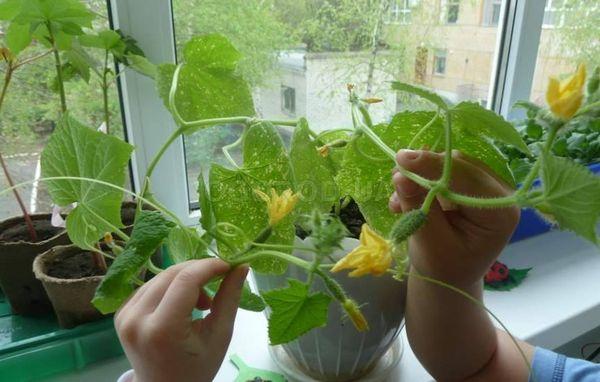
Insects are needed to pollinate the ovaries. However, bees can't always reach cucumbers planted on a balcony or windowsill during flowering. In this case, you'll need to take a brush and pollinate the flowers yourself, first touching the male and then the female inflorescences. Barren flowers can be caused by excessively hot or cool weather. At temperatures above 35 degrees Celsius, pollen loses its potency.
When growing vegetables on the balcony, it's advisable to choose parthenocarpic or self-pollinating varieties. These cucumbers produce fruit without the presence of insects. Be sure to ensure the plant isn't too dense, the water isn't too cold, and the growing area isn't too dark.
Cucumber embryos are turning yellow
What should I do if cucumbers turn yellow and start to dry out? If newly formed cucumbers suddenly start to turn yellow, they're lacking nutrients. It's a good idea to enrich the soil with nitrogen, potassium, and phosphorus supplements (10 grams per 2.5 liters of water) and add 25 grams of wood ash. You can also fertilize the soil with well-rotted manure (100 grams per 2 liters of liquid).
 Cucumbers do not tolerate too low (less than 10 degrees) or high (more than 35 degrees) temperatures. It's best to provide them with a stable temperature of 20-25 degrees Celsius. The bushes shouldn't be crowded. One stem should grow in each five-liter container.
Yellowing of the ovaries can be caused by bacterial wilt. This disease develops when the humidity is too high during cool weather in dense plantings. To combat bacterial wilt, spray the plant with a solution of potassium permanganate or Bordeaux mixture (copper oxychloride).
The leaves of cucumber seedlings are turning yellow and becoming spotted.
Yellow spots appear on the leaves of mature cucumber seedlings due to bacterial wilt. The cause is overly wet soil and cold air. You can get rid of the yellowing by increasing watering and treating the seedlings with Bordeaux mixture.
Cucumbers don't ripen
To ensure successful fruiting, the plant requires careful care. The soil should be fertile and not acidic. It must contain sufficient nitrogen, phosphorus, and potassium. Indeterminate plants need to be trained (removing side shoots and pinching the top after the 11th leaf).

The plant is watered regularly with warm, rainwater (not chlorinated). Fertilize every two weeks. Ensure the flowers are pollinated and the plant is not too dense. The container in which the plant is growing should be large (about 5 liters). To promote ripening, the cucumbers are sprayed with boric acid (1 gram per 1 liter of water).
Ways to solve problems
Many problems can be avoided by choosing the right variety for your balcony or windowsill and caring for your cucumbers properly. Choosing the right location for these plants is also important, as overly shaded areas will cause the plants to wither. Conversely, sunburn will cause them to burn.
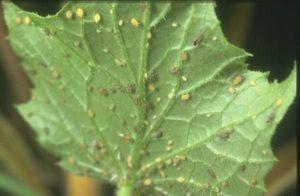
Choosing the right variety for your windowsill
Hybrids and varieties with compact stems and small leaves that don't require pollinators are suitable for balconies and windowsills. It's advisable to purchase early varieties. Pickles and gherkins produce well indoors.
It is preferable to sow the following varieties on the windowsill: Balagan F1 (parthenocarpic hybrid, early ripening, gherkin), Balkonny F1 (early hybrid that does not require pollinators), Garland F1, Calendar F1, Kolibri F1, Sorvanets F1.
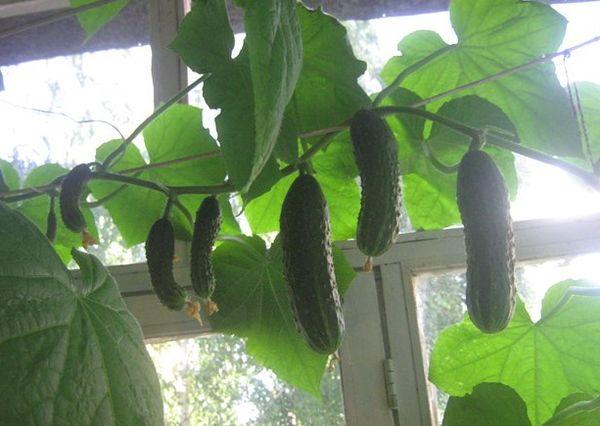
We organize proper care for plants
Cucumbers require proper care and regular feeding. The first feeding is done when the seedlings are two weeks old. At this age, they are fertilized with a urea solution. Ten days later, apply another feeding, constantly alternating nitrogen, potassium, and phosphorus. Water the soil regularly, avoiding overwatering, which will cause the plants to become diseased. As the bush grows, shape it and tie it to a support. Cucumbers are sensitive to drafts. If they are on a balcony, cover them with a curtain during strong winds.
Shading overly illuminated areas
It's best to plant cucumbers on the south side of the house, in partial shade. In full sun, the plants can get burned. During summer midday, it's recommended to shade areas that get too much sun. You can hang a curtain and periodically cover the plants growing on the balcony or windowsill.
Common diseases of seedlings and associated symptoms
If you care for your seedlings properly and avoid overwatering the soil, they won't get sick. If symptoms of disease appear, the first step is to remove any yellowed leaves and diseased stems.
Blackleg
When young seedlings begin to develop cotyledon leaves, they can become infected with blackleg, a fungal disease. The plant's roots turn yellow, the root collar becomes dark and thin, and the leaves wilt. A weak solution of potassium permanganate can be used to combat the disease.
Mosaic
A viral disease that affects cucumber leaves. The virus can be soil-borne or insect-borne. Numerous yellowish or brown spots and streaks appear on the leaves. A solution of potassium permanganate or Bordeaux mixture can be used as a preventative measure.
How to treat seedlings
Treatment for seedlings depends on the type and nature of the disease. Seedlings can be treated with chemicals or folk remedies. Each type of disease has its own recommended spray. Cucumbers are most often susceptible to fungal diseases. Fungicides protect against these. There are no treatments for viral diseases.
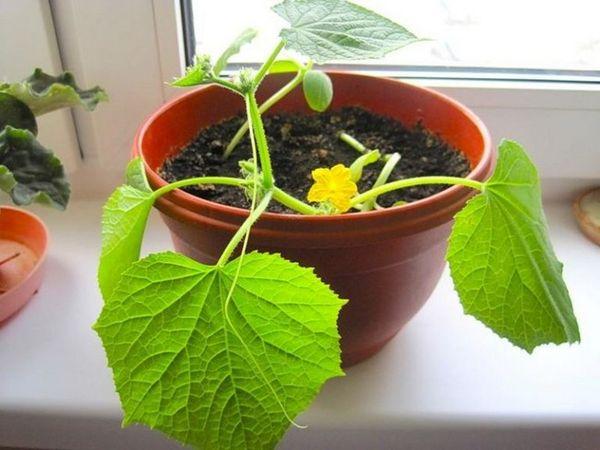
Signs of disease in mature bushes
During development, plants can become infected and "catch" a fungus found in the soil. Cool, rainy weather can trigger the disease.
Copperhead or anthracnose
A fungal disease that occurs in high humidity. It develops on stems, leaves, and fruits. Symptoms include brown spots that gradually enlarge and merge. The disease causes leaf drop. Control measures include Bordeaux mixture, Fitosporin, Thiram, and Immunocytophyte.
Peronosporosis
A fungal disease also known as downy mildew. Symptoms include small yellow spots appearing on leaves, yellowing and dropping of fruit buds, and reduced yield. The disease develops with excess moisture and low temperatures (15 degrees Celsius). Fungicides used for control include Hom, Ridomil, SILK, and Fitosporin.
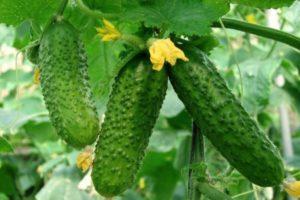
Sclerotinia (white rot)
A fungus that can affect cucumbers growing on the balcony. Symptoms: a white, cottony coating appears on the leaves and stems. This then transforms into slime. The top of the plant wilts, and the lower part of the stem begins to rot. The disease is triggered by low temperatures and high humidity. To prevent the disease, fertilize the plant with zinc sulfate, urea, and spray with copper sulfate.
Root rot
Watering too frequently with cold water can lead to root rot. Signs of root rot include a brownish tint to the roots and root collar, and gradual wilting of the leaves, starting with the lower ones. The ovaries dry up and fall off. A copper sulfate solution is used for treatment.
Gray rot
A fungal disease that appears on stems, leaves, and fruits. Symptoms include large, grayish-brown spots that gradually increase in size and lead to rotting. The disease occurs in high humidity and low temperatures. Trichodermin and Euparen Multi are used to treat cucumbers.
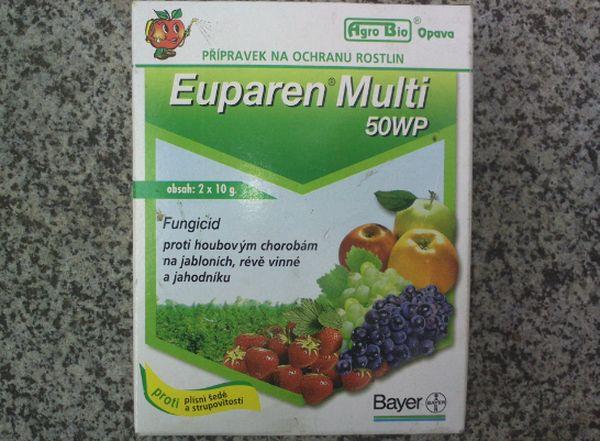
Powdery mildew
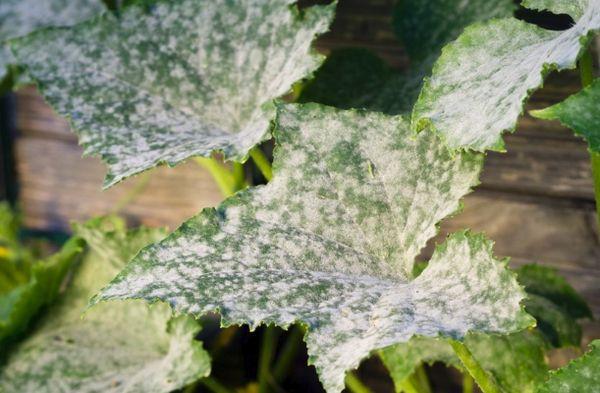
A fungal disease that becomes active in cool, damp weather. Symptoms include multiple, white, rough spots on leaves, then on fruits and stems. Treatment includes: Albite, Topaz, wood ash solution, or soda ash.
Treatment and medical procedures
Cucumbers will be less susceptible to diseases if you disinfect the soil and treat the seeds with a potassium permanganate solution before planting. You can warm the soil during high temperatures or, conversely, allow it to freeze during low temperatures. It's essential to disinfect the containers in which the seedlings will grow.
If cucumbers become diseased, it's advisable to first treat them with biological preparations (Albit, Gamair). These products boost immunity and stimulate plant growth. Biological preparations can be applied repeatedly until signs of disease completely disappear.
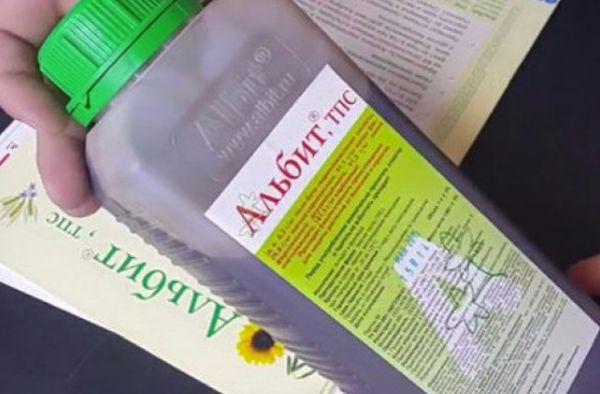
In advanced cases, chemical fungicides (Topaz, Bayleton) are used. Their effect lasts from 7 to 20 days. These medications are more effective, but they are toxic.
Preventive spraying of cucumbers
If the disease hasn't yet spread, preventative spraying with folk remedies can be used. Cucumbers can be treated with fermented milk whey, diluted with water at room temperature (1 part to 5 parts). You can also spray the leaves with a solution of wood ash or laundry soap in the same proportions.
As a preventative measure, cucumbers are sprayed with a weak solution of potassium permanganate, Bordeaux mixture, or copper sulfate. It's important to monitor weather conditions and watering schedules, avoiding overwatering.
Related posts:
 Description of unusual methods for planting and growing cucumbers
 Description of the best varieties of Chinese cucumbers, planting, growing and care
 Description of the best varieties of bee-pollinated cucumbers, rules for their formation and care
 How to plant cucumbers in open ground under film: timing and cultivation technology
 How to care for cucumbers in open ground from planting to harvesting
 TOP 30 best determinate cucumber varieties with descriptions
 Why do cucumber leaves curl inward and what to do about it?
 Why cucumber leaves are drying out and what to do, how to treat them in a greenhouse and in the ground