
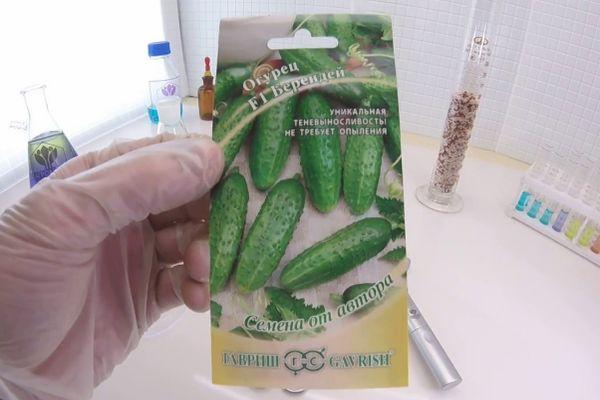
The Berendey f1 cucumber was bred by employees of a Moscow seed company and is listed in the State Register of Breeding Achievements. This parthenocarpic hybrid is suitable for cultivation in both open and protected ground. The variety is characterized by high productivity, resistance to diseases, and resistance to adverse growing conditions.
Advantages and features of a hybrid
Berendey cucumbers are a first-generation hybrid. This parthenocarpic variety produces fruit without pollination. Ripening occurs 45-50 days after germination. This early-ripening hybrid variety is characterized by a predominantly female flowering type.
The variety description is based on the characteristics of the plant. During the growing season, medium-sized, indeterminate bushes (with an unrestricted main stem) develop, with a medium number of branches. The leaves are medium-sized and green.
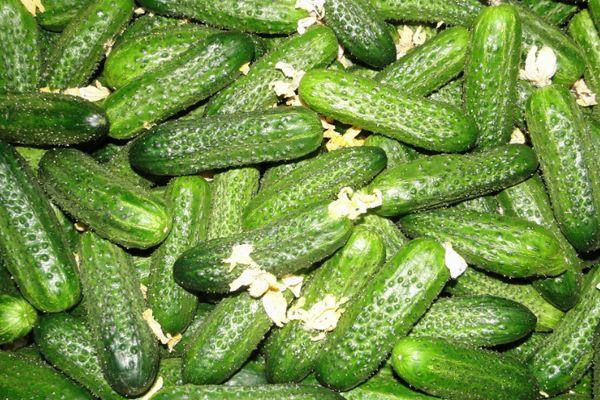
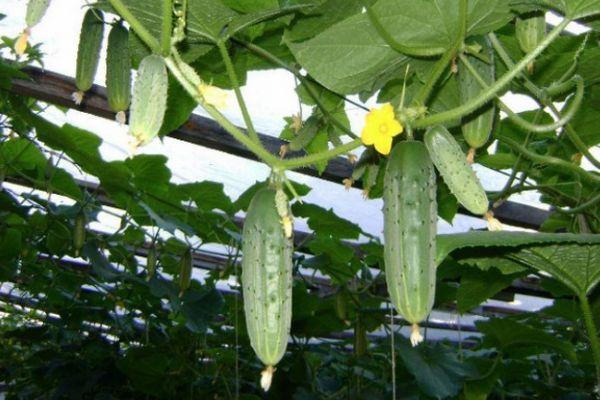
Each node produces 2-4 ovaries. The fruits are cylindrical, with medium-sized tubercles on the surface. Cucumbers weigh 120-140 g, are 12-14 cm long, and 4.5 cm in diameter. The cucumbers have delicate, intensely green skin with short, light stripes and medium-density pubescence.
The surface is covered with white spines. The cucumber flesh is crisp, dense, sweet, and without bitterness. The hybrid yields 12-14 kg per square meter. A single bush can yield up to 8 kg of fruit.
The variety's characteristics indicate its versatile culinary use. The fruits are pickled, salted, and eaten fresh. The hybrid is resistant to root rot, powdery mildew, and downy mildew.
Vegetable growers value this variety for its flavor, ability to grow in shaded areas, and high productivity. The fruits retain their marketable quality for a long time.
Characteristics and preparation of seed material
To achieve a high yield, it's important to select high-quality seeds and consider the sowing conditions. Seeds should be uniform in size, have good germination rates, and sprout vigorously.


Before planting, carefully read the packaging and check for pre-treatment of the seeds. Agricultural companies selling the material primarily use highly effective pre-treatment agents.
After preliminary heat treatment and soaking in a solution enriched with microelements, the seeds are planted 1.5-2 cm into the soil. The seeds are covered with plastic film, which is removed after germination. If necessary, seedlings are discarded, leaving the strong plants.
Cultivation techniques
Cucumbers can be grown using seedlings. Seeds for seedlings are sown in the third ten days of April. The seeds can be sown dry, but pre-treating them with an aqueous solution will ensure uniform germination.
For planting, you need to prepare a soil mixture, which includes:
- garden soil - 2 parts;
- peat - 1 part;
- washed river sand - 1 part.
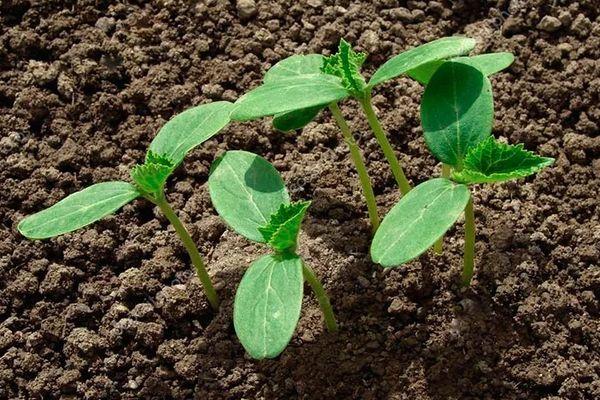
The soil is disinfected by heat treatment or special agents. When the cotyledons unfold, the seedlings are transferred to a cool place with an air temperature of 18°C.
Seedling care consists of fertilizing with complex fertilizers and regular watering. In early May, when 3-4 true leaves have formed, the seedlings are transplanted to their permanent location.
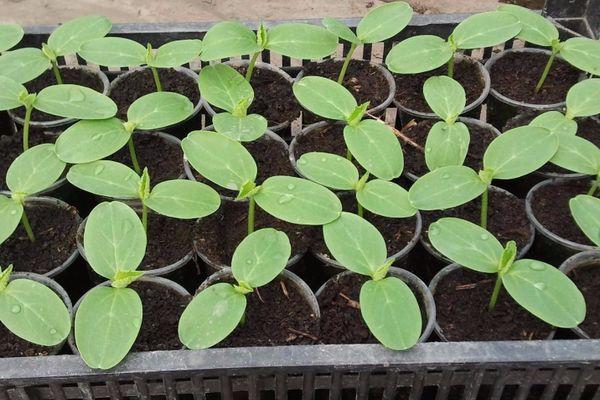
Ten days before planting, harden off the plants by lowering the temperature to +16°C. The optimal soil temperature for planting seedlings is +17…+18°C.
To avoid damaging the root system during planting, you can use containers with removable bottoms or peat pots. In their permanent growing location, space the plants 50 cm apart.
When planting, proper growing conditions are important. Excessive shade can cause the fruit to be deformed, pale in color, and have small bumps.
Direct sowing of seeds into the ground is carried out in mid-May. This growing method significantly reduces the time required to obtain seedlings.
Regardless of the planting method, care guidelines must be followed when cultivating the variety. Water the plants at sunset to prevent leaf burn. Use warm water for this purpose.

The plant thrives on moisture, so care must be taken to ensure the surface soil does not dry out. The frequency of watering in a greenhouse depends on the indoor and outdoor temperatures and light levels.
When growing cucumbers on an industrial scale indoors, a drip irrigation system can be set up.
Regular weeding and hilling are recommended. To ensure aerated access to the root system, loosen the soil once a week. When cultivating this variety, the cucumber vines can be left on the ground or tied to a support.
To increase yield, it is recommended to stop the growth of lateral shoots at the third leaf level. To prevent pests and diseases, regularly inspect the leaves.
Growing cucumbers on the balcony
Berendey cucumbers can be grown on a windowsill, balcony, or loggia. South-facing plants require light shade to prevent direct sunlight.
Cucumbers do not like drafts, so the room should be protected from the wind. A glazed balcony is a possible solution. Maintaining a favorable microclimate is essential for good fruiting.
Severe temperature fluctuations require supplemental heating, and in low light conditions, an artificial light source. Simple balcony flower containers are used for growing cucumbers.
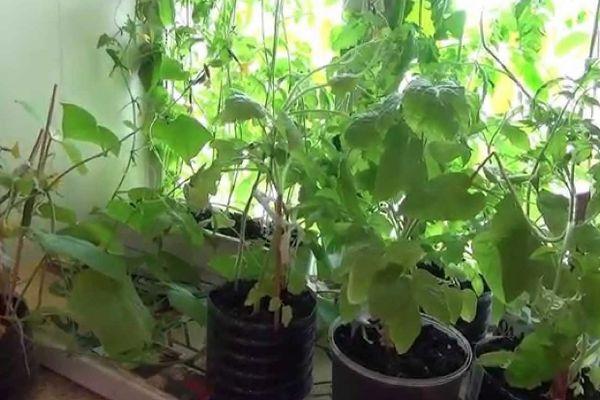
They save space and can be conveniently arranged according to the size grid. Containers should have drainage holes to allow excess moisture to escape, and a stand to collect it.
Place a drainage layer of expanded clay on the bottom, then add soil on top, which can be purchased at specialty stores. When planting the seeds, you can also add complex mineral fertilizers to the soil.
Reviews from vegetable growers
The parthenocarpic hybrid Berendey grows and produces fruit beautifully, even on balconies. Reviews from gardeners who cultivate this variety point to its positive characteristics and versatile use.
Among the advantages, they note that the seed material is prepared for planting by the manufacturer. The cluster formation of ovaries and stable yields regardless of growing conditions are also attractive.
Take a look Also
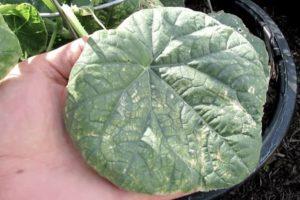
According to vegetable growers, this hybrid variety thrives in partial shade. The cucumbers grow with a firm texture and tasty, aromatic flesh. Periodic harvesting is recommended to stimulate the development of additional fruit.
When growing indoors, it's advisable to use trellises. There's no need to train plants in beds.
Related posts:
 Description of unusual methods for planting and growing cucumbers
 Description of the best varieties of Chinese cucumbers, planting, growing and care
 The best eggplant varieties for growing in a polycarbonate greenhouse: planting and care
 How to properly plant cucumbers in open ground with seeds, and at what depth
 How to make a cucumber trellis with your own hands from scrap materials
 How to care for cucumbers in open ground from planting to harvesting
 How to properly plant cucumber seedlings in a greenhouse and care instructions
 Is it possible to soak treated cucumber seeds before planting and how to do it correctly?