
- Description of the pest
- Reasons for occurrence
- Methods for controlling aphids on cucumbers
- Biological agents
- Chemicals
- Folk remedies for fighting aphids on cucumbers: 16 pest control products
- Mustard powder
- Soda
- Ammonia
- Vinegar
- Wood ash
- Laundry or tar soap
- Garlic
- Onion peel
- Pine extract
- Tobacco dust
- Tomato or potato tops
- Celandine
- Yarrow
- Chamomile
- Sorrel
- Which insects can help get rid of aphids?
- Preventive measures
Vegetable growers should know the methods and means for combating aphids on cucumbers. Several characteristic signs can help identify aphids on vegetable plants. Solving the problem begins with identifying the cause of the pest infestation. Home remedies are considered effective and the safest. Preventative measures will help prevent the insects from appearing.
Description of the pest
There are many species of aphids found in nature. The melon variety can damage cucumbers. Ants act as the carriers, carrying aphids from one plant to another.
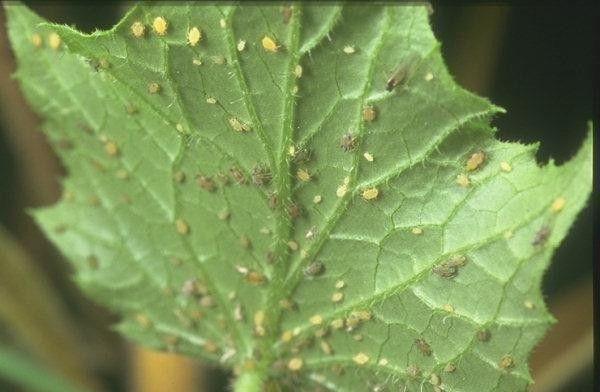
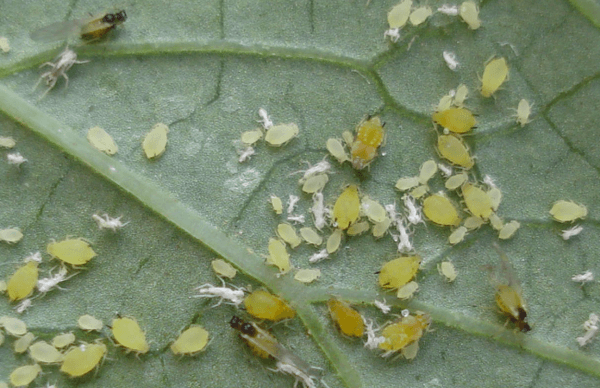
Aphids are small, with bodies no larger than 2.2 mm. They come in a variety of colors: white, black-green, green-yellow, and brown. They overwinter on plant debris and can withstand temperatures as low as -16 degrees Celsius.
Aphids can be detected in greenhouses as early as spring, and in open garden beds a little later, at the end of June. These insects develop rapidly. Within 10 days, the larvae become adults. Therefore, plants should be treated immediately as soon as the first signs of infestation appear on the leaves.
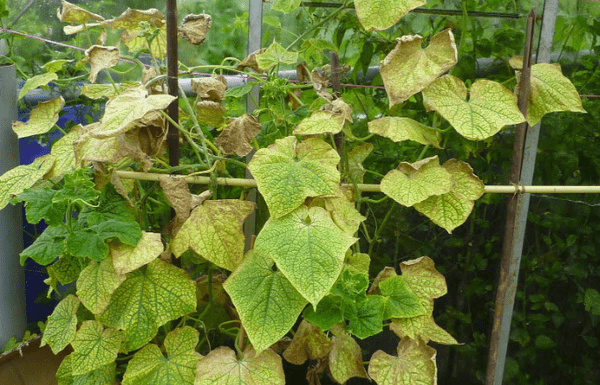
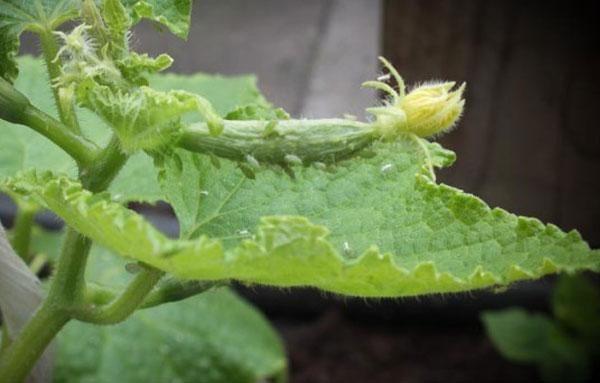
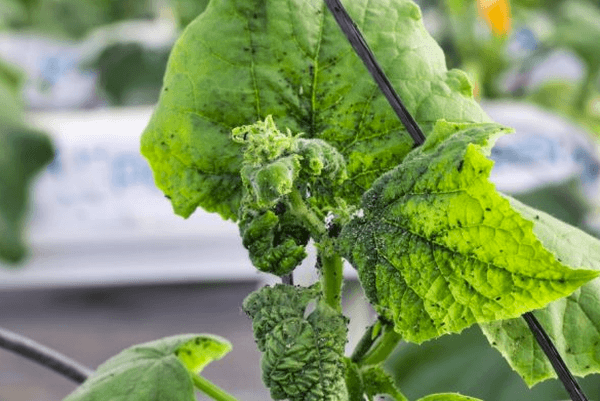
The insects settle on the underside of the leaf and feed on the sap of the seedlings. Light yellow spots begin to appear on the leaf blade, and a sticky, whitish film becomes visible. Gradually, the leaves curl, dry out, and the ovaries fall off. The plant begins to look weak and wilted.
In addition, aphids cause the spread of dangerous viral infections.
Reasons for occurrence
Favorable conditions for the spread of aphids on vegetable crops include:
- failure to observe crop rotation;
- rare weeding of garden beds and growth of weeds;
- bushes planted too close together;
- poorly prepared soil before planting;
- ant distribution.
Methods for controlling aphids on cucumbers
Black aphids slow down cucumber development and reduce yields. As soon as the first signs of a problem are detected, appropriate control methods should be selected. There are many ways to get rid of aphids on cucumbers:
- Chemicals can help get rid of pests quickly and permanently, but they should be used with caution, especially during the period of active fruiting.
- Biological products are used when only individual bushes are infested with aphids. They contain live bacteria that not only kill the pests but also promote better plant growth.
- Folk remedies are considered the safest. However, they are best used in the early stages of a problem or in combination with other treatments.
Products from different groups vary in effectiveness and duration of action. Therefore, it's important to realistically assess the situation in your vegetable beds.
Biological agents
Biological products are plant-based and environmentally safe. The composition will not harm birds or animals. After treatment, the fruits can be eaten within a few days.
The most well-known biological products that help protect plants from aphids include Fitoverm, Biotlin, Aktofit, Bitoxibacillin, and Zolotoy Sad. The active ingredients of these products enter the insects' gastrointestinal tract along with the plant sap, causing paralysis. The immobilized pests are unable to feed and die within 24 hours.
Chemicals
Chemicals take effect quickly. Within a couple of hours, not a single pest will remain. However, there are some drawbacks:
- should not be used during the flowering period of cucumbers, as the compositions are dangerous for bees;
- After treatment with certain preparations, fruits cannot be eaten for up to one month.
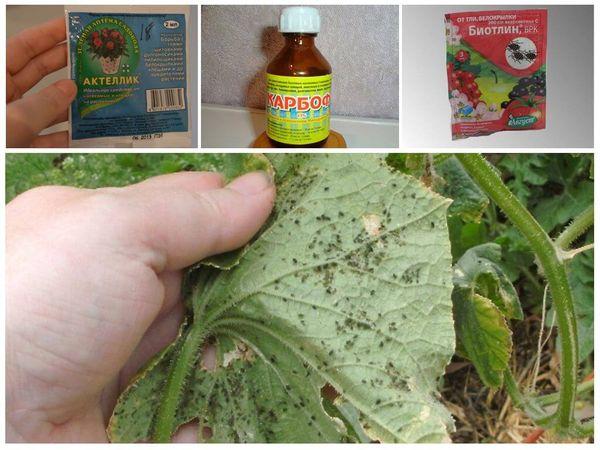
Using chemicals is safe only during the initial growing season. Popular chemical treatments for aphids on cucumbers include Intavir, Karbofos, Komandor, Iskra, and Actellic.
Folk remedies for fighting aphids on cucumbers: 16 pest control products
Folk remedies can help eliminate dangerous pests. They are based on safe, effective, and affordable ingredients. It is recommended to treat cucumbers every three days. It is advisable to use different formulations.
Mustard powder
Dry mustard not only eliminates aphids but also benefits plants. Mustard-based formulations have many positive properties:
- high efficiency allows you to see results after just one week of use;
- the product is inexpensive and can be purchased at any grocery store in various dosages;
- The components will help enrich the soil with useful microelements, and the bushes will begin to actively bear fruit;
- It is acceptable to use for prevention.
The disadvantages include:
- the treatment will have to be carried out at least three times;
- It is not recommended to use if many bushes are affected by insects;
- The effect of the drug disappears after rain.
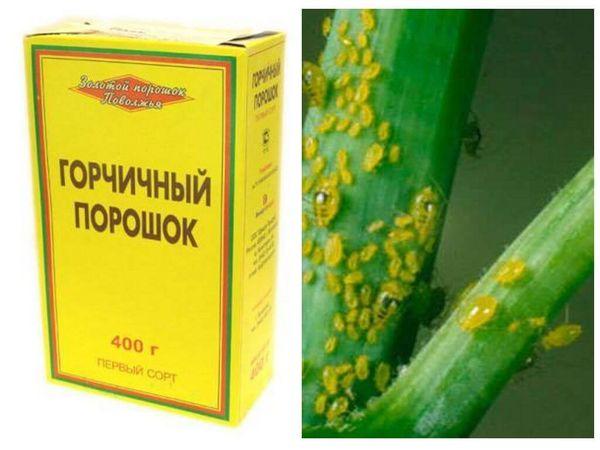
The simplest recipe involves dissolving 120 g of powder in a bucket of warm water. But you can also make an infusion:
- 50 g of powder is poured with three liters of boiling water;
- leave to infuse for two days;
- The concentrate is diluted with water (7 liters).
The resulting solution should be sprayed on all affected cucumber bushes, paying special attention to the back of the leaves.
Soda
Baking soda-based solutions are a well-known pest control method. The beneficial properties of this ingredient are as follows:
- destroys fungi, viruses, bacteria;
- prolongs the fruiting period;
- improves the taste of fruits;
- is actively fighting pests.
The soda solution will only be beneficial if you follow certain rules:
- To avoid causing burns, treatment is carried out in the morning or evening hours;
- If you do not follow the recommended dosages and exceed the amount of soda, then not only the greenery but also the roots will be damaged;
- Watering cucumbers is carried out no more than once a week;
- If the plant's condition worsens while being treated with soda, then the soda solutions are discontinued.
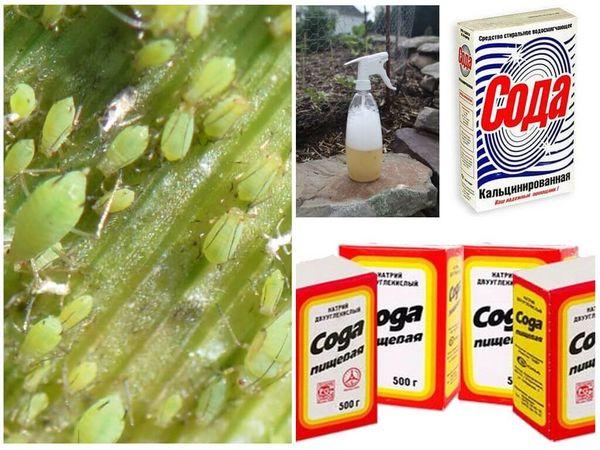
The solution is quite simple to prepare. Dissolve 60 g of baking soda in a bucket of warm water. Add finely chopped laundry soap to enhance the effectiveness.
Ammonia
Ammonia is considered a safe and effective aphid control agent. The advantages of ammonia-based formulations include:
- can be used as a fertilizer;
- the drug's effect begins quickly;
- two treatments with an interval of two weeks are sufficient;
- the cost of the component is low.
However, ammonia-based formulations also have their drawbacks:
- can lead to excess nitrogen, as a result of which the leaves begin to turn yellow and curl;
- the effect of the drug lasts only as long as the smell continues to emanate;
- When preparing the solution, you should use a mask, as the smell is strong and can lead to worsening of the condition.
Dissolve 50 ml of ammonia in a bucket of cold water, then add shavings of laundry soap. Apply the solution to the bushes using a watering can or spray bottle.
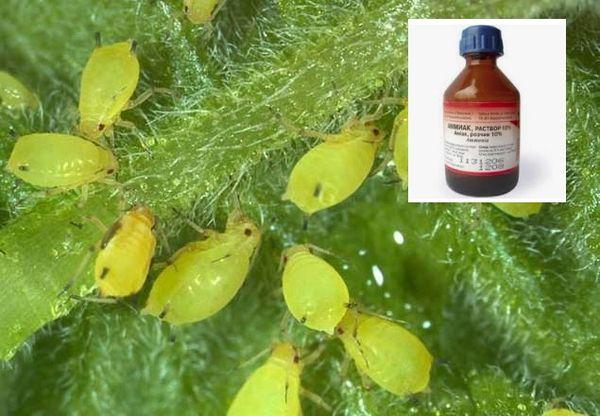
A solution containing hydrogen peroxide also helps kill pests. Dissolve 55 g of sugar and 55 ml of hydrogen peroxide in a liter of water. Spray no more than once a week.
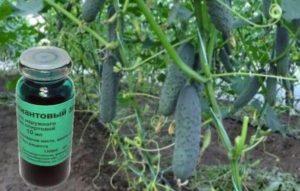
If pests are the cause of yellowing leaves, over-the-counter medications such as iodine or brilliant green can help. Add 22 drops of each to a bucket of water. Repeat treatment every 12 days.
Vinegar
Plants are treated with an acetic acid-based solution at three-day intervals. The prepared solution should be thoroughly sprayed on each leaf, including the underside.
Making the solution is easy:
- 15 ml of vinegar is dissolved in three liters of cool water;
- add 30 g of crushed laundry soap.
You need to spray the solution onto the vegetable beds using a spray bottle or watering can.
Wood ash
Ash is the most effective aphid control agent in the garden. Its activity remains active for up to three weeks after application.
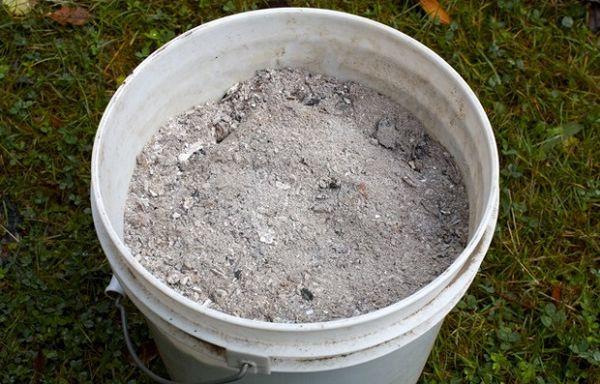
The action of the composition is explained by the following properties of ash:
- Ash irritates the pests' skin, causing a burning sensation. This causes the aphids to move elsewhere.
- The components of the ash solution alter the taste of plant sap, making it bitter. Aphids either leave or die without food.
The prepared solution should be used to water the soil or spray on greenery. There are many recipes:
- Dissolve 220 g of wood ash in a bucket of hot water. Let it steep for 24 hours. Add shavings of laundry soap to the resulting concentrate.
- A decoction is effective. Crush and sift the ash. Pour boiling water over it and place it on the stove. Continue cooking for 30 minutes. Strain the finished solution, add water, bringing the volume to 10 liters. Add finely chopped laundry soap.
- The ash is mixed with shag, poured with boiling water and left to infuse for 24 hours.
Dry dusting of beds with wood ash is acceptable.
Laundry or tar soap
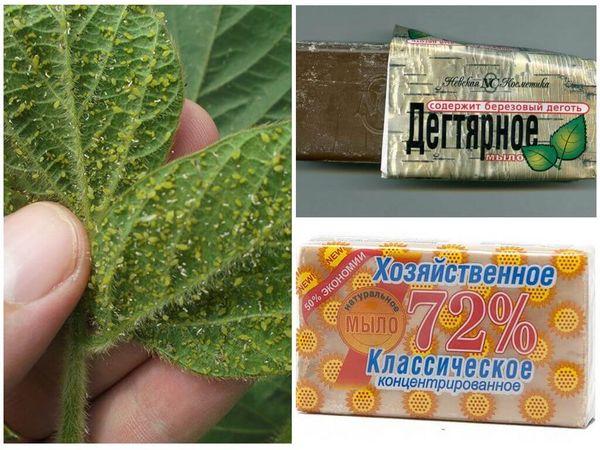
The soap solution stays on the plant for a long time and stops the spread of pests:
- Grate 300 g of laundry soap using a coarse grater. Add warm water to the shavings and stir until completely dissolved. Dilute the resulting concentrate with cold water.
- To prepare a tar soap-based solution, you'll need a smaller dosage. Just grate 100 g of soap. Dissolve the shavings in a bucket of cold water.
Soap solutions help remove aphids, restore damaged areas and repel other pests.
Garlic
Garlic infusion is quick to prepare. Finely chop the cloves of two heads of garlic and pour a bucket of boiling water over them. Let the mixture steep for one day. Before use, strain the solution and dilute it with water.
Onion peel
Onion peels contain many vitamins and microelements, so using the solution will not only repel pests but also improve plant growth.
Beneficial properties of a solution based on onion peels:
- increases immunity and resistance to adverse weather conditions;
- promotes restoration of strength of damaged plants;
- acts as a preventative measure against various types of infections.
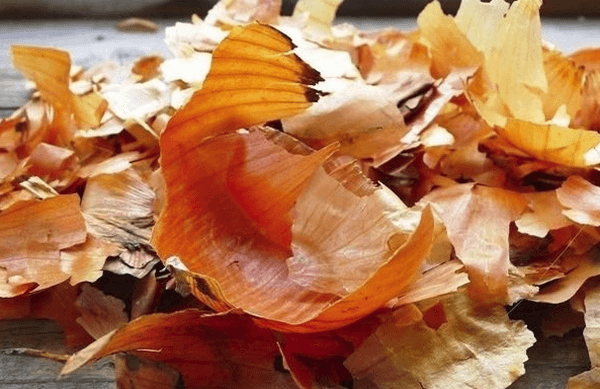
To prepare an effective homemade infusion, follow these simple rules:
- prepare onion peel (230 g);
- the component is filled with hot water;
- leave to infuse for three days;
- The prepared solution is filtered and sprayed on cucumber bushes.
A decoction of onion peels is considered effective against pests, including aphids:
- onion peel (320 g) is poured with a bucket of hot water;
- put on the fire and after boiling cook for another five minutes;
- after the solution has cooled, it is filtered;
- dilute with water before use.
Pine extract
A biological insecticide can be made from pine needles. To prepare the extract, dilute 35 ml of the extract in a bucket of warm water. Add 60 g of liquid soap to the resulting solution.
Tobacco dust
Tobacco dust-based compounds are considered effective against many garden pests. An infusion is often prepared against aphids:
- 420 g of tobacco dust is dissolved in a bucket of boiling water;
- leave to infuse for 24 hours;
- The finished solution is filtered.
Spraying of cucumber bushes is repeated at weekly intervals. A decoction based on tobacco dust is also effective:
- 250 g of tobacco is poured with two liters of boiling water;
- the mixture is boiled over heat for 25 minutes;
- then remove from the stove and leave to infuse for one day;
- Before use, filter the concentrate and dilute it with 4 liters of water;
- To ensure the solution stays on the plant longer, it is recommended to add crushed laundry soap.
Tomato or potato tops
Decoctions and infusions made from plant tops allow you to quickly get rid of pests without harming the environment or the plant itself:
- green tomato or potato tops are finely chopped and added to the bucket;
- pour in boiling water;
- leave the greens to steep for 24 hours;
- Before processing, the infusion is filtered and crushed soap is added.
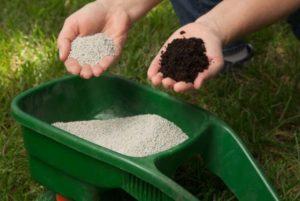
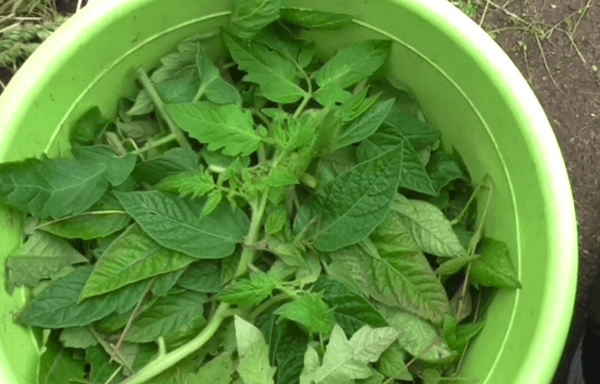
The prepared solution is watered or sprayed on cucumber plants. The pest-killing substance does not accumulate in the plant, and the fruit can be eaten within a few hours after treatment.
Celandine
The sap of the plant celandine contains toxic substances. Celandine-based solutions help rid crops of pests, including aphids. To prepare the solution, collect only healthy plants growing away from roadways. It's best to use flowering celandine, as it contains the most toxic substances:
- Greens (4 kg) are finely chopped.
- Fill with a bucket of warm water.
- Leave to infuse for three hours.
Spray cucumbers with the prepared solution using a spray bottle in the morning. Be sure to apply the solution to the underside of the leaves.
Yarrow
Compositions based on yarrow provide reliable protection against aphids and many other pests.
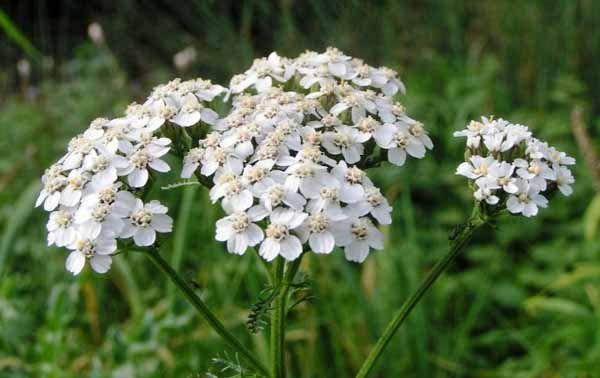
To prepare the infusion you will need to do the following:
- yarrow is crushed, dried and poured with boiling water;
- leave to infuse for two days;
- The prepared solution is filtered and the cucumber beds are sprayed.
For the decoction you will need:
- dry grass (1 kg) is poured with boiling water;
- simmer over low heat for half an hour;
- dilute with water before use;
- To increase efficiency, add crushed shavings of laundry soap.
Chamomile
A chamomile solution can help combat aphids. Here's how to prepare it:
- dry raw materials (1 kg) are poured with a bucket of boiling water;
- insist for two days;
- the concentrate is diluted with water in a ratio of 1:3;
- add 45 g of crushed laundry soap.
The prepared solution is sprayed on damaged cucumber bushes in the morning.

Sorrel
A horse sorrel infusion will help quickly rid cucumber plants of aphids. Prepare the solution as follows:
- for work you will need 320 g of sorrel;
- pour a bucket of boiling water over it;
- insist for two hours;
- Before spraying plants, the concentrate is filtered.
Which insects can help get rid of aphids?
In the fight against aphids, other insects will come to the rescue:
- The aphids' main enemies are ladybugs and their larvae. A ladybug consumes several dozen aphids daily.
- Predatory gall midges that infest herbs or legumes can be helpful. Therefore, it's recommended to plant these crops near cucumber beds.
- It is possible to destroy aphids with the help of an insect called the lacewing.
Preventive measures
Preventative measures will help prevent the reappearance of pests:
- In the fall, all plant tops and weeds should be removed from the area;
- the area is deeply dug up and disinfected with a solution of potassium permanganate or copper sulfate;
- It is important to observe crop rotation;
- When planting bushes, you need to maintain the recommended distance, avoiding dense plantings;
- the beds need to be weeded regularly to prevent weeds from growing;
- Damaged leaves must be removed from cucumber bushes in a timely manner;
- It is recommended to plant marigolds, garlic, calendula, and herbs near the cucumber beds;
- Prevention also involves timely control of ant infestations; cucumbers should be planted away from anthills.
By following all the requirements for pest control and prevention, you can grow cucumbers without problems and produce a large harvest.
Related posts:
 How to treat peppers for aphids, how to fight them with folk and chemical remedies
 How to control aphids on beets using folk remedies in open ground, what to treat with
 How to control aphids on carrots using medications and folk remedies
 How to control aphids on raspberries during flowering and fruiting, what to treat them with
 Treatment rules and 20 best remedies for dealing with aphids on apple trees
 What folk remedies are best for treating cabbage from pests to protect it?
 How to treat peach trees for aphids and the best methods for pest control
 How to control aphids on grapes using chemicals and folk remedies