
- Benefits of potassium fertilizers for cucumbers
- Signs of potassium deficiency
- Types of fertilizers
- Potassium humate
- Potassium salt
- Potassium monophosphate
- Nitrophoska
- Potassium magnesium sulfate
- Vitriol
- Potassium nitrate
- Potassium sulfate
- Which potassium fertilizers should I choose for greenhouses and open ground?
- Rules of application
- Preparation of working solution
- How to apply: timing and technology of applying bait
- Root feeding of plants
- Foliar treatment of the bush
- How often should I fertilize?
- Safety precautions
- Advice from experienced gardeners on the benefits of potassium
Cucumbers require potassium fertilizers at certain stages of development. The amount and timing of application depend on the climate, soil composition, and the condition of the seedlings. A deficiency of this micronutrient causes leaves to change shape and color, and fruits to become deformed and tasteless. There are several types of potassium-based fertilizers. A properly prepared solution is suitable for both root and foliar application.
Benefits of potassium fertilizers for cucumbers
Potassium-containing compounds improve plant characteristics and fruit taste:
- The fertilizer boosts immunity, protects against pest attacks, and reduces the risk of infection.
- Normalizes metabolic processes in the plant, resulting in increased resistance to drought and frost.
- Promotes active flowering and full fruit formation.
- The storage life of the harvested crop is increased.
For the plant to develop successfully, the component must be sufficient for the entire growing season.
Signs of potassium deficiency
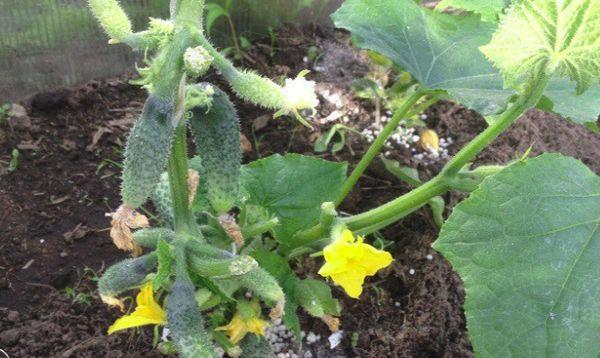
Potassium fertilizers promote healthy growth and development of cucumbers. Potassium deficiency in cucumbers manifests itself through the following symptoms:
- the edges of the leaves begin to turn yellow and dry out;
- there are many empty flowers and strong upward stretching of the shoots;
- the color saturation of the leaf blade is lost and a bluish tint is acquired;
- new leaves unfold, small and irregular in shape;
- Another sure sign is the formation of uneven, pear-shaped fruits, with flesh that has a bitter taste.
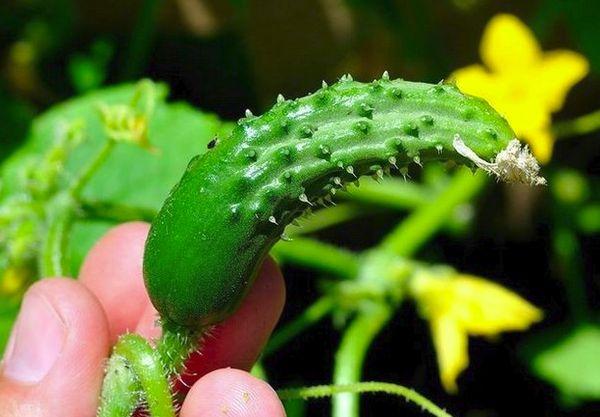
In extreme cases, a lack of microelements leads to the loss of leaves and ovaries.
Types of fertilizers
Potash fertilizers are divided into two large groups: mixtures containing chlorine and sulfates, which are produced in the form of small granules.
Potassium humate
The fertilizer contains a high concentration of humic acids and other beneficial components. It is available in liquid and dry form.
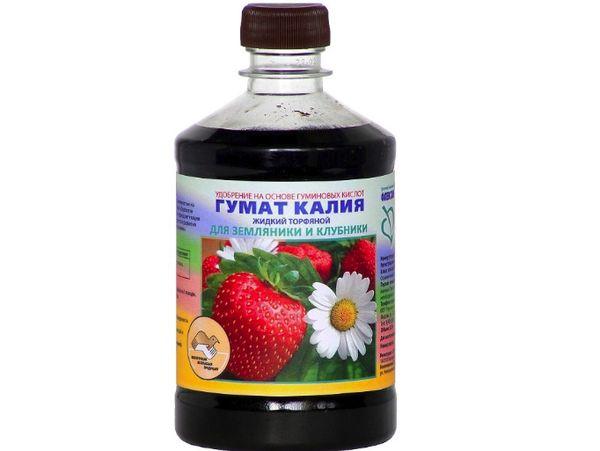
Fertilizing has the following beneficial effects on the plant:
- improves soil composition;
- the process of fruit formation is accelerated, the amount of nitrates in them is reduced;
- the harvest quantity increases;
- immunity is increased;
- the shelf life of the harvested crop becomes longer.
How often should I fertilize? Cucumbers can be treated three times during the growing season. To prepare the solution, mix 110 ml of the product in a bucket of water.
Do not apply potassium humate, phosphorus, or potassium nitrate simultaneously. The interaction of these components will result in the formation of insoluble substances.
Potassium salt
This fertilizer is a mixture of potassium chloride, kainite, and sylvinite. These components are suitable for enriching the soil with deficient elements. Potassium salt is not used for fertilizing cucumbers at any stage of the growing season.
Apply the mixture before planting crops in spring or fall, after harvesting the entire crop. Apply 35 g of potassium salt per square meter.
Potassium monophosphate
Monopotassium phosphate is a readily soluble fertilizer in the form of white crystals. It contains 40% potassium and 60% phosphorus. The advantages of this fertilizer include the following properties:
- the quality of the harvest is improved and its shelf life is increased;
- the composition is well and completely absorbed by plant roots;
- does not harm the soil composition;
- provides protection against fungal infections.
To ensure that the use of the composition brings only benefits, you should follow some rules:
- in autumn you cannot use the mixture in dry form;
- the diluted solution should be used immediately, as its properties are lost;
- It is important to keep in mind that fertilizer also causes weeds to grow, so weeding should be done regularly.
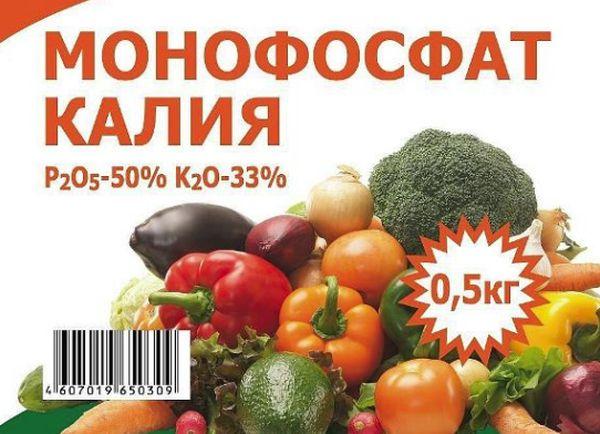
Cucumbers can be treated with monopotassium phosphate 3-4 times during the growing season. Foliar feeding is best. Dissolve 10 g of dry matter in a bucket of water. Monopotassium phosphate is recommended for cucumbers grown in greenhouses.
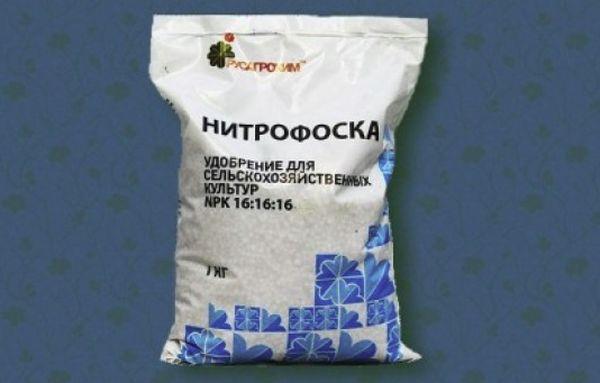
Nitrophoska
Nitrophoska is a complex mineral fertilizer based on phosphorus, potassium, and nitrogen. It is available in white or blue granules with varying component ratios. The choice of nitrophoska depends on the soil quality and the condition of the plants. For cucumbers, nitrophoska sulfate is preferred.
Rules for using the nutritional product:
- dry powder is added in the spring, during digging of the land (30 g of dry matter is calculated per 1 sq. m);
- When growing seedlings, the soil is watered with a weak solution of nitrophoska in the event that the seedlings look weak and underdeveloped;
- Fertilizing of adult bushes is carried out using root or foliar methods.
Instructions for preparing the fertilizer:
- To prepare the solution, dissolve 40 g of the mixture in a bucket of water. Each root should be watered with 50 ml of the solution.
- For spraying on greenery, make a less concentrated solution. Dissolve 20 g of the substance in a bucket of water.
Potassium magnesium sulfate
The fertilizer contains magnesium, potassium, and traces of sulfur. It is produced as a powder consisting of gray-pink granules. The dry substance dissolves quickly and easily in water, ensuring all nutrients are evenly distributed throughout the soil.
Potassium magnesium sulfate has a positive effect on the condition of plants:
- the harvest quantity will increase;
- the taste of the fruit will improve;
- the process of fruit ripening will be accelerated;
- the fruiting period increases;
- immunity is increased.
Rules that will help increase the effectiveness of the product during use:
- it is preferable to use a liquid composition;
- when used in dry form, the dosage is reduced;
- Most of the fertilizer is applied during autumn preparation of the land plot (200 g per 1 sq. m), in spring 110 g per 1 sq. m is used;
- For foliar treatment, the concentrate is made much weaker than for root watering.
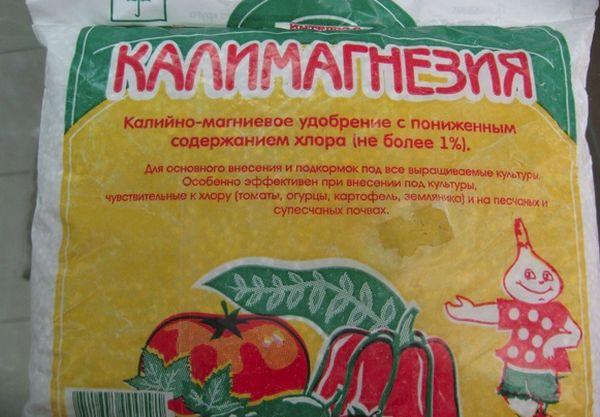
Cucumbers respond well to this fertilizer, but soil quality is key. It's recommended to apply the fertilizer along with organic matter.
Vitriol
Copper sulfate not only nourishes the soil with essential micronutrients but also prevents disease. Sandy and peaty soils are deficient in copper, and in these cases, copper sulfate can be a helpful ingredient. It is recommended to apply the fertilizer in spring and fall, at a rate of 1 g per square meter.
Potassium nitrate
Potassium nitrate is a nutrient supplement for many crops, including cucumbers. It comes as a white powder that dissolves quickly in water.
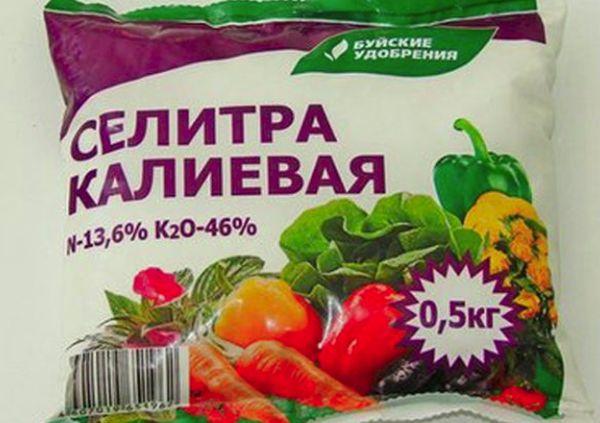
The potassium-nitrogen composition has a whole list of positive properties:
- accelerates the growth of vegetables;
- strengthens roots;
- activates the plant's defenses;
- increases the yield and improves the taste of cucumbers.
A liquid solution is used to feed cucumbers. Dissolve 20 grams of dry powder in a bucket of water. Water the plants between rows with the prepared solution twice per season.
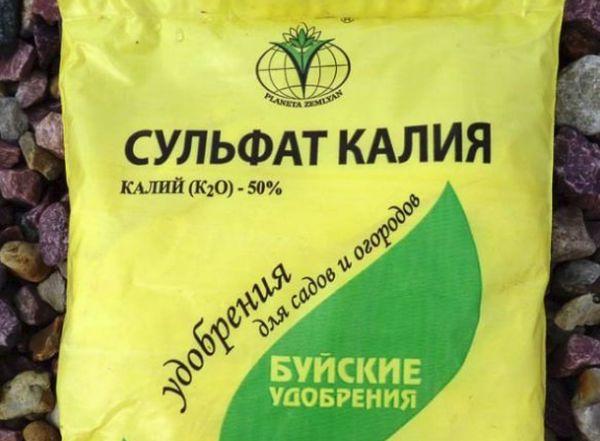
Potassium sulfate
This fertilizer contains components essential for growth and active fruiting: potassium, magnesium, sulfur, and calcium. The white powder dissolves easily in water.
Potassium sulfate is added to the soil in both liquid and dry form:
- In spring or fall, before digging the plot, spread the dry matter evenly. For cucumbers, the dosage is 18 g per square meter.
- During plant growth, apply a liquid solution, pouring it under each cucumber plant. Dissolve 35 g of powder in a bucket of water.
- During the flowering period of the crop, it is allowed to spray the green mass with a liquid solution.
Potassium sulfate increases the amount of vitamins in the plant, improves resistance to diseases, and ensures a uniform supply of other nutrients from the soil.
Which potassium fertilizers should I choose for greenhouses and open ground?
Any kind of soil is suitable for cucumbers grown in open beds. types of potash fertilizersFor vegetable crops grown in greenhouse conditions, potassium salt, potassium sulfate or potassium chloride are most suitable.
Rules of application
When using any fertilizer, it is important to follow the recommended dosages, application times, and choose the appropriate application method.
Preparation of working solution
Feeding cucumbers begins before flowering. The homemade mixture is easy to prepare:
- mullein or bird droppings are dissolved in a bucket of water;
- add 5 g of superphosphate;
- supplement the composition with potassium sulfate (5 g).
The next feeding coincides with the beginning of the fruiting period. To prepare the mixture, you will need:
- dissolve 140 g of mullein in a bucket of water;
- add 35 g of nitrophoska.
How to apply: timing and technology of applying bait
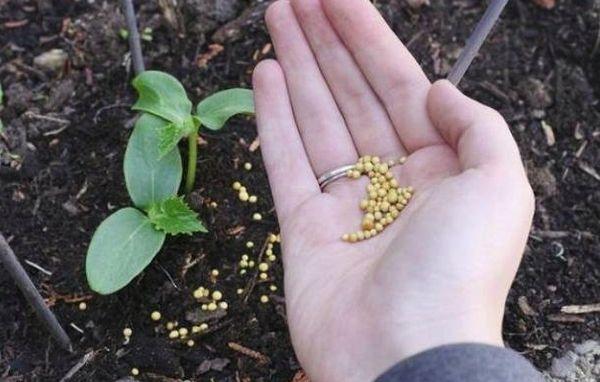
Potash fertilizer comes in the form of white granules that dissolve easily in water. It can be applied to the soil in either dry or liquid form. If the soil is acidic, it is recommended to add potassium along with limestone.
Potassium is best applied during autumn soil preparation, but can also be applied in early spring. If necessary, foliar spray the solution during flowering. Watering the beds will delay the nutrients' penetration into the leaves.
Experts recommend the following feeding scheme:
- if the soil is heavy and loamy, then fertilizing is carried out in the autumn months;
- If the soil is light, it is better to add potassium in the spring;
- The peat composition of the soil requires fertilization in the fall, spring and in the middle of the growing season.
In the fall, the fertilizer is evenly distributed over the area and dug in. In the spring, the granules are added to the holes intended for planting cucumbers.
Root feeding of plants
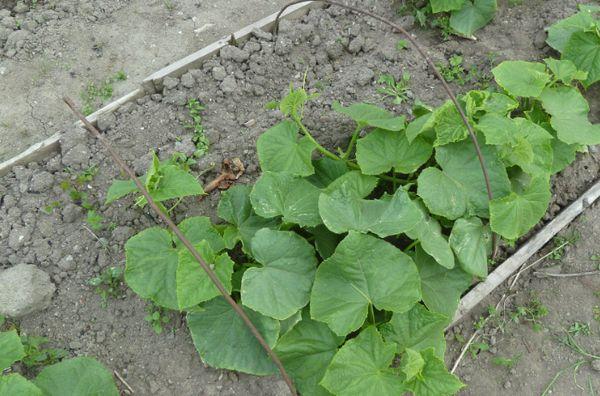
For root feeding, simply distribute dry granules around the plant or water each root with a liquid solution. The feeding schedule is as follows:
- after planting seedlings in a permanent location;
- period of active flowering;
- at the time of fruiting;
- two weeks after the first harvest.
Dissolve 90 g of dry matter in a bucket of water, mix thoroughly and water the plants.
Foliar treatment of the bush
If the soil is heavy, foliar feeding is more effective. A less concentrated solution is used for this application. Dissolve 60 g of dry granules in a bucket of water. Spray in the morning or evening.
How often should I fertilize?
Potassium fertilizers are applied at the very beginning of the growing season, when the first pair of leaves appears (nitrophosphate is best). Subsequently, potassium fertilizers are applied up to six times per season (the number of applications depends on the soil quality).
Safety precautions
When working with drugs, a number of rules must be observed:
- All chemical-containing products must be stored in closed bags, away from children and animals.
- The room where mineral compounds are stored must be ventilated periodically.
- When using fertilizers, wear rubber gloves and a respirator to avoid inhaling vapors when spraying the solution.
- When treating plants, do not rub your eyes or touch mucous surfaces.
- After work, you need to wash your hands with soap and rinse your eyes.
Advice from experienced gardeners on the benefits of potassium
Experienced vegetable growers note the positive impact of potassium fertilizers on the development of vegetable crops. Beginner gardeners will find the following tips helpful:
- You should feed cucumbers with potassium-containing compounds if the leaves have turned grey and started to turn yellow;
- It is recommended to use a small dose of the composition several times rather than once, but in large quantities;
- An important condition is that it is better to carry out the treatment after rain or watering.
Only a comprehensive approach to crop care will allow you to obtain a good and high yield.
Related posts:
 How to care for cucumbers in open ground from planting to harvesting
 Description of unusual methods for planting and growing cucumbers
 How to make a cucumber trellis with your own hands from scrap materials
 What is the best way to feed cucumbers during flowering and fruiting?
 Description of the best varieties of Chinese cucumbers, planting, growing and care
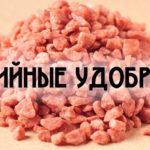 Descriptions of potash fertilizers, which ones are best to choose, and instructions for use
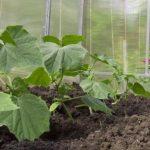 How to properly plant cucumber seedlings in a greenhouse and care instructions
 Types of fungicides for cucumbers in a greenhouse and instructions for use