
- Climatic and natural features of the Krasnodar Territory
- High temperatures
- Insufficient moisture supply
- What regions are included in the Krasnodar Krai?
- How to choose a variety
- Why not every variety is suitable
- Selecting hybrids with the F1 prefix
- Popular varieties and hybrids for the Krasnodar region
- The best cucumber varieties for greenhouses and hotbeds
- Murashka F1
- Tom Thumb
- F1 Benefit
- Alekseich F1
- Emelya F1
- Recommended varieties for planting in open ground
- April F1
- Erofey
- Ant F1
- Masha F1
- Competitor
- Fontanelle F1
- Shade-loving crops
- Muromsky 36
- F1 Company Secret
- Moscow Region Evenings F1
- Suitable varieties for planting at home and on the balcony
- Swallowtail F1
- Which cucumbers are best for the Rostov region?
- Cucumber varieties for Kuban
- How to plant and grow cucumbers in the Krasnodar region
- In greenhouse conditions
- Growing in open ground
- Tips and tricks for beginners
Greenhouse cucumber cultivation has become widespread in the Krasnodar Krai. To make caring for this vegetable easier, many gardeners prefer greenhouse-sown varieties rather than open-air ones. However, greenhouse cultivation has a number of specific considerations that must be taken into account to ensure a good harvest.
Climatic and natural features of the Krasnodar Territory
The yield of any vegetable crop depends on climate, soil type and other external factors. When planting cucumbers in the Krasnodar region, it's important to familiarize yourself with the natural environment in advance to ensure the plants thrive.
High temperatures
The region has a temperate continental climate with long, warm summers. Since overheating cucumbers can cause the plants to dry out and produce fewer fruits, it's necessary to create a cooler microclimate inside the greenhouse.
Insufficient moisture supply
Low soil moisture levels are caused by dry and hot weather. Growing cucumbers in these conditions requires more frequent watering and spraying of the above-ground portions of the plants.
What regions are included in the Krasnodar Krai?
The Krasnodar Krai includes seven urban districts, dozens of municipal districts, and urban and rural communities. In most districts, gardeners actively grow cucumbers and other vegetables in greenhouses.

How to choose a variety
When choosing the right cucumber variety, you'll need to familiarize yourself with a large number of cultivars, each with different ripening times, growing characteristics, yields, and other characteristics. When choosing a variety, it's important to consider a range of factors to find the optimal one.
Why not every variety is suitable
Some vegetable varieties are not suitable for greenhouse cultivation, as they require unprotected soil to thrive. Also, not all varieties are suitable for planting in the Krasnodar Krai due to the climate and soil type.
Selecting hybrids with the F1 prefix
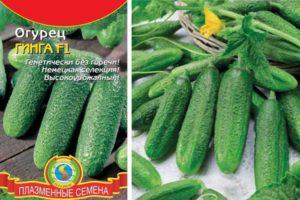
Hybrid cucumber varieties are very popular among gardeners. These vegetable hybrids are the result of breeding experiments by crossing two varieties. The newly created cucumber variety inherits the best characteristics of the parent plants. The "F1" designation in the variety name indicates that the seed used for hybridization belongs to the first generation.
Popular varieties and hybrids for the Krasnodar region
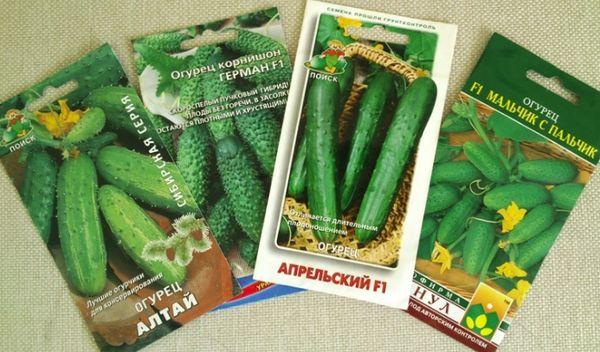
By reviewing the rankings of popular cucumber varieties, you'll be able to choose a good option that meets all your needs. In the Krasnodar Krai, you can grow hybrid and common varieties suited to the region's climate.
The best cucumber varieties for greenhouses and hotbeds
Greenhouses are most often used to grow high-yielding cucumbers, which are sensitive to temperature fluctuations. Planting them indoors simplifies day-to-day care and ensures a consistent microclimate.
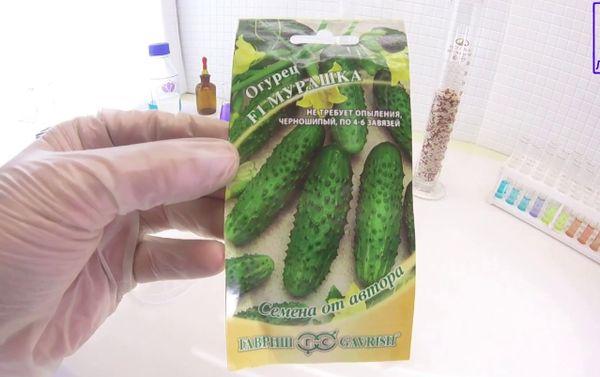
Murashka F1
The Murashka F1 hybrid variety is early maturing and self-pollinating. Ripening occurs within 35-40 days from the first shoots appearing.
Tom Thumb
The "Little Boy" variety is a self-pollinating, early-ripening hybrid. The harvest ripens in 37-40 days. Yields reach 10-13 kg/sq. m.
F1 Benefit
A self-pollinating hybrid that bears fruit 47-52 days after planting. Ripe fruits lack bitterness, making them suitable for all-purpose use. The variety is resistant to pests and infections.
Alekseich F1
The early-ripening Alekseich F1 variety, suitable for greenhouse cultivation, yields a harvest in 35-40 days. The fruits, weighing up to 80 g and 8-10 cm long, are prized for their juicy, crisp flesh.

Emelya F1
The parthenocarpic hybrid Emelya F1 produces fruit 38-42 days after germination. Yields range from 12-16 kg/sq. m. The plants are vigorous and indeterminate.
Recommended varieties for planting in open ground
The climatic conditions of the Krasnodar Krai allow cucumbers to be grown in exposed soil. Varieties that are tolerant of temporary temperature fluctuations and other environmental factors are suitable for planting in exposed soil.
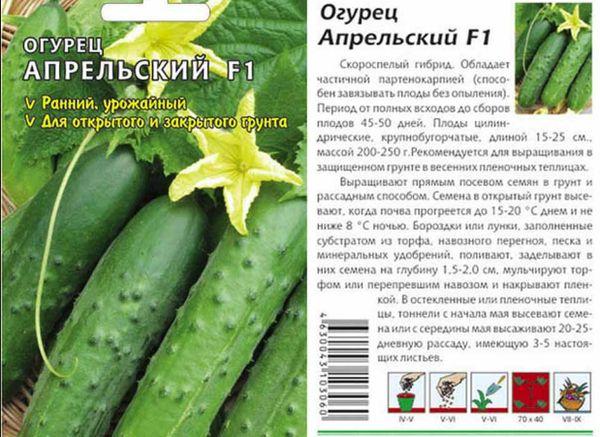
April F1
An early-ripening hybrid that begins bearing fruit 40-45 days after germination. This productive variety is self-pollinating. One square meter of land yields 7-13 kg of vegetables.
Erofey
A mid-season, all-purpose cucumber variety. Tall, well-branched plants yield fruit in 50-55 days. Ripening fruits are short, with firm, crisp flesh. The variety is resistant to root rot and downy mildew.
Ant F1
This ultra-early hybrid bears fruit 35-38 days after planting. Yields range from 10-12 kg/m². It's self-pollinating and easy to care for. Its advantages also include resistance to diseases and pests.
Masha F1
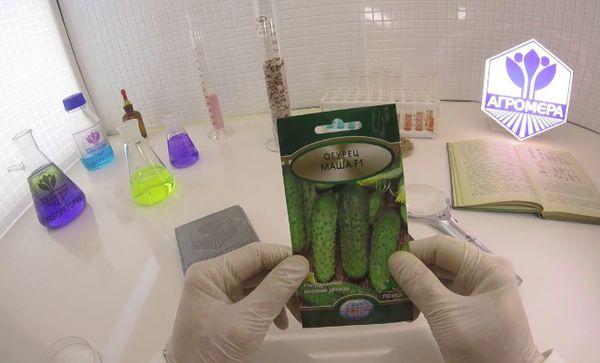
The Masha F1 variety has gained popularity due to its high yield and ability to self-pollinate. When planted in open soil, it yields approximately 10 kg per square meter.
Competitor
Plants of the variety cucumbers competitor Vigorous, with a long stem. The extended stalk simplifies harvesting. About 3-5 kg of vegetables are produced per square meter.
Fontanelle F1
The hybrid variety Rodnichok begins bearing fruit 50 days after planting. The bushes produce smooth, cylindrical fruits weighing over 100 g and up to 12 cm long.
Shade-loving crops
Modern breeders have developed a number of varieties that thrive and produce fruit in low-light conditions. When growing cucumbers in shaded areas, it's recommended to start from seedlings and then transplant them to a greenhouse.
Muromsky 36
This ultra-early ripening variety produces fruit in 32-37 days. The yield is modest—2-3 kg/sq. m. The fruit is suitable for a variety of uses: fresh consumption, canning, and processing.
F1 Company Secret
The vigorous hybrid Secret Firmy F1 is resistant to common diseases, including powdery mildew, spotting, and root rot. This variety yields 5-7 kg/sq. m.
Moscow Region Evenings F1
Podmoskovnye Vechera F1 cucumbers are self-pollinating, early-ripening, and indeterminate. The yield per square meter is 15-17 kg. These vegetables are suitable for both canning and fresh consumption.

Suitable varieties for planting at home and on the balcony
To grow cucumbers year-round, you can plant them indoors. If you place the seedlings on an insulated balcony or windowsill, they'll receive ample sunlight and produce a bountiful harvest.
Swallowtail F1
The early-ripening, self-pollinating Makhaon F1 cucumber is ideal for growing on balconies, verandas, and loggias. Ripening fruits are 7-11 cm long and weigh up to 110 g. The hybrid is resistant to common diseases, including powdery mildew and olive spot.
Which cucumbers are best for the Rostov region?
Due to the favorable climate in the Rostov region, cucumbers are primarily planted in open ground. When choosing suitable cucumber varieties, it's important to consider the seed stock used by agricultural experts in the region. The Kai F1, Gerda F1, and Madam F1 varieties have become particularly popular.

Cucumber varieties for Kuban
The weather conditions and soil type in Kuban make it possible to grow cucumbers both outdoors and in greenhouses. Experienced gardeners have become fond of varieties such as Zhuravlenok F1, Levina F1, Rodnichok F1, Konkurent, and Feniks-640.
How to plant and grow cucumbers in the Krasnodar region
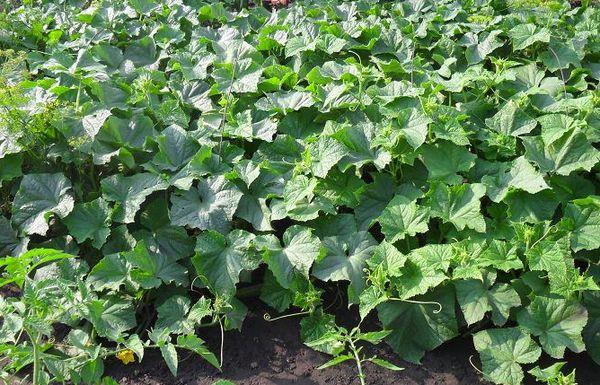
Cucumber planting in the region follows standard guidelines. In the fall, the soil is tilled and fertilized with organic fertilizer, and in the spring, the soil is loosened and weeded. Planting holes are prepared for the seedlings, with wood ash or compost placed at the bottom. After planting, the seedlings are watered and provided with comprehensive care.
In greenhouse conditions
Sowing in a greenhouse is done in the spring. The soil in the greenhouse is disinfected, after which the seedlings are placed in a staggered pattern. Cucumbers prefer to grow freely, so leave a gap of at least 40 cm between plants. Water the seedlings immediately after planting.
Growing in open ground
When planting cucumbers outdoors, it's important to ensure there's no risk of recurrent frost. Sowing is similar to greenhouse planting: holes are prepared for the seedlings, fertilized, then placed in the seedlings and covered with soil.
Tips and tricks for beginners
Without extensive experience growing vegetables, it's best to choose varieties that require little maintenance. For planting, select suitable sites and check the soil type and pH in advance. To ensure an early harvest and reduce the risk of pest infestation, it's recommended to pre-plant seedlings in separate containers and disinfect the seedlings and soil beforehand.
Related posts:
 Description of the best varieties of Chinese cucumbers, planting, growing and care
 Description of unusual methods for planting and growing cucumbers
 TOP 30 best determinate cucumber varieties with descriptions
 Description of the best, most productive and new varieties of cucumbers for 2025
 Top 50 Best Cucumber Varieties for Polycarbonate Greenhouses with Descriptions
 When to plant cucumbers in open ground in Siberia, how to grow them, and the best varieties
 How to care for cucumbers in open ground from planting to harvesting
 35 Best Powdery Mildew-Resistant Cucumber Varieties with Descriptions