
- What kind of soil is needed for normal growth and fruiting of cucumbers?
- Determination of the mechanical composition of the soil
- Alumina and heavy loams
- Light and medium loams
- Sandstones
- Peat bogs
- Sandy loam
- Soil acidity assessment
- How to prepare a greenhouse for spring planting
- Disinfection
- Dry processing
- Preparing the soil and beds for growing cucumbers
- Fertilization and soil optimization
- Predecessors and green manure
- Addition of mineral substances
- Liming
- Use of top dressing
- Arranging a garden bed
Growing cucumbers requires a great deal of attention, especially when it comes to soil. High-quality, moist, loose soil helps ensure a bountiful harvest. Careful soil preparation in the spring for greenhouse cucumbers determines the future growth of the vegetables. The better the soil is prepared, the sooner the plants will begin growing and bear fruit. Soil preparation should be done slowly, with careful attention to detail and proper technique.
What kind of soil is needed for normal growth and fruiting of cucumbers?
The cucumber crop's origins are associated with subtropical forests, which largely determines the plant's preferences. The soil there is rich in organic matter, and the air is humid and filled with carbon dioxide. Describing... What kind of soil do cucumbers like?, the following parameters should be taken into account:
- humidity;
- warmth;
- acidity;
- fertility;
- biological activity;
- mechanical composition.
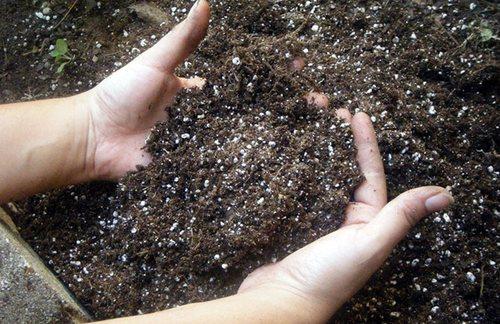
Cucumbers prefer soil with consistently high moisture levels, avoiding stagnant water. However, the soil should not lose water too quickly, so moderate drainage is essential. The recommended soil temperature at a depth of 0.2 m is 12°C, with a pH close to neutral. The upper layers of the soil should contain a high level of humus and a high level of microbial activity.
Cucumbers will grow best in loose, light soil with good air permeability. The soil should be rich in nitrogen, potassium, phosphorus, and magnesium.
Determination of the mechanical composition of the soil
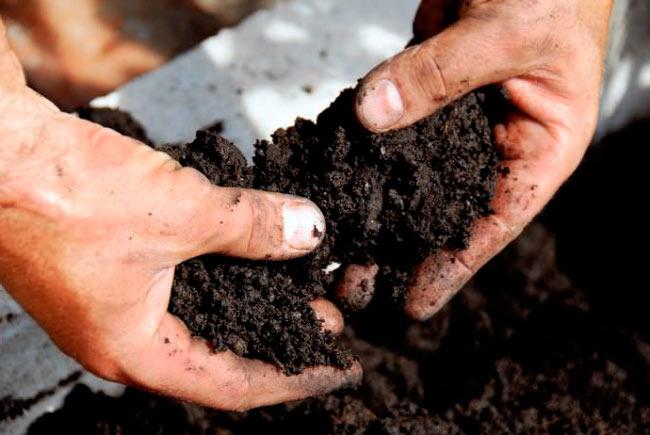
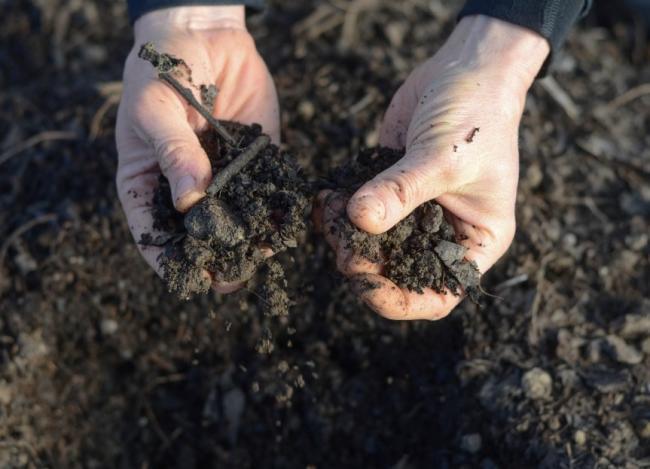
You don't need specialized equipment to determine the soil's mechanical composition. There's a simple way to determine the soil type on your property:
- A handful of soil is slightly moistened with water.
- The soil is kneaded and rolled into a cord, which, if possible, is twisted into a ring.
- Loams and sand do not allow the formation of a figure, quickly crumbling into grains.
- Light loams disintegrate into several pieces when rolled into a cord.
- Medium-heavy loams form a smooth cord, but fall apart when rolled into a semicircle.
- Heavy loams cause the soil to curl into a ring, which becomes covered with cracks.
- Aluminas form into a smooth ring.
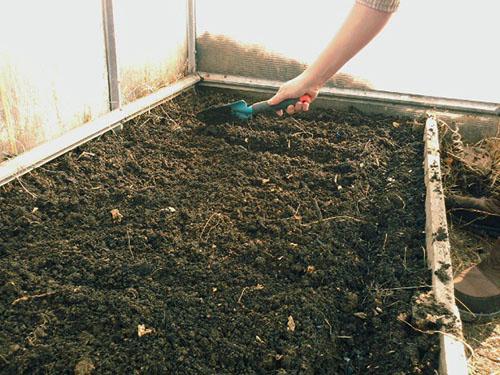
Alumina and heavy loams
Heavy, dense soils are completely unsuitable for planting cucumbers. Highly dense clay and loamy soils don't allow oxygen to pass through, which leads to the drying out of ovaries. To adapt such soil for growing cucumbers, follow these guidelines:
- Constantly loosen the beds.
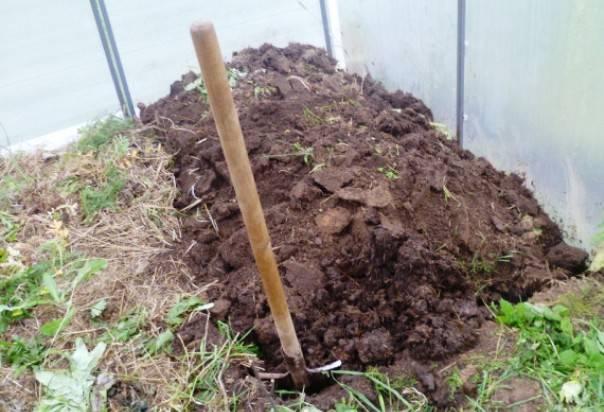
- Add fresh straw-based manure six months before planting. Initially, up to 15 kg per 1 m² is required; after three years, 5.5 kg is sufficient.
- Fertilizers are left on the soil surface, as deep placement leads to the formation of peat.
Light and medium loams
Light and medium loam soils are considered the most suitable for growing cucumbers. They have a naturally ideal structure, provide the necessary moisture, and maintain an optimal temperature. Medium loam soils should be fertilized with organic matter at a rate of 5.5 kg per 1 m².
Sandstones
Sandy soils are a poor choice for growing cucumbers. They don't retain water, preventing minerals from reaching the plant roots. Their high thermal conductivity leads to significant temperature fluctuations between day and night. There are two ways to improve the quality of sandy soils:
- Fertilizing. Mix the soil with two buckets of rotted manure and one bucket of peat per square meter of the greenhouse.
- Claying. Add 1.5 buckets of powdered clay mixed with rotted manure or compost to the greenhouse soil, then till the soil. Claying is repeated every 2-3 years.
Peat bogs
Fibrous, waterlogged peat soils are unsuitable for planting cucumbers. The peat becomes acidic and prevents the plants from developing properly. To ensure proper vegetable cultivation, the soil must be carefully prepared:
- The area is dried by installing drainage canals.
- For each square meter, add 1 bucket of powdered clay, half a bucket of sand, and up to 1.5 kg of lime, depending on the initial acidity of the soil.
- The soil is dug to a depth of 0.2 m.
- To begin the process of humus formation, add 1 kg of manure or humus per 1 m².
Sandy loam
Sandy loam soil is easy to cultivate and quickly forms humus due to its rapid warming rate and good water and air permeability. However, well-heated soil also easily loses heat at night. Its light structure accelerates the leaching of minerals. To obtain high-quality soil, it is necessary to amend it with fresh manure or compost in the spring several months before planting. A sufficient amount is 10 kg per 1 m².
Soil acidity assessment
The easiest way to determine soil acidity is with litmus paper. To do this, mix the soil with distilled water half and half and dip the strip in it for a few seconds. By comparing the result with a color chart, you can determine the soil's acidity level with relative accuracy.
In soils with acidity suitable for cucumbers, you can find plants such as:
- knapweed;
- fern;
- bindweed;
- burdock;
- couch grass;
- coltsfoot;
- bird's knotweed.
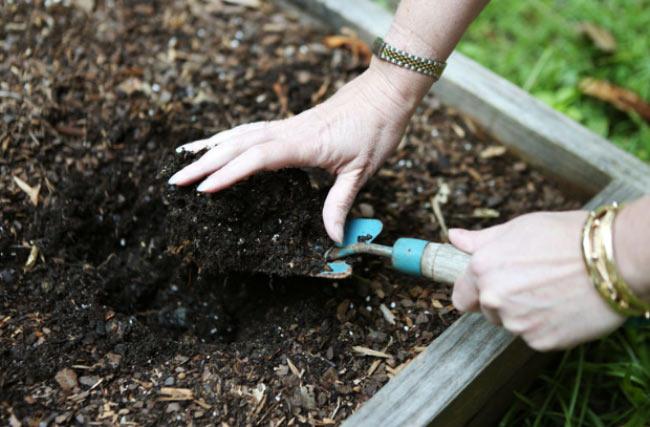 You can use table vinegar; if it doesn't react with the soil, it's clearly too acidic. Bubbles appearing on the surface indicate mild acidity.
How to prepare a greenhouse for spring planting
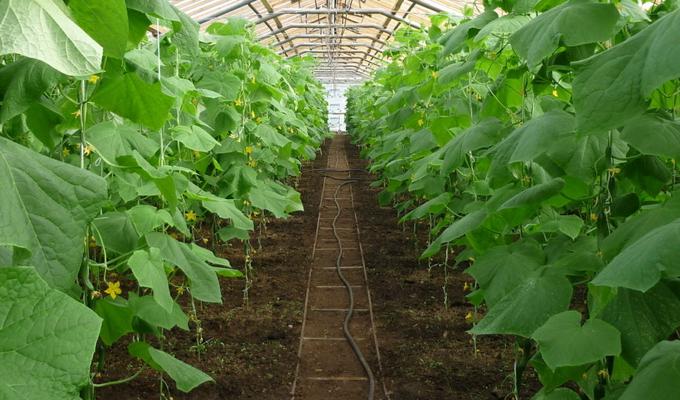
Before spring, the greenhouse needs to be supplied with meltwater by raising snow from the site onto the future beds. After the soil thaws, the polycarbonate greenhouse is thoroughly washed and the soil disinfected. Before planting cucumbers, fast-growing green manure crops are planted in the greenhouse. The soil is then dug and fertilized, and seedling beds are formed.

Disinfection
When using polycarbonate greenhouses on a foundation, it's impossible to maintain proper crop rotation and completely remove and replace the soil with new soil. In this case, the soil can be disinfected. There are several options for treating depleted soil before planting:
- The soil is poured with boiling water and covered with plastic wrap for 24 hours, after which it is dug over. The same procedure is repeated after 72 hours.
- Aerosol biofungicides are used.
- Six months before planting, add bleach at a rate of 0.2 kg per 1 m².
- The soil is treated with a 2% solution of 40% formalin and covered with plastic wrap for 72 hours. Planting takes place 0.5-1 month after this.
Debris and plant remains are removed from the greenhouse, and the structure itself is treated with a bleach solution.
Dry processing
After removing the old soil, dry-clean the greenhouse before applying fertilizer. It's recommended to do this using smoke:
- A sulfur smoke bomb is lit inside the greenhouse.
- Doors and windows are tightly closed for a period of several minutes until the fire burns out completely.
- The room is being ventilated.
- If possible, remove a 5-6 cm layer of soil.
Dry treatment is also performed using chemical fumigation. In this case, it is necessary to protect the body with clothing, including gloves and a hat, and the respiratory tract with a mask.
Preparing the soil and beds for growing cucumbers
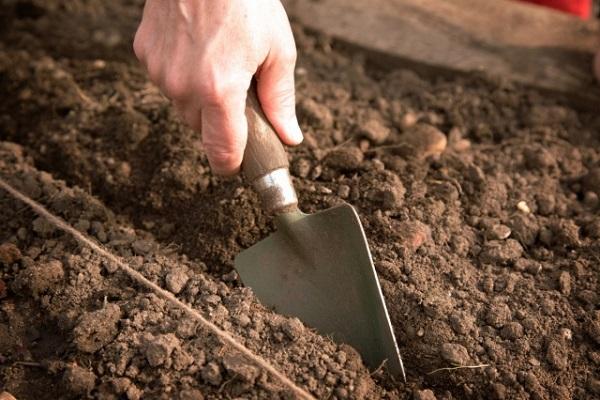
Every year, the soil in greenhouses must be prepared for the upcoming season. It's recommended to use suitable soil, preferably replaced with fresh soil each spring. This opportunity is rare, and the soil used last season must be prepared for cucumber cultivation manually.
The area inside the greenhouses and hothouses must be properly marked out and the beds organized to ensure plant growth and care.
Fertilization and soil optimization
To properly prepare the soil, it's important to consider the crops grown in the greenhouse last season. Growing cucumbers in the same spot for more than three years in a row is not recommended. Soil quality can be improved by planting green manure, applying fertilizer, and adjusting the soil's acidity.
Predecessors and green manure
An important condition for obtaining a high-quality harvest is maintaining crop rotation on the plot; it is recommended to rotate the vegetable crop every four years. When planting cucumbers, choose a site where the previous crops were:
- onion or garlic;
- tomatoes;
- bell pepper;
- cabbage;
- carrot;
- spicy perennial herbs;
- winter wheat.
It's not recommended to plant cucumbers where pumpkins, squash, and watermelons are. White mustard is planted as a green manure, which is mown down after a month and mixed into the soil.
Addition of mineral substances
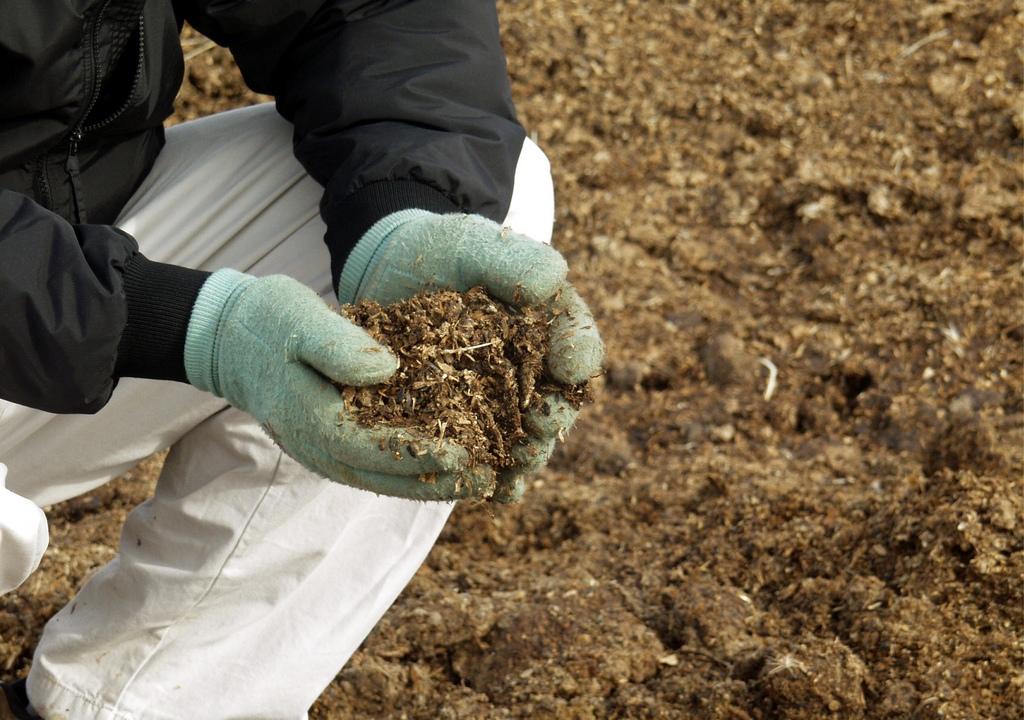
The soil should be prepared 14 days before planting seeds or seedlings. For each square meter of soil, add:
- 25 kg of aged manure or half as much compost;
- 40 g each of superphosphate and potassium sulfate;
- 15 g magnesium sulfate;
- 60 g of potassium magnesia.
The soil is dug over and watered at a rate of 10 liters per square meter. Seven days before planting, 30 g of ammonium nitrate is added, and the digging and watering are repeated.
Liming
When liming to reduce soil acidity, the following is used:
- limestone;
- chalk;
- bone meal;
- cement dust;
- wood ash;
- dolomite flour.
The amount of liming applied depends on the soil's acidity and texture. Since cucumbers react negatively to liming, it's best to apply these substances in the previous season, when the previous crops are growing. After application, the topsoil is dug over. Liming should be repeated no more than once every six years.
Use of top dressing
As a fertilizer, use last year's rotted manure, which is heated by pitchforking 4-5 days before placing in the greenhouse. The temperature of the organic matter can also be increased by adding hot water, quicklime, or very hot stones.
Manure is added when it reaches 65°C, spreading it in a layer up to half a meter thick. Evaporation continues for several days, and the organic fertilizer settles naturally, enriching the soil. A 10-cm layer of soil is added on top, using compost or a mixture of turf, peat, and humus.
Arranging a garden bed
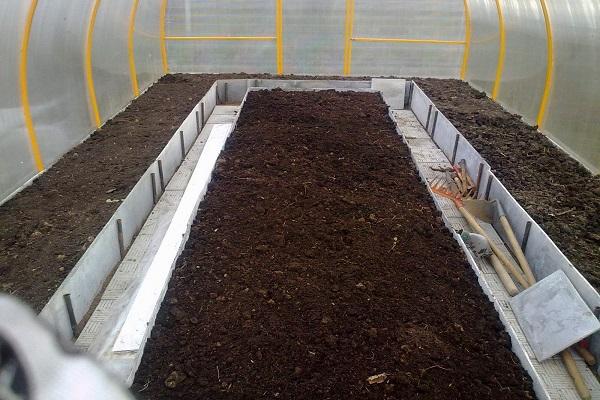
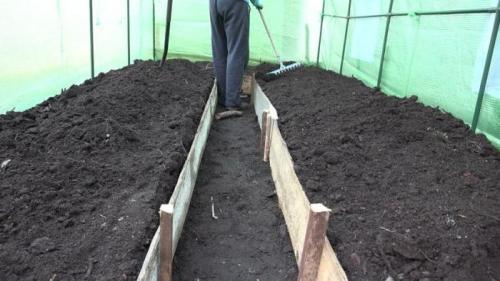
The size of the beds should correspond to the size of the greenhouse or hothouse. Typically, it accommodates 2-3 rows no more than 1 meter wide. They are arranged to allow easy access to the plants. Preparation includes forming borders to retain moisture and prevent erosion of the fertile soil layer. To maximize light, the beds are positioned in an east-west direction.
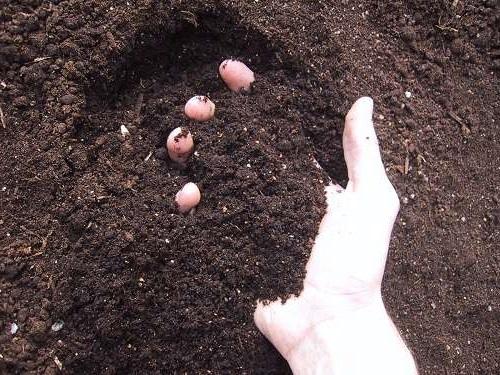
In the greenhouse, seeds are sown simultaneously according to the markings. They are spaced at least 20 cm from the walls, and the row spacing is 25-30 cm. When planting the finished seedlings, try to maintain a 30 cm gap between plants.
Related posts:
 Description of unusual methods for planting and growing cucumbers
 How to care for cucumbers in open ground from planting to harvesting
 How to properly plant cucumbers in open ground with seeds, and at what depth
 Description of the best varieties of Chinese cucumbers, planting, growing and care
 How to make a cucumber trellis with your own hands from scrap materials
 How to properly plant cucumber seedlings in a greenhouse and care instructions
 How to plant cucumbers in a greenhouse, at what distance and with diagrams
 Why do cucumber leaves curl inward and what to do about it?