
The Zanachka f1 cucumber is an early variety. The first harvest ripens 40 days after germination. The variety's name is no coincidence; it produces fruit for a very long time. It will be on the table until the frost, making it a delicious vegetable stash. This variety has received positive reviews from gardeners.
Description of the variety
Zanachka F1 is a hybrid variety. It has many advantages:
- This variety produces an early harvest, with numerous fruits per branch. The first cucumbers ripen on the branches 40 days after the shoots emerge from the ground.
- Resistant to a variety of diseases. The crop is resistant to root rot, olive spot, and downy mildew.
- Pollinated by insects.
- It can produce a good harvest in open beds, hotbeds, and greenhouses.
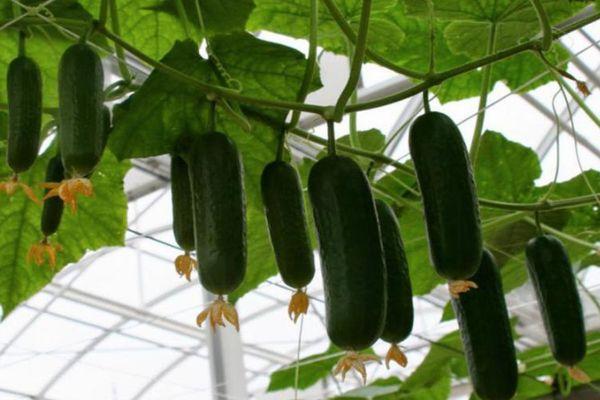
- The bush is massive, growing up to 3 m.
- The leaves are green. 3-4 fruits ripen in each leaf axil.
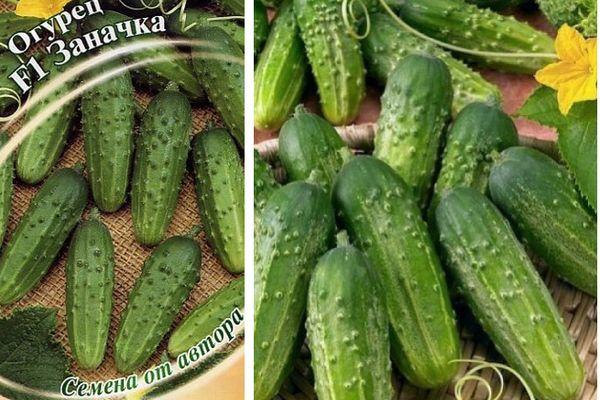
The fruit is standard cylindrical in shape, ranging from 9 to 12 cm in length. The cross-sectional diameter is 2.5 to 3.5 cm. Each fruit weighs approximately 100-130 g. The color is emerald. The cucumbers are covered with tubercles and small spines. Ribbing and subtle light green stripes are visible.
The flesh is dense, without voids. The flavor is classic, without bitterness. The aroma is faint. The skin is thin, but strong and elastic.

The yield is excellent. The Zanachka cucumber yields 10-13 kg of fruit per square meter. Fresh vegetables can be harvested every few days. Experienced gardeners recommend harvesting ripe fruits promptly to ensure nutrients reach those still developing. This ensures maximum yield.
These versatile cucumbers make excellent lightly salted cucumbers. They can be eaten fresh, in salads, and in various dishes. This variety is ideal for winter preservation. Their small size means they fit easily into pickling jars whole.

Advantages:
- Early harvest.
- High-quality commercial appearance of fruits.
- Resistance to common diseases.
- Long fruiting period.
- Versatile use. This variety is ideal for fresh consumption, salads, and winter preserves.
- The variety is undemanding to care.
- Can be transported over long distances without damage.
- Cucumbers Zanachka F1 have a long shelf life.
- Excellent taste, never bitter.

Flaws:
- The variety requires insects for pollination.
- Zanachka F1 is a hybrid, so you can't harvest cucumber seeds yourself for next season. Theoretically, you can, but the cucumbers will be inferior in quality and yield to the mother plants.
How to grow cucumbers?
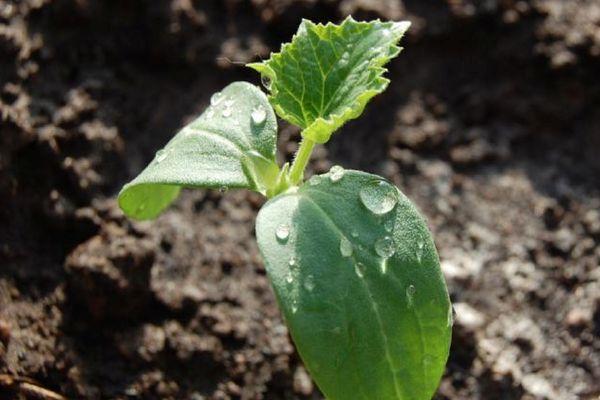
This variety can be grown either from seedlings or by sowing seeds directly into the garden. Seedlings are cultivated in April, about a month before transplanting to their permanent location. Cucumbers develop very quickly. Within a few weeks, seedlings in tubs transform from small sprouts into green thickets.
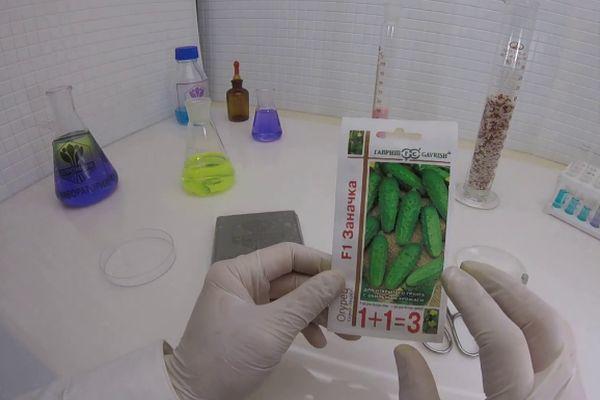
Before sowing, soak the seeds in a growth stimulator for 12 hours. Then, place them in containers with potting soil. Cover the seedlings with plastic wrap. The first sprouts will appear in a few days. Provide them with light and sufficient water. Failure to water thoroughly can negatively impact yield.
Transplanting to a garden bed or greenhouse takes place in May. At this time, cucumber plants have strong stems and a few leaves. It's not recommended to plant the Zanachka variety in June, as it's too hot and too light for the plants. Such conditions can negatively impact the developing crop.
Before planting, the soil must be prepared. It must be dug, fertilized with organic matter, and weed roots and debris must be removed.
One of the best fertilizers for cucumbers is manure diluted with water at a ratio of 1:5. Space plants 30-40 cm apart. Each plant needs enough space to develop its root system. Cover the cucumbers with UV protection film for the first few days. Direct sunlight can burn the leaves.

The variety is planted in a permanent location using seeds in May. The seeds are sown into the soil at a depth of approximately 3-4 cm, spaced every 40 cm. The beds are covered with plastic to insulate the seedlings.
This variety prefers moist soil. Water the plants regularly. It's best to do this every other day in the evening with room-temperature water.
The stash is not demanding in terms of care, but simple agricultural procedures must be carried out. These include weeding the bed, loosening the soil, and enriching it with oxygen. Once the fruit ripens, daily watering is required. This variety requires no additional fertilizers other than those applied to the soil before planting.
Related posts:
 The best grape varieties for growing in the Urals, planting and care rules in summer
 Descriptions of the 20 best cherry varieties for the Moscow region, their planting and care
 80 Best Eggplant Varieties for Different Regions with Descriptions and Characteristics
 Description of 30 varieties and types of Muscat grapes, planting, cultivation and care
 Description of the 90 best varieties of beans for open ground with names
 Descriptions and names of varieties and the best types of radish, planting and care
 Description of the best, most productive and new varieties of cucumbers for 2025
 How to grow grapes in the Moscow region in open ground without a greenhouse