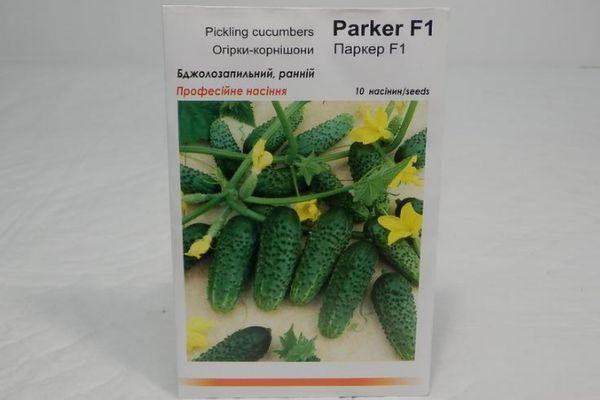
Gardeners enjoy growing the Parker f1 cucumber in their gardens. This variety has gained popularity due to its versatility. A bountiful harvest can be obtained both in open ground and in greenhouses.
The plant tolerates heat and short-term drought well. The hybrid is resistant to various fungi and viruses. Its flavor is highly rated. This is why the Parquet variety is successfully grown throughout virtually the entire CIS.
Its cultivation techniques are fairly simple and don't have any in-depth specifics. It's enough to properly organize the growing process, from planting seeds for seedlings, transplanting into the garden beds, and harvesting a high-quality crop. The agricultural company that produces cucumber seeds provides clear recommendations on growing and caring for the plant.
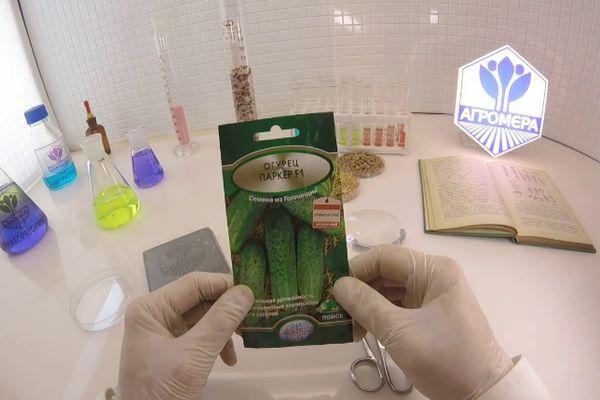
Description of the variety
This variety is an early-ripening one. The hybrid's growing season lasts 44 to 46 days. The plant produces both male and female flowers. Pollination occurs with the help of bees.
The bush is indeterminate. Its trunk is strong and robust, with a well-developed root system. The branches bear a dense mass of fruit. A characteristic feature of the Parker variety is that the cucumbers are all uniform in size.
The foliage is light green with a gray tint. The leaf surface is rough and slightly wrinkled.
After 4-5 leaves appear on the branch, the first ovary appears. One to three cucumbers form on it. For ease of harvesting and to preserve the fruit on the bush, it's best to install a net or trellis immediately upon planting, allowing the plant to climb evenly.
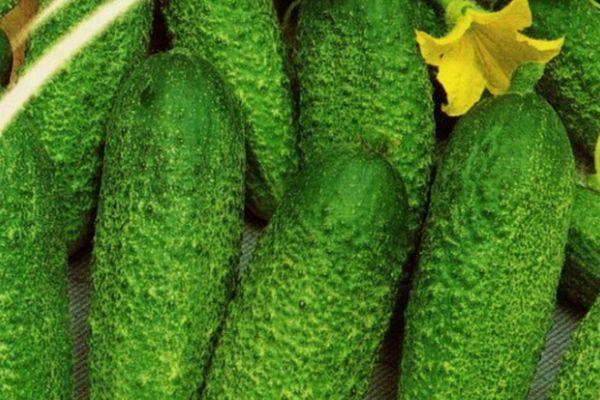
The description and general characteristics of the Parker cucumber variety are as follows:
- The fruits have a uniform cylindrical shape. If left on the bush for too long, they will begin to expand.
- The cucumbers are dark green in color, without stripes or inclusions.
- The length of one fruit is on average from 6 to 12 cm; and its diameter is no more than 5 cm.
- The average cucumber weighs 100-110 g.
- Cucumbers are highly prized for their flavor. The fruits are juicy and aromatic, completely free of bitterness. The flesh has a pleasant, slightly sweet yet spicy flavor. Cucumbers are used in cooking for fresh salads, winter preserves, and pickling.
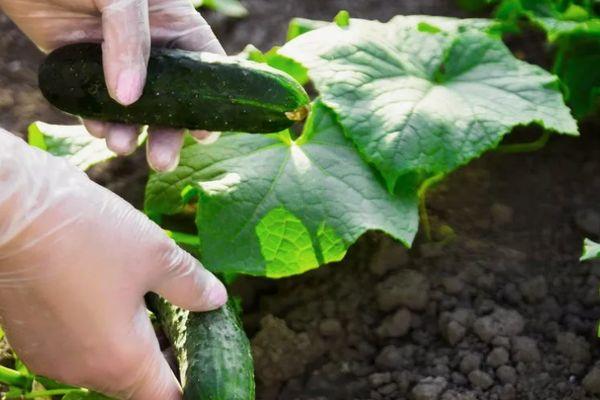
- The vegetable yield is high. Up to 11 kg of fruit can be harvested from 1 m². Cucumbers are harvested from mid-June until October.
- The hybrid is resistant to fungi such as powdery mildew, olive spot and tobacco mosaic.
Farmers prefer this variety because the vegetables have a good marketable appearance and withstand long-distance transportation well. Furthermore, the plant has a strong immune system and is resistant to fungi and viruses.
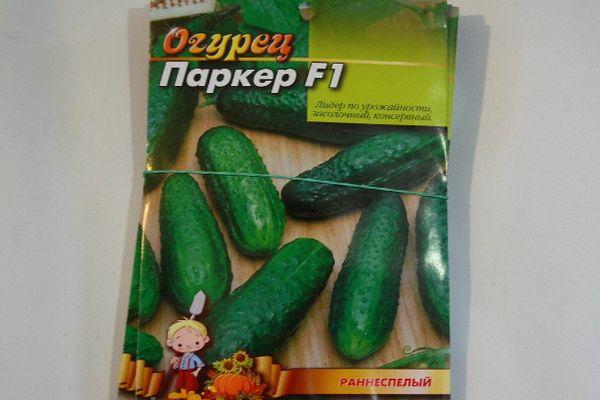
The Parker variety has many advantages, but it also has its drawbacks. Among them are:
- It is not possible to collect seeds from the plant, since the crop is hybrid.
- Pollination is only possible through the use of bees. This can be challenging in greenhouse conditions.
Otherwise, the plant has no drawbacks.
Rules of agricultural technology of the variety
Parker cucumbers are grown in two ways.
Seedling method
Experienced gardeners prefer to treat seeds with a growth stimulant and a manganese solution before sowing them for seedlings, but hybrid planting material does not require this, as the manufacturer produces it already treated with fungicides.
Seeds for seedlings are planted in special containers. They are filled with soil consisting of equal parts of turf, humus, and sand.
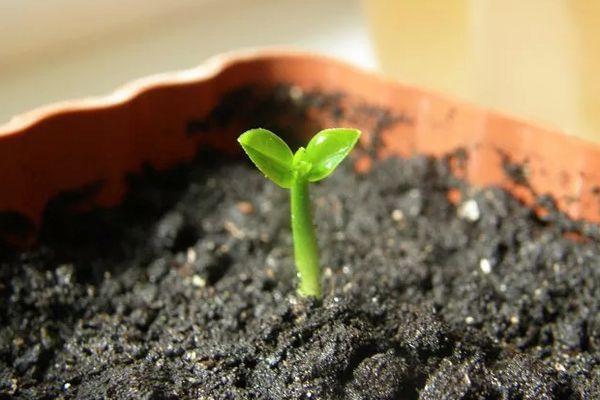
Make shallow planting holes, about 2-3 cm deep. Experts recommend planting seeds directly into peat pots. This will allow for easy transplanting into the ground and speed up the plant's adaptation to its new location.
After planting, water immediately. Use settled, warm water. Then cover the container with plastic wrap and move it to a warm place. Store it there until the first leaves appear.
When the first shoots appear, the seedlings are transferred to a more illuminated place and the film is completely removed.
Once a week, seedlings need to be fed with mineral fertilizers.
Seedlings are planted in beds when they are 1-1.5 months old. By this time, the sprouts should have formed 3-5 leaves.
To plant cucumber seedlings, you need to choose the right location for the beds. First, the soil should be nutritious, loose, and sufficiently moist. Second, zucchini and pumpkin are considered poor neighbors and predecessors in the beds.
Planting seeds in open ground
Before planting, it's worth checking the seeds for germination. To do this, prepare a saline solution and place the seedlings in it. Seeds that sink to the bottom are considered suitable for planting.
Before planting, the beds should be fertilized with humus and mineral fertilizers. The soil should be thoroughly tilled and moistened.
Dig holes about 2-4 cm deep. Place the seeds in the soil, cover with soil, and compact lightly. Then mulch with sawdust or straw. The distance between the holes and rows should be about 50 cm.
Further care is provided as usual:
- Watering is carried out in the morning or in the evening and only with settled water;
- 10 days after planting, the plant needs to be fed with mineral fertilizers;
- weeding and loosening must be carried out regularly;
- It is recommended to carry out preventative spraying of bushes against pests and fungi twice per season.
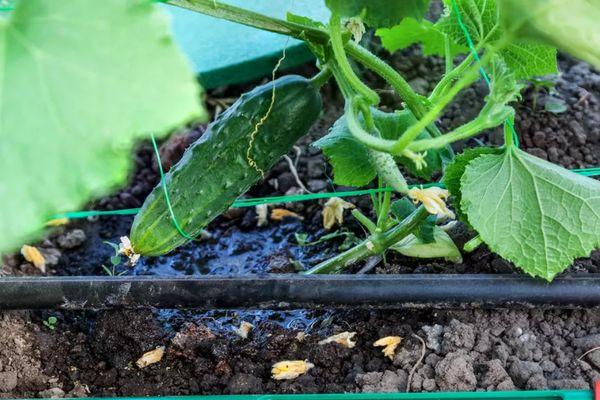
Growing under film
Vegetable growers prefer to plant Parker cucumbers under plastic. This method is suitable for both open beds and greenhouses. The beds in this case should be wide, about 1 m.
The soil must be prepared before planting. To do this, add compost and straw from the previous year. This layer is then covered with sod soil. After seven days, you can begin planting the seeds and cover the beds with plastic. The seedlings should not be uncovered until June 10th.
Related posts:
 The best eggplant varieties for growing in a polycarbonate greenhouse: planting and care
 80 Best Eggplant Varieties for Different Regions with Descriptions and Characteristics
 Description and characteristics of the best seeds of pea varieties and types
 How to propagate and grow peas, cultivation technology, and care in open ground
 When is the best time to plant tomato seedlings in 2025 and when to sow seeds?
 Description of the best, most productive and new varieties of cucumbers for 2025
 The best grape varieties for growing in the Urals, planting and care rules in summer
 Description of the Velika grape variety, cultivation and care tips