
The Alex F1 cucumber belongs to a group of early-ripening hybrids. This variety was developed by Dutch breeders from Bejo Zaden. The plant is included in the Russian State Register of Vegetable Crops intended for cultivation in private gardens and farms, in greenhouses and open fields. This hybrid is consumed fresh, used in salads, and canned.
Technical parameters of the hybrid form
The characteristics and description of Alexander cucumbers are as follows:
- A full harvest can be obtained 30-35 days after sowing the seeds. The plant has a female flowering type.
- The bushes of this cucumber variety grow up to 1.5 meters tall, with numerous branches bearing clustered ovaries. The plant's leaves are dark green and small.
- From 4 to 6 ovaries appear on 1 hybrid node.
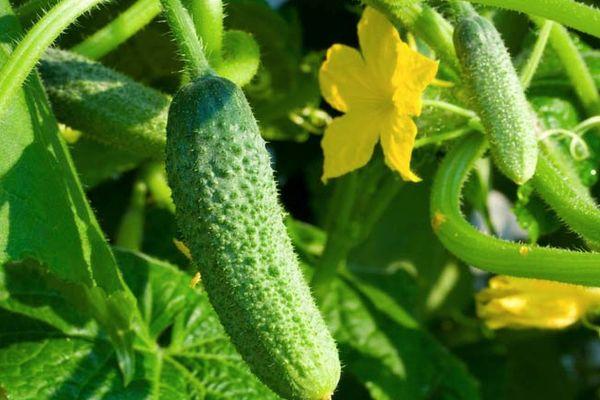
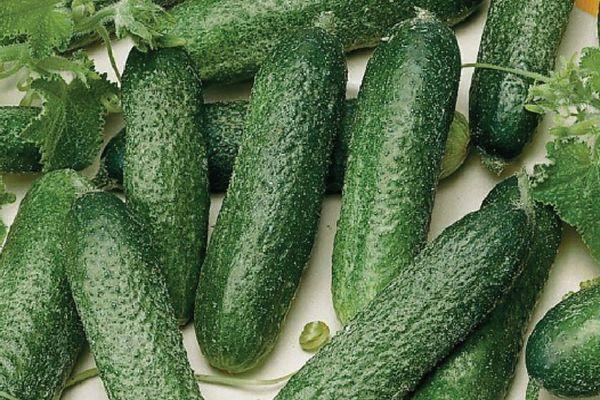
- The fruits are cylindrical in shape, with weakly developed ribs running along their surface. The length of the fruit ranges from 100 to 130 mm with a diameter of 3-3.5 cm. Fruit weight ranges from 70 to 90 g.
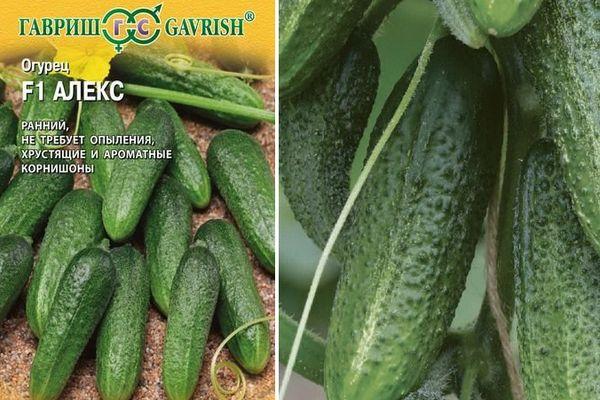
Feedback from farmers cultivating this hybrid indicates that the yield of cucumbers grown outdoors is up to 3 kg per square meter of garden bed. If a gardener grows the Alex F1 cucumber variety in a greenhouse, the yield increases to 5.5 kg per square meter of cultivated soil.
In Russia, this plant is grown in open areas in the southern part of the country. When cultivating the vegetable in the central part of the country, plastic greenhouses are recommended, while in the northern regions, heated greenhouses and hotbeds are recommended.
Methods of growing cucumbers
Some gardeners prefer to grow vegetables by directly planting seeds in their beds. The seeds are planted 20 mm deep in fertilized soil, watered, and allowed to germinate. There's no need to treat the planting material with disinfectants, as the seed company provides this treatment.
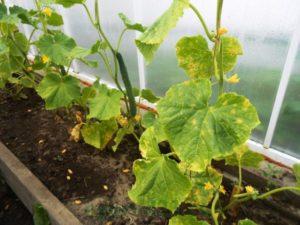
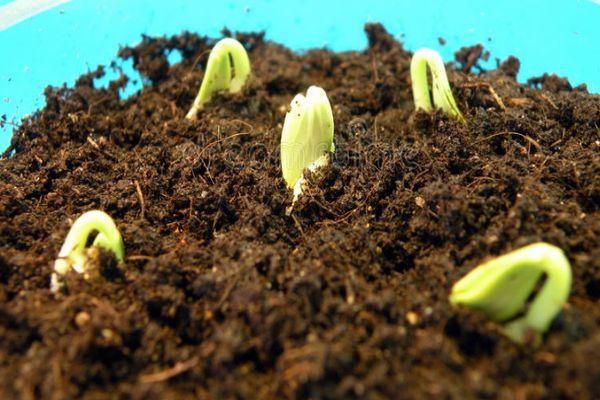
Sowing occurs when the soil is well warmed to a depth of half a spade. During cold weather, it is recommended to cover the seedlings with warm cloth. When sowing the hybrid in open areas, there is no need to shape the bushes. If the seeds are sown in a greenhouse, they are tied to trellises to maintain the shape of the plants.
When growing from seedlings, the seeds are first germinated on cotton cloth. After the seedlings sprout roots, they are transplanted into boxes with soil fertilized with nitrogen or organic mixtures. The seeds are planted 15-20 mm deep and watered with warm water every 5 days. Once the sprouts emerge, they are fed with a complex fertilizer.
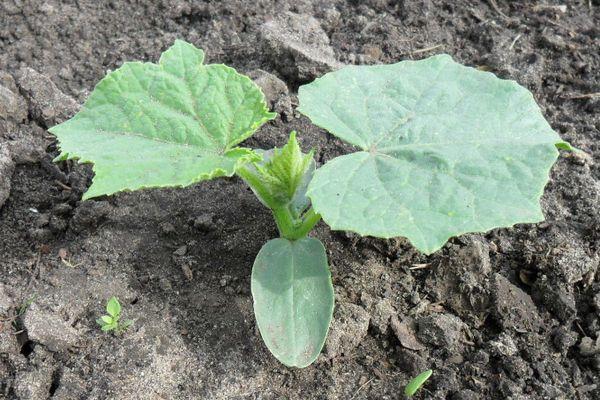
The seedlings are transplanted to permanent soil when they reach a height of 10-15 cm. Before transplanting, the beds are disinfected with potassium permanganate. The soil is loosened and organic fertilizer is added. To protect the seedlings from possible nighttime frosts, it is recommended to cover them with plastic film. It is recommended to plant no more than 3 plants per 1 m² of planting area.
Caring for growing cucumbers
To ensure that the plant in question produces good yields, its lower lateral shoots must be pinched above the 2nd and 3rd leaves.
Fertilize cucumbers every 7 days. Initially, organic and nitrogen fertilizers are used, which allow the plants to quickly gain foliage. When the first flowers appear, feed the hybrid with complex mineral fertilizers containing the right proportions of potassium, nitrogen, and phosphorus.
Water the plants early in the morning or late in the evening using warm water. It's recommended to water cucumbers moderately once every 2-3 days. Reduce the frequency of watering during rainy weather, but daily watering is recommended during hot or dry weather. You need to make sure that a lot of water does not accumulate under the bushes, otherwise the roots of the plants will rot.
Loosening the soil to aerate the hybrid's root system is done immediately after watering. This kills parasites that like to nest on cucumber roots.
Weeding garden beds helps prevent the spread of fungal and bacterial infections. This procedure is performed once a week. This procedure helps eliminate insects that feed on weeds and subsequently damage crops.
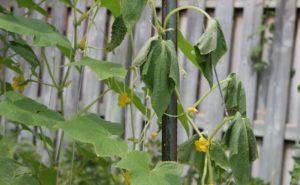
To prevent cucumbers from becoming diseased, it's recommended to spray young plants with medicinal preparations or copper sulfate. If symptoms of any disease appear on the leaves of a hybrid, the affected plants should be dug up along with their roots, removed from the plot, and then destroyed. These measures will help stop the infection.
If aphids or mites appear on plant leaves, destroy the insects with chemical pesticides. If these are unavailable, use a soap solution or copper sulfate to kill the pests.
Related posts:
 How to make a cucumber trellis with your own hands from scrap materials
 Description of unusual methods for planting and growing cucumbers
 Description of the best varieties of Chinese cucumbers, planting, growing and care
 How to properly plant cucumbers in open ground with seeds, and at what depth
 How to care for cucumbers in open ground from planting to harvesting
 Is it possible to soak treated cucumber seeds before planting and how to do it correctly?
 Types of fungicides for cucumbers in a greenhouse and instructions for use
 How to properly plant cucumber seedlings in a greenhouse and care instructions
Cucumbers of this variety are thin-skinned and not bitter. A single plant can yield quite a large harvest. I recommend fertilizing the seedlings withBioGrow", this will speed up its growth and strengthen it.