
- We are planning planting work for 2025.
- January
- February
- March
- April
- Unfavorable days for sowing and planting
- What influences planting times?
- When to plant tomato seedlings depending on the region
- Regions of Central Russia
- Ural and Siberian regions
- Leningrad Oblast
- Far East
- Belarus
- South of Russia
- Depending on the variety
- Greenhouse or open ground
- Determining dates using folk omens
- Sowing according to the lunar calendar
It's important for gardeners to know when to plant tomato seedlings for transplanting in 2025. The quality of the seedlings, and ultimately the future harvest, depends on the timing of seed planting. If tomatoes are planted too early, they will stretch too thin. If they are planted too late, they won't have time to produce a harvest before the autumn frosts. Each tomato variety has its own planting date. Information about planting dates is printed on the paper packaging.
We are planning planting work for 2025.
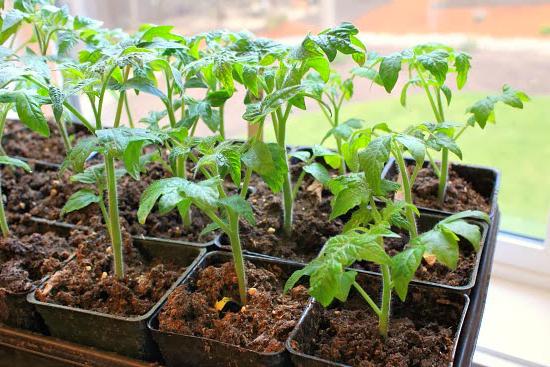
Tomatoes are first sown as seedlings. The plants need to sprout and grow a little. Tomatoes are first grown in boxes on windowsills or in a heated greenhouse at 20 degrees Celsius. The grown seedlings are then transferred to the garden bed.

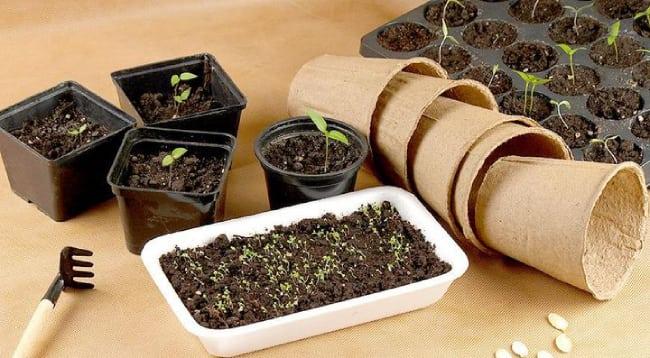
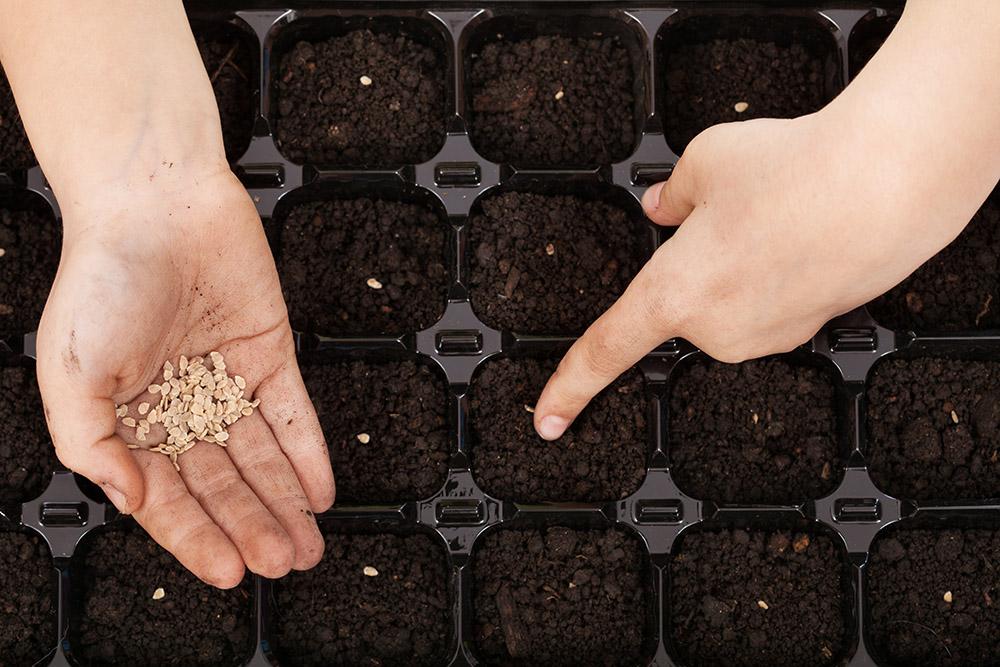
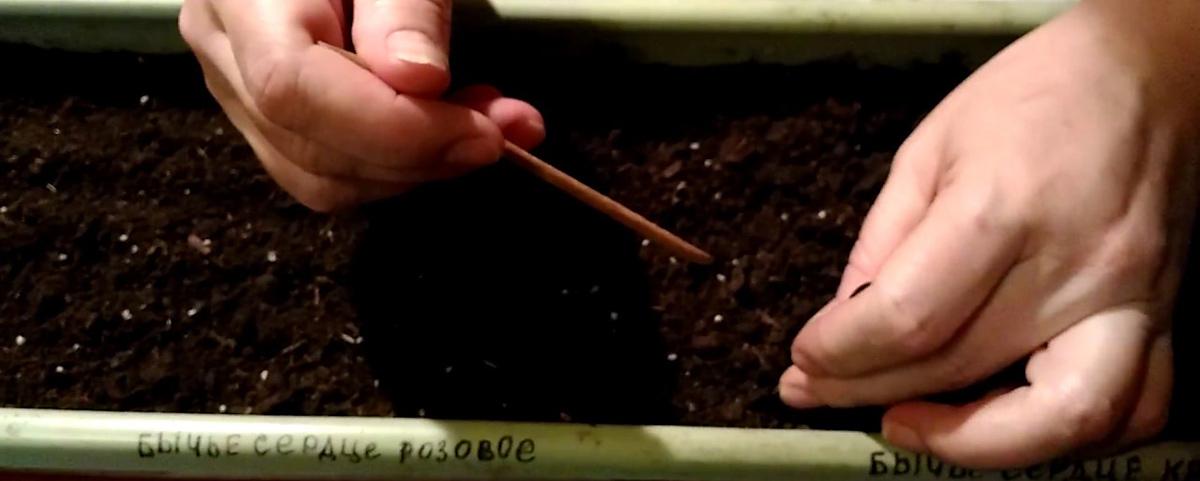
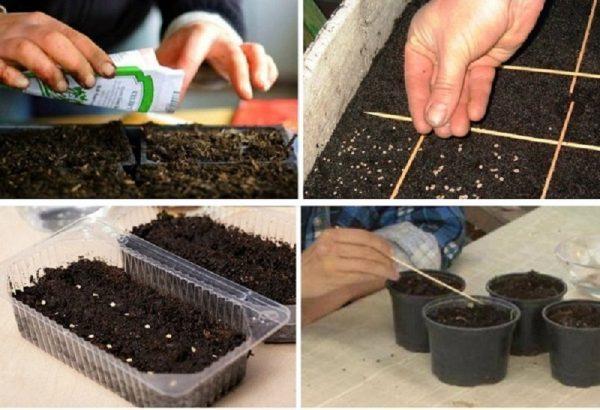
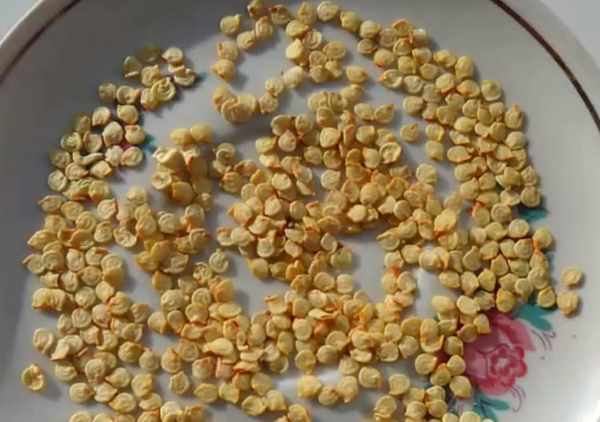
The seeds are pre-sorted, discarding any empty or unsuitable seeds. Healthy seeds are soaked in a liquid for 10 hours and sown in small plastic containers or wooden boxes. It's essential to prepare the soil for tomato planting. Fertilize it with compost, adding superphosphate, potassium sulfate, wood ash, and sand. It's advisable to buy ready-mixed peat soil.
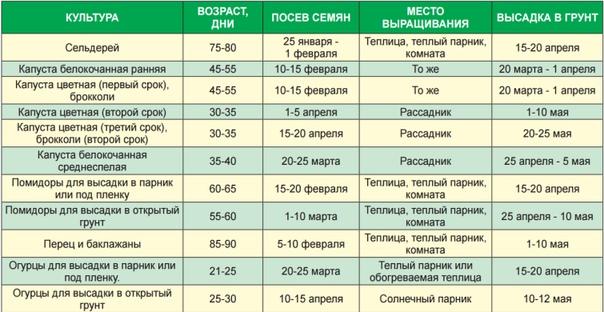
Seeds are sown from January to April. The planting time for this vegetable crop depends on the regional climate, variety, and lunar phase. 40-60 days should pass from sowing the seeds to planting them directly in the garden or greenhouse. If the air temperature reaches 15°C (59°F) and the soil temperature reaches 10°C (50°F) in early May, the seedlings are ready to be planted in the garden. This means it's recommended to plan sowing the seeds for early March.
January
Tomatoes are generally not planted in January. The seedlings will lack sunlight and will stretch out considerably before being transplanted into the garden. However, if you plan to harvest early in a heated greenhouse, the seeds can be sown after the New Year. It's best to sow tomatoes during the waxing moon. It's important to remember that seedlings need 14 hours of daylight. It's recommended to illuminate the growing seedlings with fluorescent lamps during the dark hours.
February
In February, seeds are sown for subsequent transplantation into a heated greenhouse in early May. Once seedlings emerge, they need additional light. The seedlings should grow slightly, but not excessively (to 33 centimeters) before transplanting. To achieve this, the temperature is reduced from 20 degrees Celsius to 15 degrees Celsius at night. Late, tall varieties are also sown in February for planting in a garden bed or greenhouse in late spring or early summer.

March
Early and mid-season varieties are sown with the arrival of spring. By mid-May or even the end of May, when they can be transferred to the garden, they will have grown and produced up to 10 leaves. March planting is considered the most suitable. With the arrival of spring, the days become longer, and the grown seedlings do not need additional light. Furthermore, the stems will not have time to stretch much before they are transplanted to the garden bed.

April
With the arrival of April, it's recommended to sow early-ripening and early-ripening vegetable varieties. April planting is suitable for growing crops in an unheated greenhouse or a regular garden bed in warm climates.
Unfavorable days for sowing and planting
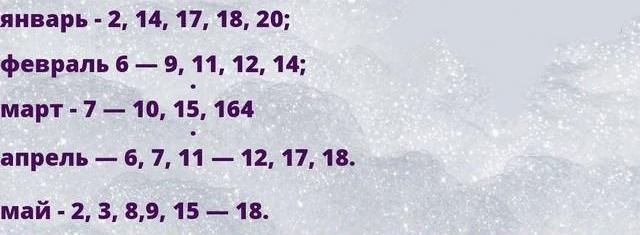
It's not recommended to sow seeds during the waning moon. The seedlings will grow poorly, all the sap will go to the roots, and the fruit yield will be very low. It's recommended to plant tomatoes during the waxing moon. You can use the lunar calendar to find out when the unfavorable period for planting falls.
What influences planting times?
The exact timing of seed sowing is influenced by climatic conditions, the chosen tomato variety, and the phases of the moon. Vegetables are recommended to be grown in special heated greenhouses, hotbeds, and in the garden. Sowing times vary greatly depending on the local climate and the gardener's chosen growing method.
When to plant tomato seedlings depending on the region
It's best to sow seeds for seedlings, taking into account the climate conditions of your region. For southern latitudes, it's best to sow seeds in early March, for central Russia, in mid-March, and for northern regions, in late March or early April.
Regions of Central Russia
Timing of planting seeds:
- early ripening varieties (for transplanting into the garden) - beginning of April;
- early ripening (for transplanting into the garden under film) - after March 15;
- tall-growing (for greenhouses) - end of March and beginning of April;
- low varieties (for greenhouses) - in mid-March;
- large varieties - beginning of March.
Ural and Siberian regions
When to plant tomato seedlings:
- early ripening varieties - in early March;
- average - in mid-March;
- late ones - towards the end of February.
Tall tomatoes are sown from mid-February to early March. Dwarf tomatoes are sown at the end of March. In cold climates, it is recommended to grow tomatoes in a greenhouse.
Leningrad Oblast
It's best to sow tomatoes for seedlings from late February to April. Each tomato variety has its own planting time. For growing in the garden, it's best to choose low-growing determinate varieties. Indeterminate varieties can yield a good harvest in a greenhouse.
Varieties for the garden: Tamara, Nevsky, Iceberg, Skorospel'ny Leningradsky, Federico. Tomatoes for the greenhouse: Hurricane, Blagovest, Poisk, Sprinter.
Far East
Seeds for seedlings are sown from mid-March to early April. Transplanting into the garden is best done in early June. Tomatoes are recommended to be insulated with plastic sheeting. Vegetables grown in greenhouses yield a higher yield and can be protected from adverse weather conditions.
Belarus
Climate conditions allow for growing determinate tomatoes in the garden, while tall varieties can be grown in a greenhouse. Seeds should be sown in mid-March or early April. If sown in March, seedlings can be transplanted to the garden as early as the end of May. It is preferable to grow tall tomatoes in greenhouses.
South of Russia
Residents of southern regions can plan to sow seeds in the second half of February or early March. The seedlings are transferred to an unheated greenhouse in early May and to the garden in mid-May. Early-ripening varieties for southern climates include Khurma, Zagadka, Kuban, and Raspberry Giant. Mid-season varieties include Novinka Kubani, Russkiy Velikan, and Alpinog. Late-ripening varieties include Bychye Serdtse, Gigant Vostoka, and Zolotaya Kaplya.
Depending on the variety
Each tomato variety has its own period during which the mature seedlings reach the optimal age for transplanting. If the seeds are sown too early, the seedlings will become very elongated before they can be planted in the garden and will have difficulty establishing themselves in their new location.
What are the ripening times for different varieties, and when are seedlings planted?
- early ripening - 80 days, on the 40th day you can plant in the garden (Zhavoronok, Sanka, Olya);
- early ripening - 90 days, on the 50th day it is recommended to transplant into the garden bed (Primadonna, Sugar Bison, Tsar Bell);
- mid-season - 100 days, on the 60th day they can be planted in the garden (Moscow delicacy, Giant of the Moscow region, Siberian miracle, Suitor);
- late - 120 days, on the 70th day it is planned to transplant into a greenhouse or a garden bed (Bull's Heart, Titan, Date).
Late and mid-season tomatoes are sown for seedlings first. To prevent the seedlings from becoming too tall, they should be grown at a temperature of 15 degrees Celsius.
Initially, the room temperature should be above 20 degrees Celsius, but then gradually lower it. At home, the seedlings can be placed on a balcony or veranda.
Tomato varieties can be dwarf or tall. Indeterminate tomatoes grow continuously throughout the growing season, resembling a vine and reaching 2 meters. Determinate tomato varieties are short. They don't grow for long, but form a compact bush. Tall varieties are late-season varieties. They need a long time to develop a lush foliage. They are sown first for seedlings, but transplanted to the garden later.
Take a look Also

Greenhouse or open ground
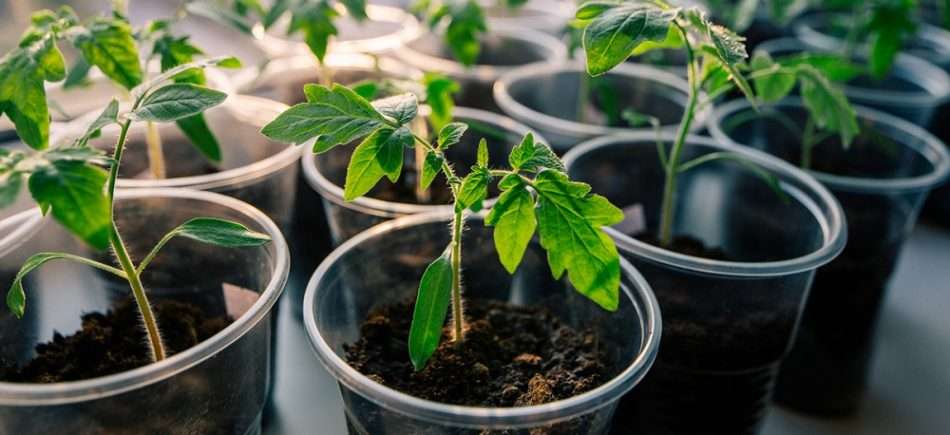
Once the seedlings reach 25-33 centimeters, they can be transplanted into a garden bed or an unheated greenhouse if the air temperature reaches 15 degrees Celsius and there is no risk of frost at night. Plants should be transplanted into the garden only when they have developed 8-12 leaves. The trunk should be thick, and the leaves should be dark green. Pale seedlings will produce a poor harvest.
Early and early-ripening varieties are grown in garden beds or greenhouses. Late-ripening varieties should be grown exclusively in a greenhouse, as they may not survive until the first frost.
Determining dates using folk omens
The timing of tomato planting can be determined by old folk beliefs. Tomato seedlings are sown when snowdrops bloom. Seedlings are transplanted to the garden when lilacs and rowan trees are in bloom. By observing the weather in March, you can predict what the coming summer will be like. Frequent fog in early spring predicts a rainy summer. Thunder in March predicts a good harvest. If frosts end by April, the summer will be warm. If lightning flashes in March but no thunder is heard, the summer will be dry.
Sowing according to the lunar calendar
It's best to sow seeds for seedlings on favorable days according to the lunar calendar. Tomatoes should be planted in 2025 only during the waxing moon. During these days, the plant's sap rises. Avoid planting, picking, or transplanting tomatoes during the waning moon. These days are favorable only for a good root crop. Planting during the new moon or full moon is not recommended.
Related posts:
 Favorable planting days for tomatoes in March 2025, when is the best time to sow
 How and when to sow tomato seedlings in the Moscow region, timing
 What varieties of tomatoes are best to plant in a polycarbonate greenhouse?
 Description of the best varieties of black tomatoes for open ground and greenhouses
 Growing cherry tomatoes in a greenhouse and open ground, when to plant seedlings
 Growing and caring for tomatoes in a greenhouse from planting to harvest
 When to plant pepper seedlings in 2025, favorable days according to the lunar calendar
 The best and most productive tomato varieties for greenhouse cultivation in the Urals, with descriptions