
- We calculate the timing for sowing seeds
- Let's check the dates of the lunar calendar
- Mistakes made when choosing the landing date
- Tomato varieties adapted for the Moscow region
- Pink honey
- Shchelkovsky early
- White filling
- De Barao
- Gina
- The timing of sowing tomatoes for seedlings depends on their variety.
- Agricultural technology and growing tomatoes
- Preparing seeds for sowing
- We prepare soil and containers for cultivating seedlings
- Seed sowing technology
- Caring for seedlings
- Removing shoots and leaves from plants
- Watering
- Top dressing
- Loosening and hilling
- Staking tomato plants
- Tomato harvesting in the Moscow region
Planting different varieties Tomatoes in open ground in the Moscow region Tomatoes are sown in mid- to late May. Two months before transplanting the seedlings to the garden, the seeds are sown for transplanting. If tomatoes are sown directly into the ground in summer, they won't have time to ripen. After all, most plants begin to bear fruit 90-100 days after the first shoots emerge.
We calculate the timing for sowing seeds
The Moscow region has a moderate continental climate. Night frosts subside in mid-May. Summers are warm, with average temperatures around 17 degrees Celsius. June sees frequent rainfall, and July sees heatwaves. Autumn frosts arrive in October.
These weather conditions are suitable for growing early, mid-season, and late-season tomato varieties. However, seedlings must be grown first. Gardeners often ask: when should they plant vegetable seedlings?
Seeds of late tomatoes are sown at the end of February, mid-season tomatoes in mid-March, and early tomatoes at the end of March.
It takes about two months from sowing to transplanting the seedlings to the garden bed. When the plants reach 33 centimeters, they are transferred to the garden.
Let's check the dates of the lunar calendar
It's best to sow seeds according to the lunar calendar. Tomatoes are best sown during the waxing moon. This is when the sap begins to flow upward. It's not recommended to sow tomatoes during the waning moon. All the energy will go to the roots, and the tops will be weak, resulting in a puny plant and a low yield. It's also best not to sow seeds during the new or full moon.

Mistakes made when choosing the landing date
Some gardeners misjudge the timing of seed sowing. For example, they plant early tomatoes as early as early March. By the time they're transplanted, the seedlings have grown very tall, making it difficult for them to adapt to their new location. Long stems must be immediately tied to a support or covered with soil in two stages.
It is important to remember that each variety has its own specific planting time.
Information on sowing dates and required agricultural practices is usually provided on the paper bags containing the seeds. It's best to purchase seed from reputable manufacturers.
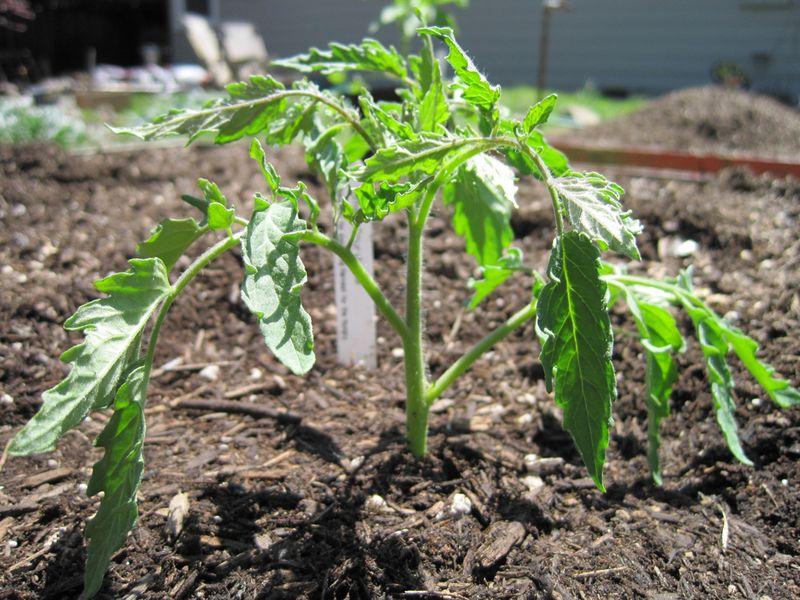
Tomato varieties adapted for the Moscow region
Tomatoes are heat-loving plants; they enjoy plenty of sunlight, moderately moist soil, and do not tolerate acidic soil. The Moscow region's climate is not entirely suitable for these crops. However, breeders have developed special varieties that produce excellent yields in this region.
Pink honey
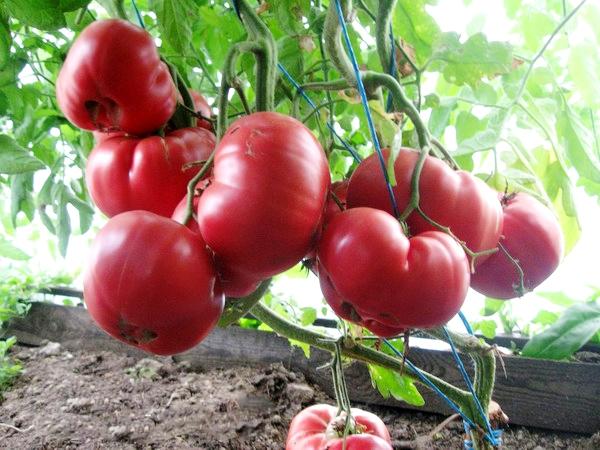
The tomatoes ripen 105 days after planting. The stems reach 60 centimeters in length. Ripe tomatoes have a pinkish color. They are large, weighing about 500 grams, with juicy, pink, sweet flesh. The fruits are round and irregular in shape. This vegetable is grown for salads or for processing into sauces.
Shchelkovsky early
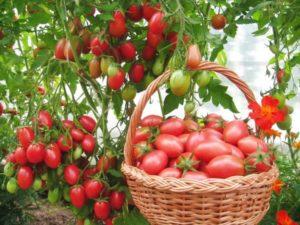
An early-ripening crop. The plant has a low stem and small fruits. This is a standard variety that doesn't require side shoots. Ripe tomatoes are reddish in color, round, and have a pointed tip at the bottom. Each tomato weighs about 60 grams.
White filling
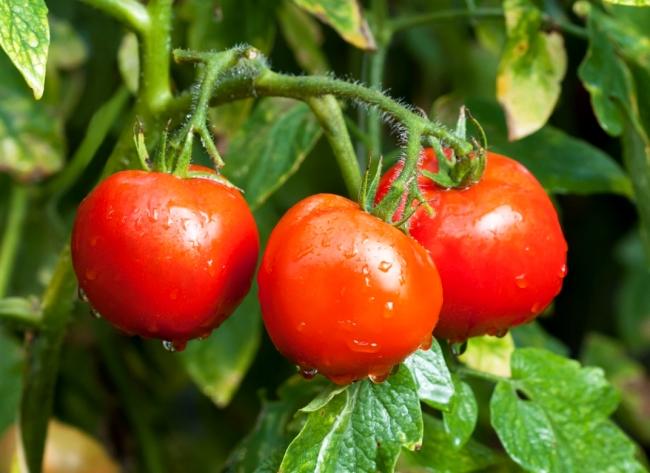
An early variety. It begins bearing fruit in 100 days. The plant has a short stem (about 50 centimeters) and produces medium-sized, reddish, round tomatoes. Each tomato weighs about 100 grams. A single plant can yield 3 kilograms of fruit.
De Barao
An indeterminate plant with a strong, long stem. There are several varieties of this cultivar, each with a different fruit color. The tomatoes come in red, pink, and yellow. The tomatoes are oval-shaped, weighing 80 grams each. The plant can yield 4-5 kilograms.
Gina
A determinate tomato variety. The tomatoes ripen in 110 days. The stem grows up to 60 centimeters long. Mature tomatoes are large, reddish, and round. Each one weighs about 250 grams. Tomatoes are grown for summer salads and for canning.

The timing of sowing tomatoes for seedlings depends on their variety.
In the Moscow region, determinate, semi-determinate, and indeterminate varieties can be grown. Seeds of tall plants are sown first. Sowing occurs in late February. In the second half of May, the seedlings can be transplanted to the garden bed.
Mid-season tomatoes are sown for seedlings in mid-March. Dwarf and early varieties are sown in the ground at the end of March. The mature seedlings are transplanted to the garden bed closer to summer, when the weather becomes consistently warm.

Agricultural technology and growing tomatoes
Vegetables love sunlight. It's best to choose a location for tomatoes away from tall buildings and other plants. Avoid growing tomatoes in waterlogged or acidic soil, as these conditions will kill the plants.
Preparing seeds for sowing
Before planting, the seeds should be checked. First, place the seeds in a glass of salt water for 20 minutes, discarding any that float to the surface. Then, dry the seeds and soak them in a pinkish solution of potassium permanganate for 30 minutes.
Ready-to-use, dyed, varietal seeds don't need to be disinfected. Simply soak them in water for an hour and then sow them in the soil mixture.

We prepare soil and containers for cultivating seedlings
Before sowing the seeds, prepare containers for the future seedlings and the soil mixture they will grow in until they are transplanted to the garden bed. Plastic containers should be rinsed with water and disinfected with a pink solution of potassium permanganate. Wooden boxes can be lightly burned with a blowtorch.
Seedlings can also be grown in peat pots or store-bought plastic cups.
The soil for seedlings is prepared in the fall. Use equal parts of garden soil, turf, leaf mold, peat, and sand. Add rotted manure or compost to the soil mixture. Over the winter, it's advisable to thoroughly freeze the soil outside to eliminate pests and microorganisms that cause plant diseases.

Two weeks before planting tomatoes, the soil mixture is poured into the boxes. The soil is watered with a solution of urea, superphosphate, and potassium sulfate (30 grams per ten liters of water), and dolomite flour or wood ash is added to the soil.
Seed sowing technology
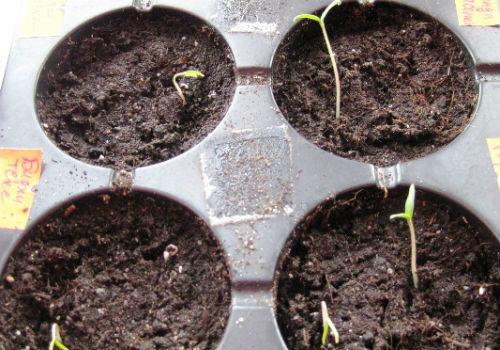
It's best to sow the seeds for seedlings in boxes at least 10 centimeters high. The seeds should be sown to a depth of no more than 1 centimeter. Make shallow paths in the soil, water them, and then sow the tomatoes, spaced 3 centimeters apart. Water the boxes containing the future seedlings, cover them with plastic wrap, and place them in a room with an air temperature of 22 degrees Celsius.
Caring for seedlings
The first shoots appear a week after sowing the seeds. During this period, tomatoes require a lot of light. It's best to provide 24-hour light for the first 24 hours. After that, ensure at least 16 hours of daylight.

When the seedlings grow and develop two leaves, they are pricked out, meaning they are moved individually from one container to another. It's best to water the tomatoes regularly. The soil shouldn't be too wet. However, be careful not to let the soil in the containers dry out.
The room temperature should be gradually reduced. During the day, it's advisable to constantly ventilate the room where the seedlings are located. The air temperature is reduced from 22 degrees Celsius to 18 degrees Celsius, and then to 15 degrees Celsius.
In the second half of May, when the weather warms up, night frosts disappear, and the soil warms to 10 degrees Celsius, the seedlings can be planted in the garden. Before planting, the seedlings must be hardened off. The plants are placed outside for several hours, increasing the time spent outdoors each day.

Tomato seedlings are transplanted into the garden early in the morning or evening, preferably on a cloudy day. The soil is prepared beforehand. The soil is dug and fertilized with well-rotted manure, wood ash, nitrogen, potassium, and phosphorus fertilizers. Tomatoes are planted opposite each other or in a staggered pattern, 40-60 centimeters apart.
Removing shoots and leaves from plants
All tomato varieties (except standard varieties) require side shoots to be removed as they grow. Side shoots that appear in the leaf axils should be removed regularly. Side shoots are removed for tall tomato plants. Short varieties can be left unattended.
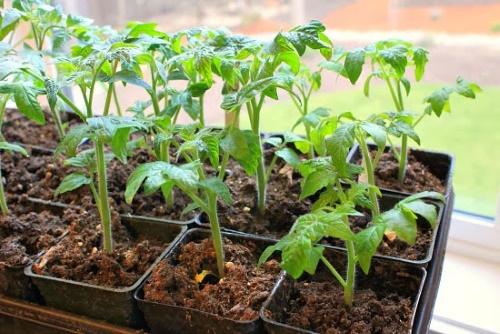
This procedure is carried out to prevent plant sap from feeding unwanted shoots. Side shoots are removed before they reach 5 centimeters, otherwise the plant will experience severe stress. Side shoots are removed early in the morning, and young shoots are simply broken off. Once the tomatoes bloom, remove the lower leaves on the stem.
Watering
If the weather is dry, it's best to water the vegetables daily. The key is to prevent the soil from drying out. However, the soil shouldn't be too wet. Excess moisture will cause the plant roots to rot. Water the plants in the evening. Tomatoes should be watered generously during the fruiting period and when the vegetables begin to ripen. If the weather is cool and damp, avoid watering.
Take a look Also


Top dressing
Along with watering, tomatoes are fertilized three times per season. The first application is made two weeks after transplanting the seedlings into the garden. For every ten liters of water, use 40 grams of phosphorus fertilizer, 15 grams of potassium fertilizer, and 25 grams of nitrogen fertilizer. A liter of the solution is poured under each crop.
The second feeding is done two weeks later (during the flowering period). Dissolve 30 grams of potassium sulfate and 0.5 liters of well-rotted compost in ten liters of water. Add 3 grams of copper sulfate or potassium permanganate to the liquid feeding.
The third time, the plants are fertilized is when the fruit ripens. The crop is fed with a boric acid solution (2 grams per two liters), and a week later, with a solution of superphosphate and potassium sulfate (30 grams each per ten liters of water).

Loosening and hilling
It's advisable to regularly loosen the soil around tomato plants to improve gas exchange and break up the soil crust. The soil should be loosened after watering or rain. During flowering and ripening, tomatoes should be hilled.
This activity strengthens the root system of vegetable crops and increases the flow of nutrients from the soil.
The soil around the plants can be mulched with dry grass or sawdust. This helps retain moisture and protects tomatoes from overheating in hot weather. It's not recommended to use spruce bark as mulch, as conifers make the soil acidic.
Staking tomato plants
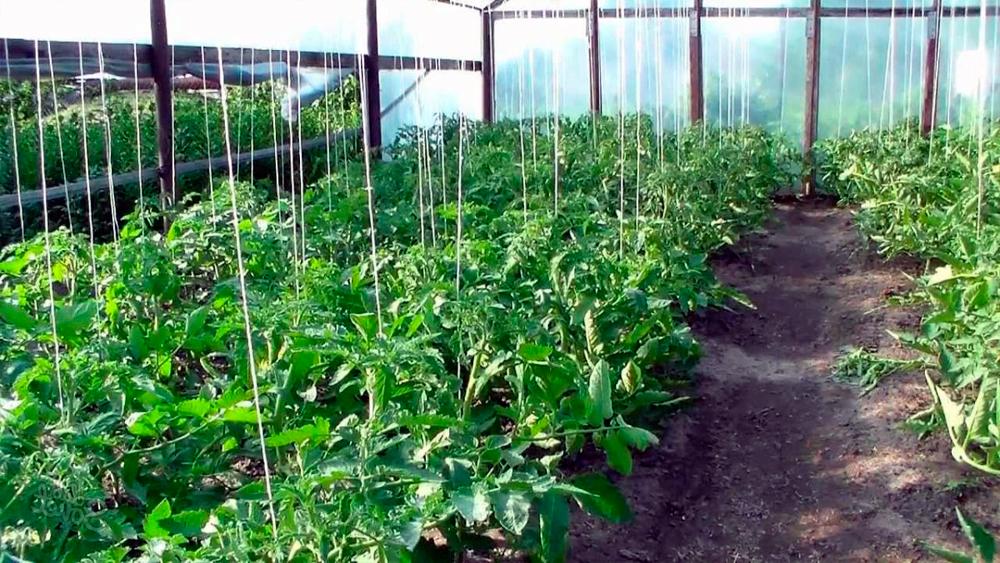
Low-growing vegetable varieties don't require staking, but taller plants must be tied to a support. Wooden stakes and trellises are used for staking. Not only the stems but also the clusters of large fruits are secured to the support to prevent them from breaking off under the weight of the vegetables.
Tomato harvesting in the Moscow region
Early tomatoes can be harvested as early as July. Mid-season tomatoes ripen in August. Late tomatoes begin to ripen in September. Tomatoes should be fully ripe or browned. Avoid picking green tomatoes; the fruits should turn slightly red on the vine.
Tomatoes are carefully picked from the plant, preferably with the stems attached, as this will help them last longer. Rotten tomatoes are discarded during harvesting. If, due to poor weather conditions, tomatoes are picked brown or slightly reddened, they are sent out to ripen.
Picked tomatoes can be fully ripened indoors. To do this, place semi-ripe tomatoes in boxes, place red tomatoes between them, and leave the tomatoes in a warm room for a week, then move them to a cool place. At a temperature of 5 degrees Celsius, tomatoes can be stored for about a month.
Related posts:
 Which tomato varieties are best for open ground?
 What varieties of tomatoes are best to plant in a polycarbonate greenhouse?
 Description of the best varieties of black tomatoes for open ground and greenhouses
 Growing and caring for tomatoes in a greenhouse from planting to harvest
 The best recipes for freezing vegetables at home for the winter
 The best cucumber varieties for open ground in the Moscow region and their cultivation
 16 Best Quick Pickled Tomato Recipes for the Winter
 TOP 17 recipes for pickled sweet tomatoes for the winter