
Many gardeners are interested in how to properly grow tomato seedlings in peat pots. Peat pots, a relatively new type of container, have already gained popularity among gardeners. These convenient containers make it easy for even the most novice and inexperienced gardener to grow tomato seedlings.
How to plant tomato seeds in peat pots?
How do you plant tomato seeds in peat pots? Before planting, the seeds need to be prepared in a certain way. The exception is pelleted tomato seeds, which are treated with a special substance by the manufacturer and therefore require no preparation.
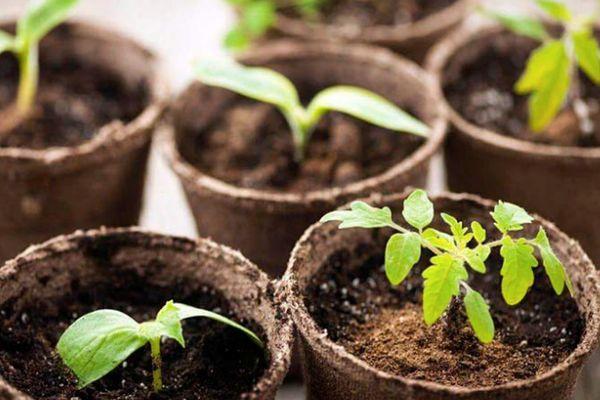
Preparing seeds for sowing includes the following stages:
- treatment against infectious and fungal pathogens;
- treatment with substances that stimulate plant growth;
- soaking in complex fertilizer.
To prevent infections and fungi, seeds are usually soaked in disinfectants; a manganese solution can be used for this purpose. Place the seeds in a small cloth bag and place them in a container with the prepared solution for a couple of hours. Afterward, rinse them thoroughly with water.
If old tomato seeds are being prepared for planting, it is recommended to treat them with growth stimulants. These are phytohormones that promote faster seed germination and accelerate seedling growth.
A deficiency of potassium and manganese negatively impacts plant growth and development, so these minerals are included in complex fertilizers. If seeds are collected from a bush deficient in these minerals, they will have a low germination rate, often stopping at a certain stage of development. To prevent this, seeds are soaked in a solution of complex fertilizer before sowing. Soaking for 24 hours is usually recommended. To prevent mold from developing on the seeds, they must be thoroughly dried before planting.
How to grow tomatoes in peat pots?
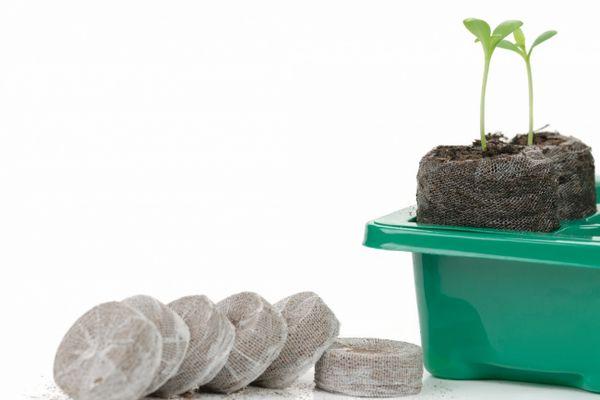
Growing seedlings in peat pots has many advantages: the peat shell doesn't get soggy, is virtually undamaged, and transplanting this way reduces damage to the seedlings' root system. The pots are made of 70% peat and 30% wood pulp.
The loose structure of the peat pots' walls allows free air access to the plant's root system. When choosing pots, pay attention to the walls: it is recommended to choose ones no thicker than 15 mm; they completely decompose within a month.
To grow tomato seedlings in peat pots, you need to prepare a special soil mixture, which must include vermiculite, sand, and sawdust in the required proportions. Sod soil is mixed with compost in a 1:1 ratio.
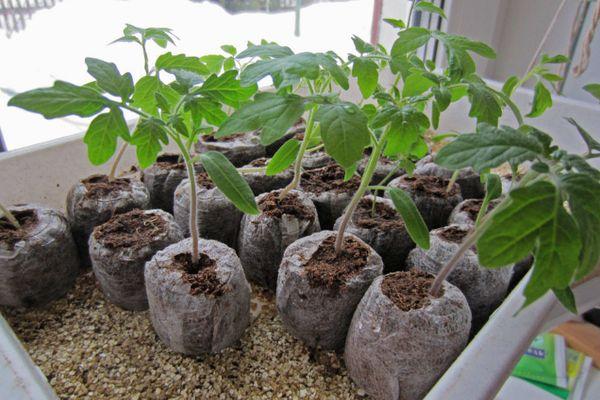
Before planting the seedlings, the soil must be disinfected by heating it thoroughly in the oven or pouring boiling water with a solution of potassium permanganate over it.
The growing cycle for tomato seedlings in peat pots takes 2 months; the exact timing of sowing seeds depends on the tomato variety.
Sow 1-2 seeds in peat pots to a depth of no more than 15 mm, covering them with soil. After planting, mist the seeds with water from a spray bottle. At a temperature of 22-25°C, tomato seeds will germinate in about 6 days; if the temperature rises to 30°C, they will germinate more quickly, within a couple of days. Once the seeds germinate, it is recommended to lower the temperature to 20°C during the day and 16°C at night. This is necessary for normal seedling development. Factors that can negatively affect the health and development of seedlings include insufficient sunlight, drafts, and excessively high room temperatures.
If the grown seedlings have stretched upwards and their stems have become thinner, this means that the plants did not receive enough light, or they were planted too densely and need to be thinned out.
Growing tomato seedlings in peat pots can pose some challenges, including the risk of fungal growth due to the root system becoming too cold. The sides of the pots can become an obstacle for the roots, which can slow down the seedlings' development. Peat can also acidify the soil, leading to stunted seedling growth due to a potassium deficiency.
Caring for tomato seedlings in peat pots
After a couple of leaves appear, tomato seedlings can be pricked out. To stimulate the growth of small roots, it is recommended to pinch back the taproot by a third. The room temperature should be raised by a couple of degrees. Once the seedlings are well established, it is recommended to return the previous temperature. During the first few days, it is recommended to protect the seedlings from direct sunlight and drafts.
During this period, the following problems may arise:
- the lower leaves turn yellow, which may indicate a deficiency of nutrients or light, as well as the onset of black leg;
- Stem rotting and mold may be a result of overwatering or an infectious disease.
Some gardeners recommend wrapping peat pots in plastic film. This is done to prevent the soil from drying out and the crystallization of water salts. The peat pots are placed in a tray, spaced slightly apart. If they are too close together, they can impede the air circulation of the shoots.
After the second pair of leaves appears, the seedlings are grown at 18 to 20°C during the day and 8 to 10°C at night. This regime is maintained for three weeks, after which night temperatures can be increased to 15°C.
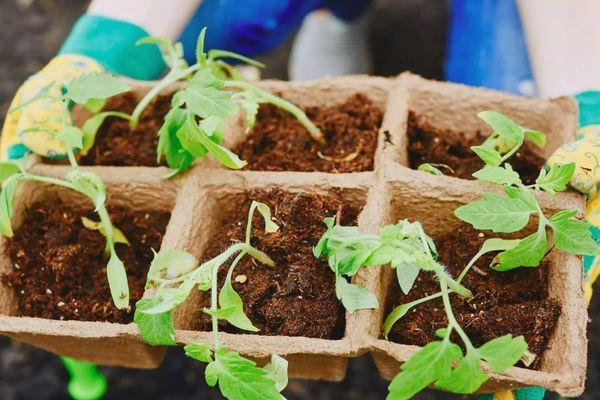
A few days before the planned transplanting date, it's recommended to place the seedlings outside overnight. These seedlings are called hardened seedlings and can be planted 7-10 days earlier than usual. A week after planting in the ground, it is recommended to feed the seedlings in peat pots with liquid mineral fertilizers.
Frequent, gentle watering is recommended for tomato seedlings grown in peat pots, as peat retains moisture. Mold and fungus can be prevented by using bottom watering.
Planting tomatoes in peat pots in the ground occurs with the containers attached. Before planting the seedlings, it is recommended to water the pots and treat them with a Bordeaux mixture solution.
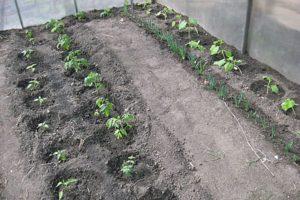
After transplanting into the ground, do not allow the soil to dry out, as this will cause the cups to stiffen. It is recommended to water the tomatoes only at the roots, avoiding moisture getting on the seedlings.
Related posts:
 How to properly grow tomato seedlings in peat tablets, tips for planting and caring for seedlings
 Is it possible to soak treated cucumber seeds before planting and how to do it correctly?
 How to properly plant peas in a greenhouse and open ground
 Methods for planting and propagating cherries at home
 Carrot care guidelines for outdoor cultivation to ensure a good harvest
 How to propagate and grow peas, cultivation technology, and care in open ground
 Why didn't the carrots sprout and what should I do? How to plant them so they sprout quickly?
 The best methods for growing grapes from seeds at home
I also grow seedlings myself, and if I follow all the listed conditions, the seedlings turn out strong and healthy, but I also feed them BioGrow, then the result is better, it has already been tested.