
- Signs of infection
- Oidium
- Mildew
- Gray rot
- Alternaria
- Main reasons
- Planting density
- Lack of light and fresh air
- Insufficient soil care
- Weeds and last year's leaves
- Lack of fertilizers
- Weather conditions
- Methods of control
- Sulfur-containing preparations
- Colloidal sulfur
- 1% Bordeaux mixture
- DNOC or Nitrafen
- Fungicides
- Acrobat MC
- Skor
- Vitaros
- Topaz
- Ronilan
- Topsin-M
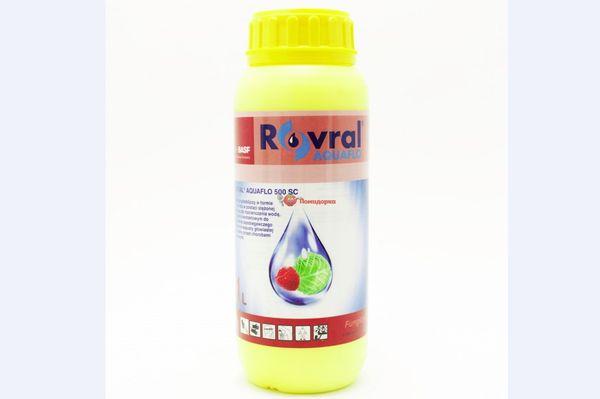
- Rovral
- Preparations that contain copper
- Preventive measures
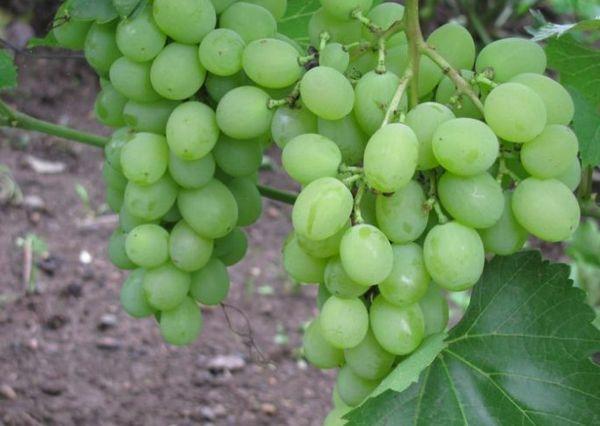
What should you do if a white coating appears on grape leaves and berries? This question is of interest to gardeners who grow grapes. These are symptoms of dangerous diseases that reduce yields and, in advanced cases, lead to plant death. The likelihood of damage can be reduced by taking timely preventative measures and properly caring for the vineyard.
Signs of infection
If a white coating appears on the leaves, shoots, and bunches of grapes, the plant is sick. There are several diseases whose main symptom is the appearance of light spots or mold. Before beginning treatment, it's important to carefully examine the affected areas and determine the specific disease.
Oidium
Powdery mildew is a fungus that overwinters in grape buds as mycelium. The conidia are carried by the wind to healthy parts of the plant and neighboring vines. The fungi germinate in the leaves and berries of the grapes, parasitize the plant, and feed off it. Temperatures above 25 degrees Celsius and high humidity are favorable conditions for the spread of the infection.
Powdery mildew attacks all grape varieties, especially Chardonnay, Rkatsiteli, and Cabernet Sauvignon. Aligote, Merlot, and Semillon are considered resistant to powdery mildew.
Diseased plants are stunted. Their leaves become partially or completely covered with a white powder. In June, this coating can be seen on the upper and lower surfaces of the leaves. Grape clusters and shoot tips appear dusted with flour. The vineyard smells fishy. Affected leaves soon dry out, and the diseased berries are destroyed by mold, bursting, and spoiling. If infected grapes are added to wine, it will acquire a moldy taste.
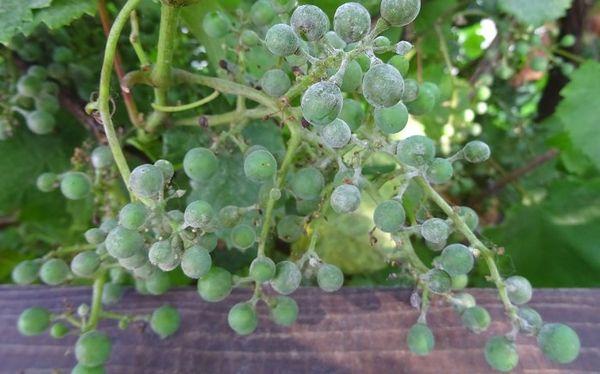
Sulfur is used to combat powdery mildew. This substance is absorbed by the fungus, causing its death. Apply the colloidal sulfur solution to the bush in dry, hot weather, early in the morning or in the evening.
Vineyards can be treated with both powdery mildew and mildew control products. In this case, colloidal sulfur is used with downy mildew fungicides. Powdery mildew control products include Dinocap, Karatan, Topsin M, and Bayleton. Vineyards can be pollinated or sprayed before and after flowering. Plants are treated 2-3 times per season.
Mildew
This disease is also known as downy mildew. It is caused by a fungus that overwinters in fallen leaves. When the weather warms, the spores germinate and are carried by wind and splashing water to the green parts of the grapevine. The fungus burrows into the tissue and feeds on the plant. Favorable conditions for development and further reproduction include high humidity and air temperatures of 23 to 27 degrees Celsius.
Most European grape varieties are susceptible to downy mildew. American varieties are more resistant. Potassium deficiency and excess nitrogen fertilizers influence the severity of the fungal infection.
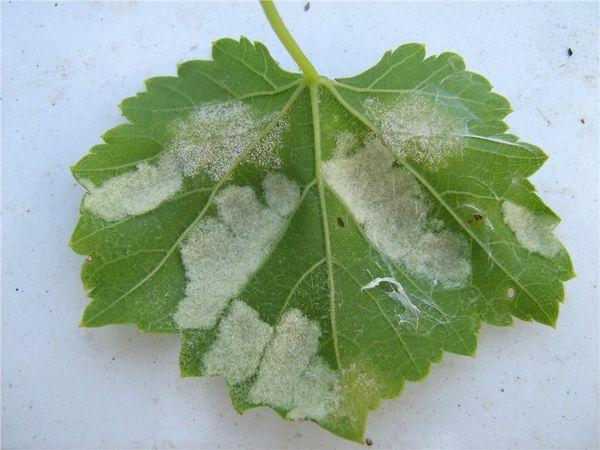
A change in leaf color indicates mildew. The leaf blades become lighter in color. Due to cell damage, yellowish, oily spots appear on the leaves. The tissue is affected near the veins. After a few days, a white, mycelial fluff forms on the underside of the leaf, beneath the spots.
Affected leaves turn lighter, dry up, and fall off. Inflorescences infected with the fungus turn yellow and curl. Infected berries turn blue, brown, and then shrivel.

Mildew should be controlled in the fall. Fallen leaves should be removed and burned outside the vineyard. In the spring, weeds should be removed and the plantings thinned. The first treatment should be carried out before flowering, before the grapes become covered with white fluff.
To combat the infection, copper-containing products, Bordeaux mixture, copper oxychloride, and fungicides (Ridomil Gold Cooper, Tsiram) are used. Two to three sprayings are performed per season.
Gray rot
This is a disease that is viewed with ambivalence. Gray mold, which appears on white grape clusters closer to autumn, is harmless. The mold improves the flavor of light-colored wines. If the fungus appears on red grape varieties, it destroys the coloring pigment. Its presence is undesirable for this crop.
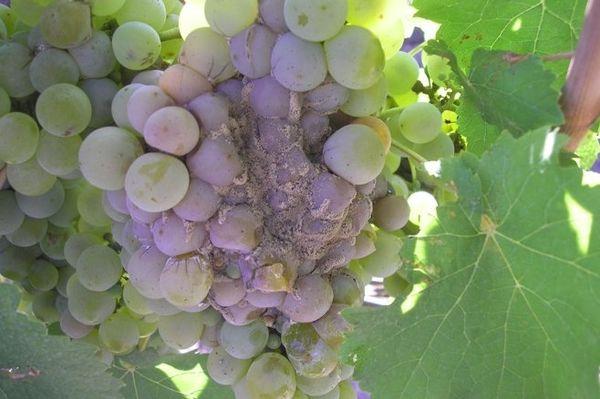
The fungus becomes active every time there is warm, humid weather. The infection affects all parts of the bush. In spring, gray mold covers emerging buds and young shoots. During prolonged damp weather, brown spots and light fungal fluff appear on the leaves. Gray mold can also cause berry rot.
The fungus attacks unripe fruit damaged by caterpillars. Ripe berries, through whose skins sugar seeps, are more susceptible to infection. Affected grapes turn brown and develop a gray coating. Hot, dry weather halts the spread of the infection.
To combat gray mold, use Bordeaux mixture with added liquid soap, Ronilan, or Rovral. Copper-containing preparations are used against the infection in early spring.
Alternaria
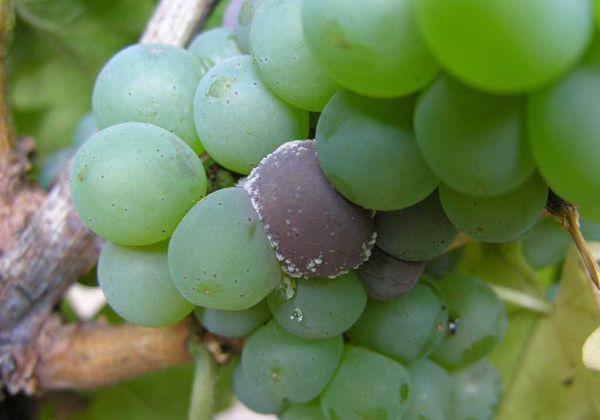
A disease caused by a fungus. The infection is most active in hot and humid weather. Affected parts of the grapes become covered with light spots, which then darken, and in humid weather, a velvety gray coating develops. Infected ripe berries have a metallic sheen. The fungus forms a dark gray layer on the fruit. Affected berries shrivel and become tasteless.
The disease is treated with Bordeaux mixture and a fungicide containing the active ingredient mancozeb.
Main reasons
The development of any fungal infection is influenced by a number of unfavorable factors. Plants that are weakened, damaged by insects, or mechanically infested are susceptible to the disease.
Planting density
If vines are planted close together, the shoots, grape clusters, and foliage will not receive enough sunlight to thrive. The plants will not warm up properly. Dew will constantly linger on the leaves. Nearby vines will lack nutrients.
All these factors will lead to the development of a fungal infection. Even in bushes planted far apart, excess leaves and branches that rob the plant of nutrients and interfere with ventilation should be removed in the summer. After all, the stronger and healthier the plant, the less likely it is to become infected with a fungus.
Lack of light and fresh air
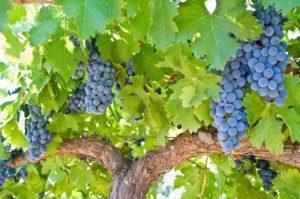
Vineyards react painfully to a lack of sunlight. In the shade, the plant withers, grows poorly, and pathogens begin to develop on the leaves and shoots.
Leaves need sufficient light for photosynthesis. This process allows the plant to produce the organic matter it needs. Furthermore, the plant won't be able to withstand diseases without fresh air circulation, as in an overly stuffy environment, the plant will begin to rot and become diseased.
Insufficient soil care
After harvesting in the fall, the soil should be dug to a depth of 26 centimeters. This procedure will kill weeds and suppress the growth of pathogens. The soil should be left in a cloddy state throughout the winter. Weed roots should be removed and removed from the vineyard.
In spring, the soil should be loosened and leveled. In summer, after rains, the soil is loosened five more times to remove the soil crust that prevents oxygenation. In early spring and after leaf fall, the soil is fertilized with organic matter and minerals. All these procedures have a beneficial effect on the health of the grapes and increase their resistance to disease.
Weeds and last year's leaves
In the fall, after the leaves have fallen, all fallen leaves must be removed and taken away from the vineyard. They may harbor insect larvae and fungal zoospores. The vineyard area must be constantly cleared of weeds.
Throughout the summer, moisture (dew) accumulates on the vegetation growing below. Constantly damp weeds create ideal conditions for fungal growth.
Lack of fertilizers
Grapes require mineral microelements for normal growth and development. The plant extracts these nutrients from the soil. If the soil becomes depleted, grapes grow poorly, and their leaves turn yellow and dry out.
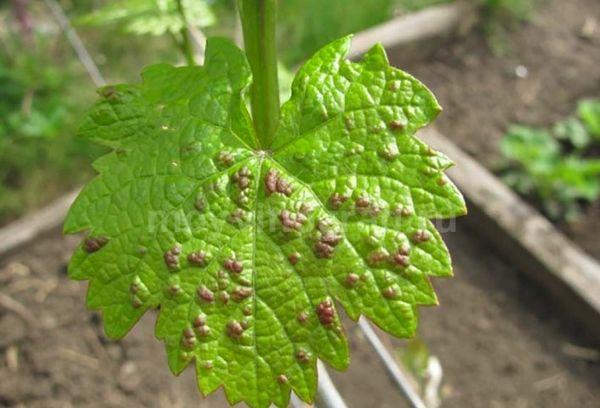
Fungi begin to develop on a diseased plant. However, it's important to be moderate when fertilizing the bush. Excess nitrogen leads to excessive foliage growth, while soft, waterlogged shoots and berries are more susceptible to various diseases.
Weather conditions
Grapes are a drought-resistant crop typically grown in areas with limited rainfall. If this condition isn't met, the plant begins to develop diseases. Warm weather and short nighttime rains promote the development of fungal diseases. During extreme heat and drought, the vineyard is less susceptible to diseases. At temperatures above 30-35 degrees Celsius, any infection is suppressed.
If disease symptoms appear at the very beginning of summer, it means the grapevines were not properly treated with chemicals in the spring. Six hours of rain are enough for the fungus to penetrate and develop. The favorable air temperature for infection is 25 degrees Celsius.
Methods of control
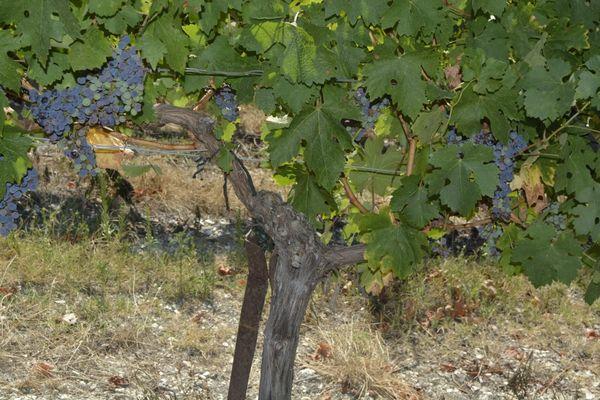
Grapes will be protected from disease if they are sprayed with the appropriate chemical in early spring as a preventative measure. Diseased plants can be cured. Before treatment, it's advisable to remove the affected parts of the grapevine to prevent the infection from spreading to healthy leaves.
Sulfur-containing preparations
Various products containing sulfur as an active ingredient are used to combat fungi. The fungicidal properties of these products are most noticeable in hot weather. However, plants should be treated early in the morning or in the evening. Products containing sulfur include Kumulus and Thiovit Jet.
Colloidal sulfur
A time-tested fungicide that inhibits fungal growth. Sulfur is effective in hot weather; treatment is carried out in dry, windless weather. The powder is added to water, then the bushes are sprayed with the fresh solution. The substance does not penetrate the plant, but inhibits fungal growth.
This product is used against powdery mildew and spider mites. The first sulfur treatment is carried out when the leaves emerge. Three to four sprays are applied during the growing season. The product is not used during the flowering period.
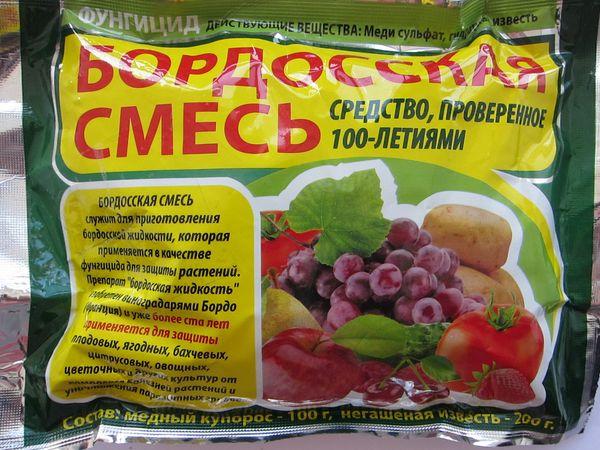
1% Bordeaux mixture
A contact fungicide that remains on the plant surface for a period of time, killing fungi and preventing the spread of infection. The product contains copper sulfate and quicklime. Both substances are dissolved separately in water, then mixed, and the resulting solution is immediately sprayed on the grapes.
When precipitation occurs, Bordeaux mixture is partially washed away, reducing its effectiveness. To protect plants from mildew, for example, the vineyard should be treated with this solution several times per season (4-6 times).
DNOC or Nitrafen
DNOC is a highly toxic fungicide. It is typically used on commercial vineyards. The fungicide is applied to vineyards once per season—in early spring, before the leaves emerge.
Nitrafen is a chemical fungal inhibitor. It should be applied to plants in early spring and only once per season. It can be sprayed on vines before leafing and used to disinfect the soil. Mix the product with water according to the instructions.
Fungicides
These are chemical agents that help destroy and prevent the development of fungal diseases. There are protective and curative fungicides. The former are used for disease prevention, while the latter are used to suppress the development of fungi.
Take a look Also
Fungicides can have either local or systemic action. In the former case, the active ingredient does not penetrate the plant but remains on the surface.
In the second case, the fungicide penetrates the plant and suppresses the infection. These products reduce the number of treatments and, unlike topical fungicides, are not washed away by rain. The vineyard is treated with systemic agents 2-3 times per season (before and after flowering, and 25 days before berry ripening).
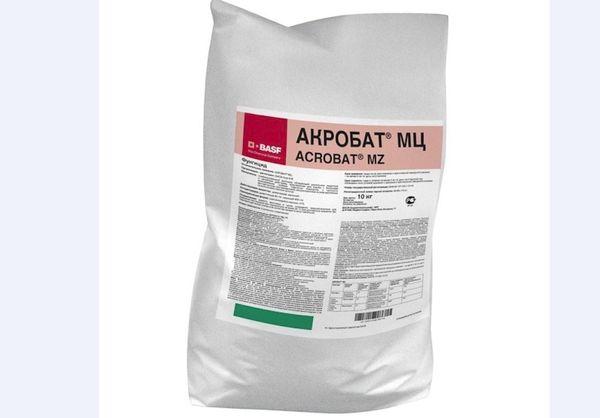
Acrobat MC
A systemic and contact product. Can be used to prevent and treat mildew. Effective for 2 weeks. Three treatments can be performed per season, spaced 20 days apart.
Skor
A preventative and therapeutic product for grapes. It is used against powdery mildew and gray mold. The fungicide penetrates plant tissue and spreads through blood vessels. The protective effect of the fungicide lasts for two weeks. The product is diluted with water according to the instructions, and the prepared mixture is immediately sprayed on the vineyard.
Vitaros
A contact and systemic fungicide that inhibits fungal growth. This treatment for a wide range of diseases is diluted with water and applied to grape leaves. This fungicide can be used no more than twice per season.
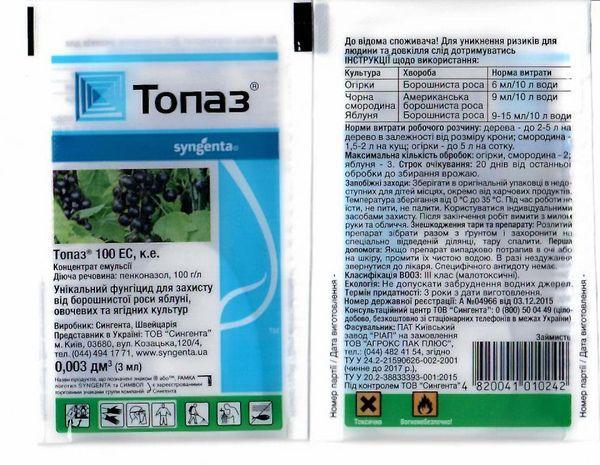
Topaz
A therapeutic and preventative product. Helps eliminate powdery mildew. The fungicide is diluted with water. Apply to grapes before leaf out and after flowering. A maximum of four applications is recommended.
Ronilan
A fungicide against gray mold and powdery mildew. Apply to vineyards after bud break and immediately after flowering. Four sprays can be applied per season. The final treatment is 27 days before harvest.
Topsin-M
A fungicide against powdery mildew and gray mold. It is used to protect and treat vineyards. Two to three applications can be made per season. Plants should not be sprayed during flowering. Treatments should be stopped three weeks before berry ripening.
Rovral
A chemical contact fungicide. It is used against powdery mildew and gray mold. Vineyards are treated when the first symptoms of the disease appear, but not during flowering. This product can be applied four times per season.
Preparations that contain copper
Fungicides containing copper protect grapes from many fungal infections. Commonly used products include Cuproxate, Copper Sulfate, and Cuprosil. Fungal spores absorb toxic substances and die. Copper-based products help combat downy mildew.
The first treatment is carried out in early spring. The solution is sprayed on the vineyard and watered into the soil to kill fungal spores. This treatment can be repeated 3-4 times per season.
Preventive measures
Preventative treatment of vineyards should be carried out at least twice a year: in early spring and late fall. Plants and soil are treated with chemicals. Grapes will be less susceptible to diseases if fertilizers are applied promptly and the soil is not allowed to become overwatered.
The vineyard must be constantly cleared of weeds and fallen leaves. In addition to fungicides, the vines are treated with insecticides to protect the plants from insects.
Related posts:
 How to grow grapes in the Moscow region in open ground without a greenhouse
 Description of the Julian grape variety, planting and care instructions
 How often should grapes be watered in the summer while the berries are ripening?
 The ripening time of grape vines by variety, how to speed up the process, and what to treat the plant with
 Description of the Krasotka grape variety, planting and care technology
 Description of 30 grape varieties for Siberia, planting and care for beginners
 Beginner's Guide to Growing Grapes in Open Ground in Central Russia
 Description of 30 varieties and types of Muscat grapes, planting, cultivation and care