
The "Boy-with-a-Thumb" cucumber is a product of Russian breeding and seed production. It is a very early bunching variety. This parthenocarpic hybrid is seedless and does not require insect pollination, which is important for a plant grown in greenhouses.
Characteristics of the species
Reviews of parthenocarpic varieties among gardening enthusiasts are often mixed and contradictory. The main drawback of pollination-free varieties is considered to be the lack of flavor in preserved fruits. However, a host of advantages minimize this.
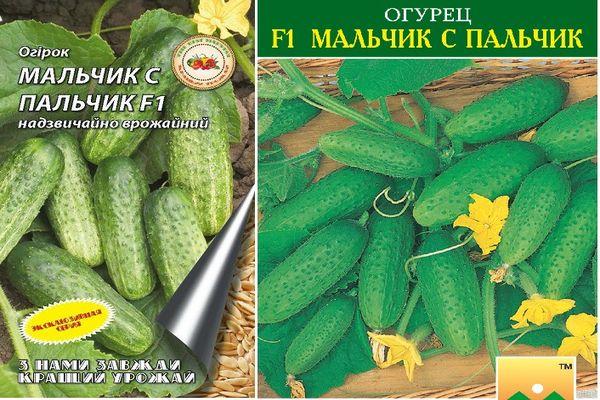
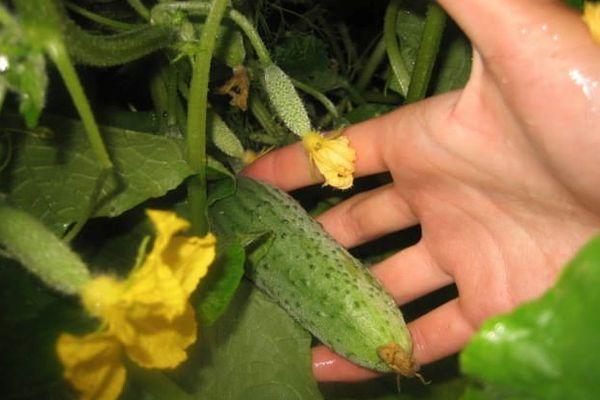
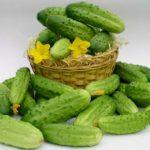
Ripening occurs 40 days after sprouting. Cucumber bushes are medium-sized. The number of ovaries can vary from 3 to 7. The finely tuberculate and oval fruits reach 10 cm in length and weigh up to 70 g. The vegetable has a fragrant flavor and is completely free of the bitterness sometimes found in other varieties grown in open areas and under low moisture conditions.
The plant's description describes it as a high-yielding hybrid with a long vegetative growth period. An important characteristic of any cultivated vegetable variety is its resistance to various diseases.
These include:
- powdery mildew fungi;
- overgrown mycelium of peronosporosis;
- Cladosporiosis with brown leaves;
- tobacco mosaic virus.
Tom Thumb f1 cucumbers can withstand long transportation. The green color of the cucumber fruits is complemented by light stripes with white pubescence. This hybrid yields up to 11 kg per square meter. They successfully resist rot in the absence of a source of infection.
Breeding methods
When growing the Malchik-s-Thumb cucumber variety, two cultivation methods are used: direct-seeding and seedling cultivation. This is determined by climatic and agricultural conditions.
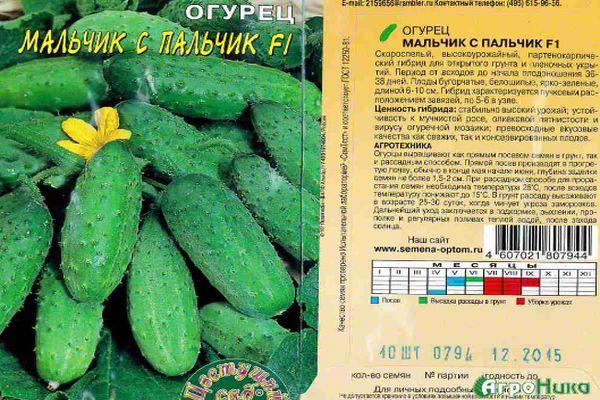
The first option involves using seeds regardless of their moisture level. Even dry seeds can be planted. They are planted in open beds throughout May, when the soil has warmed up and the risk of night or morning frosts is minimal.
Take a look Also
Experts recommend:
- select seeds that are the same size and full-weight;
- if there is a trellis, planting should be done in nests;
- maintain a distance between holes of at least 25 cm;
- the interval between rows should be kept within 40 cm;
- plant seeds at a depth of at least 2 cm.
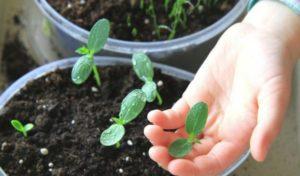
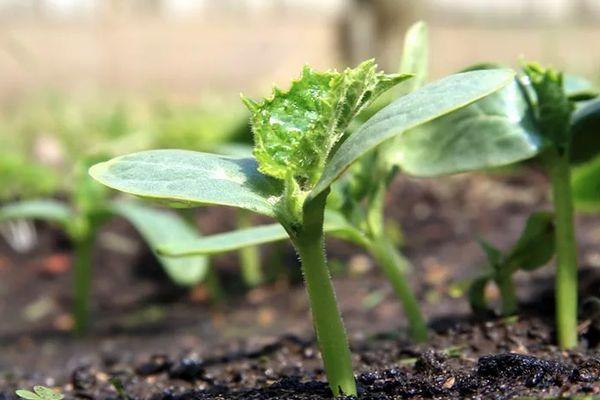
Immediately after the first and second true leaves have formed, the plants are pricked out. The optimal distance between plants after thinning is 25 cm. Pricking out should be followed by fertilizing with organic fertilizer, such as liquid manure or chicken manure diluted in a 1:10 ratio.
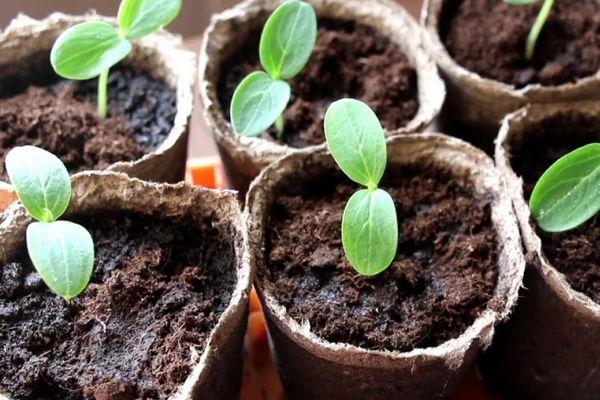
For the seedling method of growing finger cucumbers, a hole layout scheme is used so that no more than 4 bushes are located per 1 m² of area.
Excessively dense planting leads to a noticeable decrease in yield and a shortening of the fruiting period.
The seedling method provides a guaranteed increase in the yield of cucumbers Tom Thumb f1, especially in the northern regions. But for this it is advisable to comply with certain conditions:
- the period of transplanting seedlings should not exceed 4 weeks;
- sowing is carried out in plastic cups with light soil;
- Timely feeding, irrigation and optimal lighting are necessary.
Before transferring plants to soil not protected from frost, hardening of seedlings of non-pollinated varieties is carried out.
Rules for caring for hybrids
Tom Thumb cucumbers do not require special conditions or labor-intensive procedures, but only adherence to agricultural technology standards:
- watering only with warm water as the soil dries out;
- loosening the top layer after rain or artificial irrigation;
- pinching after the appearance of the 5th true leaf to stimulate lateral shoots;
- mulching the soil with peat, straw or rotted manure.
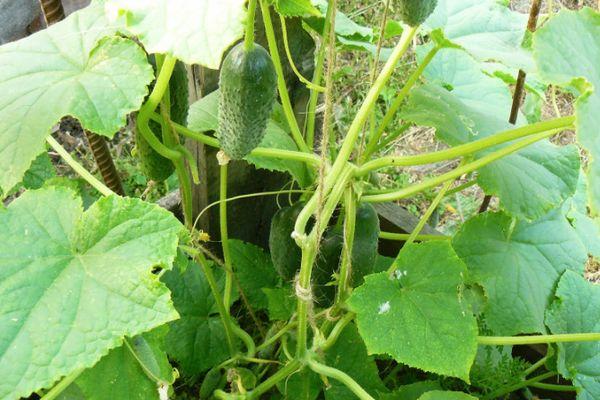
The "Boy-s-Thumb" cucumber variety has medium-length vines. Therefore, to prevent the fruit from growing on the ground, the stems are tied to a tall transverse trellis. Powdered sulfur is used to control spider mites. The cucumbers are harvested every other day. This plant is a first-generation hybrid.
This factor guarantees a high yield. The variety is highly disease-resistant. Even if the fruit is left unnoticed in the garden, it will retain its marketable appearance for 1-2 days and will not turn yellow. Reviews from gardeners indicate that the hybrid has lived up to their expectations. Farmers sometimes devote large areas of land to planting this cucumber variety, preferring it to other varieties.
Related posts:
 Description of the best, most productive and new varieties of cucumbers for 2025
 Description of unusual methods for planting and growing cucumbers
 Features and benefits of the Tom Thumb tomato, cultivation and care
 The best cucumber varieties for growing in polycarbonate greenhouses in the Moscow region, planting and care
 How to care for cucumbers in open ground from planting to harvesting
 Description of the best varieties of Chinese cucumbers, planting, growing and care
 How to make a cucumber trellis with your own hands from scrap materials
 How to properly plant cucumbers in open ground with seeds, and at what depth
This is an excellent variety; I've been planting it for several years now. It's ideal for canning. The berries are always dense, small, and slightly sweet. I got the best yield when I used it last year. BioGrow, not only increases yields, but also strengthens resistance to diseases.