
The Tom Thumb tomato is incredibly popular among gardeners who prefer growing low-growing vegetables. This plant doesn't require much space, is easy to care for, and tolerates fluctuations in temperature and humidity, periods of drought, and heavy rainfall. Tomatoes can be grown outdoors, in greenhouses, and in pots on balconies and loggias with any type of glazing. Reviews from growers indicate that these tomatoes have a pleasant flavor and a wide range of culinary uses.
Properties of the variety
The "Boych s Thumb" tomato was bred by domestic breeders specifically for early harvesting. The manufacturer's description states that the maximum height of the bush is 40 cm, while the stems and branches are strong, easily supporting the weight of the fruit and strong gusts of wind. The plants do not require staking or removing side shoots.
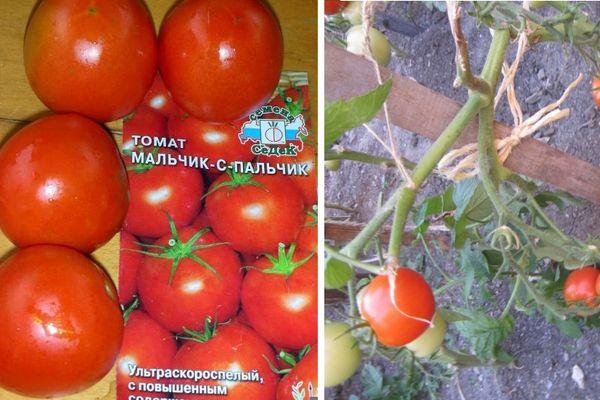
The leaves are small and dense, dark green. In areas with abundant natural sunlight, regular foliage thinning is necessary to prevent them from absorbing much of the moisture and nutrients needed by the fruit. To prevent infection, it is recommended to treat cut areas with copper sulfate or potassium permanganate.
Ripe tomatoes are perfectly round and bright red. Most fruits weigh 50-60 g. Their skin is smooth, glossy, and quite firm. The flesh is scarlet and firm, with a distinct tomato flavor. Tomatoes are used in sliced dishes, salads, dressings, and entrees. They are ideal for canning, as they fit easily even through narrow jar necks.
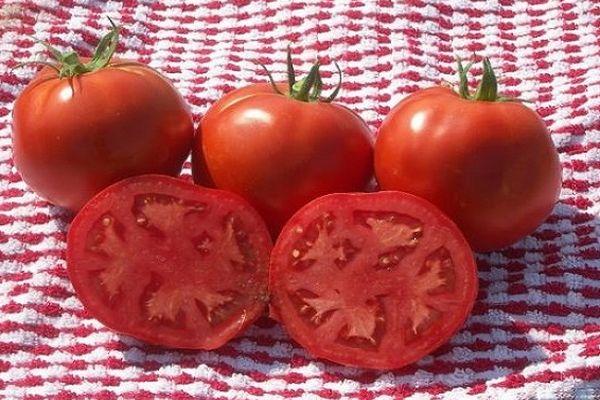
The variety's yield is quite respectable for its small bushes. In greenhouse conditions, it can yield up to 2.6 kg per bush. Given the close planting, it can yield up to 8 kg per square meter. Fruiting begins in late spring and ends in early fall. This period varies in both directions depending on the climate zone and weather conditions.
Advantages and disadvantages of the variety
Tom Thumb tomatoes have become a favorite among gardeners and small farmers. This variety boasts a wide range of positive qualities, prized by gardeners, gourmets, and aesthetes.

Its advantages are as follows:
- Early ripening. By the time the infection begins to activate, the tomatoes are already quite strong and resilient.
- Easy to grow and maintain. No need for staking or tying. This significantly simplifies the gardener's work and saves time.
- Versatility in use. Both ripe and green tomatoes are widely used in cooking.
- The yield is quite decent. Considering the minimal effort required for cultivation, the harvested tomatoes are inexpensive.
- Good shelf life. The strong skin protects the fruit from pests, shock during transportation, and pressure during crate storage. Tomatoes retain their marketable quality until late winter.
- Resistance to fungal and infectious diseases.
Farmers haven't found any drawbacks to the Mal'chik s Thumb variety. Some don't like bending over to tend to the plants and pick the fruit. But this is more a characteristic of the tomato variety, and for some it's a disadvantage, for others it's a plus.
Growing and care
Depending on climate conditions, seeds are harvested in the second or third ten days of March. Before loading into containers, they should be soaked in an antiseptic solution for 24 hours and irradiated with an ultraviolet lamp to kill pathogens. Since this is an early-ripening variety, the seeds require a 5-7-day hardening period.
 The seedlings mature within 40-42 days. After this time, they are planted in a permanent location for further cultivation.
It's recommended to prepare the beds for successful tomato growth. Dig holes and fill them with a mixture of compost, sawdust, charcoal, and heat-treated, sifted sand. A solution of potassium permanganate or copper sulfate should be poured around the holes. This will provide long-term protection for the plant's roots from underground insects and rodents.
Caring for tomatoes involves regular watering. This should be done when the daytime heat subsides, using warm, settled water. Fertilizing is recommended monthly, alternating between organic, mineral, and complex fertilizers.

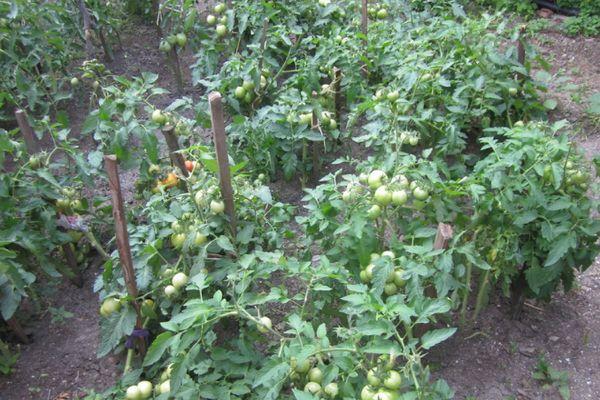
If tomatoes are grown in a greenhouse, it should be well ventilated to prevent excess moisture and blossom-end rot. After the first cold night, it's best to harvest the tomatoes and place them in a bright, warm place. They will ripen within a few days.
Related posts:
 Description of the best varieties of black tomatoes for open ground and greenhouses
 What varieties of tomatoes are best to plant in a polycarbonate greenhouse?
 16 Best Quick Pickled Tomato Recipes for the Winter
 TOP 17 recipes for pickled sweet tomatoes for the winter
 15 simple recipes for pickling tomatoes in jars for the winter
 The best and most productive tomato varieties for greenhouse cultivation in the Urals, with descriptions
 Which tomato varieties are best for open ground?
 Description of the best tomato varieties for open ground in the central zone