
The Amber Cup tomato ripens early. Planting begins in late March or early April. The bushes grow low, standard, and determinate. The plant reaches a height of 50 cm. This variety doesn't require pinching or shaping, but staking the stems is essential to prevent the branches from breaking under the weight of the ripe fruit.
What is the Amber Cup tomato?
Characteristics and description of the Yantarny variety:
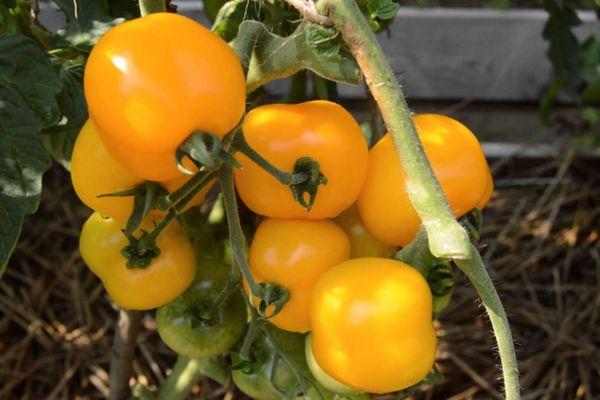
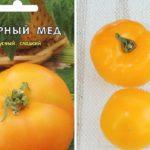
- The bushes produce beautiful, amber-yellow fruits, which is where the variety gets its name.
- The weight of a tomato is 80-120 g.
- The tomatoes have a sweet, fruity flavor and juicy flesh.
- This variety can be used both fresh and canned.
- It's suitable for making ketchup and various sauces. Photos of tomatoes can be found online.
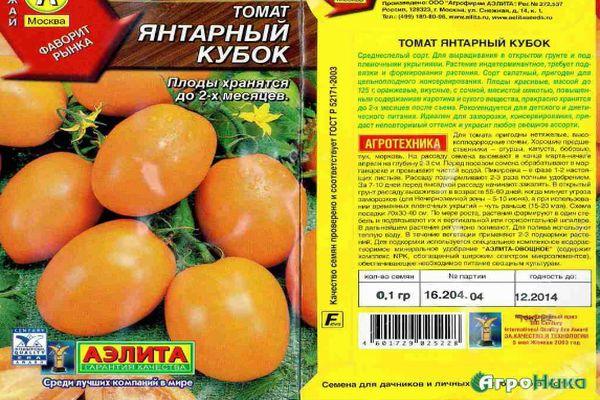
The Yantarny variety can be grown in tubs or large pots, on balconies, in greenhouses, and in vegetable gardens. It's easy to care for and thrives in any conditions. Many grow it simply for its beauty and to decorate their balconies.
When transplanting seedlings to their permanent location, use a 60x70 cm pattern. Add 10 g of superphosphate to the hole before planting. Water the plant with warm water after sunset. This maintains low humidity. Fertilize during the growing season. Loosen the soil occasionally to prevent root rot. Since the plant is cold-hardy, it can be grown even in winter.
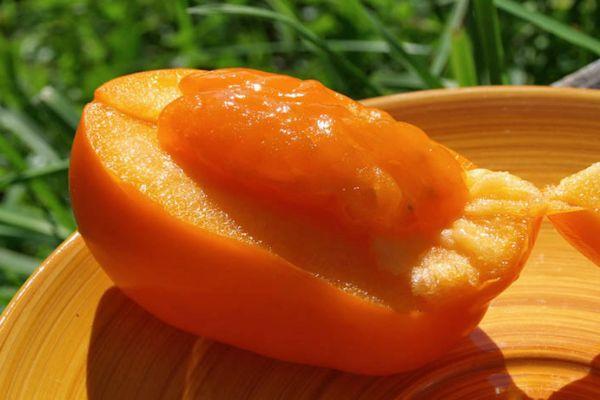
The Yantarny Kubok variety is more suited to stuffing. The fruit is very fleshy, slightly elongated, and has a firm surface.
Reviews of this tomato variety are mostly positive and quite interesting. Those who have tried it share original recipes for dishes with it on forums. In appearance, many resemble the southern fruit—orange in color with juicy flesh. They are recommended to be stuffed with salted cottage cheese and served as a side dish with various dishes. It is also ideal for a variety of salads.
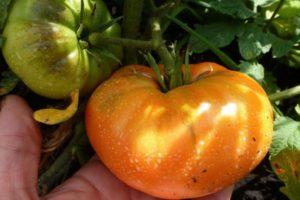
This tomato variety is included in the State Register of Breeding Achievements of the Russian Federation. Amber Cup ripens very quickly. It is grown both in open ground and in greenhouses. After sowing, the seedlings are transplanted to their permanent location after 60-65 days.
The plant has a very strong stem, which can reach 1 m in height. If the bush needs shaping and side-children, this should be done before the first flower cluster appears.
The plant is rarely susceptible to fungal diseases. The harvested crop can be stored for a long time—up to 2 months.
Yellow tomato varieties are increasingly appearing on store shelves. Many shoppers are skeptical about this variety, considering the color unnatural. In fact, they are just as nutritious as their red counterparts. Moreover, due to the lack of red pigment, yellow tomatoes are ideal for people with allergies.
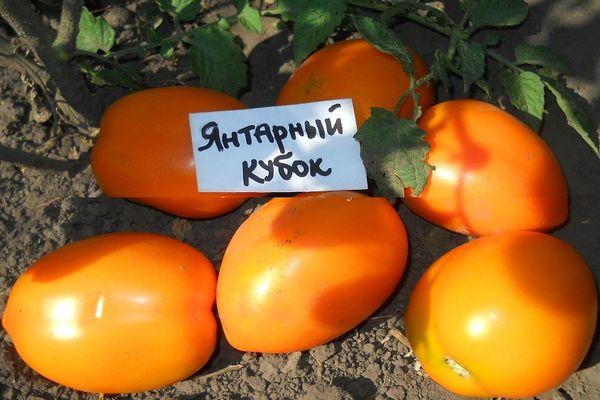
They possess all the beneficial properties of red, green, and pink tomatoes. Unlike red varieties, they contain minimal acidity.
This means they are less dangerous for people with gastrointestinal diseases. However, during acute illnesses, their consumption should be limited.
Growing tomatoes
Let's look at how to grow the Amber tomato. Amber Cup tomatoes grown outdoors in full sunlight have a more pronounced flavor than greenhouse-grown ones.
To increase yield, you should follow simple rules:
- water moderately to prevent the roots from rotting due to excess water;
- When watering, try not to touch the leaves to avoid the development of fungal diseases;
- if necessary, carry out pinching to improve the quality and quantity of fruits;
- tie up the stems in time to help the plant withstand the load;
- provide warmth and sufficient light for normal growth and improved taste of tomatoes.
If you follow these rules, the plant will delight you with beautiful and juicy fruits by autumn.
Related posts:
 Description and characteristics of the Yantarny gooseberry variety, planting and care
 The best grape varieties for growing in the Urals, planting and care rules in summer
 Description and general characteristics of the yellow-fruited tomato Yantarny 530
 Description of 30 varieties and types of Muscat grapes, planting, cultivation and care
 80 Best Eggplant Varieties for Different Regions with Descriptions and Characteristics
 Descriptions of the 20 best cherry varieties for the Moscow region, their planting and care
 Description of the Amber Honey tomato variety, its pros and cons
 Description of the best varieties of black tomatoes for open ground and greenhouses