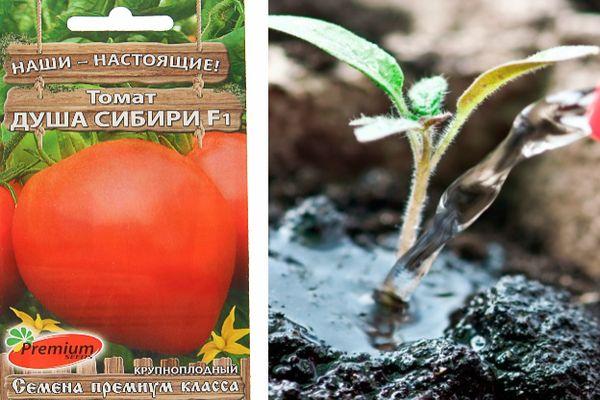
The "Soul of Siberia" f1 tomato belongs to a group of hybrid varieties recommended by breeders for gardeners to plant outdoors or in greenhouses. "Soul of Siberia" is resistant to various viral and fungal diseases of tomatoes. This Siberian tomato does not crack, and virtually all fruits are uniform in shape and size.
Tomatoes travel well during transportation. If harvested before they're fully ripe, they ripen in storage within a week.
Technical data of the plant
The characteristics and description of the Soul of Siberia variety are as follows:
- The growing season of tomatoes from seedlings to the first fruits lasts 85-90 days.
- The plant's bush can reach a height of 1.8 m, and sometimes even higher. Six to eight ovaries develop on the stems.
- The average fruit weight is 0.5–0.6 kg, but the first harvest can yield specimens weighing 0.7–0.9 kg. They are heart-shaped, pink in color. The tomatoes are sweet in taste.
- Plants of this variety require staking to sturdy supports. Bush training has its own specifics. It is done with two stems if grown in a greenhouse. When grown outdoors, three stems are used to train the bush.
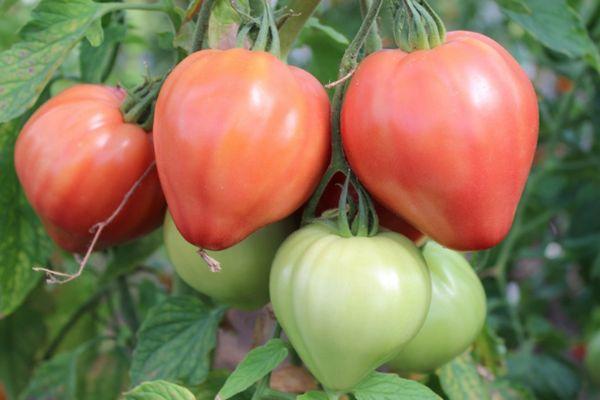
Gardeners' reviews of the Soul of Siberia tomato show that, with timely implementation of all necessary agricultural practices, each plant can yield 5 to 6 kg of fruit. Many farmers obtain 20-25 large (700-800 g) fruits per square meter of garden bed.
According to farmers, the Soul of Siberia tomato is unpretentious to weather conditions and can withstand sudden temperature fluctuations. This variety grows well in virtually any soil type. The plants can be fed with any organic or mineral fertilizers.
Gardeners note the need for a high greenhouse as a drawback when growing this tomato on farms. Vegetable growers must be able to properly tie plant trunks and support branches. Breeders recommend that Siberian farmers grow this tomato in greenhouse blocks, as this will allow for harvesting practically year-round.
The Soul of Siberia is not suitable for canning. The fruits are used in salads, juices, or tomato paste. Some gardeners pickle these tomatoes in barrels.
Growing the variety in a garden plot
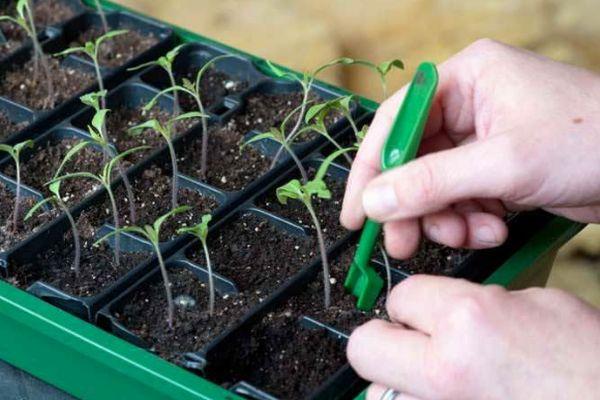
After seedlings are grown from seeds using commonly used methods, they are transplanted to permanent soil in a greenhouse. The sprouts should be 55-60 days old. No more than 3-4 stems can be planted per square meter of garden bed. To ensure a high yield, water the plants regularly with cool water, loosen the soil beneath them, and eliminate weeds.
Watering should be generous and done after sunset. If the gardener grows tomatoes in a greenhouse, the room should be regularly ventilated.
The Soul of Siberia is virtually immune to fungal diseases, but fungi can cause significant damage to tomato plants if farmers don't properly care for them. To avoid crop losses, maintain a comfortable soil moisture level in the greenhouse. Viral diseases can be controlled with appropriate products.
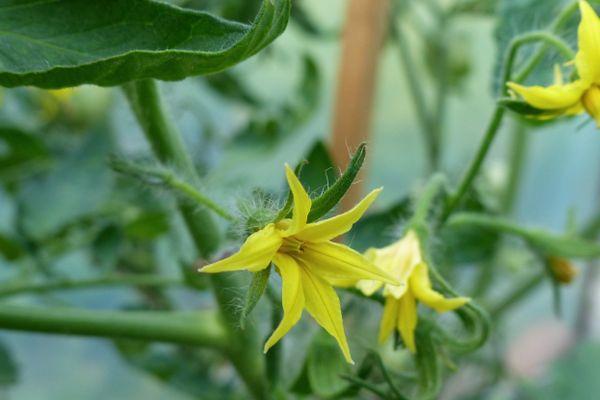
Although the Soul of Siberia can withstand sudden temperature changes, experimenting in this area is not recommended, as it can result in a loss of up to 40% of the harvest.
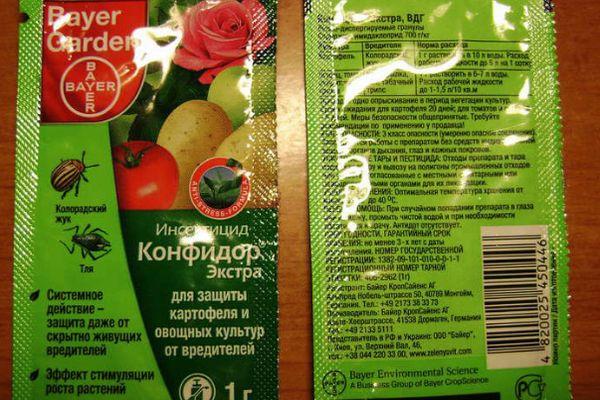
Cutworms and melon aphids are considered dangerous garden pests for this type of tomato. If a farmer detects signs of these pests, it is recommended to use appropriate chemicals to control them. Melon aphids are controlled with the product "Zubr," and whiteflies are controlled with "Confidor."
Slugs cause significant damage to tomatoes. To get rid of this pest, remove excess leaves from the bushes and treat the soil underneath with ash powder.
Related posts:
 Guidelines for growing peanuts outdoors in Siberia
 Description and characteristics of the 50 best raspberry varieties for Siberia
 When to plant cucumbers in open ground in Siberia, how to grow them, and the best varieties
 Description of 30 grape varieties for Siberia, planting and care for beginners
 Description and characteristics of the 25 best blackcurrant varieties for Siberia
 Description of clematis varieties for Siberia, planting and care, pruning and shelter
 Rules for growing and caring for melons in Siberia in open ground
 Rules for growing actinidia in Siberia, the nuances of planting and care