
- The nuances of planting and growing clematis in Siberia
- The best varieties
- Elegy
- Miss Bateman
- Anastasia Anisimova
- Dr. Ruppel
- Warsaw Night
- Hope
- Planting clematis in open ground
- Selecting a seedling
- Preparing the site and planting hole
- Planting dates and patterns
- Plant care
- Watering and fertilizing
- Pruning group
- Supports for clematis
- Shelter for the winter
- Reproduction
- Potential difficulties when growing in regions with cold winters
Clematis are undemanding plants that thrive even in the cold climate of Siberia, surviving winters resiliently and delighting with abundant blooms in the warmer months. However, not every variety can be grown in such conditions, so breeders have delighted gardeners with unique varieties of resilient plants that require specific care and careful planting.
The nuances of planting and growing clematis in Siberia
When planting clematis in Siberia, the following nuances must be taken into account:
- For breeding and cultivation, choose winter-hardy varieties and purchase them in specialized stores.
- It is recommended to plant young bushes in the spring, since if planted in the fall, the seedlings will not have time to take root and will die due to the effects of severe frosts.
- It is better to propagate plants vegetatively, since plants sprouted from seeds do not have immunity and are less resistant to frost.
- You shouldn't use organic fertilizers and peat, they have a negative effect on the development of clematis; you can limit yourself to mineral complex substances.
- In the fall, before winter, it is necessary to thoroughly prepare the plant and be sure to cover it.
- Clematis in Siberia are practically not affected by diseases, but require preventative measures against harmful insects such as nematodes, spider mites, and aphids.
Growing this luxurious perennial in Siberia has its own peculiarities and limitations. This plant does not grow naturally in northern regions. However, if all planting guidelines and care nuances are followed, winter-hardy varieties can adapt to the harsh climate and survive the winter in open ground.
The best varieties
There are more than 380 herbaceous and woody varieties of clematis. Each one has its own distinctive flower structure, diameter, and color.
Advice! When growing clematis in Siberia, consider only frost-hardy varieties that can survive cold and long winters.
Elegy
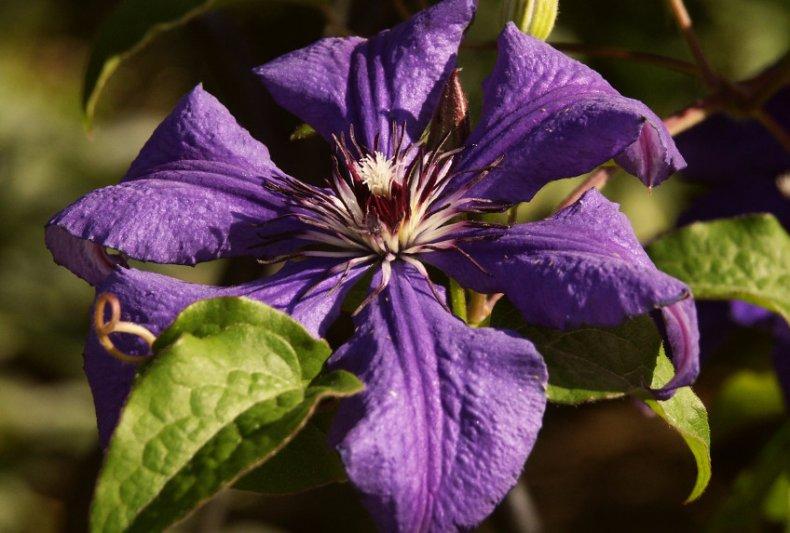
An excellent Siberian variety that forms long vines 3-3.5 m tall. The bush is adorned with a profusion of graceful flowers. The buds are 12-14 cm in diameter and blue with a purple tint. Blooming continues throughout the summer. Elegy's distinctive feature is the harmonious blend of warm and cool tones.
Miss Bateman
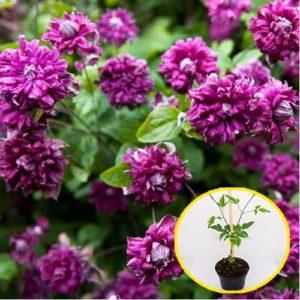
An old but still popular clematis. This variety features vines over 2-3 meters long and large white flowers with a slight pink tint and a burgundy center, approximately 15 cm in diameter. Profuse flowering lasts from July to September. Its main advantage is that the color remains consistent and does not fade, regardless of weather conditions or light exposure.
Anastasia Anisimova
A small plant with twisting shoots ranging from 1 to 2.5 meters tall, they cling loosely to support and have the form of a semi-shrub. Flowering lasts from June to September. The 7 to 9 cm flowers are a pleasant blue-white color with a light stripe in the center and purple edging along the edges. Semi-double bushes sometimes form.
Dr. Ruppel
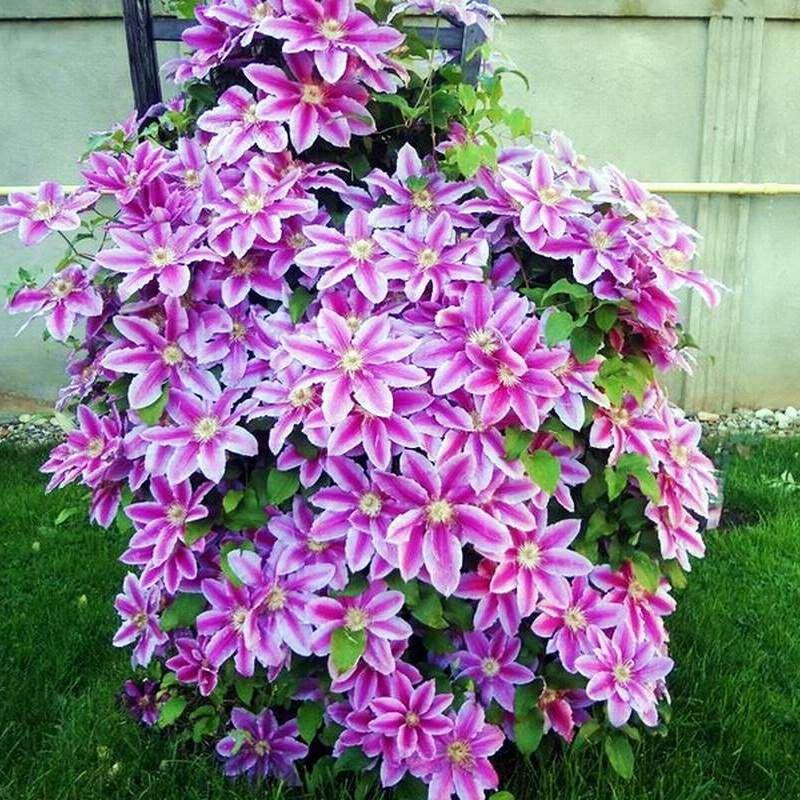
The plant's height varies from 2 to 4 meters. The flower, 15-18 cm in diameter, is a soft pink with a lilac tint, with each petal having a rich pink stripe running down the center. It blooms twice: in May and June on old shoots, and in late summer on new growth, making it a pruning group 2 plant.
Warsaw Night
A beautiful perennial growing up to 3 meters tall. The flowers take on a cherry hue, eventually turning purple. The white center stands out beautifully against the dark background. This variety blooms twice a season—in early and late summer. It belongs to pruning group 2. Its main advantage is that it can grow in one place for about 30 years if the planting site is carefully chosen.
Hope
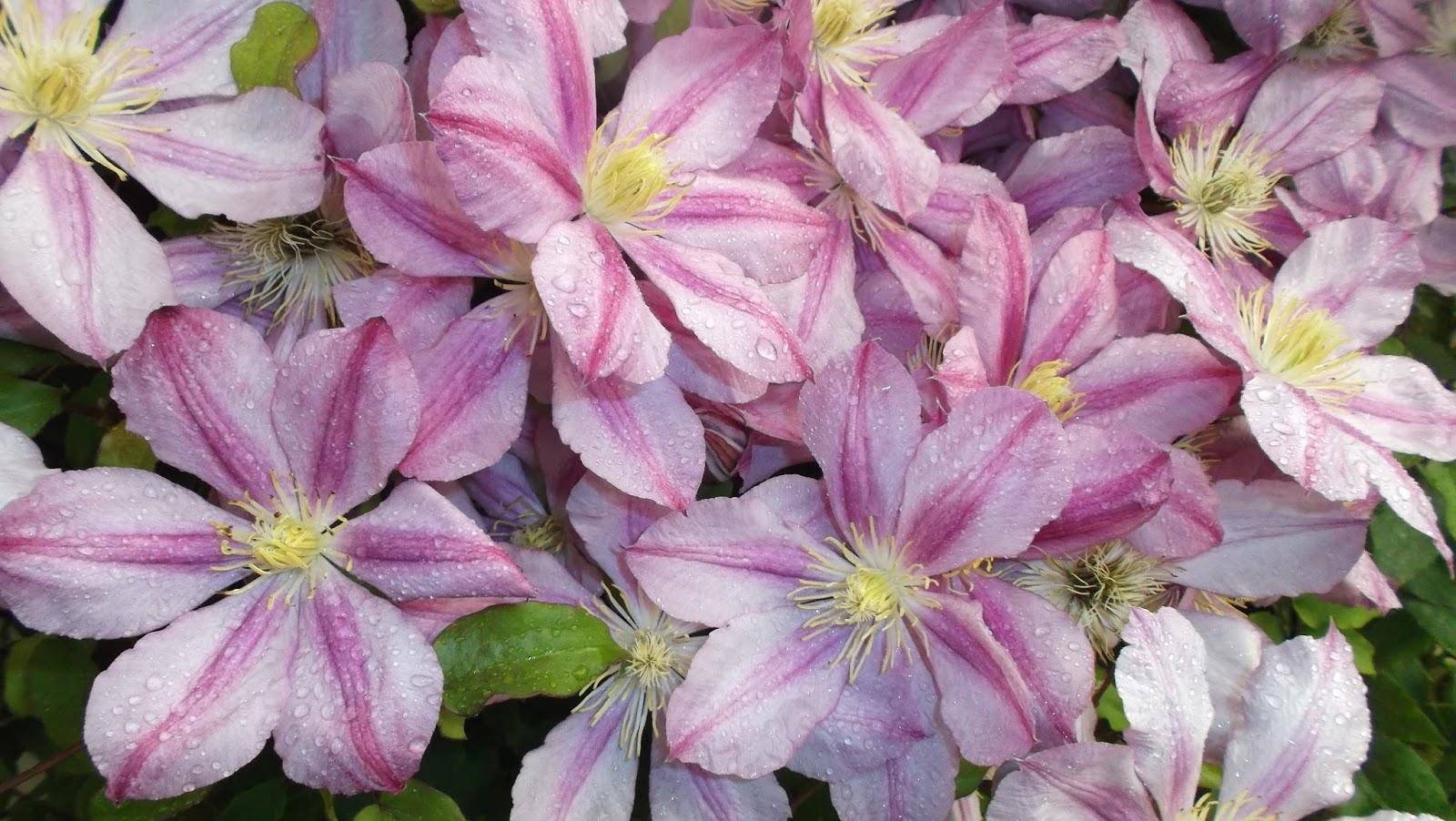
The clematis vine reaches 2.5-3 cm in height. The 12-15 cm bud is lilac with a pink tint and a red stripe along the petal. It is characterized by gorgeous flowering in early and late summer. Unlike other varieties, it prefers partial shade and forms buds even after a frosty, harsh winter.
Planting clematis in open ground
Once you've selected suitable clematis varieties for cultivation in Siberia, you can begin planting. This step should be taken seriously, as the plant's future fate depends on it.
Selecting a seedling
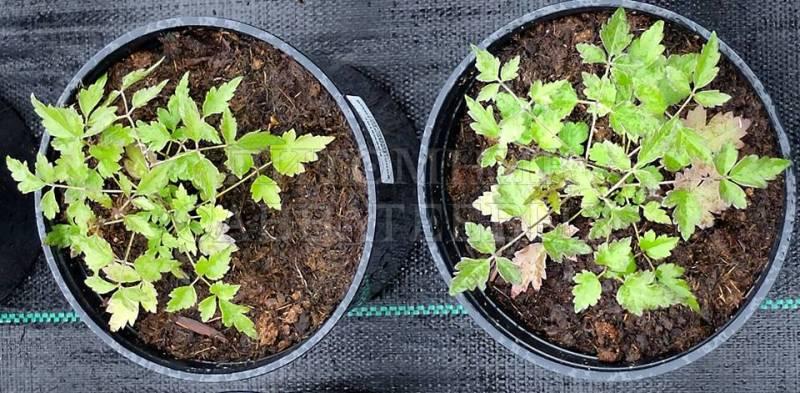
For planting clematis in Siberia, choose 2-year-old seedlings. The main criteria for choosing planting material are a strong root system and the absence of damage or external defects. The plant should have at least three roots measuring 10 cm each, without any thickening. It's best to purchase the seedling in the fall and store it in a dark, low-humidity place over the winter.
After purchasing, handle the seedling with care; it has a fragile root system, and when moving it, you need to grasp it with both hands by the roots and shoots, and also hold it in an upright position.
Important! During the first year, the plant will focus its energy on root growth and development, so don't worry if vines don't grow.
Preparing the site and planting hole
Clematis prefer light, nutritious soil with a shallow water table, up to 1.2 meters deep. Sandy or loamy soil, loosened beforehand, is suitable. Siberia is home to predominantly acidic soils, which are unsuitable for growing clematis, so it's important to invest time in fertilizing the soil and creating good drainage.
When choosing a site, choose a well-lit spot free of drafts. The southern part of the house is ideal, as the walls will provide additional shelter. Avoid low-lying planting sites, as they will accumulate maximum moisture and cold air, preventing the plant from taking root in such conditions.
If you plant clematis in a shaded area, it will initially develop poorly and slowly and will eventually die from a lack of solar energy.
Planting dates and patterns
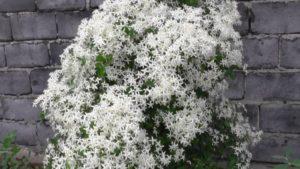
For planting clematis in Siberia, it is best to choose the last ten days of April and the beginning of May, when the ground is clear of snow and warm enough.
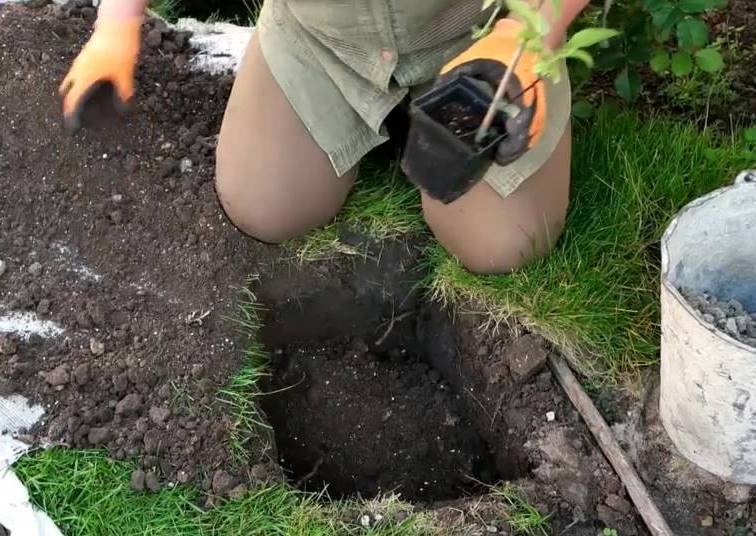
Planting work in spring takes place in several stages:
- Dig holes the size of which should correspond to the dimensions of the seedling’s root system.
- Place drainage made of broken bricks at the bottom; its thickness should be at least 15 cm.
- Prepare a special mass consisting of soil, lime, and dolomite flour in equal proportions.
- Build a reliable support for the young shoot and cover it with soil.
- Place the planting material into the hole, sprinkle the rhizome with the prepared mixture and sprinkle with sand.
- Be sure to water the plant.
If there is more than one sprout, it is necessary to plant it, maintaining a distance of at least 1 m between planting units, so that each bush receives enough sunlight.
Plant care
Caring for clematis in Siberia has its own unique challenges. It's essential to devote considerable time and effort to preparing the plant for winter, as improper covering or poor-quality mulch can cause the roots to freeze. Also, during dry periods, be sure to provide the plant with sufficient water and fertilizer.
Watering and fertilizing
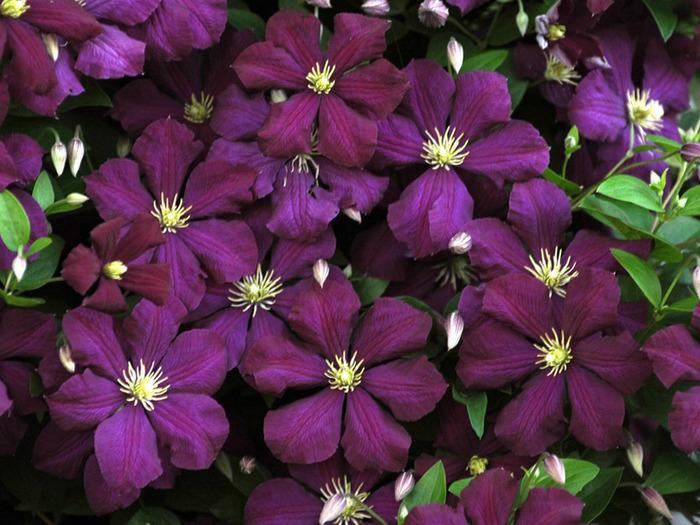
Clematis in Siberia grow rapidly and form numerous inflorescences, so they require ample moisture. When the top layer of soil dries out, water the plant with warm, settled water. Apply water sparingly, but in large quantities, on average, once a week, and do so carefully to avoid eroding the plant's roots. After watering, be sure to loosen the soil and remove all weeds.
During one season, carry out 3 additional feedings:
- in spring, when the first leaves begin to appear, add nitrogen-based fertilizers;
- when the first buds appear, add substances containing potassium;
- When the clematis has finished blooming, feed it with phosphorus complex compounds.
When applying fertilizers, it is better to give preference to mineral fertilizers, since organic matter and peat have a negative effect on clematis.

Pruning group
Clematis that can adapt to the harsh Siberian climate are usually assigned to pruning group 3. This means that last year's shoots do not produce flowers, so they need to be pruned. After flowering, remove all shoots, leaving a 30 cm (12 in) long base for easier winter protection. Also, remember to inspect the plant throughout the season. If any dry or diseased parts appear, remove them to prevent the disease from spreading to healthy parts of the bush and to maintain a more attractive appearance.
Supports for clematis
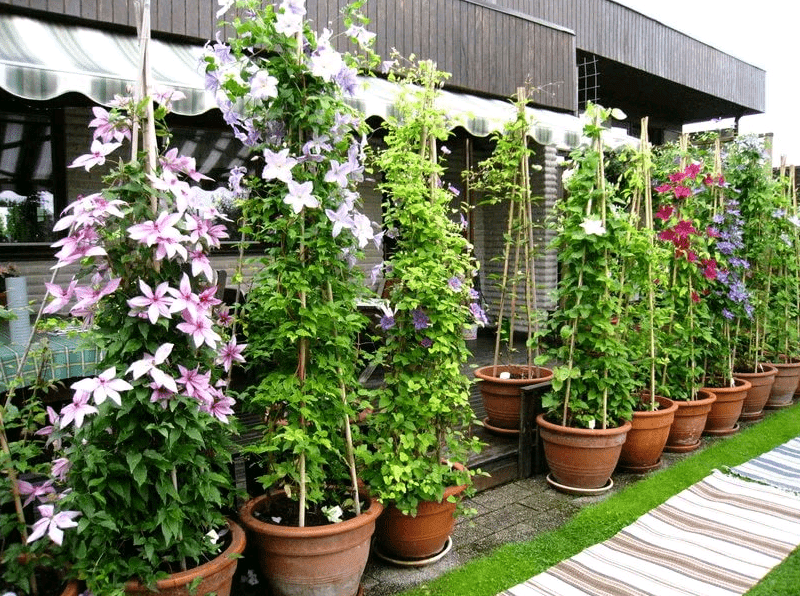
Clematis, regardless of variety, are capable of climbing on their own. To ensure the stems cling securely and create a beautiful arrangement, they need good support. Plastic mesh, wooden trellises, pyramidal, round, and semicircular structures can be used for this purpose. Walls, fences, and railings are also suitable as supports.
Shelter for the winter
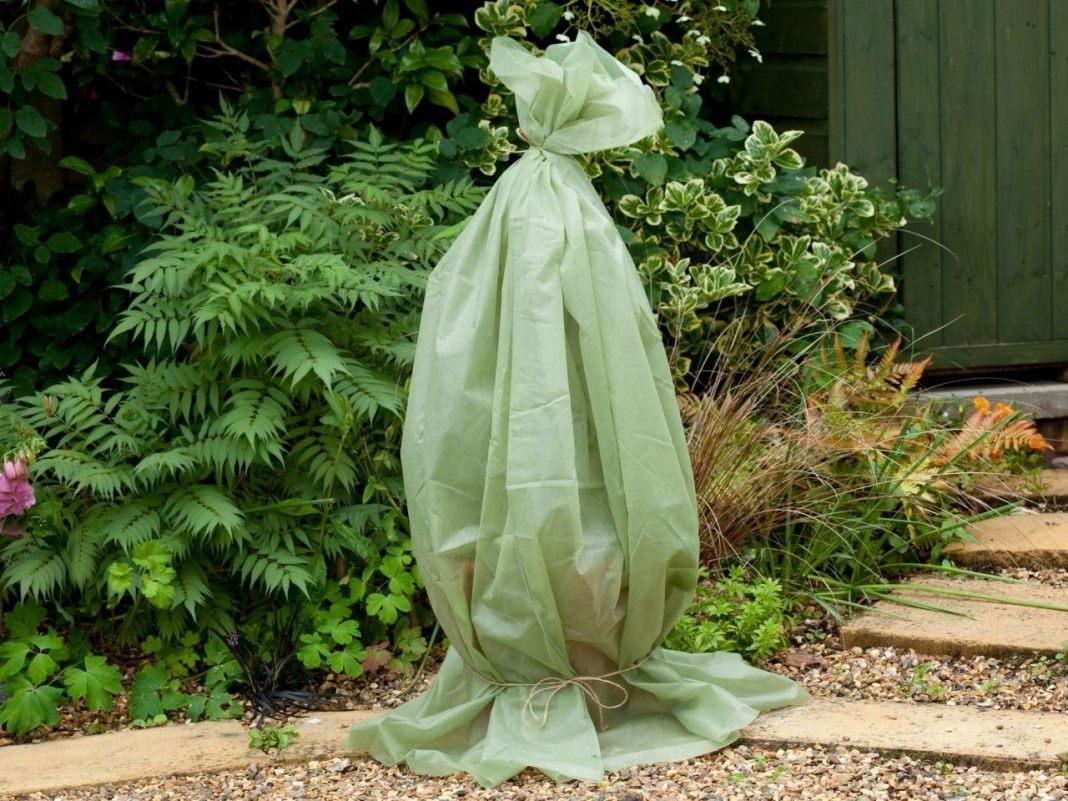
Proper preparation of clematis in Siberia will protect it from freezing and death, so this agricultural care technique requires careful attention. Covering should primarily protect against excess moisture. Thaws and frosts will cause surface moisture to melt and freeze, damaging the root system.

Winter preparation should begin in October or November, before the soil begins to freeze. This includes the following steps:
- Trim the bush as much as possible, leaving at least 20 cm of stem.
- Cover the plant with dry soil.
- Cover the top with wooden boards and roofing felt.
In the spring, as soon as it gets warmer, you can remove the cover and thoroughly loosen the soil.
Reproduction
Clematis can also be grown in Siberian conditions. The plant is cultivated in a variety of ways:
- Layering. This is the safest method of propagation. This method allows you to obtain several young seedlings that can be planted in the garden in both spring and fall. To do this, dig a small hole near a mature bush and insert a large, healthy shoot, secure it with staples, and cover it with soil, leaving the tip intact. The longer the shoot you choose, the more planting material you can obtain.
- Cuttings. These should be taken in early summer, when buds appear. Cuttings are typically 10 cm long and should have at least two leaves and one bud. Then place them in a container with a growth stimulant and plant them in pots. After a month, transplant them to their permanent location.
- Dividing the bush. This procedure is only possible if the plant is over 4 years old. Dig up the bush, divide it into several sections, including roots and shoots, and plant them immediately in prepared holes.
Experts do not recommend propagating the crop by seed in such conditions, as this will result in an unstable plant that will quickly die.
Potential difficulties when growing in regions with cold winters
Clematis in Siberian conditions can suffer from infections, especially during cool and rainy summers. When attacked by pathogenic microorganisms, shoots begin to wilt, and dark spots appear. This problem can be eliminated with the use of fungicides.
Pests, particularly nematodes—small worms that feed on the perennial plant's sap—can also cause significant damage. To prevent this, follow proper agricultural practices, disinfect tools, and thoroughly inspect the seedling upon purchase. If any pests are detected, treat the soil or replace it completely. Growing clematis in Siberia is quite difficult because not every plant can survive in such harsh conditions. It's important to choose the right variety and ensure adequate winter protection.
Related posts:
 How to propagate clematis at home: timing, methods, and technologies
 Description of the best varieties of Tangut clematis, planting, growing and care
 Description and characteristics of the clematis variety Comtesse de Bouchaud, planting and care instructions
 Description and pruning group of clematis Ashva, the subtleties of growing and care
 Description of Jackman's clematis varieties and pruning group, cultivation and propagation
 Description and pruning group of clematis Rouge Cardinal, cultivation and propagation
 Description and pruning group of clematis Cardinal Wyszynski, cultivation and care
 Causes and symptoms of clematis diseases, treatment methods and prevention