
- Characteristics of the Rouge Cardinal variety
- History of selection and description
- Cultivation regions and use in landscape design
- Necessary conditions for growth and flowering
- Landing
- Site selection and preparation
- Planting dates and patterns
- Further care
- Irrigation
- Fertilizer
- Trimming
- Weeding and loosening
- How and what to cover for the winter
- Plant diseases: prevention and treatment
- Fusarium
- Wilt
- Pests and control methods
- Nematodes
- Thrips
- fly
- Spider mite
- Reproduction
- Dividing the bush
- Layering
- Cuttings
- Gardeners' reviews of the Rouge Cardinal variety
Clematis is a popular ornamental plant, widely used by landscape designers to create new, original compositions and by amateur gardeners to enhance their gardens. The Rouge Cardinal clematis has been around for a long time, yet it remains fashionable thanks to its attractive features, vibrant color, and low maintenance. Therefore, among all the various garden plants, this particular plant is recommended.
Characteristics of the Rouge Cardinal variety
The Rouge Cardinal variety's distinctive features include unique botanical characteristics, varietal performance, adaptability to environmental conditions, and the potential for this charming, striking plant to be used in landscape design.
History of selection and description
The Rouge Cardinal clematis variety, the result of the work of French breeders, became known to the world in 1968. It was created by crossing two attractive varieties, Pourpre Mat and Ville de Lyon, from which the plant inherited only the best qualities. This variety has received numerous awards at international exhibitions, as well as a gold medal for excellence and elegance at a recent Dutch competition.
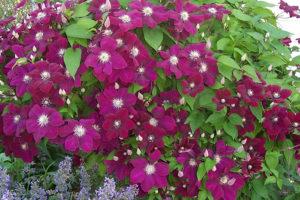
Clematis Rouge Cardinal is a remarkable plant that is popular among gardeners due to a number of unique features:
- possibility of use in landscape design;
- unpretentiousness, ease of care;
- unusual flowering, pleasant color range and variety of bud shapes;
- the diameter of the red-purple flower is on average 15 cm;
- a picturesque shrub that reaches up to 2-4 m in height, depending on growing conditions and care, in just one day the shoot can stretch 6-10 cm in length;
- long-lasting flowering, which pleases throughout the summer season and September for 20 years;
- a pleasant light green shade of young shoots, which are characterized by the 3rd pruning group;
- medium-sized trifoliate leaves of a rich green hue;
- a decorative liana, covered with a huge number of buds during the flowering period, enchants with its beauty;
- The plant's increased tenacity is manifested in its ability to attach itself to any object, become fixed on it, and completely wrap itself around it.
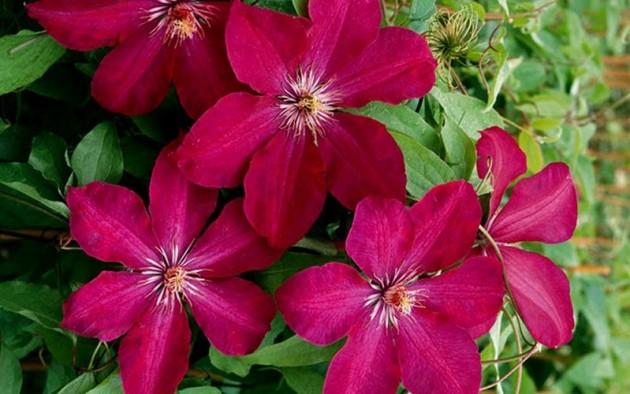
The popularity of this variety is not only due to its botanical characteristics. The Rouge Cardinal clematis is suitable for both open-air and indoor growing. It can be used to decorate home gardens, balconies, and loggias in apartments.
Important! The Rouge Cardinal variety is highly winter-hardy, but it's still worth paying attention to preparing the plant for cold weather, snowstorms, and winds.
Cultivation regions and use in landscape design
The Rouge Cardinal clematis variety can grow in virtually any region, as it can withstand dry conditions and long, frosty winters. When cultivating it, it's important to follow all proper care practices. If the plant lacks warmth, moisture, and nutrients, it may experience sparse flowering, weak vines, and small shoots.
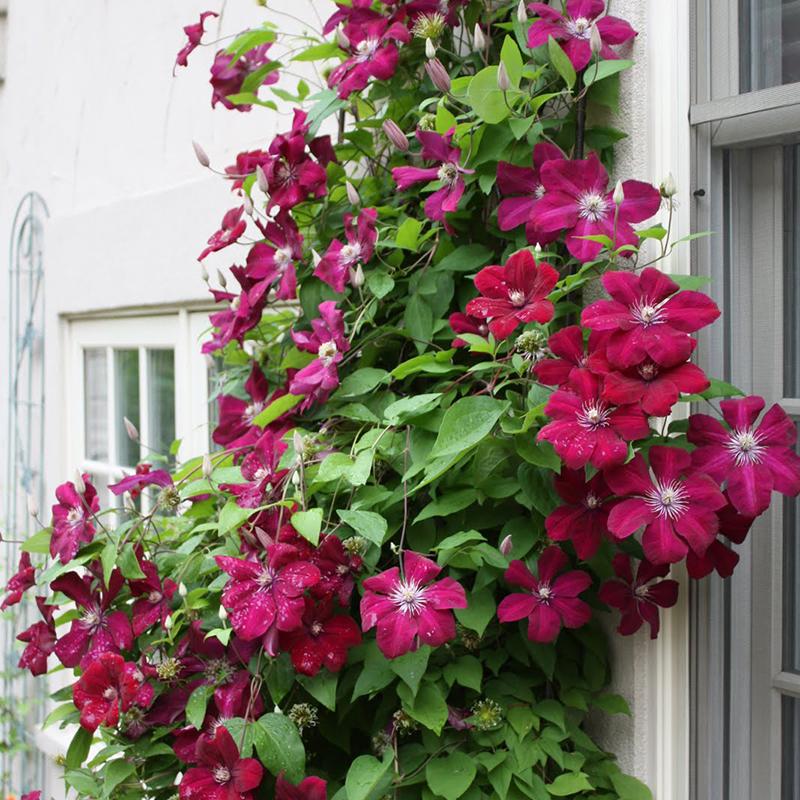
Clematis Rouge Cardinal is a tenacious plant—this characteristic allows landscape designers to create new, unique compositions. Its stems grasp any object and stretch upward, branching and twining around all sides. The red bud fits perfectly into both simple, versatile compositions and bold, statement-making ones. The vine is widely used for vertical landscaping, planting it near walls, fences, stair railings, around gazebos, arches, and other decorative features. If the clematis vine is attached to a tree, the vine will soon encircle the trunk and gently stretch upward.
Necessary conditions for growth and flowering
To ensure clematis Rouge Cardinal enjoys abundant, long-lasting blooms, it's important to pay close attention to its care and provide it with all the conditions necessary for rapid growth. Every gardener who wants to grow this luxurious flower in their flowerbed should familiarize themselves with and take note of the optimal conditions for clematis germination and bud formation:
- The plant has a powerful root system, so it's important to dig deep holes from the start and adhere to the recommended planting intervals, as they will grow too large and will interfere with each other in small spaces, hindering growth. It's also important to provide the variety with sturdy support and good ventilation.
- Clematis Rouge Cardinal prefers well-lit areas. However, partial shade is preferred, as prolonged exposure to direct sunlight can cause the bright, attractive red color to fade and take on an uncharacteristic pallor.
- It's important to provide the plant with protection from strong gusts and drafts in windy weather. Otherwise, growth and flowering will be limited.
- Clematis Rouge Cardinal thrives in high-quality soil rich in essential nutrients, such as loose loam or sandy loam. It will also thrive in clay, poor sand, and rocky soil, and even saline soil will do well, though growth and development will be slightly delayed. It's important that the soil be neutral or slightly acidic, otherwise the plant will not thrive.
- The plant thrives on moisture but does not tolerate stagnant water around the roots, as it can become susceptible to many fungal and bacterial diseases due to a weakened immune system. It is recommended to monitor the amount of water supplied and water when the plant's leaves begin to droop and lose their tone.
- Don't forget to regularly and systematically loosen the root soil and remove all weeds, as well as add mulch to protect the underground part from overheating.
- Regular fertilizing of clematis has a positive effect on its growth and development. If you don't fertilize, the flowering period will be significantly shortened, and the number and quality of buds will also be poor.
- The plant easily tolerates severe frosts without losses, provided that it is properly prepared, which is carried out before the onset of cold weather and includes complete pruning and covering.
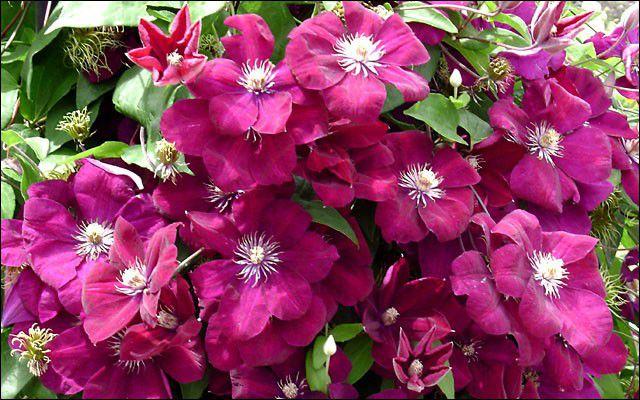
Knowing all the requirements of the Rouge Cardinal variety, you can achieve the desired result and get an attractive, abundantly flowering and healthy plant.
Landing
Planting is an important stage, as it determines 50% of the abundance and quality of flowering, as well as the plant's resistance to diseases, pests, weather changes, and other negative environmental factors.
Site selection and preparation
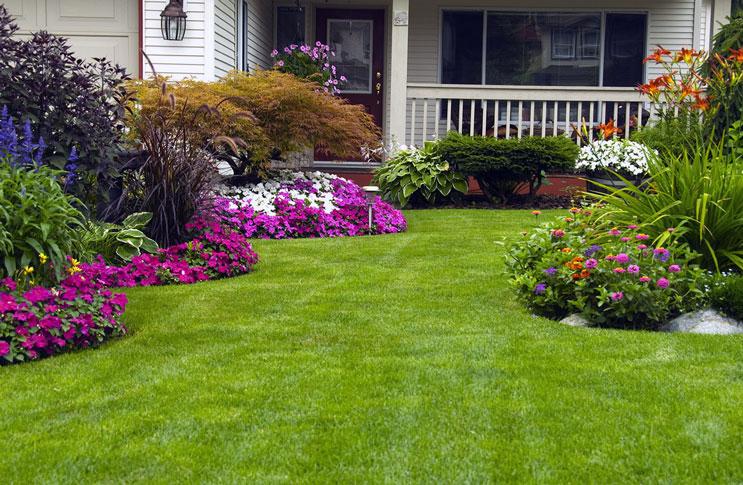
Before planting, it's important to properly select and prepare the growing site. It should be a well-lit area with fertile soil. Avoid planting the Rouge Cardinal clematis close to large trees, as they will block the light. Also, check the soil pH and neutralize it if it's acidic or alkaline.
Important! Before planting, add all missing nutrients to the soil. microelements necessary for clematis during the period of adaptation to a new habitat.
Planting dates and patterns
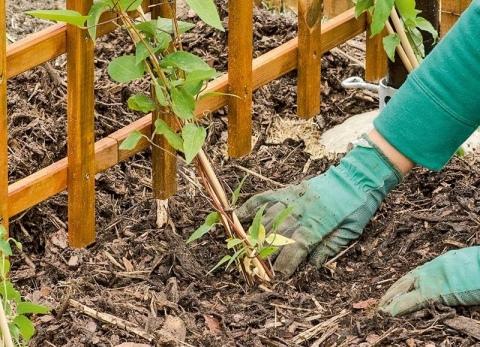
To get a healthy clematis of the Rouge Cardinal variety, you need to plan planting for spring or autumn (September, early October), while adhering to a specific schedule:
- Prepare a planting hole measuring 1.5 m in depth and width.
- Install drainage at the bottom using broken bricks for this purpose, add organic matter and sprinkle with fertile soil.
- Distribute the root part evenly, straightening it out carefully.
- Cover the root and neck with 5-8 cm of nutrient-rich soil.
- Compact the root zone and water generously with rainwater.
Cover the root collar with a layer of mulch. This will protect from heat and wind, and also create an ideal temperature and humidity regime.

Further care
Timely care will make the unpretentious clematis Rouge Cardinal even more decorative.
Irrigation
To make the plant a true garden centerpiece, water it 1-2 times a week during the first few years. As the plant grows, it's recommended to increase watering. Keep the soil moist. A mature plant should receive 3-4 buckets of water. Water only in the evening.
Fertilizer
Clematis Rouge Cardinal responds well to frequent fertilizing. To ensure lush blooms and the formation of numerous new inflorescences, it is recommended to apply nutrients twice a month:
- In the spring, when shoots are growing, the vine requires nitrogen, so it's a good idea to feed it with ammonium nitrate. Organic fertilizers such as bird droppings or mullein can also be used.
- At the time of bud formation, organic substances are combined with mineral complexes.
- In the summer, when clematis is flowering, water it with a non-concentrated solution of manganese or boric acid.
- At the end of August, shoots begin to mature on the shrub, and to speed up this process, the vines need to be fed with mineral-based stimulating complexes. Wood ash can also be used.
- In the fall, before you begin preparing the crop for winter, dig up the soil around the plant, adding potassium sulfate.
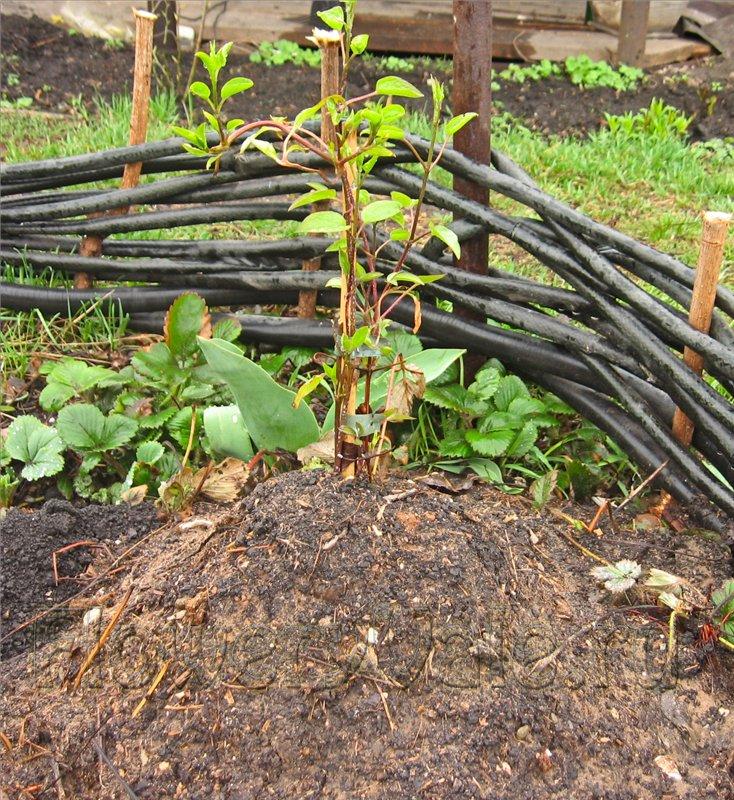
Important! Fertilize while watering to ensure nutrients penetrate deep into the soil and reach the root system.
Trimming
Clematis Rouge Cardinal belongs to pruning group 3, which requires complete pruning in the fall. Stems with 2-3 pairs of buds should be left above ground level. The shoots should be no more than 20 cm tall. After this, earth up the shoots.
Weeding and loosening
The plant does not tolerate weeds, so they must be removed regularly. In addition to weeding, it's important to periodically loosen the soil, improving its water and air permeability, which are essential for the root system to develop properly.
How and what to cover for the winter
Although clematis Rouge Cardinal is frost-hardy, it is recommended to cover it for the winter to prevent frost damage, especially if snowless winters are forecast. To do this, cover the shrub with dry leaves or spruce branches after pruning. In severe frosts and the absence of snow, additionally wrap the plant in agrofibre.

The tree trunk circle must be mulched using sawdust, leaves, and peat.
Plant diseases: prevention and treatment
Clematis Rouge Cardinal demonstrates disease resistance, but gardeners are advised not to relax. The following fungal infections pose a major threat to this variety.
Fusarium
Fusarium wilt primarily affects large-flowered clematis varieties, including Rouge Cardinal. During the disease, all leaves and shoots lose turgor and wilt, and the foliage turns brown. The fungal mycelium begins to develop from the spores, penetrating the damaged tissue, clogging the vascular system, ultimately disrupting the plant's metabolism.
Control measures: Immediately prune all shoots at the base of the bush, collect all fallen leaves, and burn them. Fungicides are ineffective against fusarium. Sometimes, one plant must be sacrificed to prevent infection. With early detection and prompt action, clematis has a good chance of recovery.
Wilt
Symptoms of this dangerous disease include sudden wilting of the tops of the stems, loss of elasticity of the shoots and foliage, which subsequently turns brown and dries out.
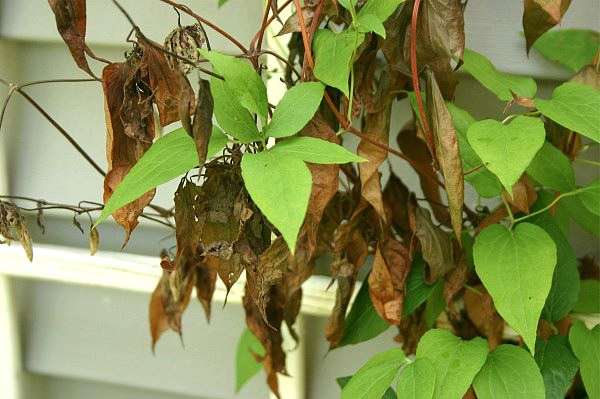
Control measures: adhere to proper agricultural practices, ensure drainage in the root zone, and create an optimal moisture regime. At the first signs of disease, remove all infected vines and treat healthy vines with fungicide solutions. These solutions will disinfect the soil and prevent the development of rot in the root zone. Severe infestations require removal of the shrub along with the root ball and treatment of the planting site with a systemic fungicide solution.
Pests and control methods
Most often, clematis Rouge Cardinal suffers from such harmful insects.
Nematodes
Small worms penetrate the roots and form swellings and bulges. As a result, the clematis stunts, its foliage becomes smaller, shoots break easily, flower buds fade and fail to form, the roots die, and the plant dies.
How to combat: Treat the bushes with insecticides. As a preventative measure, plant marigolds, calendula, and dill near the plant, and mulch the soil with wormwood or mint. You can also add ammonia-based mineral fertilizers to the soil.

Thrips
This insect parasitizes the flowers and foliage of the Rouge Cardinal clematis, sucking out the cellular sap from the plant part, which has a detrimental effect on the decorativeness and health of the clematis.
How to combat: detect thrips in a timely manner and treat the bushes with modern insecticides; soil disinfection is also necessary.
fly
The fly forms necrotic spots on the foliage, which eventually dry out prematurely and fall off. As the larvae feed, they create winding tunnels under the epidermis, which are clearly visible on the upper surface of the leaf blade.
How to fight: if aphids are active, only chemical spraying with insecticides will help.
Spider mite
This pest sucks out the cellular contents of foliage, buds, and flower sepals, entangling them in a web. As a result, the Rouge Cardinal clematis wilts and stunts growth.
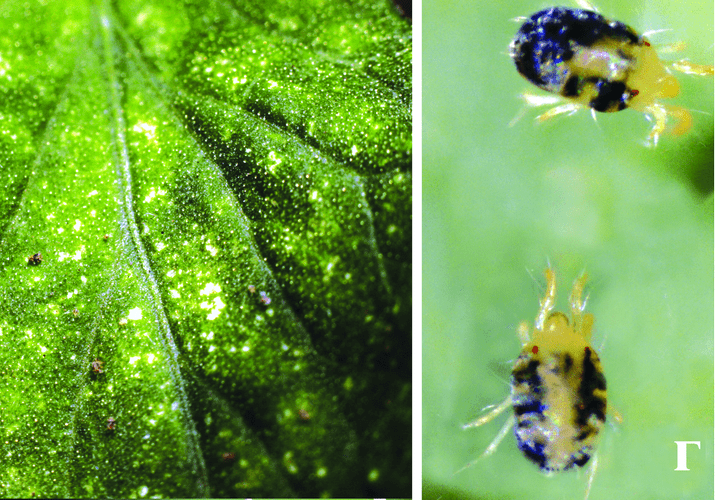
How to control: Systemic insecticides and garlic tincture will help get rid of spider mites. Remove the affected parts of the clematis, then treat with the chosen solution.
Reproduction
You can acquire the Rouge Cardinal clematis variety using the vegetative method.
Note! Large-flowered varieties cannot be propagated by seed, as the seedlings do not retain their parent's characteristics, thus losing their individuality.
Dividing the bush
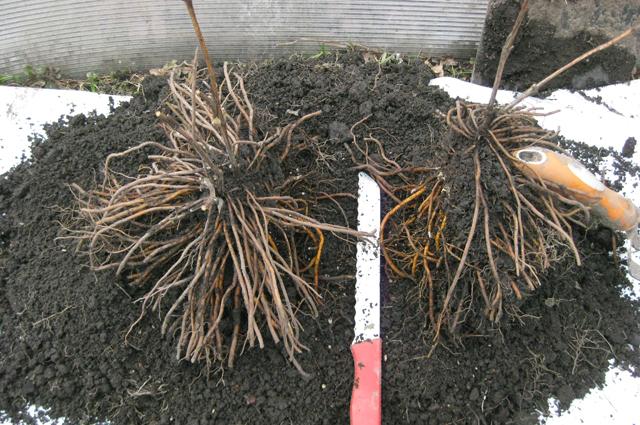
A simple way to propagate clematis Rouge Cardinal is to divide a mature plant. This procedure can be performed after the plant is 5-6 years old, provided it has strong, disease-free, and well-developed roots. To do this, carefully dig up the plant and divide it into sections. The resulting seedlings, with successful root and bud separation, will more readily reach the flowering stage.
Layering
To propagate clematis Rouge Cardinal by layering, dig holes up to 10 cm deep near the bush. Place the lower lateral shoots into these holes, secure them with metal staples, and then cover with nutrient-rich soil. Next year, separate the rooted shoots from the main bush and replant them in a new location.
Cuttings
Propagating clematis from cuttings will produce many seedlings. Green or woody cuttings are used for planting. Planting material can be collected in spring, summer, and fall. To ensure good rooting, gardeners use various growth stimulants.
Gardeners' reviews of the Rouge Cardinal variety
Marina, 36, Voronezh: "Clematis Rouge Cardinal has been growing in my garden for five years now. It has never been diseased, and pests have avoided it. Its blooms are a true highlight of my garden. The key is to buy high-quality planting material and follow the correct cultivation techniques for caring for this luxurious shrub."
Igor, 41, Moscow region: "I took a risk and planted the Rouge Cardinal clematis in my garden. The result is a very interesting flower that's completely unpretentious and blooms all summer long. For me, it's one of the best varieties of this plant. I recommend it even for beginners."
Related posts:
 Description and pruning group of clematis Cardinal Wyszynski, cultivation and care
 Description and pruning group of clematis President, cultivation and care
 Description of the burning clematis, planting and care in open ground, propagation
 Description of Jackman's clematis varieties and pruning group, cultivation and propagation
 Description and characteristics of Manchurian clematis, cultivation techniques
 Description of clematis varieties, planting and care, propagation methods
 Description and characteristics of the clematis variety Kaiser, planting and care, pruning group
 Description of the Cardinal strawberry variety, planting and cultivation