
- Characteristic features of clematis President
- Selection and cultivation regions
- Winter hardiness and drought resistance
- Application in landscape design
- Planting and caring for the plant
- Site selection and preparation
- Planting plan and timing
- Irrigation and nutrient application
- Loosening and weeding the soil
- Pruning group
- Tying to supports
- Shelter for the winter
- Diseases and pests of flowers
- Aphid
- Rodents
- Nematodes
- Rust
- Powdery mildew
- Gray rot
- Wilt
- Clematis 'The President' propagation methods
- Gardeners' reviews of the variety
Clematis is considered a leading garden flower for home gardens and summer cottages. Among vine-like shrubs, gardeners single out the clematis cultivar "President." It is prized for its advantages and valuable properties—a long and abundant flowering period, large, bright purple buds, and high resistance to adverse environmental factors and diseases.
Characteristic features of clematis President
In Latin, clematis is called "branch" or "vine shoot," reflecting the plant's main characteristic—a vine-like, woody stem. A member of the Buttercup family, it is distinguished by its bright and beautiful inflorescences.
Clematis President has the following characteristics:
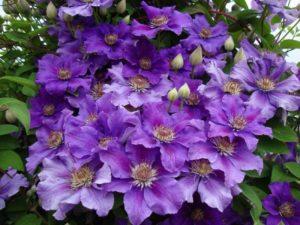
- The President's color palette features warm and cool shades of purple. The large flower resembles a six-pointed star. The leaves are dark green, medium-sized (10-15 cm), and oval.
- Flowers bloom twice a year: in May-June and July-September. The shrub reaches a height of 2-2.5 m.
- Clematis is characterized by vigorous growth—young shoots grow 5-10 cm in just one day. Over the summer, seedlings develop 2-5 shoots, allowing them to quickly twine around surrounding surfaces. This makes the plant popular in landscape design.
- Due to their active growth, shoots require additional support. This should be installed immediately upon planting to prevent damage to the root system. As the branches grow, tie them in place to guide their growth in the desired direction.
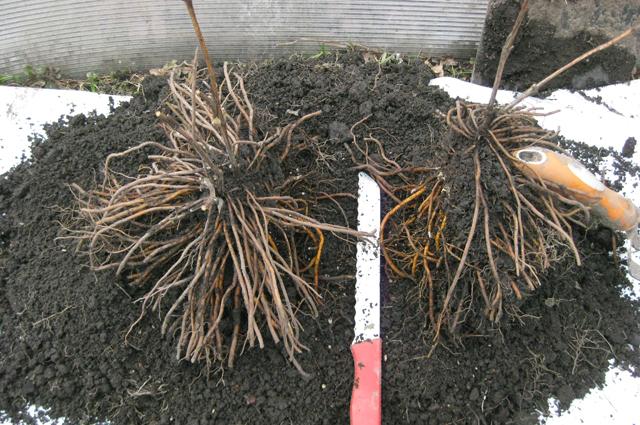
- The root system is tightly compacted into the soil, deepened and expanded to 100-120 cm.
With proper care and comfortable conditions, clematis grows up to 25-30 years.

Selection and cultivation regions
The world first learned about the President clematis thanks to the British breeder Charles Noble in 1876. He used the Jackmani and Spreading clematis as parent forms to develop this variety.
The liana-like shrub was brought to Russia in the 20th century, after which it began to actively spread among gardeners and be used as a greenhouse crop.
The plant adapts well to the Russian climate and is planted in almost every region of the country. The following regions are considered the best for growing:
- Moscow;
- Yaroslavl;
- Ryazan;
- Kostroma;
- Vologda;
- Penza;
- Chelyabinsk;
- Samara;
- Orenburg;
- Saratov.
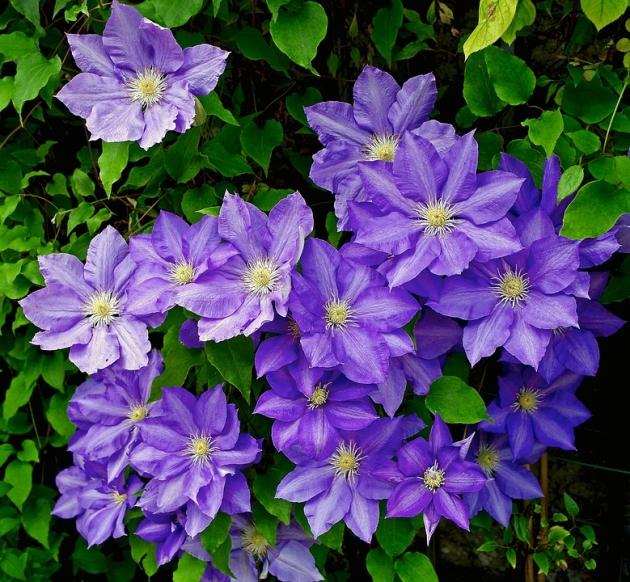
Despite its high cold tolerance, the central and southern regions are more suitable for planting clematis 'President.' When growing the plant in the northwest, it must be properly cared for and protected from cold.
Winter hardiness and drought resistance
The hybrid is easy to care for and highly resistant to adverse external factors, including frost. Clematis belongs to cold hardiness group 4. However, during severe frosts, the plant requires additional shelter. President is considered a sun-loving plant, preferring sunny locations. However, the shrub does not tolerate overheated soil; its root system requires shade. To achieve this, annuals are planted near the trunk.
Application in landscape design
Clematis 'President' is used in vertical gardening, actively climbing arches, pergolas, terraces, verandas, and building walls. This vine-like shrub can be used to decorate unsightly surfaces, structures, and fences. Planted near a fence, it will conceal the area from prying eyes, creating a dense floral carpet. Clematis pairs well with other woody shrubs, creating a stunning, vibrant composition.

Planting and caring for the plant
This variety is easy to care for and is ideal for beginning gardeners. Planting is straightforward; the key is to follow basic gardening practices and provide the plant with proper care.
Site selection and preparation
Proper placement of clematis is the key to vigorous growth, development, and abundant flowering. When choosing a site, consider the following:
- The location for the bush should be sunny, dry, and slightly elevated.
- The main danger for clematis is strong winds and drafts. The flower must be protected from strong gusts.
- If there are groundwater deposits on the site, the planting site is raised by 20-30 cm - this will prevent moisture accumulation and the development of putrefactive processes in the rhizomes.
- Clematis should not be placed near drainpipes or under the roof.
When choosing a site, pay special attention to the soil composition, as it affects the growth and flowering of clematis. Fertile, loose soil with low acidity is preferred. If the soil is clayey and dense, additional drainage for excess water should be considered. A solution is to install a sloping drainage ditch near the clematis.
The soil is dug, loosened, and mixed with peat, sand, and mineral fertilizer. Preparatory work, including the installation of supports, is carried out 30 days before planting. Supports are necessary to support the climbing vine and guide its shoots.
Planting plan and timing
Clematis President can be planted in spring, summer, and fall. According to gardeners, September is considered the optimal time. This period offers stable temperatures and high humidity.
Landing takes place according to the following algorithm:
- Because the shrub has a powerful root system, it requires a large hole. It is dug 60-70 cm deep and wide.
- The bottom of the pit is lined with a drainage layer of 8-10 cm with broken bricks, stones, and crushed stone.
- Fertilizers such as leaf mold, rotted manure, and peat are applied to the drainage layer. Fertilizers such as bone meal, superphosphate, chalk, or wood ash are also added.
- Sprinkle fertile soil on top and water with two buckets of water. Once the water has soaked in, place the seedling in the hole, straighten the roots, and compact it.
Cover the plant with the remaining soil and water. Before planting, it is recommended to soak the rhizomes in a bucket of water with a solution of "Kornevin" for 2-3 hours.
Irrigation and nutrient application
Clematis 'President' is watered 1-2 times every 7 days, covering not only the root system but also the foliage. On hot days, watering is increased to 2-3 times every 7 days. Mature plants have a developed root system, so they require 4 buckets of water per watering. Young plants require 1-2 buckets of water.
The frequency of fertilizing depends on the fertility of the soil where the clematis grows. The President variety is fertilized with organic and mineral fertilizers. During the growing season, the plant is fertilized 3-4 times, combining organic and mineral fertilizers.
Loosening and weeding the soil
Clematis 'President' requires periodic loosening to allow air to penetrate the root system. Loosening the soil allows oxygen to reach the rhizome, which promotes root strengthening and vegetative growth. The soil around the trunk is loosened with a three-pronged hoe, weeded, and mulched. This vine-like plant does not tolerate direct sunlight. Mulching the trunk area can prevent overheating.
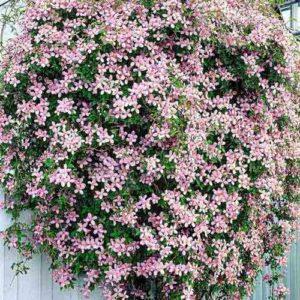

Clematis is mulched:
- rotted manure;
- humus;
- compost;
- wood chips;
- pine needles;
- leaves;
- dry grass/hay.
Mulching can help retain moisture in the roots and make the soil more loose. It's important to remember to regularly weed and remove weeds.
Pruning group
Clematis President belongs to the second pruning group and is pruned twice per season. Pruning is not difficult and the plant tolerates it well. During the first 12 months after planting, shoots are pruned to 35 cm, leaving three buds. This procedure promotes accelerated growth and development.
The first pruning is done in October, before wintering. In the second year, after the previous year's shoots have finished flowering, they should be pruned back as much as possible, leaving one bud above ground. The following fall, the stems are shortened to 90-100 cm.

To trim the shoots, use sharp pruning shears, disinfecting them before and after use. Five years after planting, prune the bush thoroughly, removing all shoots, leaving only one bud on each stem.
Tying to supports
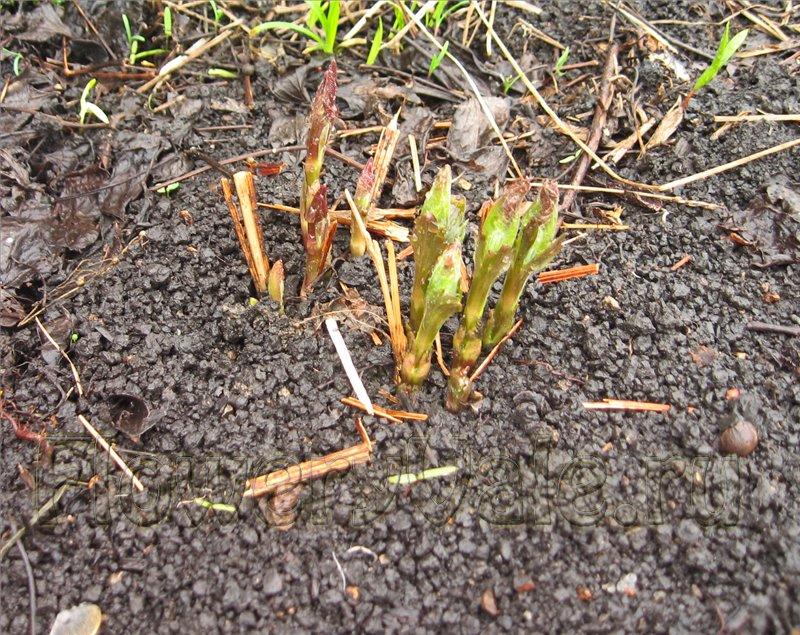
In its second or third year, clematis 'President' begins to grow rapidly, so when planting, supports are installed near the plant—these protect it from wind gusts and direct the growth direction of the shoots. In the spring, as new shoots emerge, they are tied to the supports. They are also used for vertical gardening.
Shelter for the winter
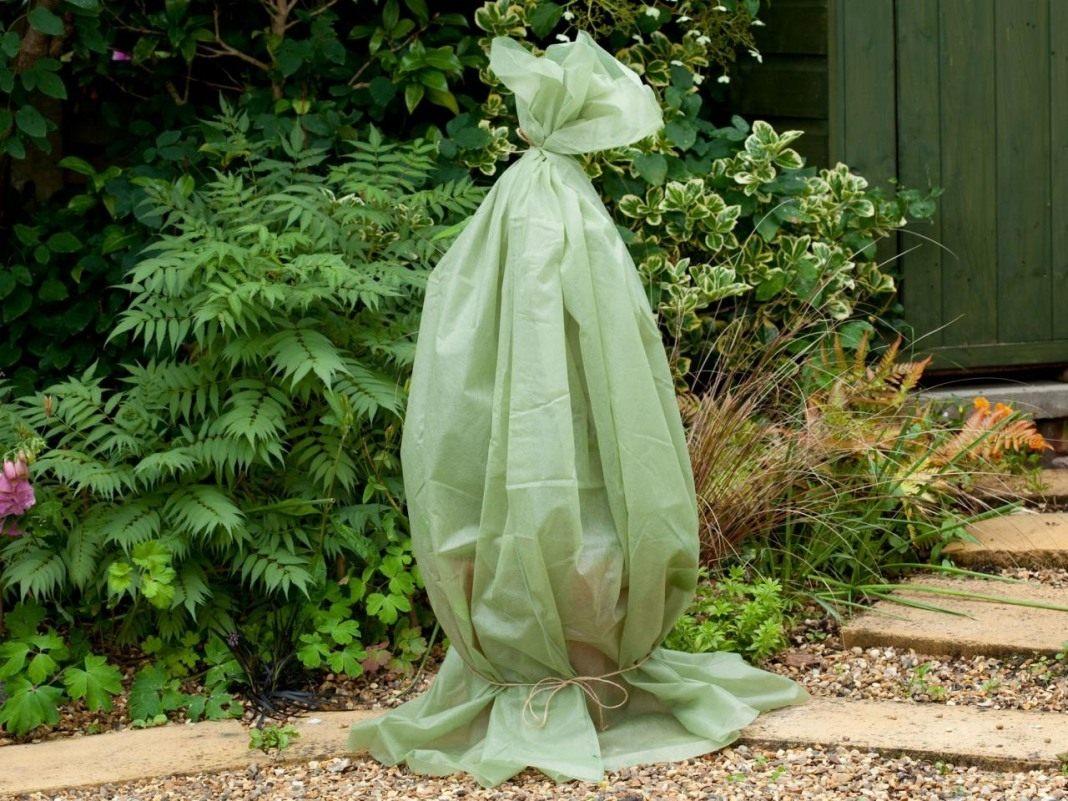
Clematis 'President' is a frost-hardy variety; when planted in southern regions, it requires no additional winter protection. Before severe frosts, gardeners recommend mulching the vine. Peat, sawdust, and dried leaves are used as mulch. In northern and western regions, the shrub is insulated with spruce branches, pine needles, and agrofibre. Covering is applied only before severe frosts; the clematis needs to harden off before then. The insulation is removed in the spring when temperatures stabilize.
Diseases and pests of flowers
Clematis President is often affected by viral, fungal, bacterial diseases and pests.
Aphid
Preventing aphids can be achieved through preventative treatment with fungicides. If the vine is already infested, spray it with insecticides.
Rodents
The flower is also attacked by mice, rats, snails, spider mites, and bugs. They gnaw at the root system, leading to the death of the plant. This can be prevented by setting poisoned traps near the shrub.

Nematodes
Clematis 'President' is often attacked by nematodes. These are small worms that feed on the rhizomes and foliage. The root system becomes covered with growths, the perennial stops growing, the leaves wilt, and the clematis dies.
As a preventative measure, pour boiling water under the plant roots and plant calendula or dill nearby—they repel nematodes. The infected plant should be dug up and burned, and the soil treated with nematocides. It is strictly recommended not to plant clematis in contaminated soil for the next few years.
Rust
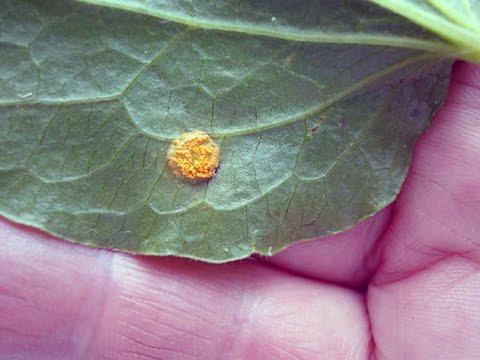
The appearance of yellow swellings and small particles on clematis stems indicates rust. When infected, foliage quickly drops, the shrub stops growing, and it wilts. Infection can be eliminated with Topaz, Hom, or Bordeaux mixture. Infection can be prevented by promptly removing weeds and destroying infected shoots.
Powdery mildew
The infection is identified by a white coating on leaves, young shoots, and flowers. The condition occurs as a result of prolonged exposure to direct sunlight. The disease can be controlled with Topaz or a soda solution.
Gray rot
Infection is triggered by a damp, cool environment. Dark spots and a silvery coating appear on affected leaves, and shoot growth and bud formation are inhibited. The infection is airborne, so treatment should be carried out at the first signs of infection. Treatment can be achieved with Azazen and Fundazol.
Wilt
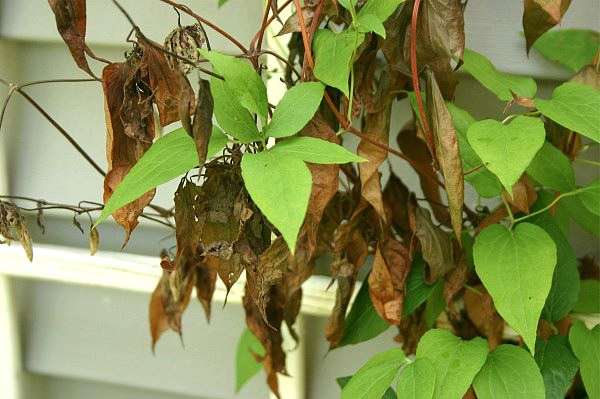
Fungal disease poses a particular threat to the President clematis. The disease is caused by microscopic fungi that invade the clematis's "body." Infected shoots develop vascular blockage, stop breathing, and begin to darken and wilt. In the initial stages, the clematis is treated with fungicides; if the infection is severe, it is dug up and burned.
Clematis 'The President' propagation methods
After the first planted clematis bloom, gardeners want to propagate this beauty, making their garden brighter and more beautiful. There are three main methods for propagating clematis 'President':
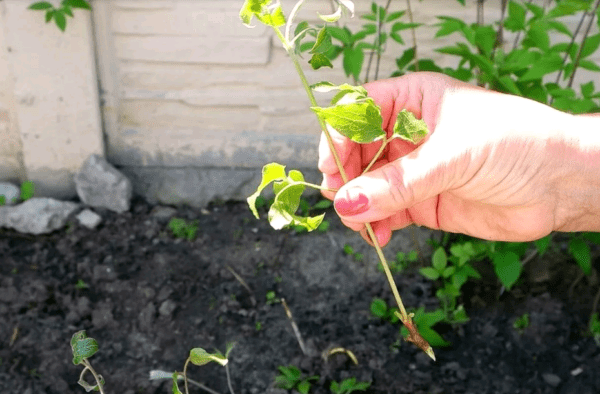
- Cuttings. In early spring or fall, cut a young stem from the clematis. It is recommended to cut a long branch and divide it into 2-3 cuttings. The planting material is dried in the open air until the cut area is dry. Next, the branches are planted in containers or pots filled with peat and sand, watered, and placed in a warm, sunny location. After one month, the plant will begin to root. If the cuttings were taken in early spring, they are transplanted into open soil in October.
- Layering. Dig a small hole near a young, healthy, flexible vine, bend the layer down, and cover it with soil. With regular watering, the branch should sprout new stems in 30-50 days. When they reach 12 cm, pull them out and repot them.
- Dividing the bush. For propagation, a mother plant between 4 and 7.5 years old is required. A hole is dug at the very beginning of the branches, exposing the rhizomes. Next, using a sharp knife, several stems are separated, along with the roots, and replanted. Further care is no different from that for standard clematis.
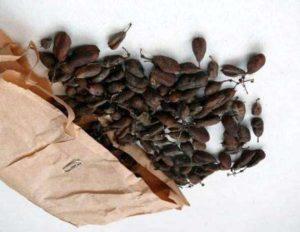
Florists almost never use seed propagation, as it is a long and labor-intensive process.
Gardeners' reviews of the variety
Clematis President attracts attention with its striking appearance, pleasant fragrance, and long flowering period. This flower has earned popularity among gardeners.
Lyudmila: "When my husband and I bought our dacha, we immediately planted several 'President' clematis near the fence. When spring comes, we can't stop admiring the carpet of large purple flowers on the fence."
Antonina: "I saw a clematis at my neighbor's and wanted to plant one myself. I chose the 'President' variety, falling in love with its low-maintenance nature. I used a metal arch near the house as a support, and now the vine is actively twining around the entire arch and blooming profusely."
Konstantin: "I'm interested in growing flowers and planted a clematis called 'President.' It requires minimal care; I water it in hot weather and feed it. So far, I haven't had any problems growing the vine."
Related posts:
 Description of the burning clematis, planting and care in open ground, propagation
 Description and pruning group of clematis Rouge Cardinal, cultivation and propagation
 Description and characteristics of the clematis variety Kaiser, planting and care, pruning group
 Description of clematis varieties, planting and care, propagation methods
 Description and characteristics of Manchurian clematis, cultivation techniques
 Description and characteristics of the clematis variety Comtesse de Bouchaud, planting and care instructions
 Description and pruning group of clematis Varshavska Nike, cultivation and care
 Description and pruning group of Clematis Mountain, planting technology and care