
- History of origin and characteristics
- The most beautiful varieties
- Regions suitable for cultivation
- Landing specifics
- Site selection and preparation
- Timing and sowing patterns
- Caring for seedlings and adult plants
- Watering mode
- Feeding schedule
- Pruning and tying to supports
- Protection from diseases and pests
- Propagation of Mountain Clematis
- Seeds
- Cuttings
- Layering and dividing the bush
- The main difficulties in growing the crop
Climbing, flowering vines are popular with gardeners, and the Mountain Clematis variety deserves special attention. It boasts unrivaled aesthetic qualities and is suitable for vertical gardening, as well as for the artistic design of hedges, arches, and arbors. Considered the king of flowering vine-like perennials, clematis is distinguished by its abundant blooms, wonderful fragrance, and vast color palette.
History of origin and characteristics
Clematis montana is considered a perennial herbaceous or woody plant, belonging to the Ranunculaceae family. The variety was first described by the French and Swiss botanist Augustin Pyramus in 1818 in his book, where he described the classification of all flowering plants. Clematis montana became popular in Europe in 1831.
Clematis Mountain has the following characteristics:
- Clematis is a woody deciduous vine, its length is 8-8.5 m;
- the bush is distinguished by its climbing, densely branched, thin stems of purple color;
- the processes have a cylindrical shape, ribs, sometimes cracks may appear;
- the plant is fixed to the support by long, curling leaf stalks;
- The Mountain variety is characterized by a superficial root system and fleshy thin roots;
- the leaves are round or wedge-shaped and include short-petiolate leaflets 4-9 cm long;
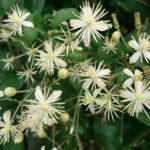
- the color palette of buds is represented by white, pink, lilac and cream;
- Mountain clematis flowers are single or collected in an inflorescence in the form of a shield or panicle.
The buds bloom quickly, and by mid-May they are already fragrant with the aroma of vanilla.
The most beautiful varieties
As a result of breeding work, two hybrid varieties of Mountain Clematis were developed:
- Rubens (pink);
- Montana (Grandiflora).
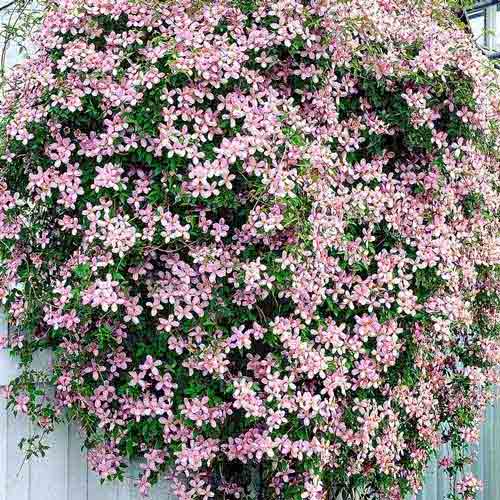
Rubens is distinguished by its large flowers, ranging from reddish-pink to lilac, and a subtle vanilla scent. It is considered a tall perennial, reaching a maximum height of 10 meters. Profuse flowering begins in early June.
The pink petals harmonize with the bright green foliage, and the plant also combines well with other vine-like plants.
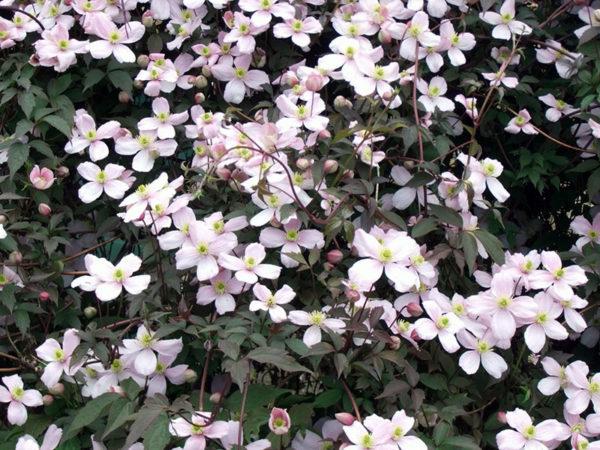
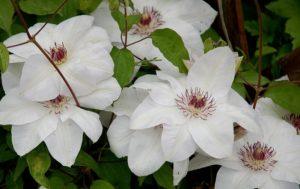
Montana is also considered a tall, woody shrub, quickly twining around an arbor, veranda, or fence. This variety is distinguished by its large, vibrant green leaves, large white flowers, and four-pointed petals. The first buds begin to bloom in early June.
Regions suitable for cultivation
Clematis montana grows throughout the world. In the late 19th century, it began to be exported to:
- Western Asia;
- China;
- East Asia;
- Butane;
- India;
- Nepal;
- Pakistan;
- Myanmar.

The natural habitat of this vine-like perennial is forests, hillsides, and mountain ranges. In Russia, clematis thrives in southern regions; due to its low winter hardiness, it is unsuitable for temperate and northern climates. The plant requires additional winter protection: pruning, securing shoots, insulating with mulch such as spruce branches or dried leaves, and wrapping with agrofibre. Boards or slate are placed on top of the plant.
Landing specifics
To successfully grow Mountain Clematis, it's recommended to carefully select the location, soil composition, and planting timing. To prevent the plant from becoming susceptible to infectious diseases, it's recommended to select healthy seedlings from reputable suppliers.
Site selection and preparation
For successful cultivation of clematis, the following conditions must be provided:
- The plant is planted on the southern or eastern side of the site, in a sunny place where there is protection from gusts of wind.
- Clematis Mountain requires sunlight, ideally placed in the southeast or southwest.
- It is strongly not recommended to plant clematis in a shaded area.
- The plant requires regular watering, mulching, and loosening of the soil. Peat or sawdust are used as mulch.
- For planting, select fertile, slightly alkaline or neutral soil.
- This variety is considered moisture-loving; in summer, the flowers are watered once a week with two buckets of water. On hot days, watering is increased to once every 2-3 days.
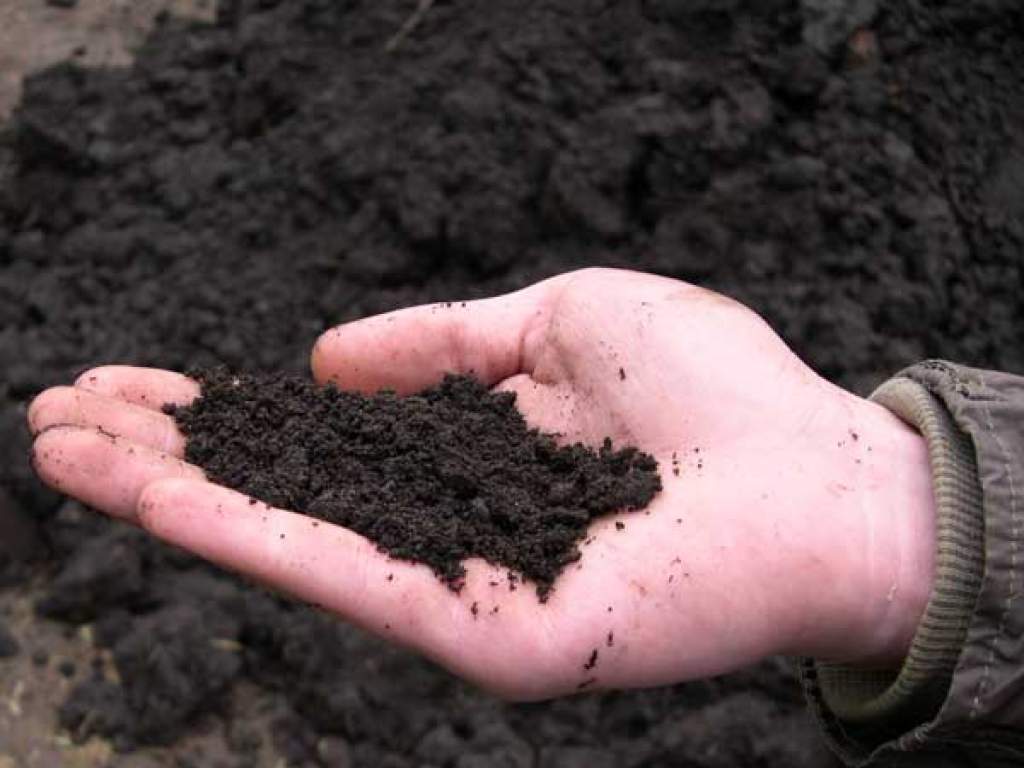
Drafts and strong winds are detrimental to the Mountain Clematis. It can grow in the same location for 10 to 18 years. The soil should be tilled, fertilized, and watered 1-2 months before planting.
Timing and sowing patterns
Spring or fall is the best time to plant; if clematis is grown in a pot, it can be planted even in summer. If the fall planting deadline is missed, the potted seedling should be placed in a cool room until spring. Sawdust and sand can be used to prevent the roots from drying out. Once warm weather arrives, the plant can be planted outdoors.
Planting of Clematis Mountain is carried out according to the following algorithm:
- First, dig a hole 60 cm in diameter, 60 cm in depth, and 60 cm in height. Remove weeds from the top layer of excavated soil and mix it with humus, compost, sand, and peat. The substrate can be mixed with mineral fertilizers, bone meal, lime, and ash.
- Peat, leaf mold, and clay are added to light soil. If the soil is very moist, the bottom of the hole is lined with crushed stone, brick chips, or coarse sand.
- The drainage layer is mixed with the substrate and soil and compacted. The hole is watered with 2-3 buckets of water and allowed to soak in.
- After the water has soaked in, the shrub is placed in the hole, the root system is spread out, and soil is added. The plant is then watered generously.
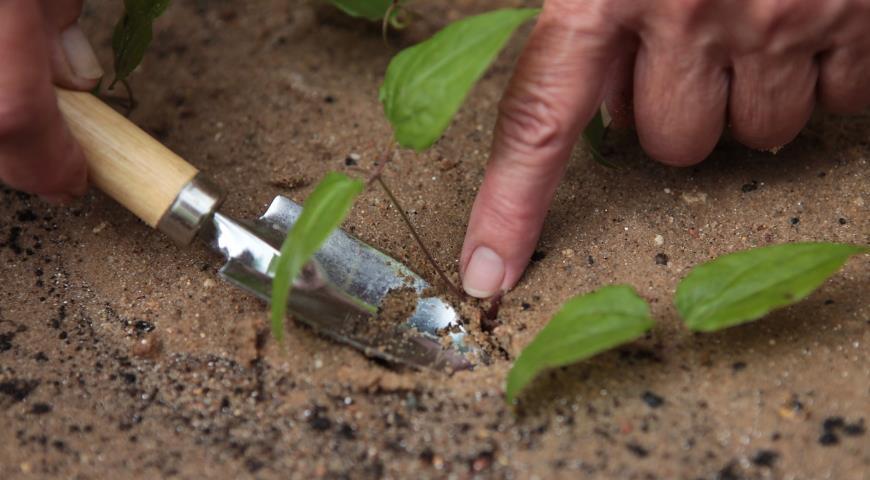
If the Mountain Clematis is planted as a single planting, a support is installed next to it.
Caring for seedlings and adult plants
Clematis alba requires watering, fertilizing, weeding, and loosening the soil. To prevent the plant from becoming susceptible to infectious diseases, it must be regularly treated with special preparations.
Watering mode
Clematis alba thrives on moisture and requires weekly watering. To ensure even watering, place two or three pots with small holes in them next to the vine. Add water to the pots, which will gradually nourish the root system and prevent rot.
Feeding schedule
If the soil was fertilized at planting time, clematis requires no additional feeding during the first year. In the second year, it is fertilized with mullein and mineral fertilizers once each in June, July, and August.
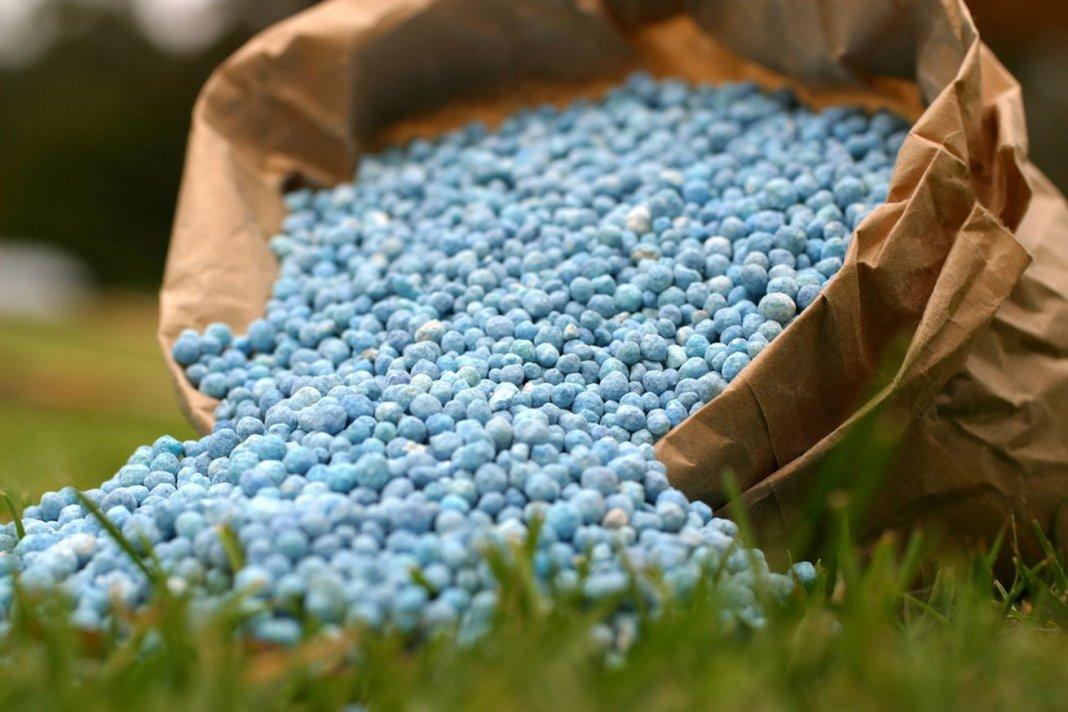
The nutrient substrate is mixed with the following fertilizers:
- nitrogen - during the growing season;
- potassium - during the formation of ovaries;
- phosphorus - when the buds have finished blooming;
- mineral - after pruning the bush.
If in the second year the clematis has grown buds and is preparing to bloom, they are removed so that the seedling can strengthen its roots.
Pruning and tying to supports
Clematis montana is classified as a pruning group 1 plant. These plants don't require annual pruning; they only require removal of damaged branches. Mature bushes are pruned back 50% of their shoots after the buds fade. This will rejuvenate the plant and ensure abundant flowering the following season. After planting, the plant is not pruned.
Clematis montana is considered a tall shrub, its twining stems reaching great heights. It requires natural or artificial support. This can be vertical or horizontal, arch-shaped, pyramidal, or fan-shaped. Clematis montana is planted among other woody perennials, with ropes or fishing lines strung between them.

Protection from diseases and pests
In mid-September, the shrub is pruned, and the cut parts are burned to prevent infection by pathogenic microorganisms. Clematis alba is susceptible to the following diseases:
- Fusarium is a fungal disease caused by excess moisture in the root system. Blackened shoots indicate the disease. Fusarium can be prevented by spraying with Bordeaux mixture in early spring and fall.
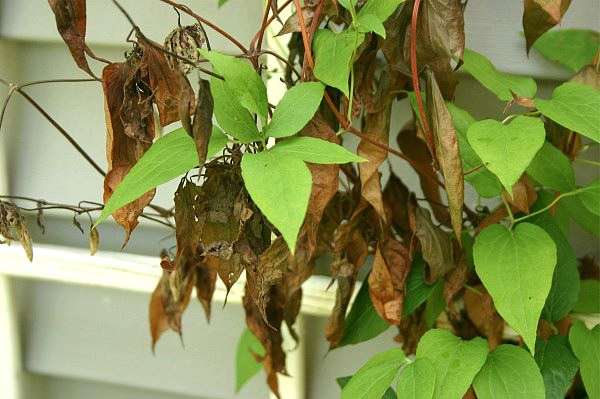
- Wilt. This is a common fungal disease. It occurs when pathogenic microorganisms enter the plant tissue through damaged stems. Affected shoots begin to darken and dry out. At the initial stage, the shrub should be sprayed with fungicides. If the infection actively spreads, the plant should be dug up and burned.
Clematis montana is often attacked by nematodes. These are microscopic parasitic worms that spread throughout the vine. Root knot nematodes are particularly dangerous—their proliferation causes the plant's root system to become covered in nodules called galls. The affected bush must be destroyed, otherwise the infection will spread to other plants.
Propagation of Mountain Clematis
The perennial is propagated by seeds, cuttings, layering and dividing the bush.
Seeds
The seeds are planted outdoors in mid-March. Before planting, they are soaked in a Kornevin solution and kept in a cool place for three months. After the weather warms up, they are buried 1-2 cm deep in prepared soil.
Cuttings
The cuttings are cut, placed in a basin of water and Kornevin for half an hour, and then planted in a container. Once they have rooted, they are planted in open soil.
Layering and dividing the bush
The cuttings are transplanted in early spring—the shoots are pinned into a prepared hole, watered, and covered with a thin layer of soil. In early fall, the rooted shoots are dug up and placed in their permanent location.
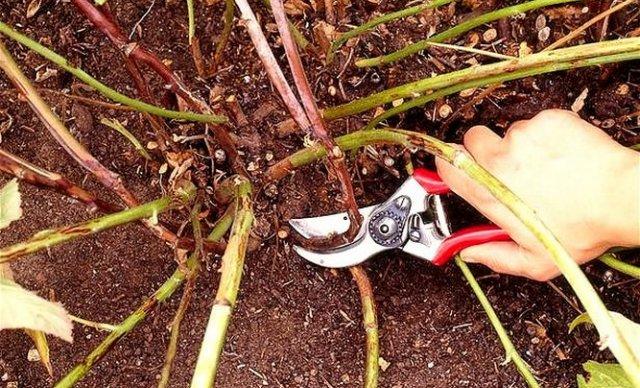
The division procedure is suitable for mature six-year-old shrubs. They are dug up, cleared of the root ball, and divided into several sections. Each section should have separate shoots and a developed root system.
The main difficulties in growing the crop
During the first year of its life, the Mountain Clematis may stop growing. This can be corrected by fertilizing with nitrogen-containing fertilizers. If the tips of young shoots curl or dry out, increase the frequency of watering.
Aphids on the bush can be controlled with tobacco infusion, hot pepper, or insecticides. Small flowers indicate a lack of water in the root system. If the Mountain Clematis isn't blooming profusely or growing vigorously in its third or fourth year, it's likely that the planting was done incorrectly. Replanting the plant can save it.
Related posts:
 Description of the burning clematis, planting and care in open ground, propagation
 Description and pruning group of clematis President, cultivation and care
 Description and characteristics of Manchurian clematis, cultivation techniques
 Description and pruning group of clematis Rouge Cardinal, cultivation and propagation
 Description and pruning group of clematis Varshavska Nike, cultivation and care
 Description and pruning group of clematis Mrs. Cholmondeley, cultivation and care
 Description of clematis varieties, planting and care, propagation methods
 Description and characteristics of the clematis variety Kaiser, planting and care, pruning group