
- Clematis Mrs. Cholmondeley - characteristics of the hybrid
- Advantages of using in landscape design
- Landing specifics
- Preparing the site and seedlings
- Disembarkation times and rules
- Further care
- Watering and fertilization
- Loosening and mulching the soil
- Pruning group
- Preventive treatments
- Preparing for the winter period
- Methods of reproduction
- Gardeners' reviews of the hybrid
Among the many flowers in the front garden, a clematis called Mrs. Cholmondeley is often seen. This perennial vine belongs to the Ranunculaceae family. It attracts gardeners with its ability to bloom continuously and abundantly throughout the summer season. Clematis boasts large lilac flowers and is an excellent complement to evergreen and deciduous plants. With timely care, the plant delights the eye with its abundant and picturesque blooms.
Clematis Mrs. Cholmondeley - characteristics of the hybrid
Clematis Mrs. Cholmondeley was developed by English breeders in 1873. In 1993, the flower was officially awarded the Royal Horticultural Society's Prize. From the moment of planting, the plant needs proper support—this will help it reach 3.5 m in height.
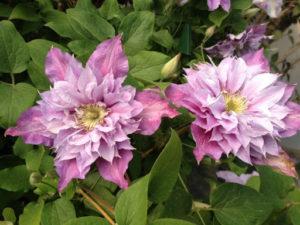
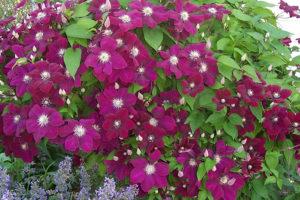
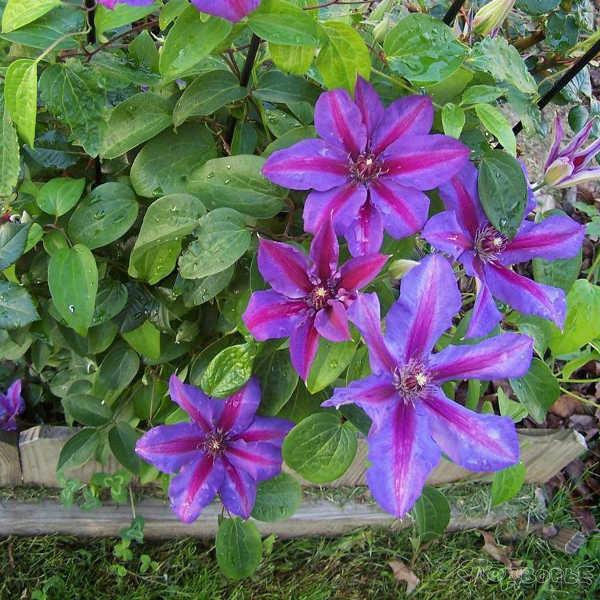
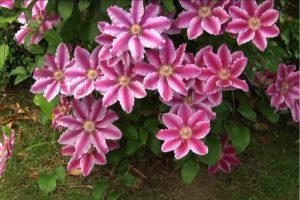
This hybrid variety is distinguished by its large flowers, growing up to 20-24 cm in diameter. Most commonly found are plants with lilac, light blue, lavender, and purple buds. The center of the clematis contains small, smooth stamens of yellow, brownish, and velvety colors. Young, large-flowered clematis "Mrs. Cholmondeley" has single-flowered flowers, while mature specimens have semi-double buds. This variety has small, pointed, light green leaves, reaching 5 cm in length and 2 cm in width.
Advantages of using in landscape design
Clematis is undemanding in terms of growing conditions and is used in vertical gardening. It grows on the following surfaces:
- arches;
- supports;
- fences;
- gratings;
- gazebos.
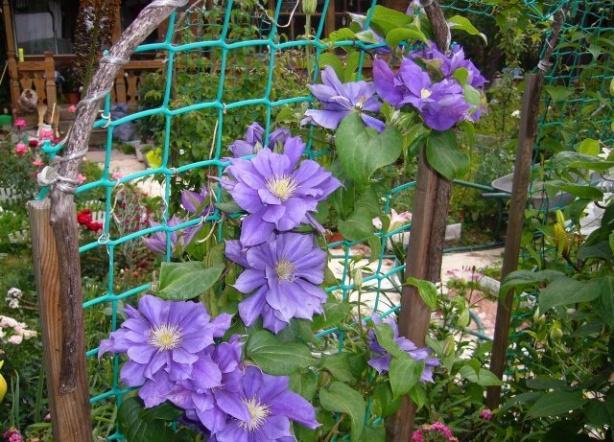
This plant is suitable for growing on a balcony or veranda, as it has a small root system and doesn't require a large area. It grows along a fence, a concrete foundation, or near a tree with deep, strong roots. With proper planting and care, this large-flowered vine twines around the support, delighting the grower with abundant and long-lasting blooms.
Landing specifics
Clematis Mrs. Cholmondeley is available in three varieties:
- in a special container, while the root system is placed in a moist substrate;
- in the form of a thin stem with a rhizome;
- in the form of a root system with shoots.
There are several requirements for planting clematis Mrs. Cholmondeley:
- For planting Cholmondeels, select a sunny area protected from strong winds.
- The plant prefers slightly alkaline, fertile, loose soil.
- Experienced gardeners do not recommend planting clematis in saline, damp, heavy or acidic soil.
- When planting a flower in clay soil, it is necessary to install a drainage layer.
- Fill the dug hole with a light, fertilized mixture. It is not recommended to enrich the plant with acidic peat or fresh manure.
It is not recommended to plant clematis in areas with close groundwater levels. Avoid placing the plant under a roof, as excessive rainwater can cause it to rot.
Preparing the site and seedlings
Before planting, begin preparing the planting material: immerse the shoots in a bucket of water for 30-40 minutes. The soil should be dug, fertilized, and a hole dug beforehand. Sand, humus, and wood ash are used in equal proportions as a nutritious soil substrate.
Disembarkation times and rules
Gardeners recommend planting Mrs. Cholmondeley clematis in mid-April or September. Before planting, prepare the site; a sunny clearing or a site near a fence is preferable. Mrs. Cholmondeley planting follows this sequence:
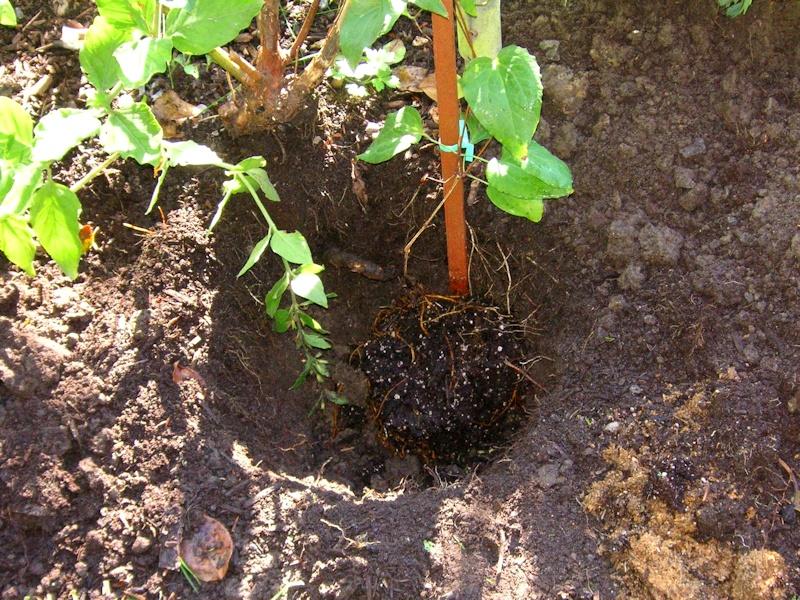
- First, prepare the soil and dig a hole. The hole's size is determined by the size of the seedling—it should accommodate the rhizome, fertilizer, and the root collar of the plant.
- The bottom of the hole is sprinkled with substrate and watered.
- After the water has been absorbed, the clematis is placed in the hole, compacted and covered with a handful of soil.
- A two-meter rod is installed near the planting, which the clematis will twine around as it grows.
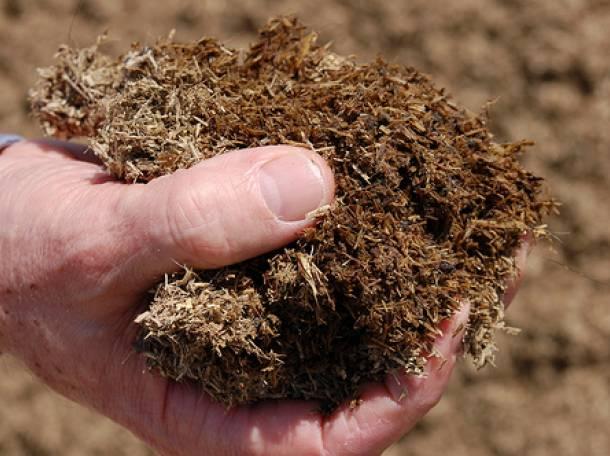
The planting is watered with a bucket of water and covered with mulch made of sawdust, grass or hay.
Further care
Caring for clematis involves standard procedures: watering, loosening, mulching, pruning and fertilizing.
Watering and fertilization
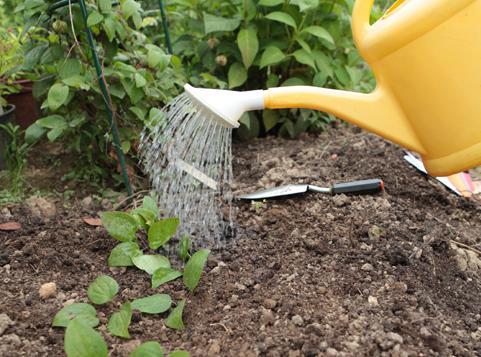
Irrigation should be regular but moderate, depending on the condition of the soil. Overwatering leads to water stagnation and rhizome rot, which can lead to various diseases. Fertilize the plant for the first 12 months after planting. In the second year, fertilize according to the following schedule:
- During growth before flowering, clematis needs nitrogen fertilizers;
- when inflorescences appear, the flower is fertilized with complex preparations;
- After the flowering period is over, at the beginning of September, Mrs. Cholmondeley is fertilized with potassium and phosphorus mixtures.
Fertilizer mixtures should be applied sparingly, otherwise clematis will suffer from sunburn. Organic and mineral fertilizers should be applied no more than 4-5 times per summer.
Loosening and mulching the soil
After watering, it's necessary to loosen the soil around the trunk to ensure oxygen reaches the rhizomes. This loosening procedure is carried out using a three-pronged hoe—it safely and effectively lifts the top layer of soil without damaging the flower stalks or bulbs.
As soon as clematis begins to become overgrown with weeds, it should be weeded. It's recommended to remove weeds early in the growth phase, otherwise they will rob the plant of nutrients and moisture.
Pruning group
Proper pruning can help control clematis flowering. The fast-growing hybrid Mrs. Cholmondeley belongs to pruning group 3, blooming from July to September. Lateral shoots are pinched at the end of September, with the trunk scalped at 50 cm above ground level.
The following year, the plant is cleared of damaged parts and the tips of the flower stalks are pinched off. After these procedures, the plant recovers within a month. Pruning clematis is necessary for its rejuvenation, abundant flowering, and rapid growth of lateral shoots.
Preventive treatments
Clematis Mrs. Cholmondeley is susceptible to diseases such as gray mold, powdery mildew, and rust. Infections can be prevented by regularly treating the plant with fungicides. Clematis is a favorite pest of spider mites, aphids, and slugs, which devour the leaves and stems, causing the plant to stop blooming and wilt. Insecticides can be used to control pests.
Preparing for the winter period
It's recommended to cover this perennial hybrid before frost sets in. Use peat to cover the main flower stalk—it will prevent the stem from freezing. Hay, spruce branches, sawdust, dry grass, or leaves can be used to insulate the area around the trunk.
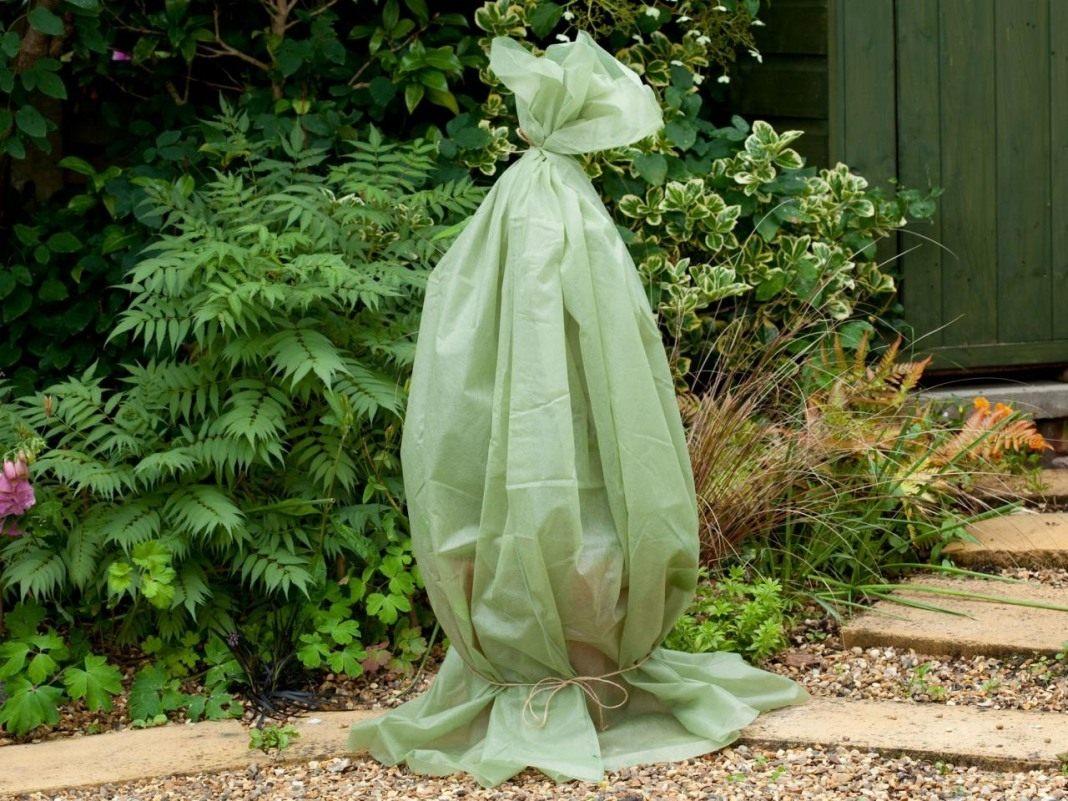
All shoots are bent to the ground, wrapped in agrofibre, covered with soil, and covered with roofing felt. Heavy boards are placed on top of the structure to prevent it from being damaged by gusts of wind.
Methods of reproduction
Clematis 'Mrs. Cholmondeley' is propagated by division in spring or fall. Select a strong, mature, and well-developed specimen 5-6 years old. The plant should be dug up without damaging the root system and divided into 2-3 sections containing 3-4 living buds. The clematis is then planted using the technique described above.
Gardeners' reviews of the hybrid
Clematis 'Mrs. Cholmondeley' is considered a beautiful ornamental hybrid that adapts to even the harshest climates. This plant is beloved by gardeners for its low maintenance, attractive appearance, and abundant blooms.
Yana, 48: "I bought a clematis on the advice of a neighbor from her dacha and planted three seedlings near the fence and the gazebo. Three years later, the fence and archway are covered with large purple flowers and lush green foliage, covering up the unsightly metal frame. During the summer, I regularly water, weed, and feed it. I consider the plant's main advantage to be its long and abundant blooms, which delight me from July to September."
Lyudmila, 60: "I'm a flower lover, so I've created a flower bed near my house, in which the clematis 'Mrs. Cholmondeley' takes center stage. It's grown wild, twining around the entire fence and the gazebo. Caring for it is no different from caring for any other plant: for the winter, I wrap it tightly in plastic, cover it with soil, and spruce branches. Growing the clematis has never been a problem; it blooms profusely every year, delighting the eye with its large lavender buds."
Related posts:
 Description and pruning group of clematis President, cultivation and care
 Description of the burning clematis, planting and care in open ground, propagation
 Description and pruning group of clematis Rouge Cardinal, cultivation and propagation
 Description and pruning group of Clematis Mountain, planting technology and care
 Description and pruning group of clematis Varshavska Nike, cultivation and care
 Description and characteristics of Manchurian clematis, cultivation techniques
 Description of clematis varieties, planting and care, propagation methods
 Description and characteristics of the clematis variety Kaiser, planting and care, pruning group