
- Description and characteristics of the Piilu variety
- Selection and cultivation regions
- Benefits of using in landscape design
- Frost resistance, drought resistance
- Immunity to diseases and pests
- Planting and caring for clematis Piilu
- Site selection and soil composition requirements
- Planting dates and scheme
- Watering and fertilizing
- Trimming
- Tying to supports
- Loosening and weeding
- Preparing for winter
- Methods of reproduction
- Cuttings
- Dividing the bush
- Seeds
- Gardeners' reviews of the variety
Flowering clematis vines are perfect for decorating gardens, verandas, and even balconies. This explains the popularity of these perennials. Clematis's decorative qualities are impressive, and even inexperienced gardeners can handle the vine's care. The clematis Piilu is a creation of Estonian breeders; despite its "young" age, it has become a firm fixture in the gardens of local flower lovers.
Description and characteristics of the Piilu variety
This perennial vine is characterized by its compact size, making it suitable not only for gardens but also as a potted plant for balconies and verandas. Clematis Piilu's shoots do not exceed 2 meters in length. However, this length varies depending on the growing region—in northern regions, the branches of this variety do not exceed one meter.
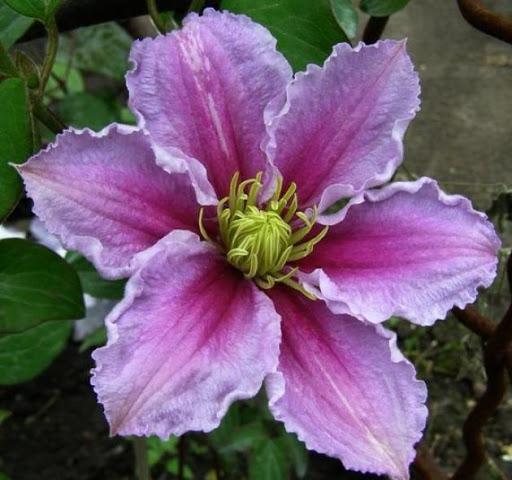
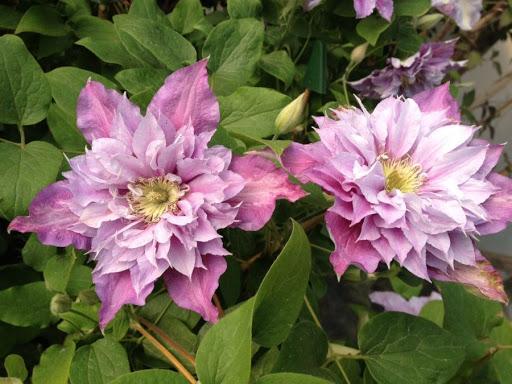
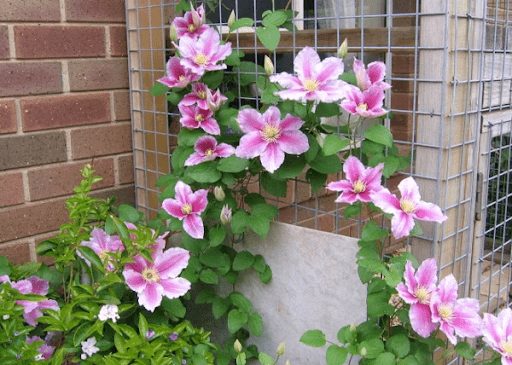
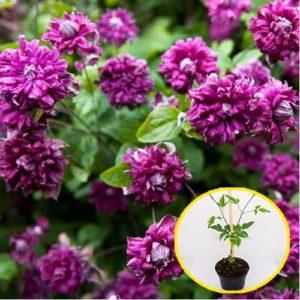
The buds of this variety are medium-sized, ranging from 10-12 cm in diameter. The petals are a pinkish-purple hue, each with a dark pink stripe in the center. The anthers, a bright yellow, provide a striking contrast. The flowers are either single or double. Single flowers have 4-6 petals, while double flowers have many more. They are characterized by wavy edges.
A distinctive feature of the Piilu variety is that buds first appear on last year's shoots, producing abundant, semi-double or double flowers. However, on this year's branches, the flowers are single.
This clematis variety belongs to the Patens group and blooms twice a season. The first buds open in June or July, the second in July, and they delight the eye until early September. The Piilu variety is not listed in the State Register of the Russian Federation.
Selection and cultivation regions
The variety was developed in 1984 by Estonian breeder Uno Kivistik. After several years of testing, the clematis was given its name – Piilu, which means "little duckling" in Estonian.
Because this vine tolerates significant winter temperatures, it is grown in virtually all regions. It also tolerates drought conditions, provided it receives regular and ample watering.
Benefits of using in landscape design
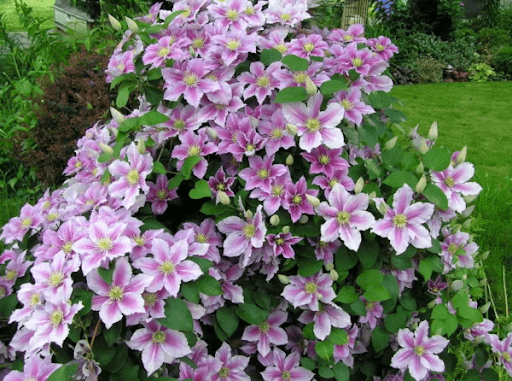
Thanks to its characteristics, the clematis variety Piilu has become popular not only with ordinary gardeners but also with professional landscape designers. The plant is used in the following variations:
- For decorating open verandas, terraces, balconies and loggias, planting in spacious containers.
- For decorating fences, arches, walls of buildings.
- As a central accent of a flower bed.
- In a composition with conifers and roses.
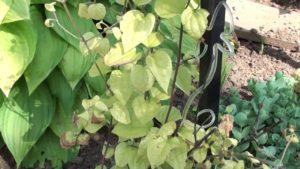
Due to the fact that the clematis variety has leaf petioles, it can easily cling to any support on its own.
Frost resistance, drought resistance
The clematis variety Piilu easily withstands winter temperatures down to -34 However, in regions with risky farming, plants are protected from frost. Heat is also not a problem for this clematis variety, but the plant does not like overheating of the root system.
Immunity to diseases and pests
The Piilu variety has a moderate resistance to diseases and insect pests. Problems can be avoided with regular preventative measures and following the plant care recommendations.
Planting and caring for clematis Piilu
Even novice gardeners can easily plant and care for Estonian clematis. The key is to learn the site requirements and adhere to proper cultivation practices.
Site selection and soil composition requirements
Like all clematis varieties, Piilu requires full sunlight and does not tolerate close groundwater. A slightly elevated location, with full sun during the first half of the day and partial shade in the afternoon, is ideal. It is also recommended to avoid placing clematis in drafty areas or close to building walls—keep it at least 60 cm away. This is because water runoff from roofs after rain damages the delicate petals and spoils the plant's decorative appearance.
This perennial vine should not be planted in clay soil with an acidic or alkaline reaction. Fertile soil with good air and water permeability is preferred.
Planting dates and scheme
In southern regions, seedlings are planted both in spring and fall. For the central and northern regions, spring planting is preferable, allowing the clematis to establish roots in their new location and prepare for the cold weather.
Maintain a distance of 80-100 cm between plants. It is recommended to prepare the planting hole two weeks before the expected planting date. It should be at least 60 cm deep and wide. Add humus, mineral fertilizer, and wood ash, water with a fungicide solution, and cover the top with spruce branches.
Further work is carried out according to the following algorithm:
- At the bottom of the dug hole, a drainage layer is arranged, consisting of small crushed stone or broken brick.
- Prepared soil is poured on top to form a small mound.
- A clematis seedling is placed on it, carefully straightening its roots so that they point downwards.
- Cover the top with the remaining soil and water.
- Since the plant's root system reacts negatively to overheating, it is covered with a layer of mulch, and low annual plants are planted around it to create the necessary shading.
- They are tied to a support.

Important! When planting clematis, the root collar must be buried at least 8 cm deep.
Watering and fertilizing
Clematis bushes should be watered regularly and generously. On average, one bucket of water is used per plant, watering once every seven days. If natural rainfall is insufficient and the weather is hot, increase the frequency of watering to twice a week. It's important to ensure that water doesn't stagnate around the roots, as this leads to rot and fungal diseases.
During the first growing season, there's no need to apply fertilizer to the seedlings. The fertilizer placed in the planting hole is sufficient for young clematis to grow and develop. Nutrient additions begin in the second year. This is done four times during the season: in the spring (during active growth), during bud formation, after flowering, and before winter preparation. It's recommended to alternate between mineral and organic fertilizers.
Trimming
Clematis Piilu belongs to pruning group 2, so the procedure is carried out in two stages. In the summer, after flowering has finished, part of the vine is removed; if the branch is covered with numerous faded buds, it is cut off completely. New shoots from the current year are pruned by half in late fall in preparation for winter.
Tying to supports
Clematis Piilu clings beautifully to supports. To adjust its appearance, gardeners guide the shoots in the desired direction and secure them with soft ropes. Supports can be provided by fences, fruit trees, or special structures purchased from gardening stores or homemade.
Loosening and weeding
To oxygenate clematis roots, loosen the soil after each watering. This is done carefully using a three-pronged hoe. Weeding is also combined with this procedure; weeds in the root zone rob the plant of nutrients and can cause disease.
Preparing for winter
In northern and central regions, clematis requires shelter; in southern regions, pruning and adding soil to the root zone is sufficient. Covering is done as follows:
- All the leaves are torn off from the remaining branches.
- Spruce branches are laid down and all the plant shoots are bent to the ground.
- Dry leaves are sprinkled on top and a wooden box is installed.
- The entire structure is wrapped in polyethylene film or spunbond, leaving holes for ventilation.
With the arrival of the first warm days in spring, the covering is removed from the plants so that the clematis do not rot.

Methods of reproduction
To grow clematis Piilu in a garden plot, several simple methods are used.
Cuttings
This method is used in the spring. Here's the procedure:
- Small cuttings are taken from healthy plant branches, using the middle portion of the shoot. The cut is made at a 45-degree angle.
- Prepare a substrate from equal parts of peat and sand.
- Dig the cuttings into the soil, water them, and store the containers in a warm room. To speed up rooting, soak the cuttings in a Kornevin solution for a few minutes.
- Don't forget to water the young seedlings regularly, and when roots appear on them, transfer the plants to open ground.
Dividing the bush
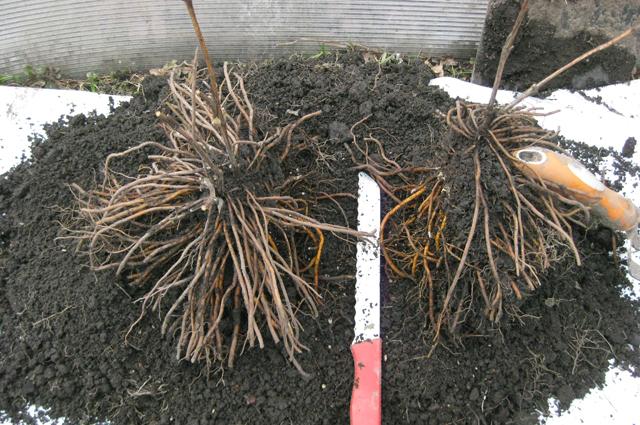
Experienced gardeners believe that dividing clematis bushes is the fastest and most convenient method, especially for beginners. A large plant at least five years old and showing no signs of disease is carefully dug out of the ground. Using a sharp knife or shovel, divide it into several equal sections.
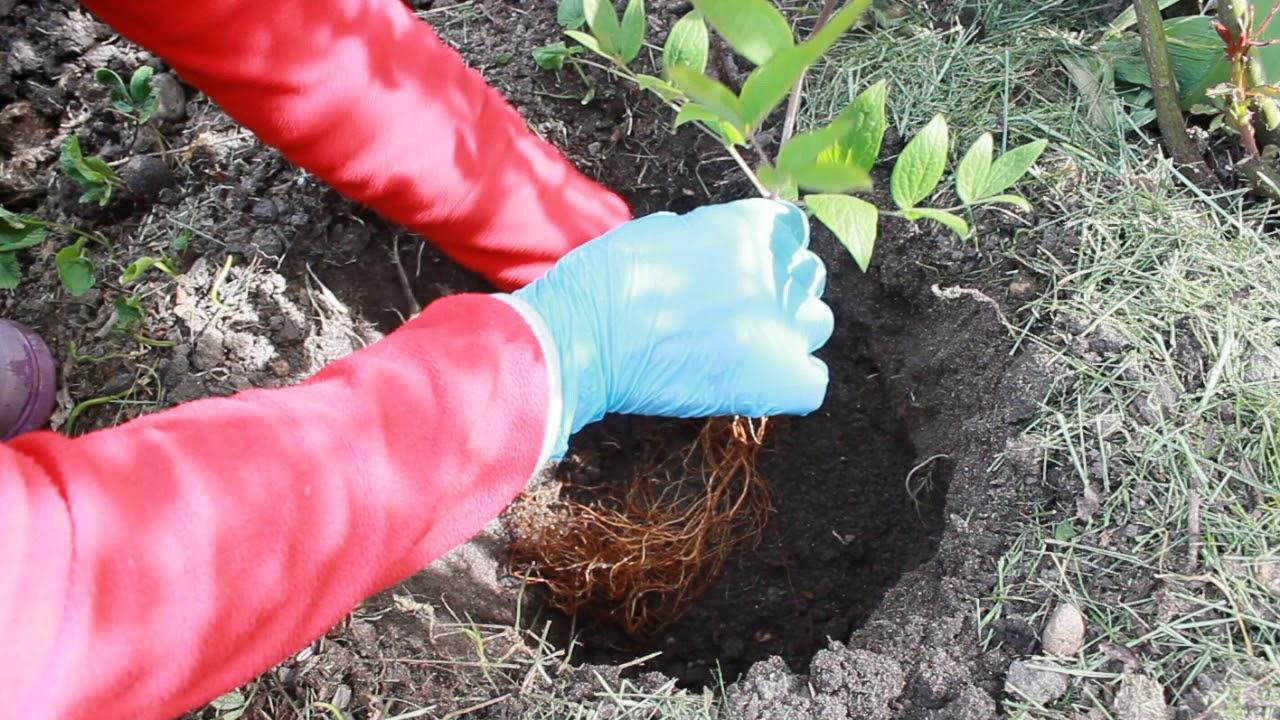
The cuttings are planted in a prepared spot in the garden. This way, all the characteristics of the mother plant are preserved, and these clematis quickly adapt to the new site.
Seeds
Clematis propagation by seed is carried out according to the following instructions:
- The material is hardened in the refrigerator for several hours.
- Remove the seeds and wait 2 hours.
- This procedure is repeated twice.
- Prepare a growth stimulator solution according to the instructions on the package and place the material there for 2 hours.
- After this, the seeds are taken out and washed with clean water.
- The nutrient mixture is placed in the container and the material is spread on top of it.
- Then cover with plastic wrap and take to a warm, dark place.
- Don't forget to regularly ventilate the plantings and moisten them as needed.
- As soon as the sprouts appear, they are transferred to open ground, initially creating a greenhouse for them.
Gardeners' reviews of the variety
Alina Zakharovna Lemesheva, 54, Moscow region: "I regularly add new varieties to my clematis collection. This time, on the advice of a salesperson, I bought the Piilu variety. I was very surprised to see it bloom profusely in the very first year after planting it. We provided a shelter for the beauty for the winter, so the young seedling survived the vagaries of the weather without a problem. We periodically perform preventative treatments on the plant, so we haven't encountered any diseases."
Margarita Semenovna Orlova, 43, Samara: "One of my favorite clematis. It blooms practically all season long, is disease-free, and propagates beautifully by division."
Related posts:
 Description and pruning group of clematis Ashva, the subtleties of growing and care
 How to propagate clematis at home: timing, methods, and technologies
 Description and characteristics of the clematis variety Comtesse de Bouchaud, planting and care instructions
 Description of Jackman's clematis varieties and pruning group, cultivation and propagation
 Description of the best varieties of Tangut clematis, planting, growing and care
 Description and pruning group of clematis Cardinal Wyszynski, cultivation and care
 Description and pruning group of clematis variety Nelly Moser, planting and care rules
 Description and pruning group of clematis Rouge Cardinal, cultivation and propagation