
- Causes of clematis disease
- Major diseases: symptoms and treatment
- Yellow mosaic
- Alternaria, septoria, cylindrosporiosis
- Ascochytosis
- Powdery mildew (Erysiphales)
- Fusarium
- Rust
- Gray rot
- Phomopsis wilt
- Verticillium wilt
- Mushrooms
- Viruses
- Pests of crops: signs of parasitism and control measures
- Slugs and snails
- Nematodes
- Spider mite
- Aphid
- Mealybug
- Bedbugs
- Scale insects
- Mole crickets
- Rats and mice
- Window moth
- Lesser true moth
- Preventive measures
- From diseases
- From parasitic insects
Clematis, a beautiful addition to gardens and flowerbeds, is often plagued by diseases and pests. It's unlikely to delight with its attractive blooms without proper care and certain cultural practices. When growing, it's important to plant the bushes in the right location, properly manage their care, and implement timely preventative measures to ensure that diseases and pests avert this beautiful perennial.
Causes of clematis disease
The health of a plant and its immune system depend on many factors. Failure to follow planting and care guidelines can facilitate the development of pathogenic microorganism colonies and be fatal to the crop.
The main causes of clematis diseases:
- Changes in weather conditions: sudden temperature changes, rain, or, conversely, drought.
- Ignoring agricultural practices: excessive or insufficient watering, untimely loosening of the soil, removal of weeds, and application of fertilizers.
- Poor planting: incorrectly selected site, infertile soil, poor in minerals and organic substances necessary for the plant, lack of drainage, uneven hole parameters.
- The climatic features of the region were not taken into account when choosing the clematis variety.
- Improper preparation for winter cold and spring cleaning: lack of covering, untimely removal of snow and mulch, which may contain large quantities of insect eggs.
- Failure to carefully inspect seedlings before purchasing them can result in the purchase of infected planting material, which can infect all the plants in the flowerbed.
Advice! Prevention is better than cure, so proper planting and care will help increase clematis' resistance to pathogens and pests.
Major diseases: symptoms and treatment
It's hard to watch a plant fail to bloom and wither before your eyes. In this situation, immediate treatment is necessary. Early detection is essential to initiate prompt treatment. To do this, inspect the plant daily for damage, plaque, thickening, and other signs.
Yellow mosaic
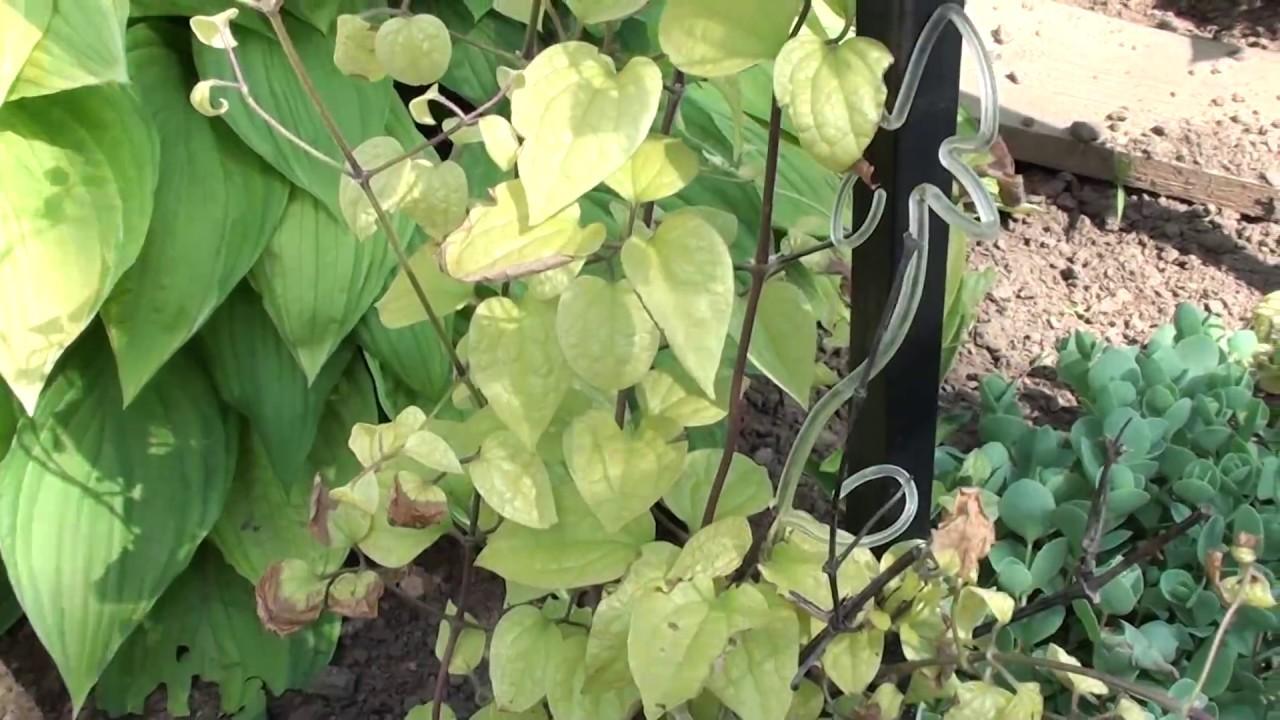
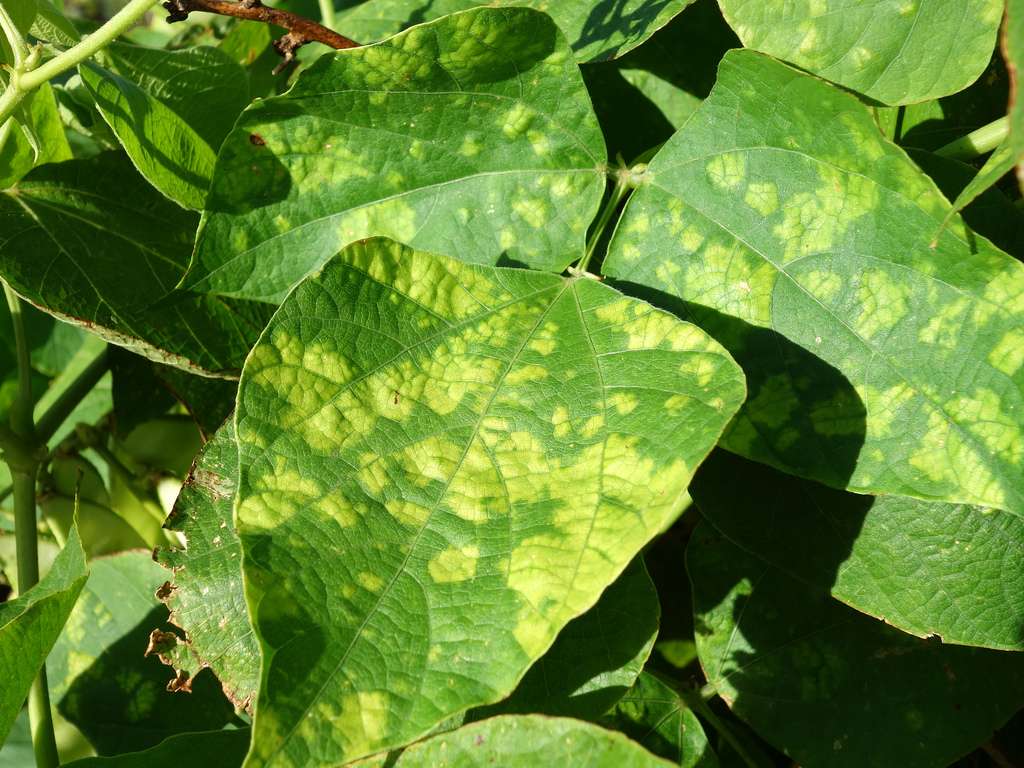
The disease can be identified by its mosaic-like coloration, specifically light yellow spots, streaks, and stripes. These initially appear on the leaves, gradually spreading to the buds. This characteristic is considered attractive and is often seen as a varietal indicator. The shrub appears healthy and robust, and the disease progression is considered slow and does not lead to death in most cases. However, it gradually affects the vine, making it unsuitable for propagation and losing its ornamental value.
There is no treatment or medication for this viral disease. Affected clematis should be dug up and burned to prevent harm to other crops.
Alternaria, septoria, cylindrosporiosis
These fungal diseases have similar symptoms. The leaf blade becomes spotted, gradually dies, and wilts. Treatment can be achieved with fungicides, as well as various copper-containing products.
Ascochytosis
This dangerous fungal disease, whose symptoms are similar to septoria leaf spot, can be distinguished by its more pronounced and distinct dark brown spots. The middle part of the leaf subsequently dies and crumbles. If damage is detected, remove all infected plant parts. Copper-containing products are recommended for treatment. Copper sulfate, Fitosporin, and Alarin B are good choices.

Powdery mildew (Erysiphales)
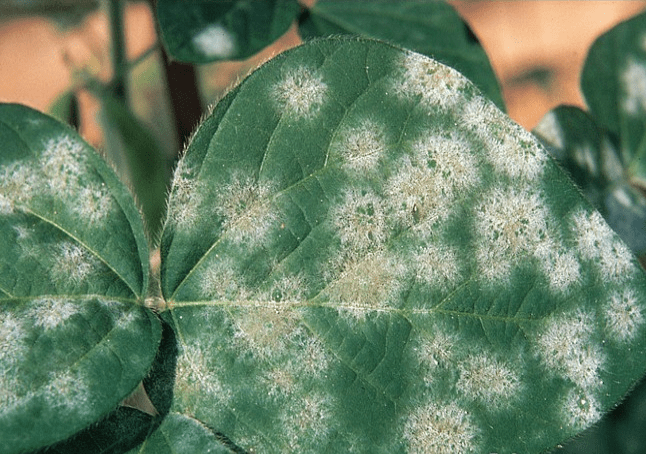
A white powdery coating forms on the surface of the entire shoot—the main symptom of the disease, by which the cause can be easily recognized and the fungal pathogen identified.
To combat powdery mildew, we recommend using Topaz, Fundazol, Baktofit, or a solution of soda ash at a rate of 40 g per bucket of water. Alternatively, an infusion of hay dust with cow's milk or a solution of mustard powder can be helpful.
Fusarium
The disease is characterized by a brown margin on the leaves, expanding toward the center. The upper part of the shoot and affected foliage wilt and dry out. Fusarium progresses more rapidly in hot weather.
To get rid of this dangerous fungal disease, you will have to completely remove the entire above-ground portion of the plant and repeatedly treat the soil around the remaining root system with fungicides.
Rust
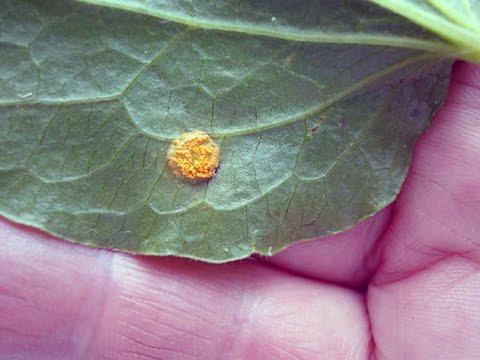
Yellow spots appear on the leaf blades, eventually turning brown. The lower leaves dry out rapidly, and the entire plant gradually wilts. Treatment: remove all affected parts of the plant and treat the shrub with a 2% Bordeaux mixture solution. As a preventative measure, mulch the clematis trunk with a 10:1 ratio of sand and ash to acidify the soil and neutralize pathogens.
Gray rot
Optimal conditions for the development of gray mold are rainy weather, poor lighting, and lack of wind. Characteristic signs include curling and dry leaves, brown spots with a lilac-tinted bloom, and flowers. Gradually, the entire plant turns black and dries out.
It's important to take prompt action to prevent fungal spores from spreading on the wind and contaminating neighboring crops. A fungicide can be used in the initial stages, but it's important to treat all affected plants at once. If the disease is advanced, dig up and burn the affected plant.
Phomopsis wilt
The disease is indicated by a small amount of green mass at the initial stage of development, as well as yellow spots on the shoots that develop from the bottom up. As a result, the foliage turns brown and dries out.
To eliminate the disease, it is recommended to remove all affected parts and burn them. Many gardeners advise against using fungicides in this case, as they are ineffective against this disease. They advise pruning the plant properly, and over time, it will recover on its own.
Verticillium wilt
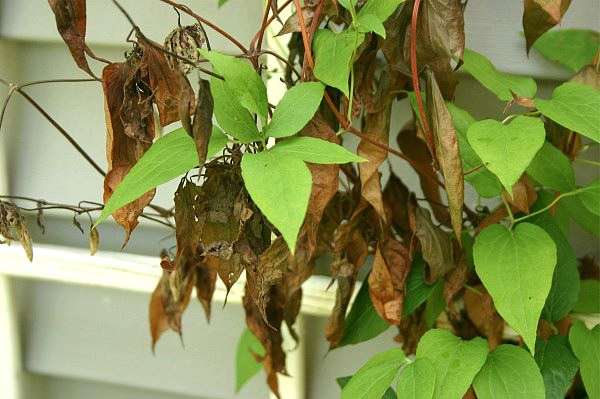
The affected plant begins to dry out rapidly, as if it hadn't been watered for a long time. Many people resort to rapid watering, but this only makes matters worse, as high humidity is the perfect environment for fungal infection. Infected parts of the plant should be removed, and the entire plant treated with Fundazol (1 g per 1 liter of water). To prevent recurrence, preventatively treat the bushes with a 3% copper sulfate solution in early spring, and young shoots with ash water (250 g of ash per 1 bucket of water).
Mushrooms
Many clematis diseases are caused by pathogenic fungal infections, which are first indicated by yellowing and spotted leaves. Fungal infections in clematis are accompanied by wilting, the appearance of spots of varying colors and sizes on the stems, slowed growth and development, and reduced or absent flowering.

You can get rid of them by using fungicides, selecting them depending on the species, or by using universal preparations.
Viruses
These diseases are characterized by pale shoots and poor flowering. Many people assume this is simply a nutritional or watering deficiency. Viral diseases are quite rare in clematis and are most often transmitted by harmful insects: mites, caterpillars, and aphids.
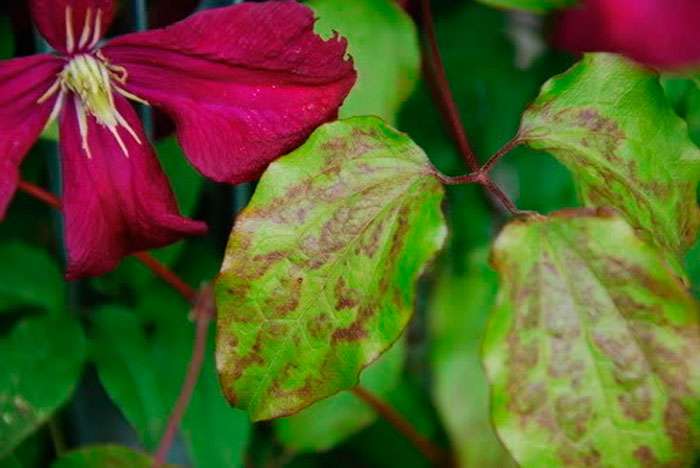
To save the plant, it is important to first eliminate the source and treat the plant with insecticides, and then provide the clematis with good fertilizer and abundant watering as treatment.
Pests of crops: signs of parasitism and control measures
The roots and aerial parts of the plant contain numerous alkaloids and other toxic substances, so the plant doesn't particularly attract insects. However, pests have also taken a liking to the crop and cause significant damage.
Slugs and snails
Obvious signs of parasitism include slowed growth alternating with sudden growth spurts and damage in the form of entryways. To repel mollusks, loosen the soil and sprinkle it with ash, salt, and lime. However, if pests have already attacked the plant, use Ferramol or Metaldehyde. Sprinkle the preparation on the soil at a rate of about 40 g per square meter.

Nematodes
Parasites inhabit the plant's root system and can migrate into the stem, impeding the clematis's respiration and nutrition. The bush becomes weak and stunted. Young plants are unable to resist the pests and quickly die.
There is no effective method of eliminating the pest. Therefore, it is important to take all preventative measures and burn any damaged plants.
Spider mite
White webbing appears on the leaves and shoots of clematis, the plant loses color, and becomes covered with yellow spots. The arachnid is sensitive to Actellic, but systemic insecticides, soap solution, and garlic tincture will not kill it. Remove affected parts of the clematis, treat with Actellic, and conduct regular preventative treatment.
Aphid
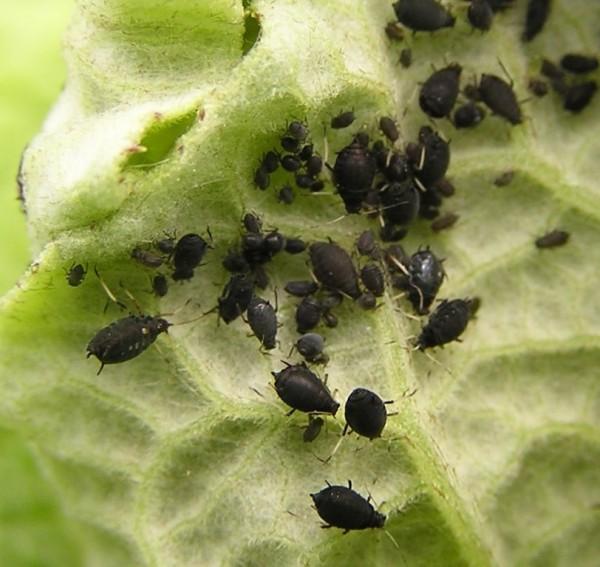
It's on clematis that aphids lay their eggs before wintering, from which the young emerge and actively suck the plant's sap. A shiny, sticky coating appears on the shoot's surface. In the early stages, this can be eliminated by spraying the plant with a hose and treating it with a soapy solution; in advanced stages, specialized chemicals will be required.
Mealybug
This white, furry insect feeds on the sap of clematis, causing the bush to lag behind in development, gradually wither, and lose its foliage. For prevention, spray with "Karbofos" or use folk remedies such as garlic infusion or olive oil solution.
Bedbugs
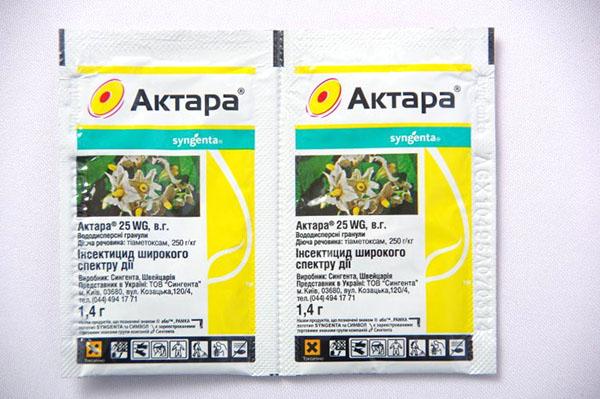
These small insects appear as dark spots on leaves, which then dry out and fall off. To get rid of the pest, treat your clematis with "Aktara."
Scale insects
Scale insects, covered in a tough waxy shield, prefer to suck the plant's sap from the leaves, causing the clematis to dry out. The only way to save the plant is with insecticides, specifically Aktara or Karbofos.
Mole crickets
Large insects tunnel in the soil and damage the root system of clematis. While they are harmless to mature plants, they are detrimental to seedlings. Getting rid of mole crickets is difficult, as no alternative methods have yet been discovered. Many gardeners pour a soap solution or products like Metarizin into the tunnels, which forces the insects to emerge, where they must be destroyed.
Rats and mice
Rodents can have a negative impact on the root system and stems of clematis. They also carry dangerous diseases. To get rid of them, gardeners use traps and mousetraps, using poisoned food as bait. Planting comfrey and coriander near clematis can be helpful; the scent of these plants repels mice and rats.
Window moth
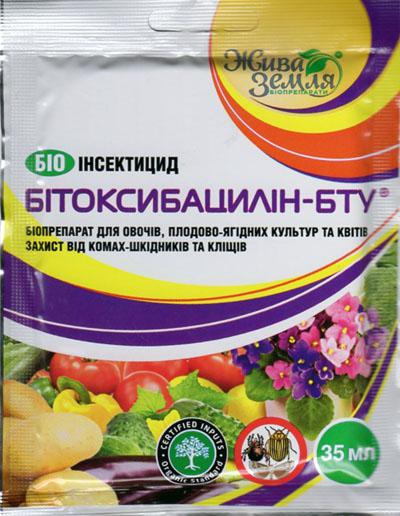
Clematis moth caterpillars can consume large quantities of clematis foliage, flowers, and vines. To combat the infestation, insecticides such as Bitoxibacillin and Iskra-M can be used.
Lesser true moth
The appearance of caterpillars leads to the drying of the upper leaves, wilting and blackening of the leaf blades, and premature leaf fall. You can collect and destroy the insects yourself, or, as a preventative measure, treat the plant with a solution of "Karbofos" or "Bitoxibacillin."
Preventive measures
To avoid treating the plant for serious diseases and getting rid of dangerous pests, you should take care of the clematis's health in advance and carry out a number of preventative measures.
From diseases
Prevention of clematis from various diseases includes:
- In early spring, treat the roots and shoots with a solution of Fundazol in the amount of 20 g per 1 bucket of water.
- Adding fertilizers containing ammonia, mulching with wormwood and mint.
- Timely clearing of surrounding soil from weeds.
- Carefully inspect the seedling upon purchase and select the correct planting location. Avoid planting clematis in a flowerbed with infected specimens.
- Frequent transplantation of the plant to another location, next to other crops.
- Regular weeding, cutting off dead and dry parts.
Advice! A bush surrounded by care and attention is less susceptible to disease, so it's worth devoting more time to caring for your clematis.
From parasitic insects
To completely neutralize harmful parasites, you should:
- Attract birds to your garden plot; they are the main insect destroyers.
- Change the location of the plant more often or plant more different crops near clematis that repel pests.
- Dig and loosen the soil, remove weeds in a timely manner.
- Sprinkle the tree trunk circle tightly with sand and wood ash.
Preventative measures are aimed at repelling insects rather than eliminating them, so it's important to target the entire flowerbed, not just the clematis. Every gardener strives to grow a beautiful clematis in their garden. It's a shame when a plant you've grown yourself withers before your eyes. But you can fix everything if you know how to treat diseases and control pests affecting garden flowers.
Related posts:
 How to propagate clematis at home: timing, methods, and technologies
 Description and characteristics of the clematis variety Comtesse de Bouchaud, planting and care instructions
 Description of the best varieties of Tangut clematis, planting, growing and care
 Description and pruning group of clematis Ashva, the subtleties of growing and care
 Description of Jackman's clematis varieties and pruning group, cultivation and propagation
 Description and pruning group of clematis Cardinal Wyszynski, cultivation and care
 Description and pruning group of clematis Rouge Cardinal, cultivation and propagation
 Description and characteristics of the clematis variety Kaiser, planting and care, pruning group