
- Pros and cons
- Peculiarities of mulching cucumbers
- In open ground
- In the greenhouse
- When should it be done?
- Materials used for mulching bushes
- Grass
- Leaves
- Sawdust
- Neutral peat
- Straw cuttings, dry grass
- Manure, humus, compost
- Covering artificial material
- Bulk artificial material
- Terms of Use
- Serious mistakes gardeners make when mulching cucumbers
Mulching cucumbers increases crop yield and reduces energy consumption, allowing for minimal effort and ultimately good results. The procedure is not particularly complex, making it a popular choice for both experienced and less experienced gardeners growing cucumbers in greenhouses and open ground. Mulching can be done using a variety of materials, from simple straw to the latest in modern agricultural technology.
Pros and cons
In greenhouses and other growing conditions, mulching cucumbers can achieve certain results. Gardeners consider these benefits to be significant, including:
- Moisture retention: grass or straw laid on the ground retains moisture, allowing for a reduction in the amount of watering during the hot season and in dry climates, allowing for less frequent visits to the garden plot and a reduction in the number of waterings.
- The gardener will not have to loosen the soil after each watering; under the mulch it remains loose, and earthworms actively reproduce under it, they loosen the soil and saturate it with oxygen.
- Regardless of the material, mulching, as a procedure, helps protect plant roots from frost, overheating, and temperature changes.
- Mulching cucumbers keeps the fruit off the ground, reducing the risk of spoilage, rot, and pests. This helps protect the harvest.
- It is believed that if you lay a layer of grass on the soil, using it as mulch, the likelihood of diseases developing in the crop is significantly reduced.
These are the main advantages of the procedure, but along with the positives, it also has its drawbacks. Why gardeners refuse mulching:
- moist and loose soil is a favorable environment for the reproduction of worms, and this attracts birds;
- The abundance of insects also attracts rodents, which in turn can cause serious damage to crops.
If you plan to mulch your plants, you need to do it correctly, following a specific schedule. Otherwise, don't expect increased yields. When using mulch in your garden, regardless of the conditions under which tomatoes or cucumbers are planted, it's essential to simultaneously treat for pests (rodents).

Peculiarities of mulching cucumbers
It's best to carry out these procedures in the spring, when the soil has warmed up but still retains its natural moisture. Typically, all procedures are performed after planting in the ground or greenhouse.
What are the features of the procedure:
- Before mulching, the soil must be prepared: the soil is dug up and large fragments of the root system are removed.
- The material is laid out in a layer on the surface; the thickness of the layer directly depends on the selected material and the characteristics of the soil; the climatic characteristics of the region are also taken into account.

In open ground
How to mulch cucumbers in open ground? If the plant is planted in the ground, the mulch around its stem should not touch the trunk. The soil is "covered" with the chosen material. This procedure is carried out in the spring, or perhaps early summer. If there is no cover, you will need to periodically add mulch. A fresh layer is applied if the material is organic.
In the greenhouse
In greenhouse conditions, the procedure is carried out at the end of spring; summer is also suitable, but only if the plant has already been planted.
Before planting, you will need to prepare the soil, then apply fertilizer, and then water the cucumbers, if necessary.
The material is laid in a specific manner, covering the root system but ensuring the mulch does not touch the stems. If you are planting in a greenhouse using film or polycarbonate, avoid overheating the cucumbers. In hot weather, remove the cover to prevent the crop from dying.

When should it be done?
To avoid harming the plant, carry out the procedures at specific intervals:
- the soil is processed before planting, but it is not allowed to dry out;
- then plant the plant and water it if necessary;
- it is advisable to use fertilizers;
- The procedures are carried out in spring or summer, depending on the characteristics of the crop.
Early ripening cucumbers Cover with mulch in the spring, especially if planting in the ground. In greenhouse conditions, where there's no need to protect the plant's roots from the cold, you can begin these procedures later—in early summer, once the cucumbers have established themselves.
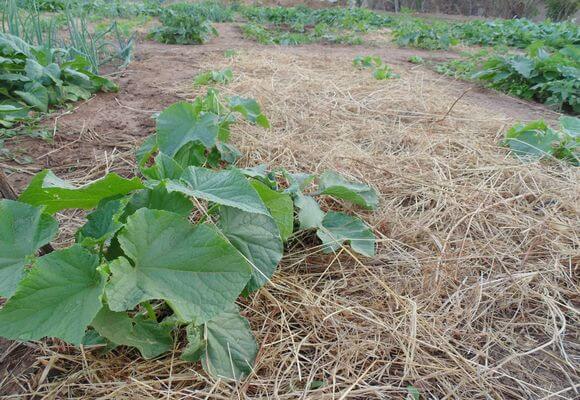
If the soil seems dry, water it; otherwise, there's no need, as the soil contains natural moisture. Watering can be done a few days before planting.
Materials used for mulching bushes
Before you begin your planned activities, don't forget to choose the right material. A comparative analysis will help you understand what mulch to use for cucumbers planted in open ground or a greenhouse.
Grass
Freshly mown grass will attract slugs and other pests, so it should be dried before use. It's also important to monitor the quality of the grass to ensure it doesn't rot. This will ruin the yield and lead to plant death.

Freshly cut grass is the most readily available organic material for use in a garden. Weeds can be mowed from vacant lots and then used to benefit crops.
Important! To achieve the desired result, the grass should be laid in a 7-centimeter layer. However, avoid using grass with seeds, as the seeds will germinate once they reach the soil.
Leaves
Organic compost is ideal, but it's not used for growing cucumbers, but rather before preparing the soil for planting. Fallen leaves are collected, dried, laid in a thick layer on the ground, and left for the winter. This material serves several functions, allowing:
- Protect the soil and plant roots from frost.
- Acts as an organic fertilizer.
- Increases crop yield and improves soil characteristics.
Take a look Also

The downside of this method is that it requires the use of organically pure material, which means that using leaves from city parks and alleys is not recommended; it will not be of any use.

If you decide to visit a pine forest, collect some needles; the needles can also be used as organic material suitable for mulching.
Sawdust
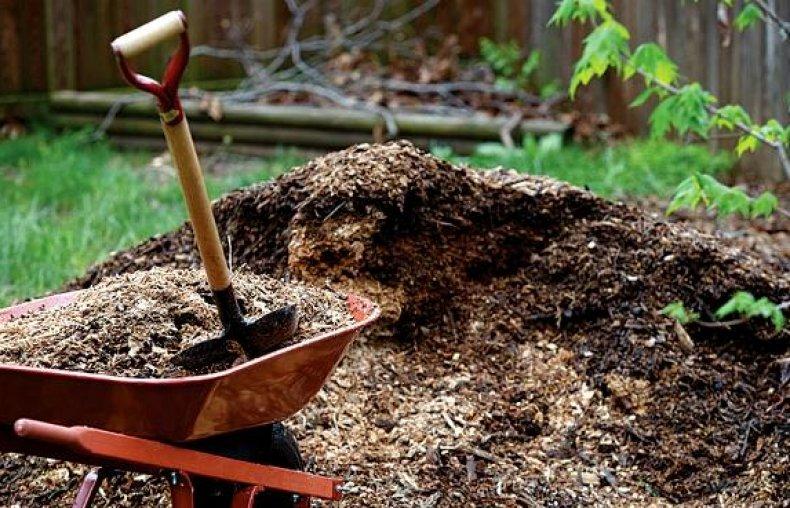
They require special preparation. Before carrying out any procedures and using them, the shavings will need to be processed; otherwise, they will "rob" the soil of nitrogen.
How the preparation is going:
- you will have to sprinkle sawdust on the film;
- they will have to be covered in several layers;
- You will need to water the sawdust and use urea.
Typically, wood shavings are laid in two layers, with each layer requiring about 200 grams of urea. This is then spread on top. It's best to leave the sawdust over the winter to rot slightly—this material doesn't require any treatment and can be used for mulching.
Neutral peat
If you decide to use peat, keep in mind that the effectiveness of the procedure directly depends on several factors:
- What material do you use (peat characteristics).
- What kind of soil is the plant being planted in?
Straw cuttings, dry grass
This type of material should also be considered organic; it can be used if straw or cuttings rot. In this case, the plant is highly likely to die, as poor-quality material will attract pests.

Manure, humus, compost
Manure isn't used in its pure form, despite the fact that it enriches the soil with nitrogen. It should be mixed with dried grass. Hay and manure provide additional nutrition for cucumbers. This type of mulching is usually used when vegetables are grown in poor, nutrient-poor soil.
Covering artificial material
We'll discuss film and agrofibre, which are used to increase crop yields. They use ready-made material with holes cut out for the plant. You can also cover the soil with film beforehand. However, regardless of whether agrofibre or film is used, this method has one drawback: in the summer heat, the soil under the cover overheats.

Bulk artificial material
We're talking about mulch, which protects and covers the soil—it can be crushed rock, pebbles, sea stones, or expanded clay. If you choose these, then:
- protect the stem and foliage of the plant;
- Make sure that the material does not come into contact with the cucumbers.
Note: Expanded clay is best for cucumbers, but much depends on the characteristics of the chosen variety.
Terms of Use
Before applying mulch, familiarize yourself with the rules for its use. They will help you avoid common mistakes and navigate the procedure. What a gardener needs to know:
- If you decide to carry out some mulching, remember to consider the timing: it's best to mulch closer to winter, early spring, or early summer.
- The garden bed requires preliminary preparation; it is necessary to dig it up after harvesting, and then carry out similar manipulations a few days before planting.
- Check the quality of the material used, especially if preference was given to organic materials.
- If you cover the soil for the winter, to prevent it from freezing, remove the mulch that was left over the winter in the spring.
- Avoid using rotted straw or other material that is not of high quality, as this will slow down the growth of the crop.

Serious mistakes gardeners make when mulching cucumbers
The question of whether it's possible to mulch cucumbers with sawdust, pine needles, or straw often arises. But gardeners forget that such procedures won't produce the desired results if done incorrectly. Most often, gardeners encounter the following problems:
- contact with mulch causes the plant stem to turn black, causing the problem of “black leg”;
- If you lay down damp grass or rotted straw, you will encounter pests, as well as the problem of slow growth of cucumbers;
- If you live in a warm region, using film or agrofibre will cause the cucumbers to rot;
- If you cover the ground before it warms up, it will remain cold.
Some soil types are not suitable for mulching; they can only be covered with a thin layer and then removed to avoid excess moisture and other potential problems. For example, clay soil should be covered with a thin layer of mulch, no more than 2 centimeters thick.
Before undertaking any gardening, study the soil characteristics and familiarize yourself with its properties. Take your time, prepare the soil, dig it, apply fertilizer, and then begin planting. This will help you reap a rewarding harvest without wasting your time.
Related posts:
 Carrot care guidelines for outdoor cultivation to ensure a good harvest
 Is it possible to grow an apricot tree from a seed in your garden? How to plant and care for it?
 How to plant cucumbers in open ground under film: timing and cultivation technology
 The best ways and methods for properly covering grapes for the winter
 How to properly plant cabbage seedlings in open ground: spacing, timing, and temperature
 What is mulch and how to use it correctly, the benefits of the procedure
 The best ways to properly tie up tomatoes in open ground and greenhouses
 Step-by-step instructions for planting strawberries on black covering material and growing rules