
- Features of using yeast
- Benefits of using yeast
- Timing of fertilizing cucumbers
- How to properly prepare yeast fertilizer
- Basic recipe with pressed yeast
- Recipe with dry yeast
- Milk supplement from yeast
- Yeast fertilizer with wood ash
- Green fertilizer for cucumbers with yeast
- Another recipe with sugar
- A healthy mixture of bread and yeast
- Yeast feeding scheme and dosage
- Feedback from our readers
Fertilizing cucumbers with yeast is effective. The formulas may also contain other components that have a beneficial effect on plant development. According to reviews, yeast solutions increase yields and boost the plant's immunity. Furthermore, the component is harmless and inexpensive. To get the most out of the fertilizer, it's important to know the timing of application, follow the dilution guidelines, and apply precise dosages.
Features of using yeast
Beginning gardeners often wonder whether it's possible to water cucumbers with yeast-based solutions. Yeast is a single-celled fungus that, when introduced into the soil, activates the activity of soil bacteria. These bacteria promote the rapid decomposition of organic matter in the soil. Plants receive more nutrients and become stronger.
The product is suitable not only for cucumbers, but also for peppers and tomatoes. Here are some guidelines to follow when using yeast for cucumber beds:
- components should be diluted only in warm water;
- the finished concentrate is diluted with water before processing;
- the solution should be poured under each root;
- Before fertilizing the soil, water it;
- It is not recommended to use the yeast mixture more than three times during the entire growing season.
The effectiveness of fungi is reduced by the presence of bird droppings and manure. Therefore, these fertilizers should be applied separately, at intervals of 10 days. Feeding cucumbers with yeast solutions is recommended only in warm and dry weather.
The fertilizer's effect is long-lasting. After applying the component to the soil, the need for additional components disappears for 1.5 months.
Advice: Yeast-based fertilizers enrich the soil with nitrogen but reduce calcium levels. Therefore, it is recommended to apply yeast at the same time as eggshells or wood ash.
Benefits of using yeast
Yeast-based formulations contain protein, macro- and microelements, amino acids, and other beneficial substances. Yeast fertilizers have a beneficial effect on cucumbers grown outdoors and in polycarbonate greenhouses:
- stimulates seedling growth;
- resistance to adverse factors increases;
- the immune system is strengthened;
- the root formation process is accelerated;
- greenery grows quickly;
- the yield of the harvest increases.
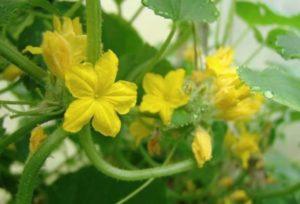
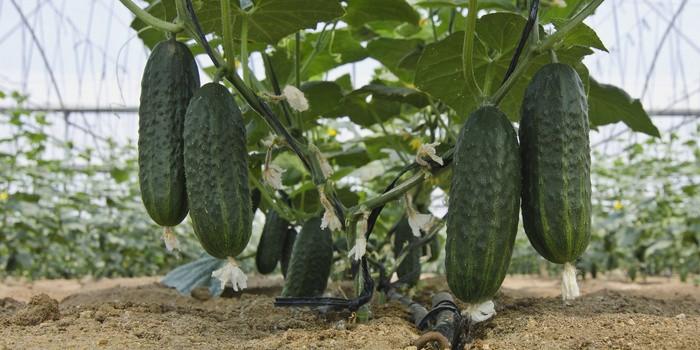
By penetrating the soil, fungi create a favorable environment for beneficial soil microorganisms. Bacteria begin to rapidly digest organic matter, releasing potassium and nitrogen. Experienced gardener Yulia Minyaeva shares more details on how to prepare yeast mixtures. Her advice is easily found online on her website about gardening.
Timing of fertilizing cucumbers
Fertilizing seedlings with yeast components is now possible. This procedure coincides with the beginning of spring. Repeated applications of yeast-based compounds are recommended during picking and transplanting young seedlings to their permanent location.
Since the effect of the components of the healing composition lasts for 6 weeks, the subsequent application of fertilizers coincides with the period of active formation of ovaries.
The components can be applied once a month until the end of the fruiting period. This will result in three applications of fertilizer throughout the growing season in open beds.
How to properly prepare yeast fertilizer
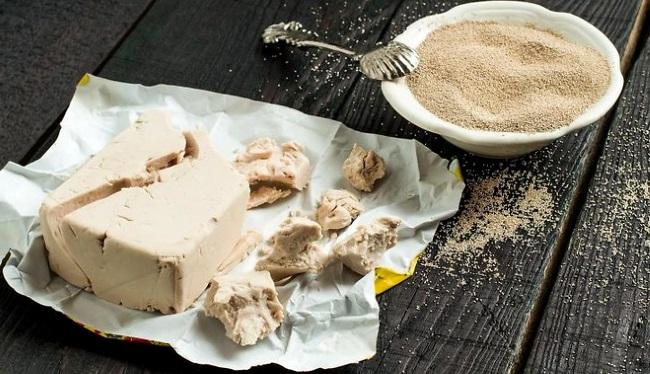
To prepare the solution, use dry or liquid yeast. The key is to make sure it's not expired. Follow the instructions in the recipe you've chosen.
Each ingredient used in the recipe is taken in the recommended dosage. It's important to prepare the mixture correctly. Insufficient or excessive amounts of ingredients can negatively impact the development of cucumbers.
Basic recipe with pressed yeast
The preparation of the composition according to the recipe is simple:
- fresh yeast is dissolved in a liter of water;
- the concentrate is diluted with a bucket of water;
- Each root should require one liter of the prepared solution.
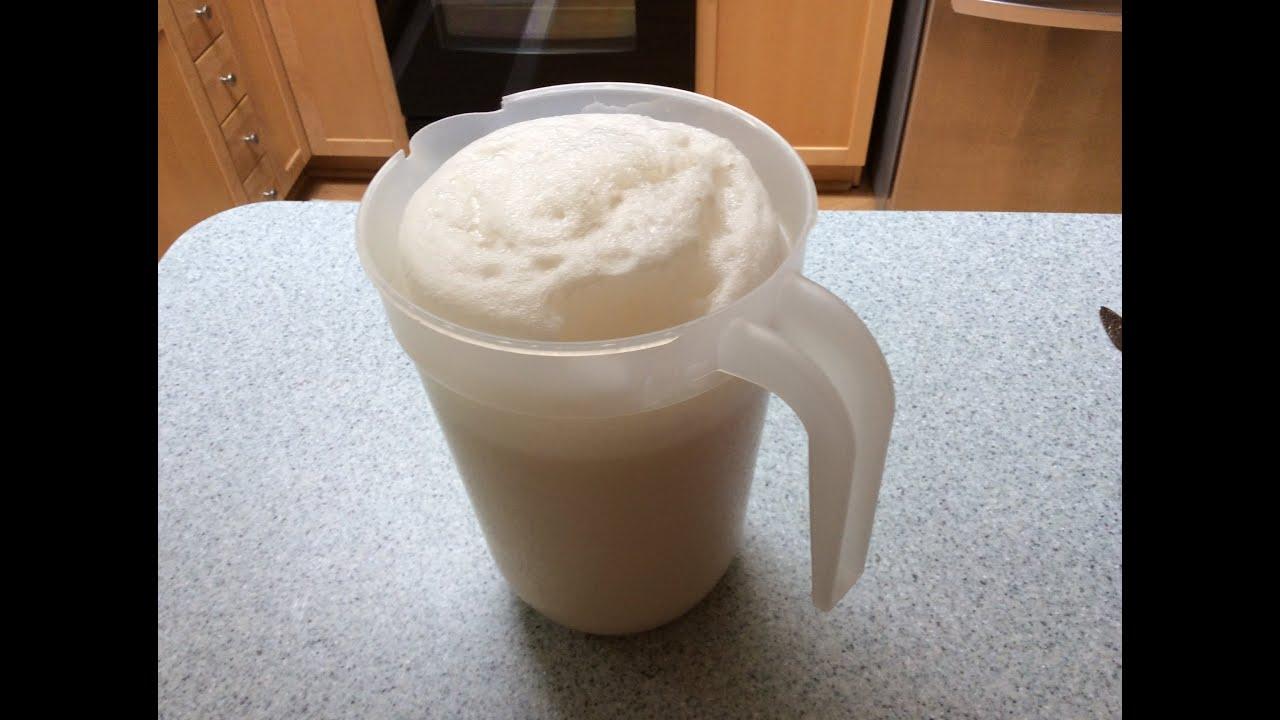
You can also add 55 g of sugar. In this case, let the solution sit for two days.
Recipe with dry yeast
An infusion of dry yeast helps:
- dry substance (10 g) is dissolved in a liter of water;
- add 55 g of sugar;
- leave to infuse for 3.5 hours;
- Before use, dilute with water (5.5 liters).
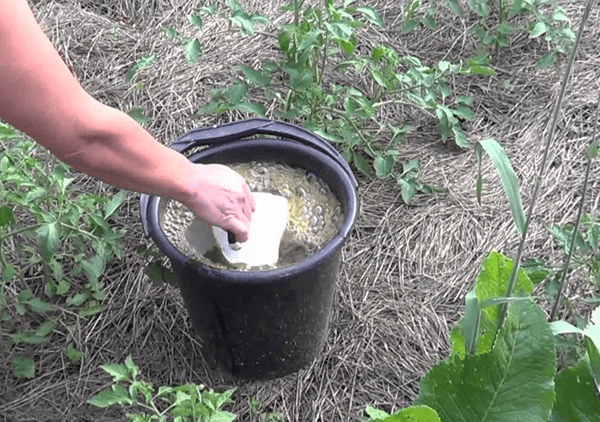
The remaining solution is poured out, as it is not suitable for storage.
Milk supplement from yeast
You can enhance the effect by using a dairy product, such as milk or kefir, instead of water:
- fresh yeast should be dissolved in a liter of warm milk;
- leave to infuse for a couple of hours;
- The concentrate is diluted with water (9 liters).
The prepared solution is used both for watering the soil and for foliar spraying of green foliage. In addition to providing nutrition, plants receive protection from various fungal diseases.
![Favorable and unfavorable days for planting cucumbers in June [year]](https://harvesthub.decorexpro.com/wp-content/uploads/2020/06/page-300x185.jpg)
Some recipes call for an additional ingredient: eggshells. The product is diluted with milk and the crushed shells of several eggs are added.
Yeast fertilizer with wood ash
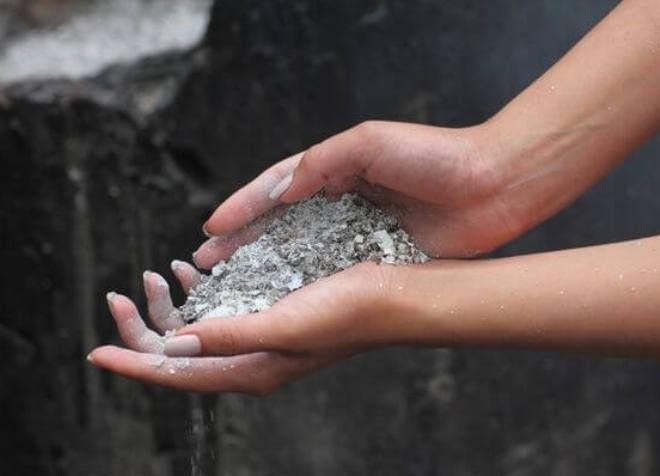
Yeast and ash-based fertilizers are recommended for use in both open areas and greenhouses. The recipe involves the following steps:
- ash (250 g) is poured with three liters of boiling water and infused for 10 hours;
- the finished concentrate is passed through a filter and diluted with water (8 liters);
- yeast is infused in a liter of warm water;
- then the ash mixture is slowly poured into the yeast mixture;
- add crushed eggshells.
Watering the vegetable crop with the prepared solution is carried out in warm, clear weather.
Green fertilizer for cucumbers with yeast
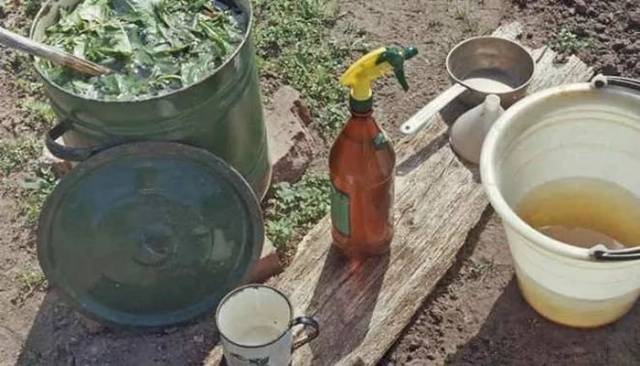
You can prepare a yeast mixture by adding herbal and ash infusion:
- 220 g of ash is poured with three liters of boiling water and left overnight;
- Grind green grass (calendula or nettle are suitable), pour hot water over it and leave for a couple of hours;
- 100 g of fresh yeast must be separately diluted with a liter of water;
- Ash concentrate and yeast mixture are added to the strained herbal infusion.
It is recommended to feed cucumber beds with this composition, which do not have a high content of nutrients in the soil.
Another recipe with sugar
To make the solution, you can use any type of yeast:
- the product (450 g) is poured with water (9 liters);
- add 220 g of sugar;
- The finished concentrate is diluted with water in a ratio of 1:6.
For each root, calculate 500 ml of the healing composition.
A healthy mixture of bread and yeast
An excellent growth stimulant is a composition made according to the following recipe:
- the bread is cut into pieces and soaked in warm water;
- add 120 g of sugar;
- add pressed yeast;
- leave to infuse for two days;
- The solution is filtered and diluted with water in a ratio of 1:6.
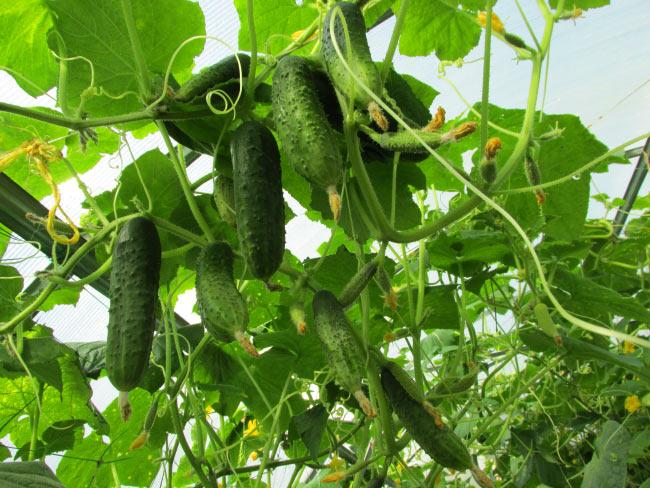
The components are inexpensive and always at hand.
Yeast feeding scheme and dosage
To avoid harming the vegetable crop, you need to follow the schedule and dosage:
- one liter of the prepared solution should be used for each adult cucumber bush;
- for transplanted seedlings, 380 ml of solution is required;
- You cannot water the bushes with fertilizer more than three times per season and spray them no more than twice;
- Spraying should be carried out in dry, warm and cloudy weather to avoid causing burns;
- If it rains after treatment, the procedure is repeated.
The fertilizer application schedule will help you determine the timing of use:
- The first application is carried out when the first true leaves appear on the young seedlings;
- the second application is recommended some time after planting the seedlings in a permanent location;
- The last application of the composition occurs during the period of active flowering and formation of ovaries.
Feedback from our readers
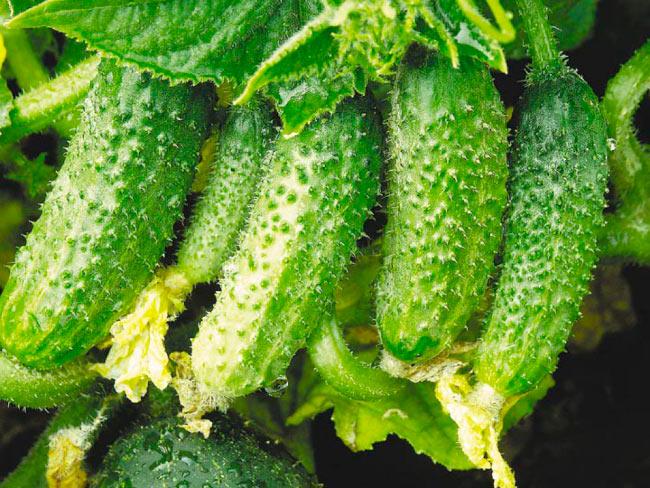
Experienced gardeners report that plants look better as early as three days after fertilizing. The yield increases, and the risk of infection decreases.
Svetlana, 38: "I've been using yeast-based fertilizers for several seasons when growing cucumbers. The plants become strong, grow faster, and produce numerous ovaries that don't fall off. The fruits are even, sweet, and free of air pockets. It's affordable and effective, so I recommend it to everyone in their garden."
Elizaveta, 56: "I always use yeast-based fertilizer for fertilizing young seedlings and mature cucumber plants. I always have the ingredients on hand, and the solution is easy to prepare. Within a couple of days of applying the fertilizer, the plants become noticeably stronger, more ovaries are formed, and the fruiting period is extended."
Irina, 58, Moscow region: "I've been using yeast fertilizer for a long time. Any crop watered with the solution starts growing faster, and the yield increases. After planting seedlings in open beds, they root and recover much faster. Fruit ovaries form even in cold summers. The green shoots are delicious."
Related posts:
 How to make yeast fertilizer for tomatoes in a greenhouse and open ground
 How to properly feed peppers with yeast and fertilizer recipes
 Rules for feeding plants with yeast and how to prepare fertilizer, recipe
 Rules for feeding cabbage with yeast in open ground and the best fertilizer recipes
 What is the best way to feed tomato seedlings to make them plump?
 The best recipes for fertilizing cucumbers at home and rules for applying fertilizers
 What is the best way to feed cabbage for growth using folk remedies, when and how to apply fertilizers
 What is the best way to feed pepper seedlings to ensure they grow plump?