
- Benefits of yeast for cabbage
- What are the benefits of using natural fertilizers?
- Are there any downsides?
- What yeast is best for plants?
- Dry
- Raw
- Instant
- Granulated
- Fertilizer recipes
- With ash
- With boric acid
- Using spoiled jam
- Recommendations for applying fertilizers in open ground
- Timeframe for completion of works
- Fertilizer application technology
- Experienced gardeners' reviews of yeast use
To ensure a good harvest, gardeners pay close attention to their crop care. They not only water their cabbage but also feed it with baker's yeast when grown outdoors. Natural fertilizers improve the quality of the heads and boost the immunity of the seedlings. Plants grow strong, free of disease, and are resistant to pests. All types of yeast are used: dry, raw, granulated, and fast-acting.
Benefits of yeast for cabbage
Thanks to its biologically active components – iron, magnesium, potassium, protein, and fungi – yeast is used as a fertilizer and protection against diseases and pests.
Useful properties of yeast:
- The soil is saturated with useful substances and microorganisms.
- They help to grow the root system in a short time.
- For seedlings, stress is reduced during transplanting and planting in open ground; the seedlings root without any problems.
- Normalizes the development of the head of cabbage when there is a lack of light.
- The proteins in yeast help a wilted plant to recover.
Novice gardeners ask whether it's possible to constantly water cabbage with yeast fertilizer. Experts recommend using the solution only three times per season:
- transplanting seedlings into open ground;
- during flowering;
- treatment of affected cabbage from disease and pests.
Additionally, fertilizer is applied when growth is slow and there are signs of wilting of the crop.
What are the benefits of using natural fertilizers?
Pros:
- Natural fertilizers preserve soil microflora.
- They receive environmentally friendly products.
- Vegetables are saturated with nutrients after one feeding.
- Immunity is increased.
- Resistance to diseases, pests, and weather conditions increases.
- Plants take root better.
- They effectively process organic waste, releasing potassium and nitrogen.
Are there any downsides?
Natural fertilizers release nitrogen. Frequent use of natural fertilizers leads to soil acidification. This can be avoided by adding ash to the soil before root feeding.
Yeast reduces the period of development and ripening of fruits by approximately 10-12 days.
What yeast is best for plants?
Dry, raw, granulated, and fast-acting yeast are used to prepare the feed. Fresh ingredients are essential. Recipes vary in proportions and preparation times.
Take a look Also

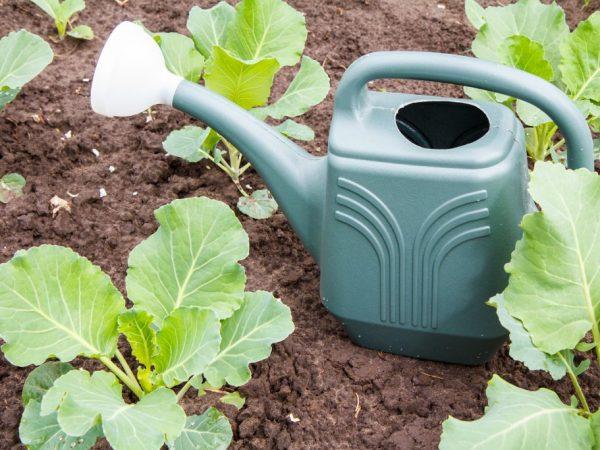
Before watering, in all recipes, the mixture is diluted with water at a ratio of 1:5. It is used for watering seedlings and adult plants at the roots. For foliar feeding, the concentration is reduced by half (1:10).
Dry
Ingredients required:
- dry yeast – 35 grams;
- water – 10 liters;
- sugar – 2 tablespoons.
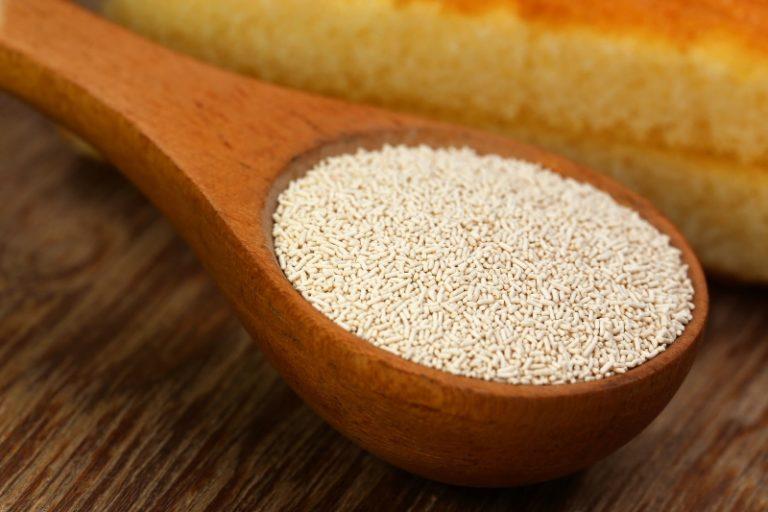
Preparation: Heat water to 40 degrees Celsius. Add sugar and yeast. Stir until the sugar is completely dissolved. Place in a warm place for 2 days to ferment.
Raw
Ingredients:
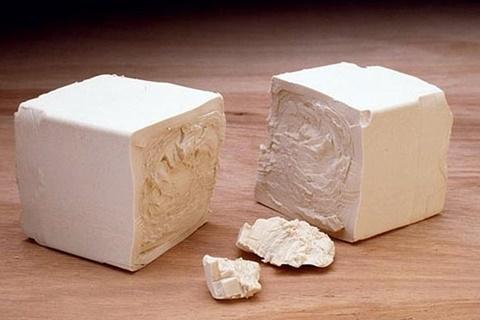
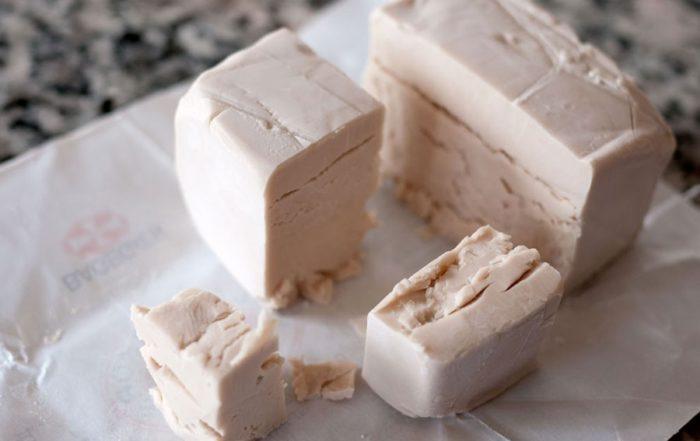
- raw yeast – 1 kilogram;
- water – 5 liters.
Preparation: Combine the ingredients with warm water and let sit for 2 hours to activate the yeast. Then add another 5 liters of water and let sit for 2-3 days. Dilute the mixture with water as needed before watering.
Instant
Instant yeast requires no preparation. The dry powder is sprinkled under the plant.
Granulated
This product is similar to raw yeast, but its potency is weaker. To prepare the nutrient, add sugar and warm water. Double the amount of yeast per 10 liters, or 2 kilograms. Let it sit for 2 hours before use.
Fertilizer recipes
Natural cabbage fertilizer is more effective when combined with other components.
With ash
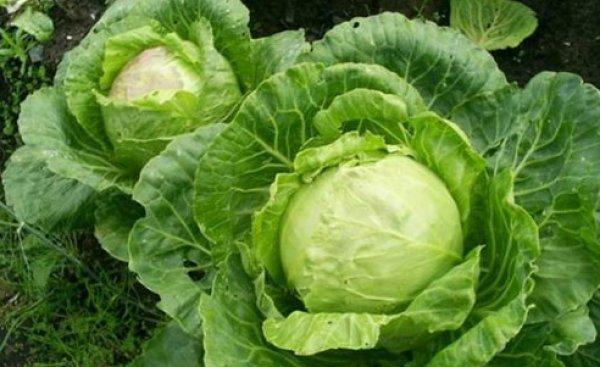
Wood ash normalizes the soil structure and makes it loose. Potassium and phosphorus, found in ash, stimulate cabbage head growth. Calcium chloride helps combat pests, rot, and blackleg.
Ingredients:
- water heated to 40 degrees Celsius – 3 liters;
- ash – 1 glass;
- sugar – 100 grams;
- raw yeast – 100 grams.
Combine all ingredients and stir for 2 minutes. Place in a warm place to ferment for 3 days. Before using, dilute the fertilizer in water at a ratio of 1:40. Apply the fertilizer to the roots to stimulate growth. To control pests, apply the mixture to the outer leaves of the cabbage heads.
Take a look Also

With boric acid
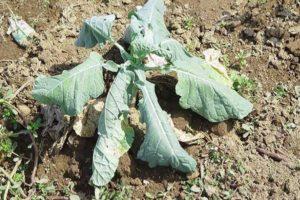
The mineral boron, found in boric acid, helps seedlings establish themselves without damage, increases fruiting, preserves the harvest, and strengthens the cabbage. It also facilitates calcium absorption into the plant.
Ingredients:
- boric acid – 1 gram;
- top dressing with raw yeast - 1 glass;
- warm water – 5 liters.
The ingredients are mixed and left to steep. After 3 hours, the fertilizer is ready for use.
Using spoiled jam
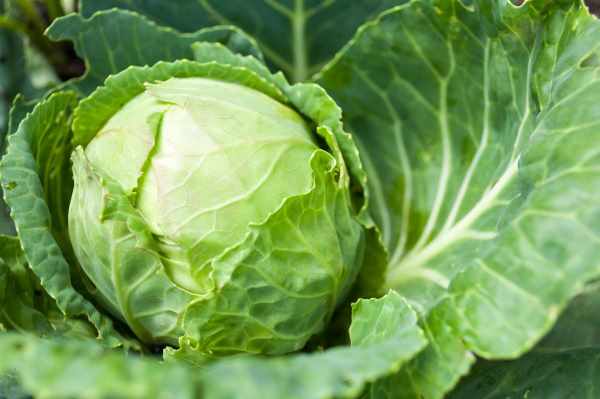
Experienced gardeners don't throw away spoiled jam, but rather use it as fertilizer. Jam helps strengthen the stems and leaves of cabbage and protects against pests.
Ingredients:
- spoiled jam – 3 liters;
- ready-made fertilizer with dry yeast – 100 milliliters;
- water – 1 bucket.
Combine the water and jam. Bring to a boil. Cover the container with cheesecloth and let it steep for 10 days. Before pouring, strain the mixture and add the yeast mixture.
Recommendations for applying fertilizers in open ground
Experienced gardeners advise following these guidelines to ensure the fertilizer is beneficial:
- Infuse the mixture in a closed container, preventing insects from getting in.
- Water for fermentation is not heated above 45 degrees, as the yeast will lose its properties, as the living culture will die.
- Fertilizer is added to warm soil. The fungi contained in the yeast are activated by warmth. The weather should be both warm and humid.
- The correct proportions are selected depending on the method (root application, spraying).
- The best time to apply is in the morning, when there is dew on the plants. In dry weather, water the crops beforehand.
- When spraying, add a few drops of laundry soap to the working solution. This will help the mixture adhere better to the leaves.
- Apply fertilizer twice: during growth and flowering. Additional treatments are required in emergency situations, such as pests, disease, poor growth, or signs of wilting.
- If used frequently, apply wood ash under the bushes.
- The time for feeding is only in spring, the air temperature is +20, +30 degrees Celsius.
- The mixture diluted with water is used immediately. If stored in this form, the natural product loses its properties.
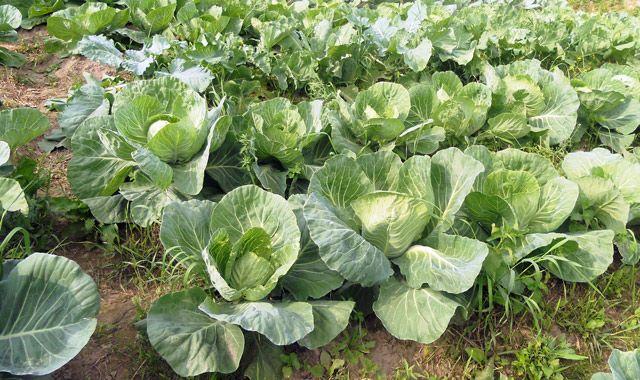
Further care: constant watering, loosening.
Timeframe for completion of works
Natural fertilizer is applied twice per season. The first application is done after the seedlings are planted in open ground. The second application is needed 20-30 days later. The cabbage's flowering stage is used as a guideline.
Fertilizer application technology
Root feeding:
- seedlings or bushes are pre-watered;
- as soon as the water is absorbed, the soil is loosened;
- the yeast mixture is diluted in a ratio of 1:5;
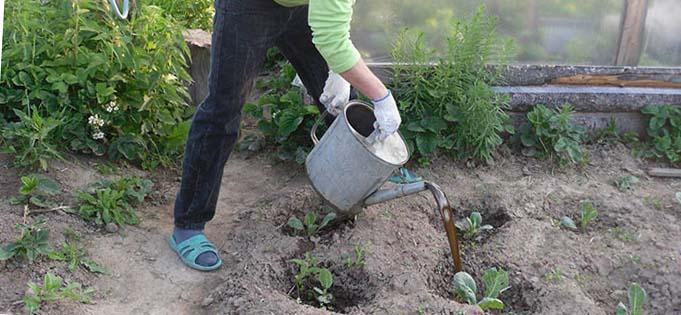
- A half-liter jar of working solution is poured under each bush.
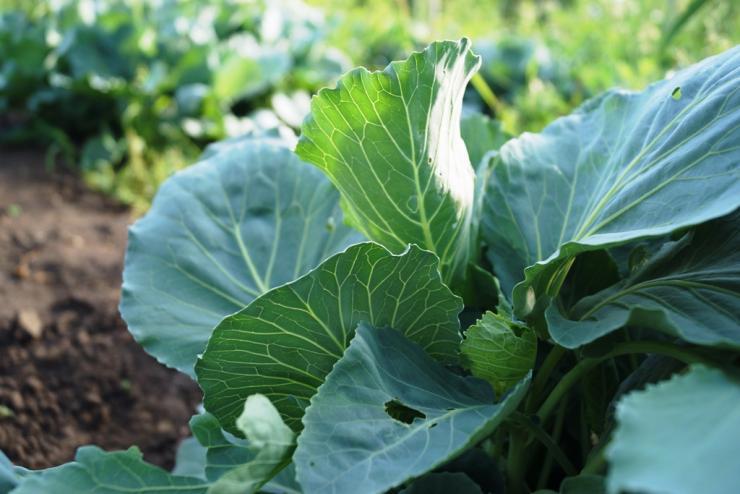
Sprinkle fast-acting yeast under the bush. Water and loosen the soil.
Foliar feeding: pour the working solution (1:10) into a spray bottle, add a few drops of liquid soap, and spray onto the leaves.
Experienced gardeners' reviews of yeast use
Experienced gardeners use yeast solutions to combat pests and diseases. Reviews note that cabbage treated during planting in open ground thrives. No seedling losses are observed. The cabbage's flavor improves: it becomes crisp and juicy.
Some gardeners apply mulch after fertilizing. They use dried leaves, grass, and compost. This process reduces the deterioration of organic matter.In their reviews, gardeners recommend paying close attention to water. They use settled water to prevent chlorine from inhibiting fungal growth and killing beneficial bacteria.
Related posts:
 How to make yeast fertilizer for tomatoes in a greenhouse and open ground
 How to properly feed peppers with yeast and fertilizer recipes
 Rules for feeding plants with yeast and how to prepare fertilizer, recipe
 How to feed cucumbers with yeast to make them grow faster
 Top 40 DIY New Year's Baking Recipes for 2020
 What fertilizers and when to use for feeding tomatoes in a greenhouse
 How to feed onions after germination and before harvesting to ensure they grow large throughout the season
 What is the best way to feed carrots? Fertilizers and preparations, using folk remedies.