
- Composition of yeast
- In what form is it recommended to use?
- Advantages and disadvantages of using yeast
- How does it affect the growth and fruiting of peppers?
- Yeast Mix Recipes for Peppers
- Classic recipe with water
- Yeast with ash
- On milk
- Recipe with chicken manure
- Recipe with weeds
- What to choose for a greenhouse and what for open ground?
- How and when to use yeast feed
- At the transplant stage
- At the flowering stage
- During the period of fruit formation
- Reviews of the product from experienced gardeners
Peppers, like any vegetable, require proper care, including not only watering but also fertilization. Some gardeners prefer ready-made chemical fertilizers, which boost growth but can reduce the yield. Therefore, recently, gardeners have increasingly turned to natural and affordable pepper fertilizers like yeast.
Composition of yeast
Since yeast is a fungal microorganism, its chemical composition changes depending on its life stage. However, the basic composition remains constant:
- nucleic and amino acids;
- carbohydrates;
- lipids;
- B vitamins;
- useful minerals (calcium, iron, magnesium, phosphorus, zinc).
In what form is it recommended to use?
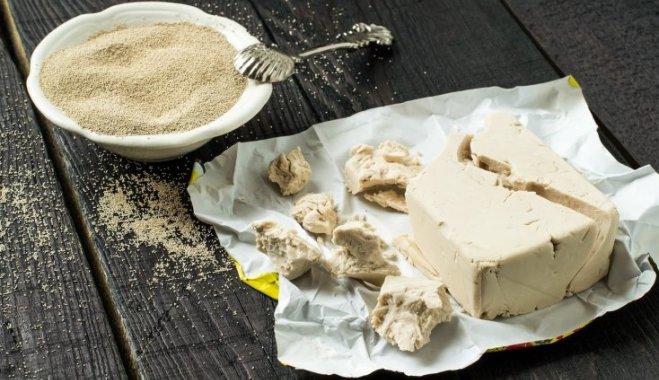
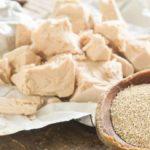
Peppers can be fed with either dry or live pressed yeast - their composition does not change depending on their condition.
Important! Do not use expired products, as this may cause fungal infections.
Advantages and disadvantages of using yeast
Using yeast as a fertilizer has a number of advantages:
- the absorption of previously applied fertilizers is accelerated;
- the soil in the garden is saturated with useful elements;
- nitrogen is released;
- increases resistance to diseases and pests;
- growth and yield are improved;
- low price.
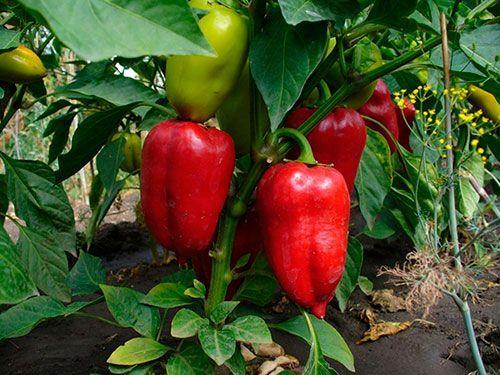
Despite its undeniable advantages, the product still has its drawbacks:
- during the fermentation period it requires a large amount of calcium;
- during reproduction – potassium levels decrease;
- Excess will cause the pepper to react in the opposite direction.
How does it affect the growth and fruiting of peppers?
Yeast saturates the soil with nutrients that peppers need for proper growth and fruiting, and thanks to the minerals in a special state, the plant's root system easily absorbs everything it needs.
Natural fertilizer allows peppers to produce a harvest 7-14 days earlier and significantly increase yield. Furthermore, the plant's immunity to various stresses, such as temperature fluctuations, lack of sun, or transplantation, will be strengthened.
Yeast Mix Recipes for Peppers
In order to enhance the results of yeast feeding, other beneficial substances are often added to it.
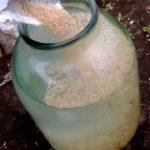
Classic recipe with water
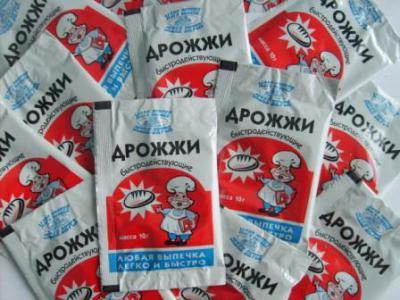
The simplest and most accessible method for preparing a solution, for which both dry and raw yeast are suitable.
With the "living":
- 100 grams of yeast;
- 0.5 liters of water.
Let it steep for an hour in a warm, dark place, then add another 5 liters of water to the mixture. This works great for both seedlings and mature plants.
With dry:
- 200 grams of yeast;
- 5 liters of water;
- a tablespoon of sugar.
Grind the yeast with sugar, then mix with water. Place in a dark, warm place until it foams freely. Then carefully dilute with water in a ratio of 1:10.
Yeast with ash
An effective way to accelerate growth and yield, thanks to the potassium and calcium found in ash. To prepare, you'll need:
- 1 kilogram of raw yeast;
- 5 liters of water.
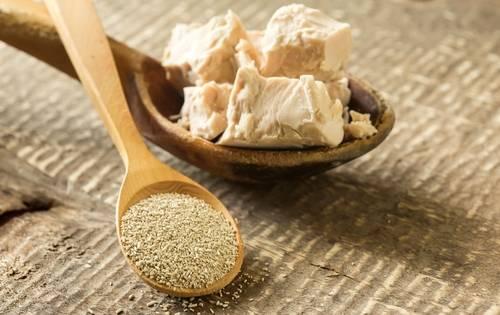
First, let the water settle for at least three days. Once the liquid has settled, crumble the yeast and add it to the water. Place the infusion in a warm place for at least three hours. Once the mixture has fermented, add ash at a ratio of one tablespoon per liter of solution. Let it sit for 24 hours.
Important! Before applying the mixture to your plants, make sure the soil is warm. Yeast will only be effective in warm weather. In cool or cold temperatures, the mixture will not ferment and will be ineffective.
On milk
In addition to being an effective fertilizer, this recipe will also serve as a "preventative vaccination" against various pepper diseases.
Ingredients:
- 200 grams of raw yeast;
- 2 tablespoons of sugar;
- 5 liters of milk of any fat content.
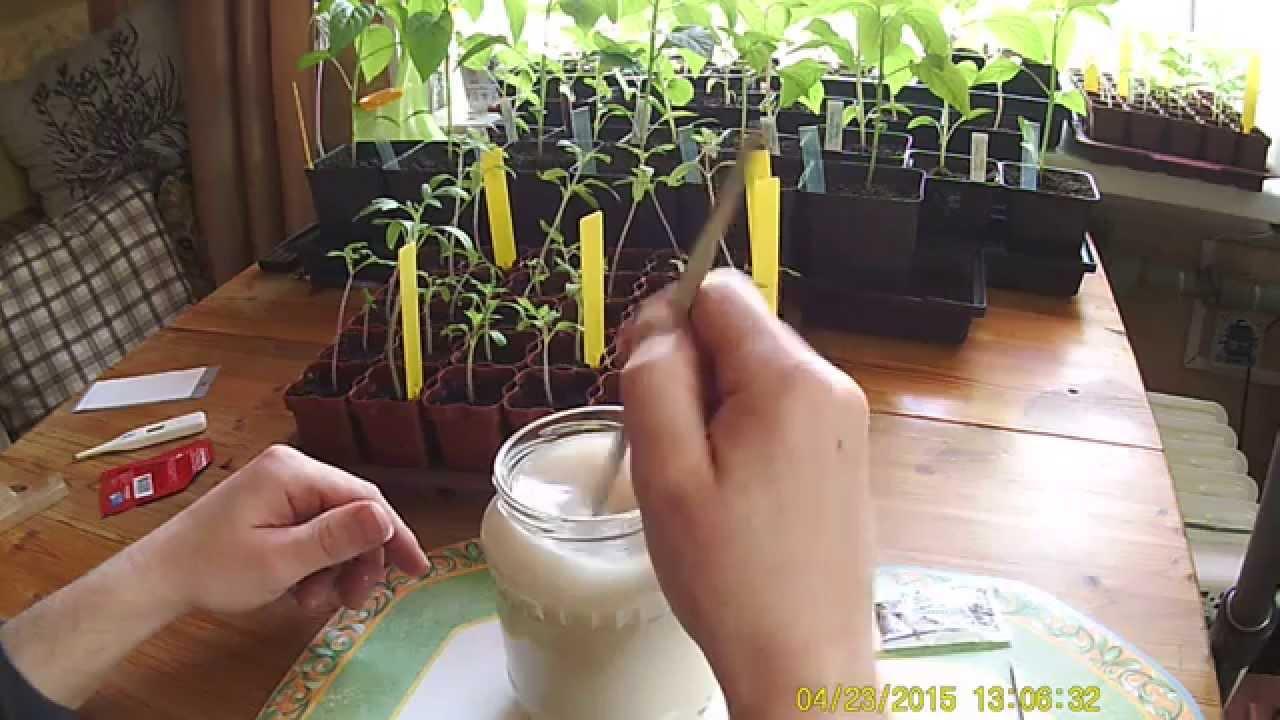
In a bowl, combine the yeast, sugar, and a little milk. Mix thoroughly until lumps disappear, and pour in the remaining milk. Place in a warm place for at least three hours, then dilute with 50 liters of settled water.
Recipe with chicken manure
Like manure, manure is considered one of the best natural fertilizers, used by thousands of gardeners to feed their plants. By mixing manure and yeast, gardeners create an excellent fertilizer that significantly enhances vegetable growth.
Take a look Also
Ingredients of the mixture:
- 500 grams of droppings;
- 10 grams of dry yeast;
- 500 grams of ash;
- 150 grams of sugar;
- 10 liters of water.
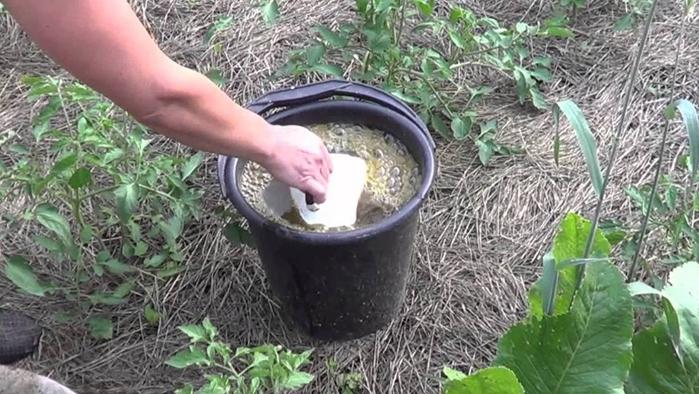
Dissolve the yeast and sugar in a small amount of water and carefully add the remaining ingredients. Mix thoroughly and leave to ferment in a warm place for at least 2 hours. Once abundant foam and a characteristic aroma appear, the infusion is ready.
Important! Avoid letting the infusion come into contact with leaves, as the droppings may cause burns.
Recipe with weeds
Weeds are a source of beneficial microelements and vitamins essential for plants. To prepare the mixture, you will need:
- 1 bucket of grass;
- 1 loaf of bread;
- 500 grams of yeast;
- 5 liters of water.
Dissolve the yeast in water and add crumbled bread. Pour the herbs into a 50-liter barrel and pour the resulting mixture over it. Fermentation time is 2 days in warm weather, 4 days in cool weather. When the infusion is ready, add water until the barrel is full.
What to choose for a greenhouse and what for open ground?
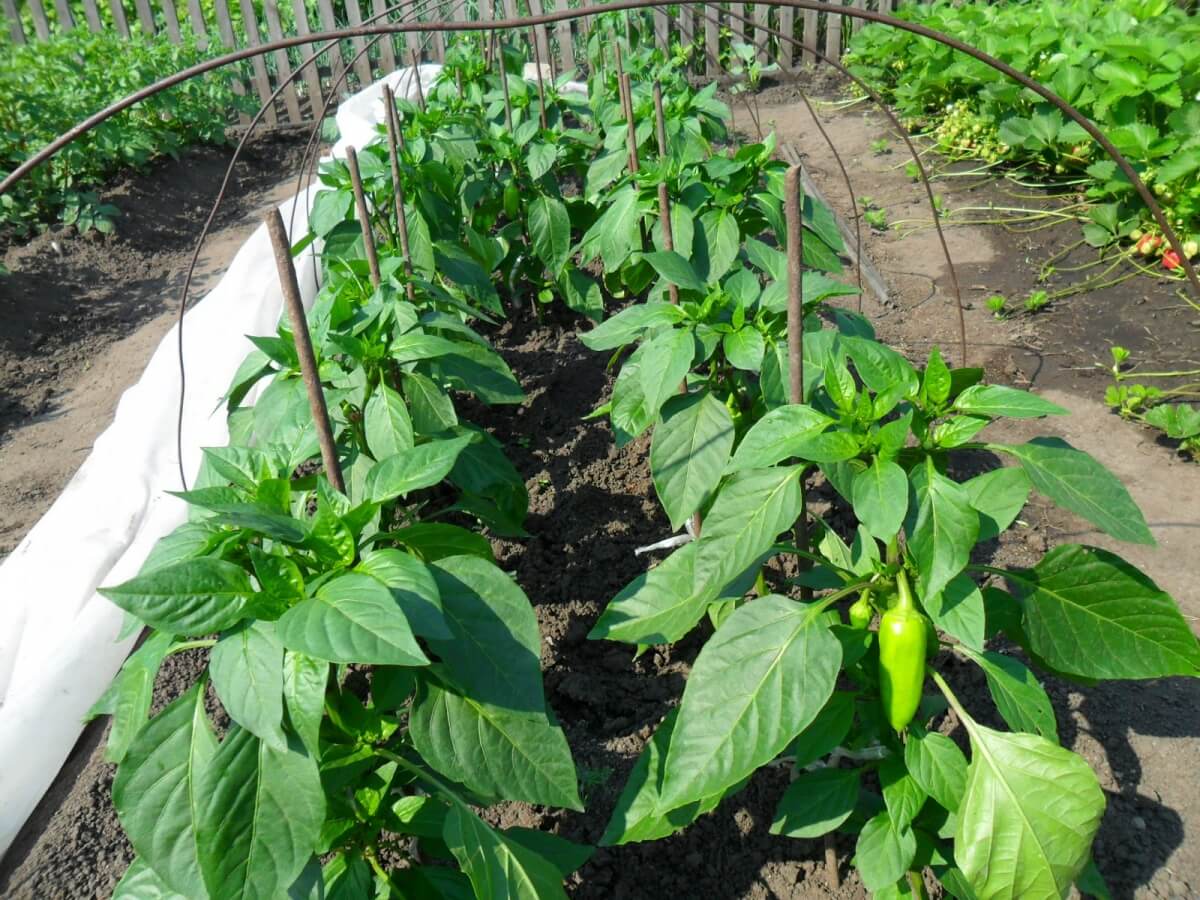
Yeast fertilizer is universal. The prepared mixture is an excellent fertilizer for peppers, both in open ground, in a garden bed, and in a greenhouse. However, in hot weather, the fertilizer dosage should be increased, as some of the mixture will evaporate when exposed to sunlight.
How and when to use yeast feed
The most important thing when using fertilizer is to apply it consistently and with the right frequency. Apply yeast for the first time when three fully developed leaves appear. Repeat after 20 days. Apply additional fertilizer 3-7 days before transplanting to the permanent location. After that, apply fertilizer three more times during the season.
At the transplant stage
This is the most important time to water peppers. This is when the plant needs additional nutrients to reduce stress from soil changes and speed up establishment in its new location. Yeast or a yeast mixture should be added to the prepared planting holes, after watering them first.
At the flowering stage
The second feeding with yeast fertilizer should be done when the first flowers appear on the pepper. Each plant requires 2 liters of solution.
During the period of fruit formation
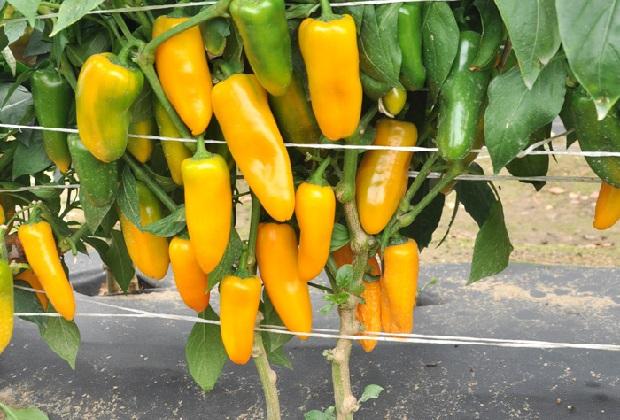
The final feeding should be done when the fruit begins to form. Depending on the number of peppers per bush, the plant requires 1-2 liters of fertilizer.
Reviews of the product from experienced gardeners
Valentin, Irkutsk.
"I've been using yeast fertilizer for many years, not just for peppers but also for tomatoes and eggplants, ensuring a consistent harvest. A significant advantage is its low cost, and it's readily available at any grocery store. My favorite yeast mixture is made with ash and onion peels. This 'vitamin cocktail' enriches the soil, is easily absorbed by the roots, is harmless to foliage, and is safe for children, animals, and bees."
Irina, Tver.
"I've been using yeast fertilizers for several years now, and the results are always pleasing. Every pepper is a perfect match—large, smooth, and plump. The most important thing for me about this type of fertilizer is the natural ingredients, which means the harvest will be safe. Furthermore, the mixtures are easy to prepare and don't require significant investment. I usually alternate between yeast and grass and yeast and chicken manure. Other than these, I don't use any other fertilizers."
Alexey, Arkhangelsk.
"Over my many years of growing peppers, I've tried a ton of ready-made fertilizers—all to no avail. A few years ago, I saw a review of a yeast mixture on a forum. I took a chance and haven't regretted it! The peppers are literally filling out before my eyes, and their production has increased significantly. No more store-bought fertilizers, just yeast. The best option is adding chicken manure. The soil is immediately enriched, and plant growth increases rapidly."
Related posts:
 How to make yeast fertilizer for tomatoes in a greenhouse and open ground
 Rules for feeding plants with yeast and how to prepare fertilizer, recipe
 Rules for feeding cabbage with yeast in open ground and the best fertilizer recipes
 How to feed cucumbers with yeast to make them grow faster
 Top 40 DIY New Year's Baking Recipes for 2020
 How to feed onions after germination and before harvesting to ensure they grow large throughout the season
 What is the best way to feed tomato seedlings to make them plump?
 What is the best way to feed cucumbers during flowering and fruiting?