
- Biological properties and composition of yeast
- Impact on seedlings and adult tomato bushes
- Enhancing the growth of tomatoes
- General strengthening feeding
- To strengthen the immune system of plants
- Fertilizer to attract pollinators
- Advantages and disadvantages of yeast supplements
- What is the best form to apply?
- Raw
- Dry
- How to apply correctly
- Under the root
- Foliar method
- Yeast feeding recipe
- With hops
- With chicken droppings
- From live yeast and nettles
- With milk
- Yeast with sugar
- With ash
- With bread additives
- When should I apply fertilizer?
- Gardeners' reviews of yeast use
Why fertilizers are needed is a strange and unprofessional question. But only for those in the know. Vegetables and garden plants require micronutrients and mineral complexes in addition to heat, light, and water to grow. Otherwise, they won't ripen or develop normally. Experienced gardeners use various methods to fertilize tomatoes, including yeast. It turns out that single-celled fungi are a storehouse of nutrients for plants.
Biological properties and composition of yeast
Yeast is a biologically active microorganism, a type of fungus. While naturally lacking mycelium, it thrives in liquid environments. Yeast is used not only in brewing, alcohol production, and baking, but also in livestock farming as a nutritious, micronutrient-rich fermented mixture.
Recently, fungi have been added as a root dressing to garden and vegetable crops, thereby increasing germination and yield. The influence of yeast fungi on tomato development is confirmed by successful experience with their use.
Impact on seedlings and adult tomato bushes
Beginning gardeners and summer residents doubt whether brewer's yeast can influence the growth of seedlings or the yield of existing tomato plants. Yes, it can. In this case, the idiom "growing by leaps and bounds" should be taken literally, because:
- accelerates the formation of ovaries;
- roots and shoots are strengthened;
- the plant becomes stronger and develops more actively;
- hostile and pathogenic bacteria are suppressed.
Enhancing the growth of tomatoes
Used correctly, yeast, often forgotten, can achieve stunning results. Unfortunately, modern gardeners prefer to use mineral complexes and dietary supplements, overlooking a simple yet highly effective method, which, incidentally, is readily available in every store and supermarket.
We are talking about common fungi that provide plants with essential elements, increasing the growth rate of tomatoes.
There are countless practical uses for yeast—in dry form, in solutions, and in combination with other nutrients. The only requirement is that the product shouldn't be low-quality or expired. And with a yeast mixture, you're sure to grow juicy, healthy tomatoes and reap an impressive harvest.
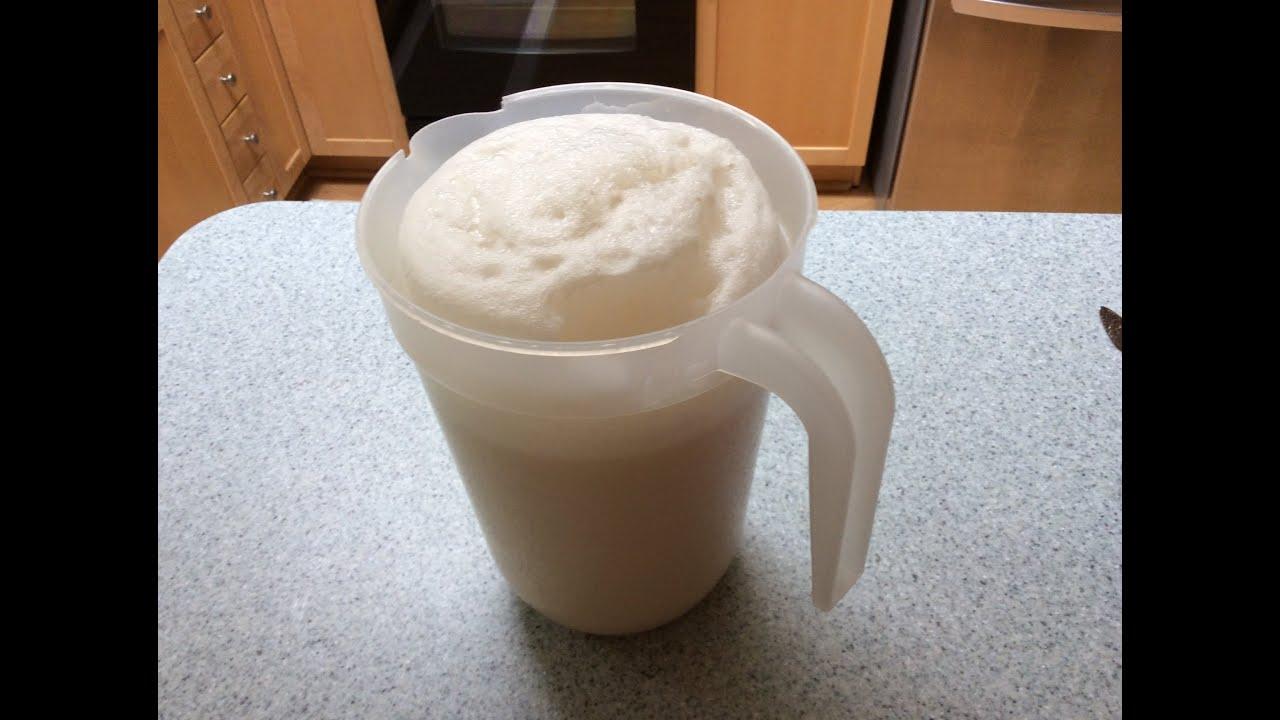
To do this, you'll need 10 liters of clean water, 10 grams of dried mushrooms, about 40 grams of sugar, and a pinch of ascorbic acid. The mixture must be left in a warm place for several hours, otherwise it won't be effective. Dilute the prepared solution further: 1 liter to 5 liters of water.

General strengthening feeding
Yeast is a versatile, highly effective growth promoter for plants, tomatoes, and cucumbers. Its harm is minimal, and its benefits are obvious. One way to use single-celled, non-mycelial fungi is as a general yeast nutritional supplement.

It's easy to prepare: mix 0.5 liters of chicken manure with 10 grams of dry culinary yeast, 500 grams of wood ash, and 100 grams of granulated sugar. All ingredients are diluted with 10 liters of clean water. Water from a watering can or a bottle with holes punctured in the lid around the plant, being careful not to touch the roots. The mixture should be applied after the seedlings have established themselves and become rooted.
The second stage of fertilizing occurs before inflorescence formation. Approximately 500 milliliters of the mixture is applied per bush (for a young seedling). Mature tomatoes require about 2 liters of fertilizer. Evidence shows that within just a couple of days, the plant revives, produces fresh green leaves, and increases in growth.

To strengthen the immune system of plants
The most common and simple recipe is made with yeast and water. For a "live" culture, the proportions are as follows: one kilogram of yeast mixture to 5 liters of water. Immediately before use, the mixture is further diluted by adding 10 parts water to 1 part solution. If using dry yeast, take 10 grams, mixing with 2 tablespoons of granulated sugar.
It takes 10 liters of water, and the fertilizer is diluted in a ratio of 1 to 5. It works great on tomatoes, invigorating them and making them more resistant to pests and diseases.
Fertilizer to attract pollinators
A simple yeast solution can attract bees and other pollinators and speed up fruit set. Tomatoes should be additionally fed before flowering, always adding sugar. It's recommended to apply the solution in warm, dry weather, late in the evening, to minimize nutrient loss. The smell of fermentation attracts insects, which will inevitably fly in and facilitate pollination of the flowers and accelerate fruit ripening.

Advantages and disadvantages of yeast supplements
The advantage of yeast lies in its natural origin, high plant absorption, and lack of side effects. It offers a ready-made set of essential micronutrients for garden crops, plus additional activation.
Mushrooms contain calcium, magnesium, phosphorus, and vitamins—there's no need to add mineral supplements; simply prepare a yeast solution and keep it in a warm place.
The fertilizer is universal and suitable for tomatoes, cucumbers, and peppers. The nutrients immediately penetrate the soil, from where they are absorbed by the plant's root system. Another factor tipping the scales in favor of yeast is its low price. The cost of purchasing dried mushrooms is incomparable to that of complex mineral fertilizers.
But this wonderful method also has a number of disadvantages:
- The prepared mixture shouldn't be stored for long. It's best to use it immediately; yeast, as a biologically active substance, quickly loses its properties.
- Potassium is partially leached from soil fertilized with yeast fungi. Therefore, wood ash is often included in the fertilizer to compensate for this deficiency.
- In cold weather, when the soil temperature is insufficient, fertilizing will be of no use; it will not work.
- It's more accurate to call yeast a catalyst rather than a fertilizer: it accelerates plant metabolism, helping it more actively utilize dissolved elements in the soil. In poor, underfertilized soil, applying fungi will have no effect.
- Overuse of fertilizer will do more harm than good. Everything in moderation.
Take a look Also

What is the best form to apply?
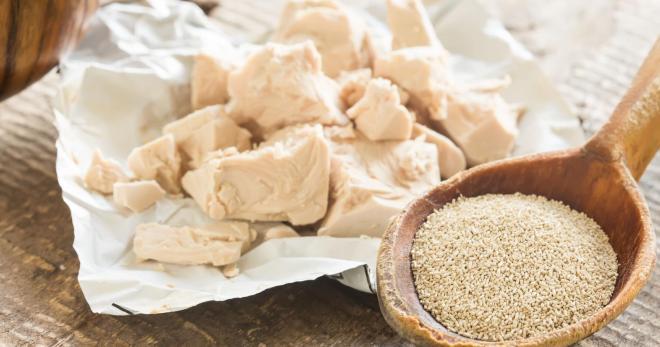
There are recipes for dry and wet yeast. The choice isn't critical, although the fungi are more active in a liquid medium. The key is to use the yeast quickly after preparation to achieve maximum results.
Raw
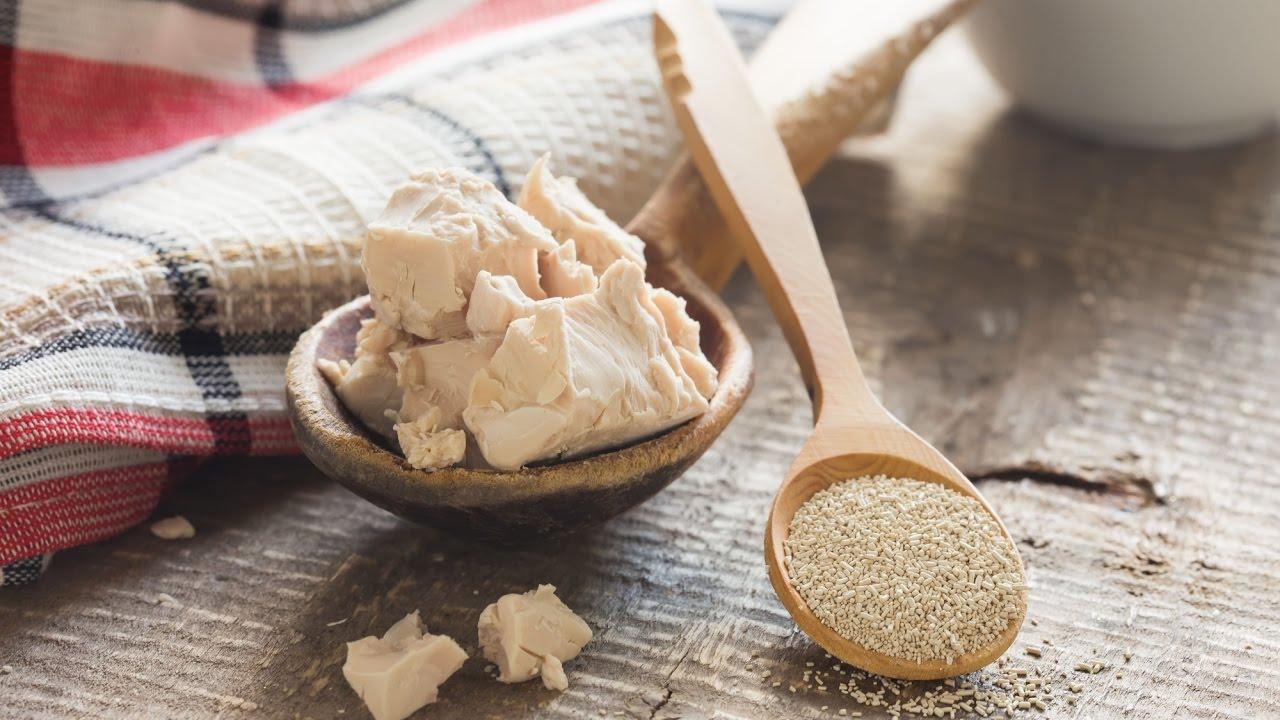
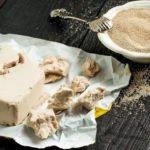
Raw or "live" yeast is great in every way, but it doesn't keep for long. You'll need more by weight than dry yeast. However, for various reasons, dried yeast (powdered) is more commonly used.
Dry
This type of fungal culture can be purchased at any grocery store. When using, it must be mixed with sugar to speed up the fermentation process.
How to apply correctly
Yeast fertilization requires adherence to several rules: timing of application, specific application location, and dosage. Adhering to these conditions is crucial to achieving the desired goals—boosting the plant's immunity, accelerating growth, or fruiting.
Under the root
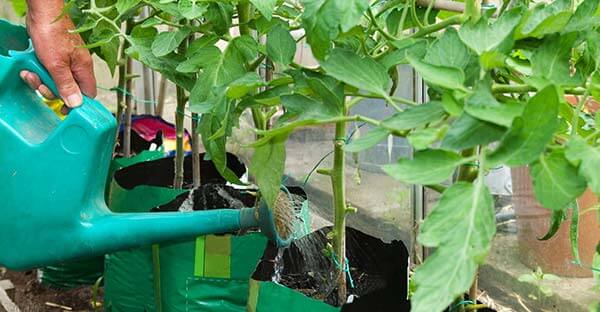
This method eliminates the need to fertilize tomatoes with mineral supplements or special root growth stimulants. It replaces the yeast solution applied to the roots of the plant.
Foliar method
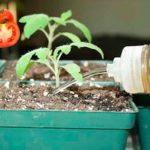
When using this method, carefully water the soil around the trunk with the mixture from a watering can. The effect is almost the same as the previous method, but it also boosts the immune system and accelerates tomato growth.
Yeast feeding recipe
Most recipes are simple and straightforward: they're based on dried yeast, sugar, and water. By modifying the ingredients, you can achieve various goals, depending on your needs: general nutrition, root nutrition, or stimulating plant growth. The yeast must be fresh and unspoiled. Otherwise, you can forget about fertilizing it. Adding plant tops, nettles, and hops to the fertilizer can enhance its effectiveness.

With hops
A climbing plant, unfairly classified as a weed, can be beneficial to gardeners. And not just those who bake bread or prepare nourishing hair masks. Crushed hop cones, added to yeast dressing, enhance and complement the action of the main ingredient.
This step also promotes the production of nitrogen, which is valuable for plants and affects the growth and fruiting of tomatoes.
With chicken droppings
Experienced agronomists advise caution when adding organic components (such as manure) to homemade fertilizers. This also applies to chicken manure, which has a high energy value. The key is to control the amount of the finished mixture added to the soil. To do this, dilute it with water.
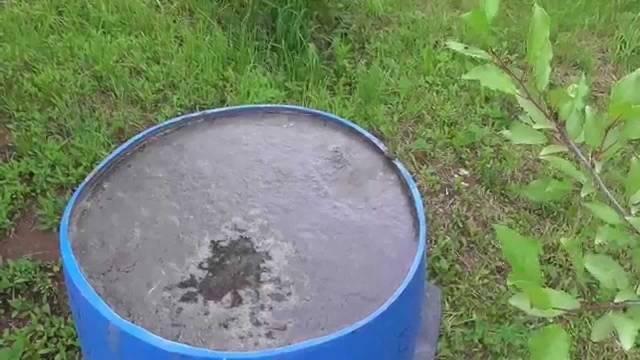
The recipe for preparation is as follows:
- a hundred-gram pack of “raw” yeast;
- 100 grams of granulated sugar;
- 200-250 grams of wood ash;
- 500 milliliters of diluted and “burnt” chicken manure.
The ingredients are thoroughly mixed and diluted in 10 liters of water. Finding them isn't difficult: yeast and sugar are readily available at the store, ash can be obtained by burning branches and leaves in the garden, and manure can be obtained from neighbors.
From live yeast and nettles
This prickly and annoying plant, growing behind fences and near hedges, is rich in potassium, calcium, and magnesium—all essential nutrients for tomatoes.
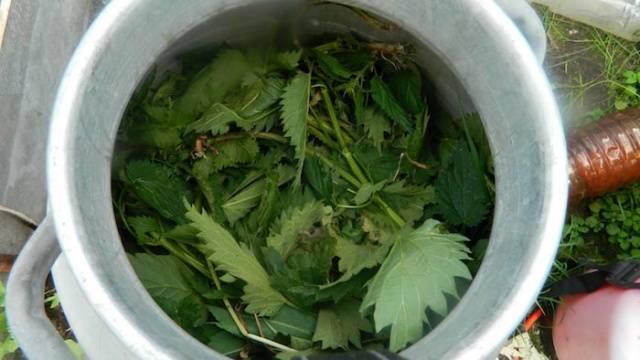
First of all, you don't need just any nettles; pick them before they go to seed. The stems and leaves should be whole, green, not wilted, and dry. Add nettle biomass to a standard yeast nutrient solution and leave it in a warm place to activate fermentation. Apply the mixture to the tomatoes once every 14 days, and water them with regular water afterward.
With milk
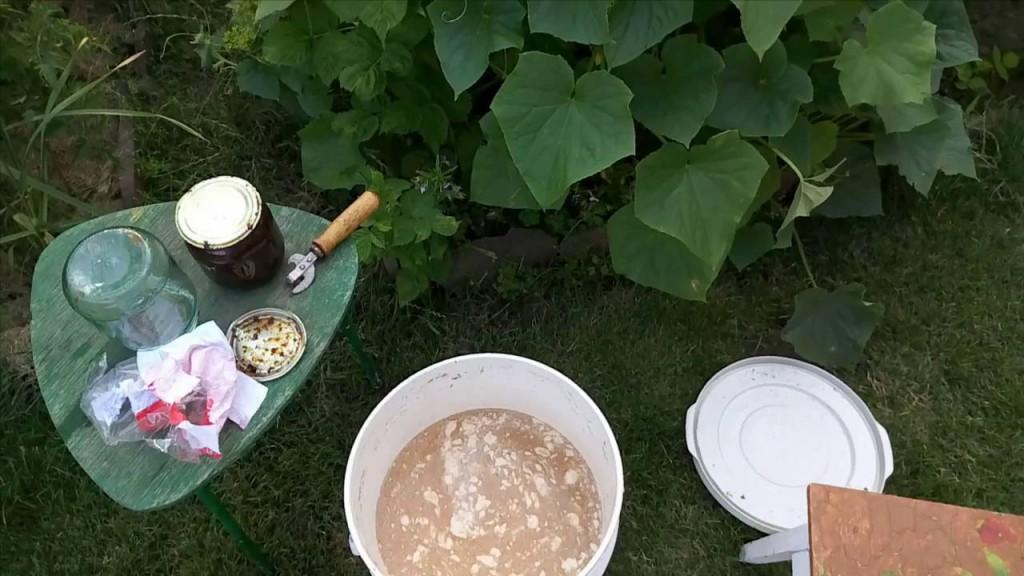
How do you make a superfood from sour milk and bread crusts? It's very simple. You'll also need yeast (dry, fresh, whatever you have) and 200 grams of ash. It's like a starter for pancakes or crepes. Place the ingredients in a suitable container (preferably larger—an old bucket or a 10-liter plastic canister with the top cut off) and place in a warm place. After a week, the "compote" is ready to eat.
Yeast with sugar
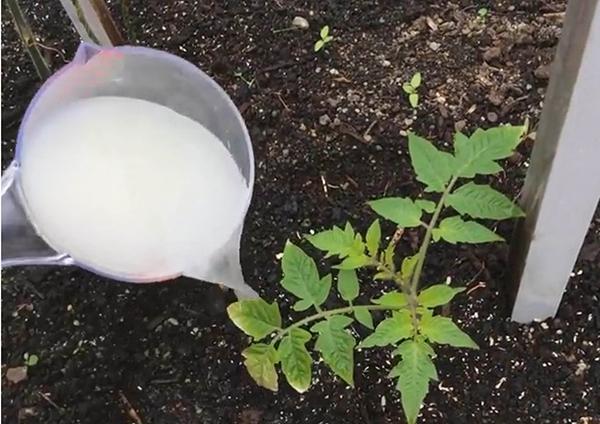
Carbohydrates are the basis for yeast fermentation. Therefore, in basic recipes, sugar and yeast starter (especially dry yeast) are always used together.
With ash
The use of coal and wood ash is due to yeast's ability to "draw" potassium from the soil. Adding this mineral to the fertilizer compensates for this deficiency.
With bread additives
Old bread crusts mixed into a yeast mixture are an invaluable source of material for fungal development and growth. In the past, gardeners widely used bread soaked in water as a fertilizer, replacing mineral fertilizers. The addition of yeast enhances bread fermentation and increases the rate of biomass development.

When should I apply fertilizer?
When planting outdoors, watering with a nutrient-rich substrate begins after the tomato seedlings have taken root and established themselves. The second stage traditionally occurs during the growing season, before flowering. Fertilizer is then applied gradually throughout the growing season, monitoring the plant's performance. In a greenhouse, the sequence is similar:
- 7 days after planting.
- When the seedlings have taken root.
- Before flowering.
The most important thing is to avoid over-saturating the soil with fungi. It's more accurate to call yeast not a fertilizer, but a growth stimulant, which will yield results if used wisely.
Gardeners' reviews of yeast use
The gardening world is full of fantastical stories about the healing powers of yeast solution. For example:
Lidiya Yuryevna, pensioner.
"I grow tomatoes and cucumbers without chemicals, using only regular yeast. The vegetables grow healthy, strong, ripen quickly, and are completely safe."
Sergei Petrovich, employee.
"A colleague at work told me about feeding seedlings with yeast. At first, I didn't believe it; I'd always used mineral fertilizers. But then I saw for myself: it's possible to grow tomatoes without chemicals."
Ekaterina, a novice summer resident.
"My grandmother didn't use ammophos or other mineral fertilizers, relying instead on homemade fertilizers. Her fruits and vegetables grew better than her neighbors'. Now I grow organic tomatoes at my dacha using my grandmother's recipe."
Related posts:
 How to properly feed peppers with yeast and fertilizer recipes
 Rules for feeding plants with yeast and how to prepare fertilizer, recipe
 Rules for feeding cabbage with yeast in open ground and the best fertilizer recipes
 How to feed cucumbers with yeast to make them grow faster
 What fertilizers and when to use for feeding tomatoes in a greenhouse
 What is the best way to feed tomato seedlings to make them plump?
 What fertilizers should I use for tomatoes in open ground and greenhouses?
 How to feed onions after germination and before harvesting to ensure they grow large throughout the season