
- The importance of temperature when growing tomato seedlings
- What temperature fluctuations can tomato seedlings tolerate?
- How does temperature affect seed germination and plant growth?
- Low
- High
- The effect of low soil temperature on seedlings
- Optimal indicators for growing strong and healthy tomatoes
- When sowing seeds
- After the young shoots have sprouted
- When picking tomatoes
- What happens to tomato seedlings when the temperature changes?
- Rules for adjusting the optimal air temperature
- Overheating protection
- Frost protection
- How to harden seedlings before planting them in the soil
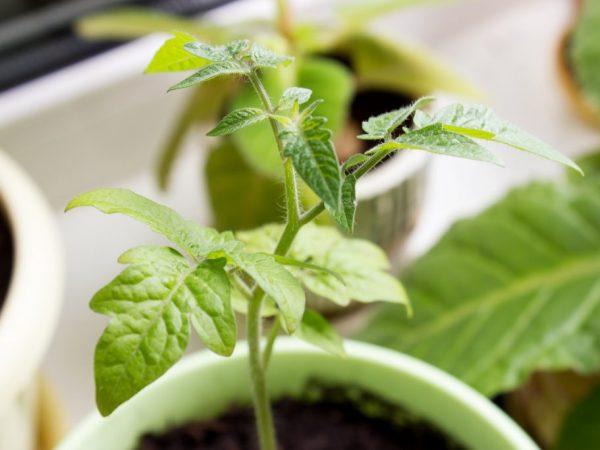
Air temperature for tomato seedlings is an important factor that significantly influences their growth. When growing seedlings indoors, it's important to create the most optimal growing conditions.
The importance of temperature when growing tomato seedlings
Air temperature varies depending on the growing season of seedlings. While it may seem at first glance that temperature isn't as important as watering or fertilizing, this is far from the case. Maintaining optimal temperature conditions is essential for better and stronger seedlings. Proper temperatures ensure seedlings' immunity to many diseases.
The air temperature is also important when planting seedlings. The more comfortable it is for the seedlings, the faster they will emerge.
What temperature fluctuations can tomato seedlings tolerate?
Tomatoes are quite resilient to temperature fluctuations. But even they have their limits, especially for seedlings. The maximum temperature at which tomatoes grow normally is 23 to 26 degrees Celsius. The minimum threshold is 10 degrees Celsius. If the thermometer drops to 5 degrees Celsius, the root system freezes and dies.
How does temperature affect seed germination and plant growth?
Climate control is crucial when growing tomato seedlings. It influences the rate at which seedlings emerge after planting and the growth of the seedlings.
Low
The minimum temperature for tomato growth is 10 degrees Celsius (50 degrees Fahrenheit). Any further drop in temperature will cause the root system to freeze. Seedlings should be planted only after the air and soil have warmed above this temperature.
High
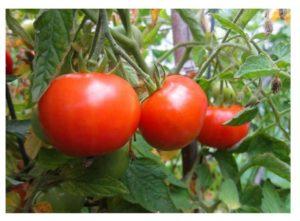
Tomatoes grow quickly at high temperatures. However, if temperatures rise significantly, this negatively impacts the development of the plants, especially during flowering. High temperatures cause the inflorescences to become sterile, and yields decrease.
The effect of low soil temperature on seedlings
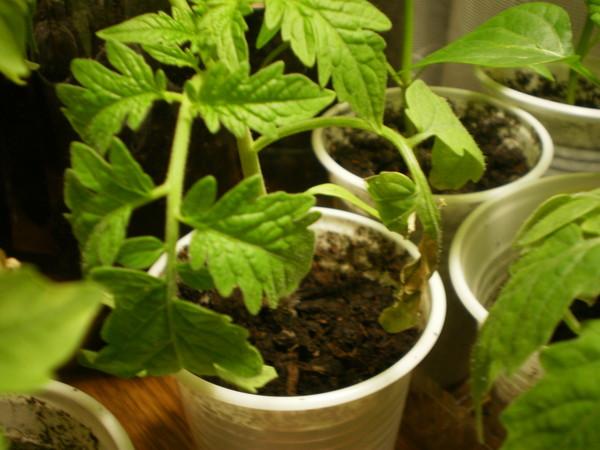
Low thermometer readings slow seedling growth, and tomatoes grow weak and with few leaves. They are also more susceptible to disease.
Optimal indicators for growing strong and healthy tomatoes
To determine the correct temperature for growing seedlings, you need to determine the growing season of your plants. Tomatoes require different temperatures at different times for normal growth.
When sowing seeds
Before sowing seeds in the soil, they are germinated. This procedure increases the germination rate of the planting material. What temperature is needed for germination? Seeds germinate at temperatures of 25 to 30 degrees Celsius.
If the values are lower, the tomatoes will also sprout, but the process will be slow and not as effective.
When sprouting, tomatoes are placed on a gas stove or radiator, where the optimal temperature is naturally maintained. However, another important factor to consider when sprouting is humidity. The seeds must be kept moist at all times.
After the young shoots have sprouted
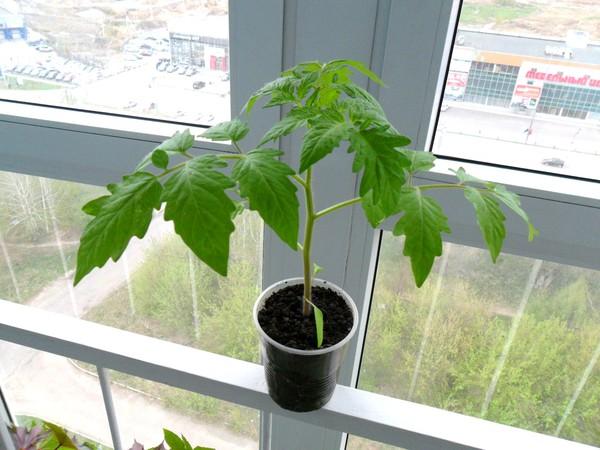
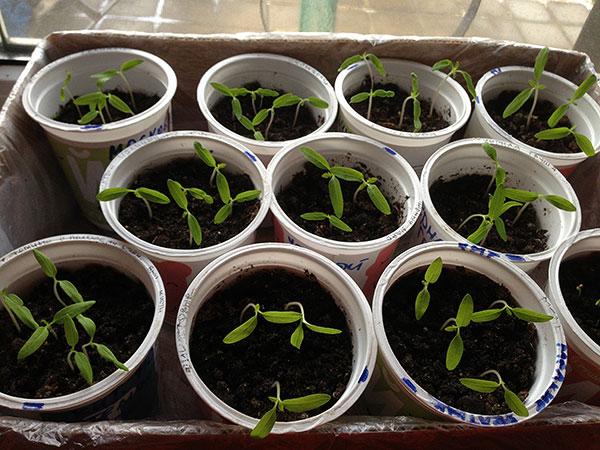
After seedlings emerge, the temperature is adjusted again to help the sprouts gain strength. It's recommended to keep the containers at a temperature of 23 to 25 degrees Celsius. Until the seedlings begin to emerge, the containers are also kept at this temperature. Growing tomatoes also requires adequate light and optimal humidity.
If the temperature regime is not observed, the following growing problems may occur:
- At high temperatures (+27…+20), seedlings begin to stretch upward, the stems become thin, and the leaves become weak. Gradually, they begin to turn yellow and eventually fall off completely.
- With low levels, seedlings don't have time to establish themselves and grow weakly. Root development is also poor.
- If the thermometer drops to +12 degrees, the root system stops absorbing nutrients from the soil.
But there's a catch. At 14 to 16 degrees Celsius, the root system thrives, but at higher temperatures, its growth slows. Conversely, foliage grows better at higher temperatures. To optimize seedling growth, many experienced gardeners set the temperature high during the day and lower it at night.

When picking tomatoes
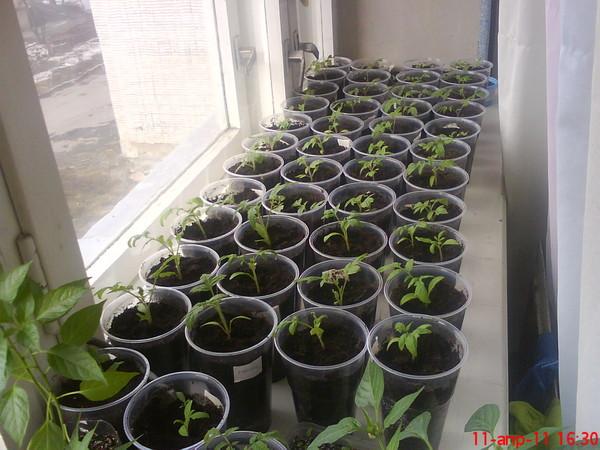
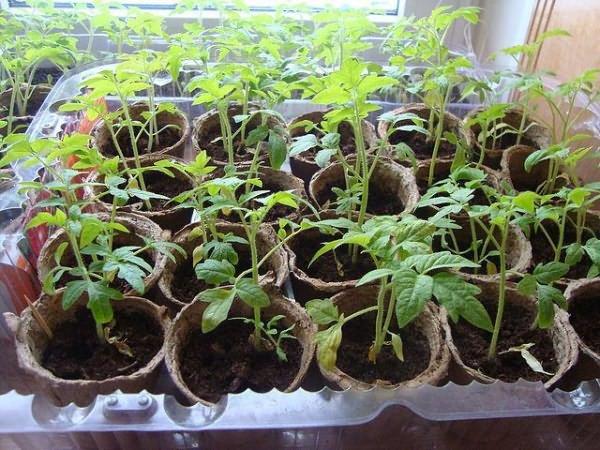
When transplanting, the air temperature should be between 20 and 25 degrees Celsius. You can lower the thermometer a few degrees further. Pricking out is the last step before planting the seedlings outdoors, so it's important to prepare them for the change in climate in advance. The weather will be cool for the first few days after planting, so it's best to prepare the tomatoes for this in advance. This will make transplanting less traumatic.
After transplanting, it's time to begin hardening off the tomato seedlings. Hardening off begins a few days after transplanting.
What happens to tomato seedlings when the temperature changes?
Seedlings grow poorly after temperature fluctuations, especially if the fluctuations were greater than 5 degrees. Moreover, tomatoes tolerate higher temperatures better than lower ones. Temperature fluctuations are especially dangerous if tomatoes were recently planted outdoors.
A sudden drop in outside temperatures at night can damage seedlings so much that they die completely, or even become diseased.
Rules for adjusting the optimal air temperature
Once seedlings are planted in their permanent location, it becomes impossible to regulate the temperature. But summer temperatures aren't always optimal for tomato growth. Sometimes, tricks are needed to protect the tomatoes.
Overheating protection
How to protect tomatoes from overheating:
- If the heat continues, you can create a shelter for your tomatoes. To do this, drive a few stakes near the beds and stretch a light-colored cloth over them.
- To prevent the soil from drying out too quickly, mulch the soil in tomato beds. Sawdust, peat, or manure are used as mulch. The mulch layer should be at least 15 cm thick. Mulch prevents rapid evaporation of moisture from the soil.
- Plant grapes or corn along the tomato beds. These plants will provide shade and prevent the tomatoes from overheating.
Take a look Also

Protecting tomatoes from heat is especially important during flowering. At temperatures below 30 degrees Celsius, the inflorescences become sterile, which negatively impacts the yield.
Frost protection
Tomato beds most often need to be protected from frost in the spring, after planting. Spring isn't always warm, and night frosts are not uncommon in central and Siberian regions even in June.
The first thing to consider is nighttime cover. Warm, airtight fabric is used to cover the beds. This can protect tomatoes from frost.
To protect the root system from frost, the soil in the garden bed is mulched. Mulch not only prevents moisture evaporation but also retains soil heat. The most difficult way to protect tomatoes from frost is to plant them in a greenhouse. However, this method is more suitable for those who live in Siberia, where cold nights are common even in the summer.
How to harden seedlings before planting them in the soil
Before planting the seedlings in their permanent location, they are hardened off. This hardening-off process begins approximately 2-3 weeks before planting. It is carried out after the tomatoes have been transplanted. Every day, the containers with the plants are taken outside or onto the balcony for 2-3 hours.
For the first few days, the seedling trays are taken outside for 30-35 minutes. Gradually, the time spent in the cold is increased until it reaches 2 hours. It is recommended to take the containers outside only on sunny, windless days.
Related posts:
 Description of the best varieties of black tomatoes for open ground and greenhouses
 The best grape varieties for growing in the Urals, planting and care rules in summer
 The best eggplant varieties for growing in a polycarbonate greenhouse: planting and care
 TOP 17 recipes for pickled sweet tomatoes for the winter
 Methods for planting and propagating cherries at home
 Delicious recipes for canned tomatoes with honey for the winter, preparation steps
 15 simple recipes for pickling tomatoes in jars for the winter
 Description of the best Dutch tomato varieties for greenhouses and open ground