
- Siberian climate conditions: impact on tomato growth and yield
- What varieties of tomatoes are suitable?
- Bersola
- Beautiful Lady
- Siberian Express
- Siberian early ripening
- King of Siberia
- Gina
- Technology and timing of seed sowing
- Into the greenhouse
- Into open ground
- How to care for tomatoes in Siberian conditions
- Regularity of irrigation
- Loosening and mulching the soil
- What fertilizers are needed: methods and timing of application
- Treatment against diseases and pests
- Useful tips from experienced gardeners
By understanding a few agricultural techniques and following the advice of experienced gardeners, growing tomatoes won't pose any problems, even in Siberia. It's important to choose the right variety, one that can withstand low light, sudden temperature fluctuations, and other adverse weather conditions. It's preferable to plant pre-prepared seedlings in open or covered beds. Proper care will help you grow strong plants and reap a bountiful harvest.
Siberian climate conditions: impact on tomato growth and yield
Siberia occupies the northeastern part of Eurasia. Winters here are extremely cold, with temperatures dropping to -58 degrees Celsius. Summers, though short, are hot. There is virtually no off-season. Precipitation is rare.
The soil begins to warm up in early June, but the risk of frost returning remains. If you choose the right tomato variety and follow all planting and growing rules, you are likely to grow a high-quality and abundant harvest.
What varieties of tomatoes are suitable?
To grow tomatoes in Siberia, you need to know everything about the chosen tomato variety. It's advisable to select varieties with the following characteristics:
- good tolerance to sudden temperature fluctuations;
- intensive and early ripening of the crop (very important in the conditions of the short Siberian summer);
- high yield;
- strong resistance to many infections;
- For Siberia, varieties with a determinate growth type are suitable.
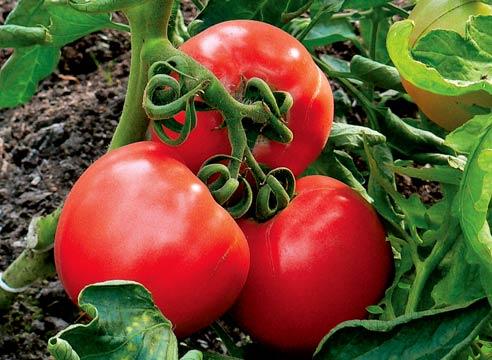
It's also worth remembering that hybrids tolerate adverse weather conditions better than cultivars. However, they are inferior in taste. Cultivars are sweeter and juicier.
Bersola
The very early Bersola hybrid, with proper care, will delight you with a bountiful harvest. The compact and vigorous bush is characterized by a semi-determinate growth habit, reaching up to two meters. The hybrid is resistant to low temperatures. The flat-round fruits weigh 180 g, with visible ribbing near the stalk.

Beautiful Lady
This hybrid is recommended for greenhouse cultivation. It features a determinate growth habit and early ripening, with harvesting beginning after 95 days. The round, gently ribbed fruits weigh 140 g.
Siberian Express
The variety is characterized by a determinate growth habit (height no more than 55 cm) and early ripening fruit weighing up to 100 g. It is adapted to the harsh Siberian climate, producing a good harvest even in rainy, cold summers. It is highly disease-resistant.

Siberian early ripening
This early variety begins to form fruit after 96 days. The determinate plant grows no taller than 58 cm. The fruits weigh 95 g and are round-flattened with slight ribbing.

King of Siberia
This variety has a medium ripening time and high resistance to diseases and adverse weather conditions. The bush is indeterminate. The heart-shaped fruits develop into large ones, weighing up to 280 g.
Gina
A large-fruited, high-yielding variety with a medium ripening period, harvesting begins after 120 days. The bush is determinate, reaching up to 62 cm in height. The round fruits weigh 200 g, and the juicy, dense flesh contains few seeds.
Technology and timing of seed sowing
Tomato seeds for seedlings in Siberia begin to be sown in late February. To boost the plants' immunity and improve germination, proper pre-sowing treatment should be carried out:
- First, select healthy and vigorous seeds. This can be done manually or by soaking the seeds in a salt solution for 10 minutes. Those that sink to the bottom of the container are suitable for planting.
- Seeds may harbor pathogens on their surface, so disinfection is essential. Soak the seeds in a solution of potassium permanganate or hydrogen peroxide for 18 minutes. Then rinse and dry thoroughly.
- Hardening off the seeds is essential. This will help the seedlings withstand adverse weather conditions. Spread the seeds on a damp cloth surface, cover with another layer of damp cloth, and leave for three days. After three days, the first seeds should sprout. After this, move the seedlings to a cool location where the temperature is -2 degrees Celsius.
Only after this do you begin planting tomato seeds in prepared containers with a suitable soil mixture:
- The seeds are planted 2 cm deep and covered with soil.
- Carefully moisten the soil.
- Cover the container with film and put it in a warm place.
- After most of the seedlings have emerged, the film is removed and the container is moved to a light windowsill.
Into the greenhouse
In Siberian regions characterized by permafrost, tomato seedlings are planted exclusively in greenhouses. Large boxes are made in advance, which are then brought into the greenhouse and then brought back inside if frost sets in. In the second half of June, the seedlings are planted in covered beds.
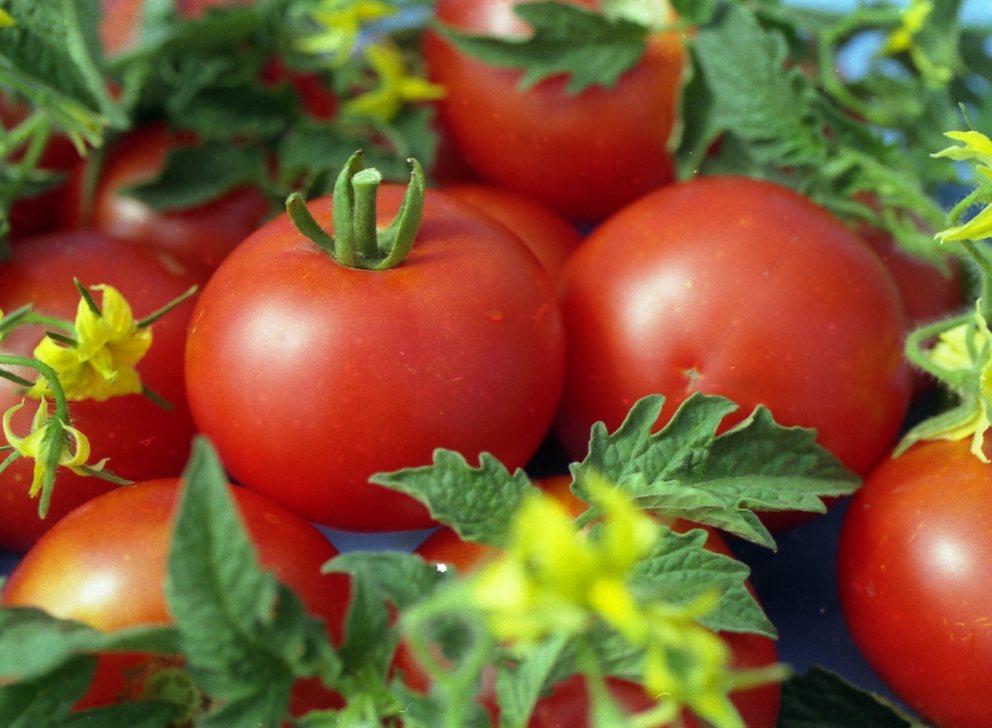
In areas of Siberia with fairly warm summers, seedlings can be transplanted into a greenhouse as early as late April. Seeds for seedlings are sown beginning in late February.
Attention! Only tomato plants that have developed their first pair of true leaves are ready for transplanting.
Into open ground
In areas of Siberia with a milder climate and no permafrost, pre-planting tomato seedlings in large boxes is not necessary. Transplanting is done only after the threat of frost has passed. This typically coincides with the end of June.

How to care for tomatoes in Siberian conditions
Tomatoes require soil preparation. It should be loose, fertile, and have a neutral pH. Cucumbers, cabbage, and zucchini are considered the best precursors.
In the fall, the selected area is dug to a depth of 28 cm and all plant debris is removed. In the spring, the area is loosened again and fertilized.
Regularity of irrigation
It's important to establish a proper watering schedule. Both under- and over-watering will lead to disease. Watering frequency depends on rainfall. Usually, once a week is sufficient. Water tomatoes with warm, settled water in the morning or evening. Be careful not to let water get on the green parts of the plants. Water consumption depends on the variety. Dwarf varieties require 2.5 liters of water, while tall varieties require up to 8 liters.

Loosening and mulching the soil
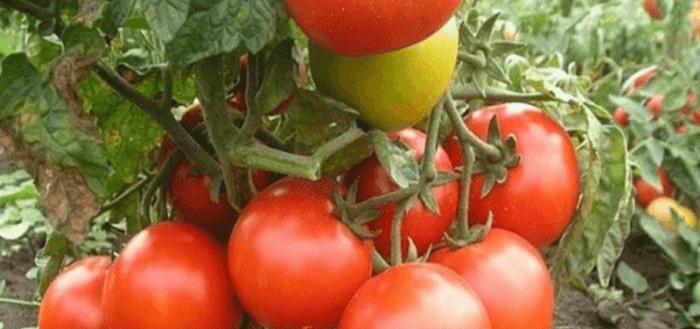
After the seedlings are transplanted to their permanent location, the beds should be watered and mulched with straw or compost. A layer of mulch will retain heat and moisture in the soil and prevent it from cracking. Mulched soil does not require tilling.
Loosening the soil to a depth of 2.5 cm is carried out every two weeks immediately after watering. This procedure promotes better air and nutrient penetration to the roots. The first soil loosening is carried out a few days after planting the seedlings.
When loosening the soil, remove weeds that interfere with the normal development of tomatoes. To strengthen and promote root growth, hilling is recommended simultaneously with loosening.
What fertilizers are needed: methods and timing of application
For tomato plants to thrive in the Siberian climate, it's important to apply the necessary micronutrients correctly and at the right time. Fertilizing is essential at the following stages:
- Immediately after transplanting the seedlings, prepare a solution for watering the roots, consisting of superphosphate and potassium sulfate;
- then a liquid solution based on superphosphate is added before flowering begins;
- at the stage of ovary formation, it is useful to water the beds with a yeast solution;
- During active fruiting, phosphorus and potassium are important.
If you notice that the plant has become wilted, its color has changed, or its growth has stopped, you can additionally water the seedlings with a solution based on wood ash.

In addition to root feeding, foliar fertilizers are applied. These two types of feeding are alternated at 10-day intervals. During flowering, it is useful to spray the seedlings with a solution containing boric acid or superphosphate.
Treatment against diseases and pests
To reduce the risk of infections and insect pests on tomato bushes, you should follow a number of rules:
- do not plant too densely;
- loosen and weed the soil in a timely manner;
- establish a watering regime;
- Apply fertilizers in a timely manner and in the recommended dosages.
Another important condition is the preventive treatment of tomatoes using folk remedies or ready-made preparations.
The most common tomato diseases are late blight, all types of spotting, and powdery mildew. Fungicides such as Maxim, Ridomil, Quadris, Previkur, and Fitosporin can help combat them. Popular folk remedies include formulas based on whey, onion peels, and iodine.
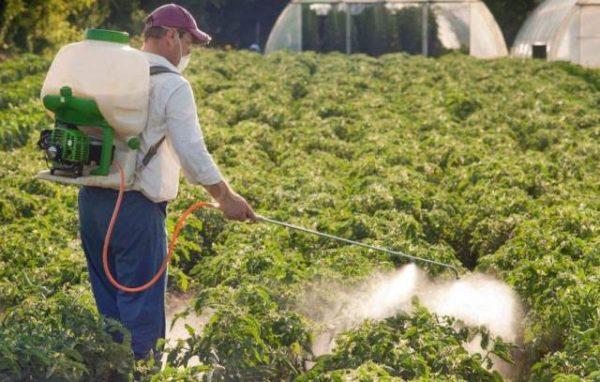
Insects that pose a threat to all tomato varieties include aphids, whiteflies, spider mites, and mole crickets. Insecticides such as Confidor, Aktara, Karbofos, and Fitoverm are used to control these pests.
Useful tips from experienced gardeners
To make growing tomatoes in Siberia less of a hassle, consider the advice of experienced gardeners:
- It is essential to choose varieties that are resistant to cold and sudden temperature changes (it is better to choose varieties that were specially bred for Siberia);
- You need to try to grow healthy seedlings; it is better to sow seeds in separate containers;
- for planting you need to choose a well-lit area, protected from drafts;
- you need to prepare the soil and add fertilizer;
- The plant needs to be watered only at the roots.
If all the rules for planting and caring for tomatoes are followed, then at the end of the growing season you will be able to harvest a large crop of ripe fruits.
Related posts:
 When to plant cucumbers in open ground in Siberia, how to grow them, and the best varieties
 Description and characteristics of the 50 best raspberry varieties for Siberia
 What is the best way to feed tomato seedlings to make them plump?
 Description of 30 grape varieties for Siberia, planting and care for beginners
 Is it possible to soak treated cucumber seeds before planting and how to do it correctly?
 What varieties of tomatoes are best to plant in a polycarbonate greenhouse?
 Guidelines for growing peanuts outdoors in Siberia
 Description and characteristics of the 25 best blackcurrant varieties for Siberia