
- What nutrients does a tomato need?
- Signs of micro and macronutrient deficiency
- How to feed seedlings and mature tomato plants
- Organic remedies
- Mineral preparations
- Complex fertilizers
- How to feed tomatoes using folk remedies
- Nettle
- Mullein
- Chicken manure
- Yeast
- Ash
- Iodine
- How to choose the optimal fertilizer
- For fertile soil
- For depleted soil
- Fertilizer application schemes
- Irrigation of the bush
- Root nutrition
- Timing of introducing fertilizers
- After planting in open ground
- During the flowering period
- During fruiting
Fertilizing tomato seedlings in open ground and greenhouses plays a crucial role in the development of the plant and the formation of a productive harvest. Despite the abundance of specialized products and fertilizers, modern gardeners tend to use more organic matter in their plots, which cannot be said of professional farmers. In any case, it is important to correctly select the composition and proportions of the necessary components to provide tomatoes with complete nutrition.
What nutrients does a tomato need?
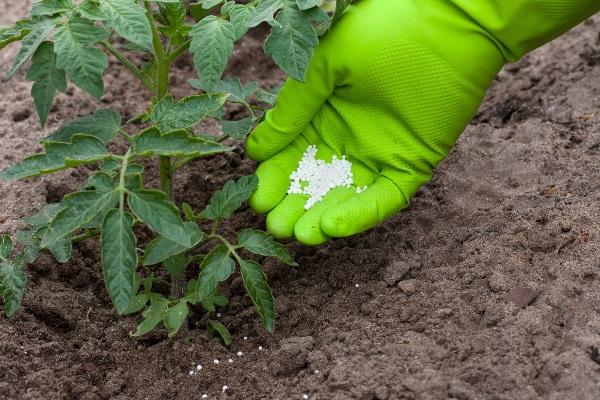
When planting tomato seedlings in the garden, they require nitrogen. For this purpose, it is recommended to add saltpeter to the soil. Also, at the very beginning of development, the soil is fertilized with the following fertilizers:
- superphosphate;
- ash;
- compost.
During the growing season, tomatoes consume many useful substances from the soil:
- nitrogen;
- phosphorus;
- potassium;
- magnesium.
To replenish them, complex mineral fertilizers are systematically applied according to a specific schedule. The frequency of fertilizing directly depends on the conditions in which the seedlings are grown.
Signs of micro and macronutrient deficiency
Tomatoes show external signs of nutrient deficiencies in the soil. The lower leaves are affected first, and then the entire plant. If the soil lacks nitrogen, the lower leaves discolor, their edges scorch, and eventually fall off. New foliage emerges yellowed, with characteristic red-blue veins. Its size decreases significantly.
A phosphorus deficiency is manifested by darkening of the leaf blades, which turn blue, with the undersides taking on a purple tint. The leaf itself curls, growing at an acute angle to the stem. A potassium deficiency causes the foliage to turn dark green, with a yellow rim forming along the edges, resembling a burn. Young leaves curl inward.
If the leaves begin to turn yellow between the veins, after which the affected areas become brown or gray, and over time the leaf curls upward and falls off, this indicates a lack of magnesium in the soil.
Darkening and enlargement of older tomato foliage, as well as pale yellow spots on young leaves, indicate a calcium deficiency. This can ultimately lead to blossom-end rot.
How to feed seedlings and mature tomato plants
Tomatoes require several types of fertilizers to help ensure the soil has sufficient nutrients and microelements necessary for growth and development.
Organic remedies
As organic fertilizers for tomatoes, gardeners most often use:
- bird droppings;
- humus;
- compost;
- manure;
- vermicompost;
- sawdust;
- peat.
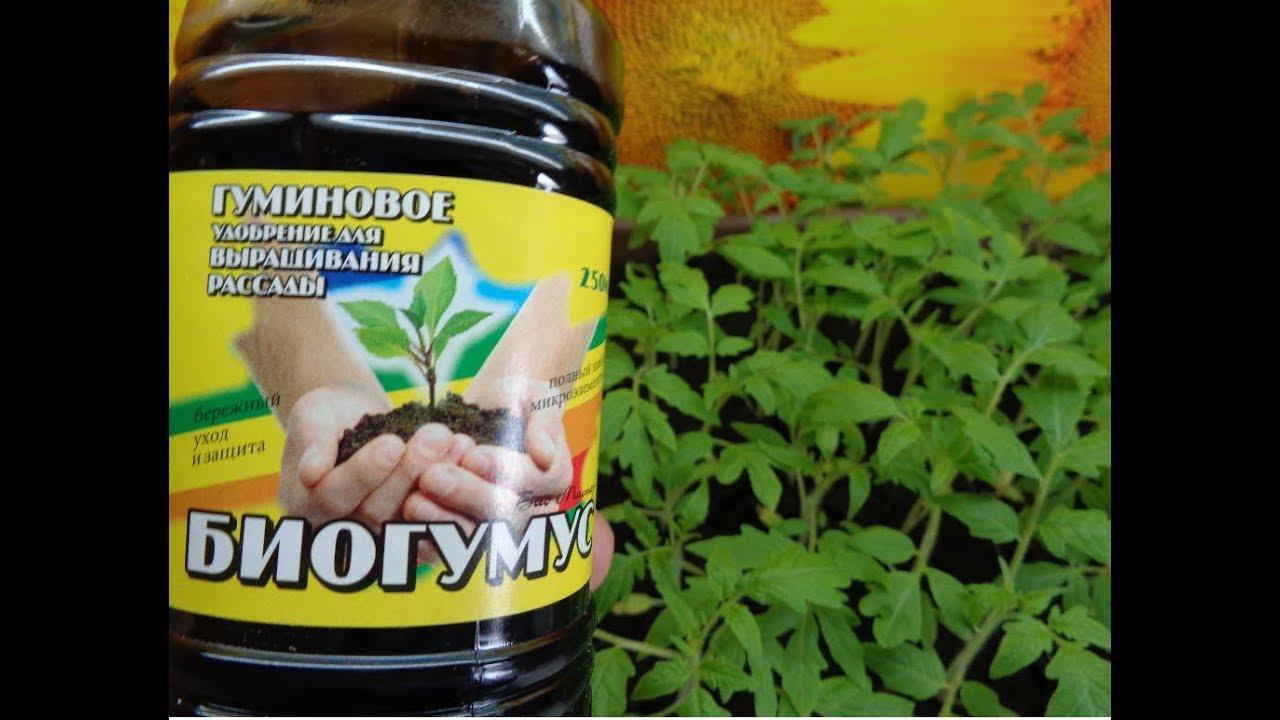
It's worth keeping in mind that most of the fertilizers on this list are only effective for mature tomato plants, whether planted in a greenhouse or outdoors. Seedlings are fertilized with vermicompost, a convenient form of application.

Mineral preparations
Mineral fertilizers available on the market are categorized as single-, dual-, triple-, and complex. The latter contain not only the nitrogen, phosphorus, and potassium essential for tomatoes, but also many beneficial microelements. This option is ideal for novice gardeners who don’t know what exactly to feed their tomatoes with, but have experienced the need to do so.
If it becomes known that plants are experiencing a deficiency of a particular element, then a single-component fertilizer is used to compensate for this deficiency.
Complex fertilizers
Complex fertilizers are supplied in three main types:
- liquid fertilizers;
- granular composition;
- soluble powder.
Liquid fertilizers are the most convenient to use, but they are the most expensive. However, they contain a substance that increases tomato resistance to disease. Water-soluble granules or powder easily dissolve in the required amount of liquid. The resulting fertilizer is then watered onto the tomatoes.
Iron, often found in complex fertilizers, is present in a form difficult for plants to absorb. If chlorosis is detected, it's best to supplement with a chelated form of this element.
How to feed tomatoes using folk remedies
Not all gardeners use chemical fertilizers to fertilize their plants these days. Healthy gardening advocates prefer to use folk remedies for this purpose.
Nettle
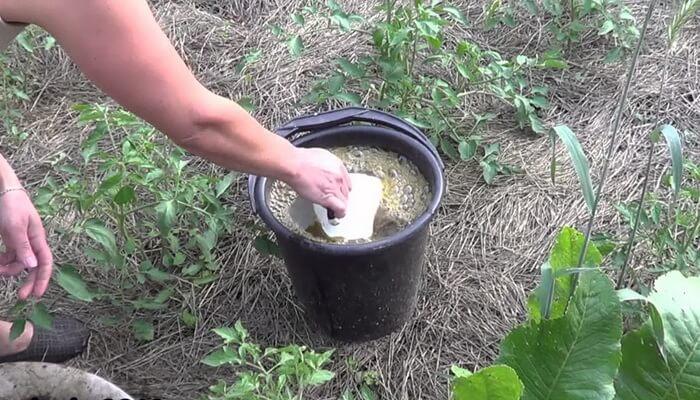
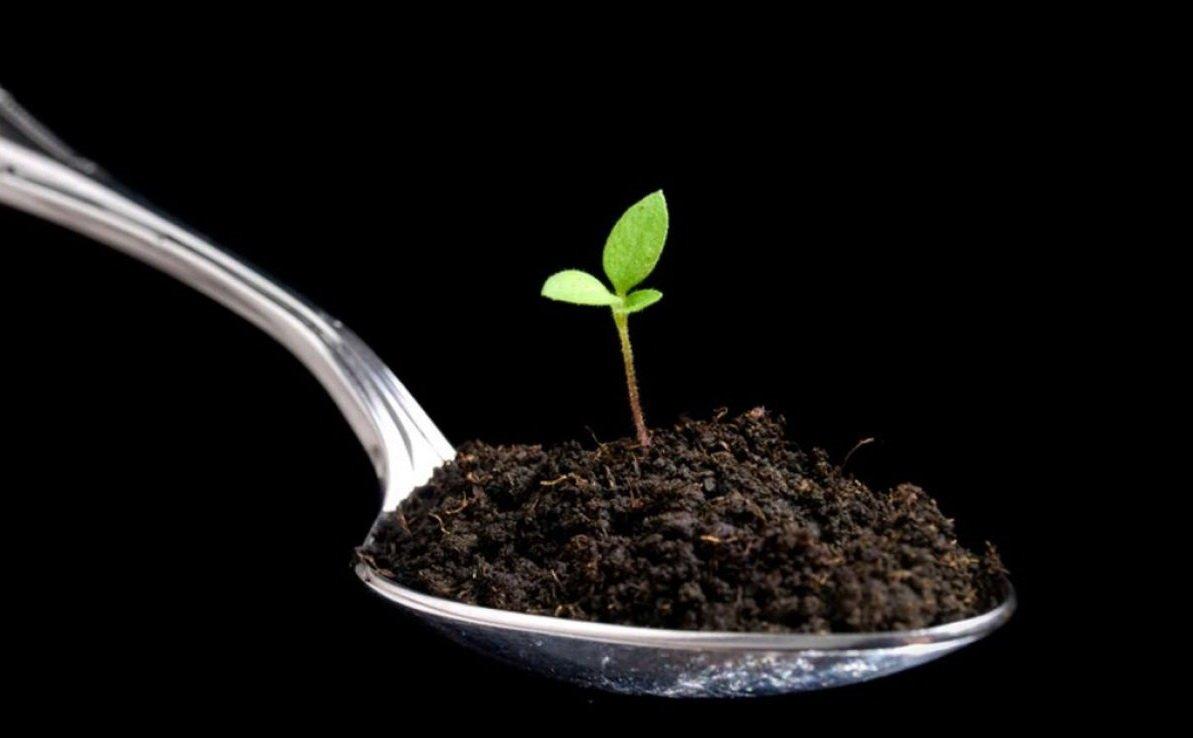
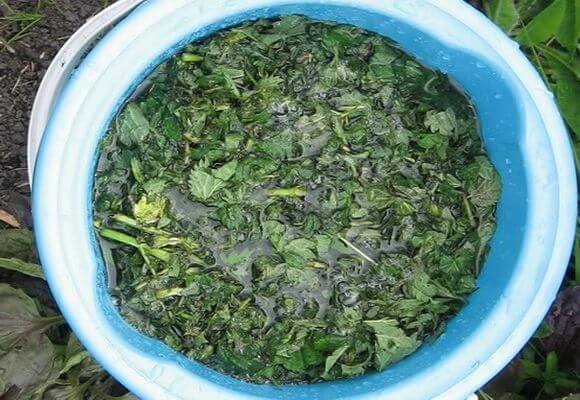
Nettle fertilizer for tomatoes is applied immediately after transplanting the plants into the garden beds, as it enriches the soil with nitrogen. To prepare the nutritious infusion, take a 10-15 liter bucket and fill it with nettles until it's 70% full. Pour any jam (expired jam is fine) into the green mass to promote lactic acid bacteria. Add water and 0.5 liters of Baikal EM.
Cover the container with plastic wrap and leave it to steep for a week. Stir the contents thoroughly daily. The nutrient mixture is ready when the nettles have decomposed and a characteristic odor appears. Dilute 1 cup of the resulting fertilizer. in a bucket of water and water the tomatoes.
Mullein
Mullein is the most complete organic fertilizer in terms of chemical composition. To prepare a beneficial solution, you'll need a 10-15 liter plastic container and fresh cow manure. Fill the container with a quarter of the pellets, then fill it to the top with water. Cover the container and let it steep for a week. It is important to remember that unfermented fertilizer contains uric acid, which severely burns plant roots. Add 1 liter of prepared fertilizer to 10 liters of water and water the tomatoes.
Chicken manure
The beneficial components contained in chicken manure are easily absorbed by tomatoes. It is advisable to apply the first fertilizer immediately after transplanting the plants into the garden beds. To prepare the nutrient mixture, use 1 part manure to 10 parts water (rainwater is best). Apply no more than 1 liter of fertilizer per plant. Exceeding the dosage or concentration will negatively impact the growth and development of the seedlings.
Yeast
The nutrient infusion is prepared in a 5-6 liter plastic bottle. First, add water heated to no more than 38°C. Then, add 2 packets of dry yeast (any brand) and 20 tablespoons of sugar. Mix everything thoroughly and leave for 8 hours in a warm place. It's best to prepare the fertilizer in the morning so you can feed the tomatoes in the evening. Before watering, dilute the fertilizer at a ratio of 3 parts mash to 7 parts water. Apply 1 liter of fertilizer to each tomato.

Ash
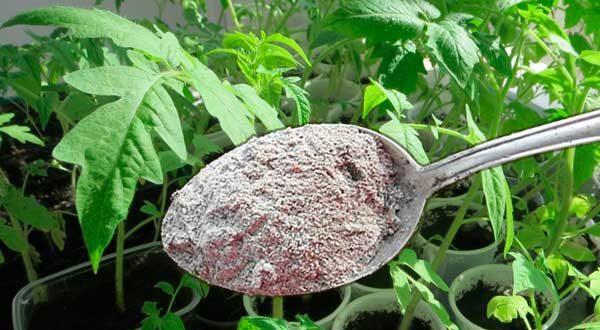
Ash not only helps replenish nutrients in the soil but also protects tomatoes from disease. The first feeding is done two weeks after transplanting the seedlings into the garden bed. An ash infusion is quickly prepared as follows: Take an 80- to 100-liter container and fill it with water. For every 10 liters, add 0.5 liters of ash. Mix thoroughly. Pour 0.5 liters of fertilizer under each tomato plant. This provides the tomatoes with the necessary potassium, phosphorus, and calcium, which are quickly absorbed.
Iodine
Iodine helps tomatoes absorb nitrogen from the soil. No more than three applications are made during the growing season. The first application is made as soon as two true leaves appear. The second application is made during fruit set, and the third during the period of active fruiting. The fertilizer is applied both under the roots and by spraying on the leaves. To prepare the solution, take 3 liters of water and 1 drop of iodine, mix thoroughly, and apply 1 liter of the beneficial solution under each plant.
How to choose the optimal fertilizer
Tomatoes planted in fertile soil still require certain nutrients. Even well-fertilized soil does not contain the full range of micro- and macronutrients necessary for a bountiful tomato harvest.
For fertile soil
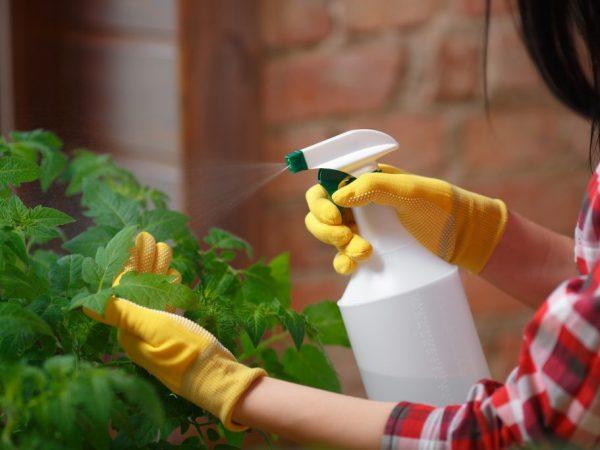
Fertile soil already contains sufficient nutrients, but tomatoes consume most of them during the growing season. Experienced gardeners incorporate organic matter into their beds in the fall to ensure they receive the nutrients they need in the spring. fertilizers for tomatoes.
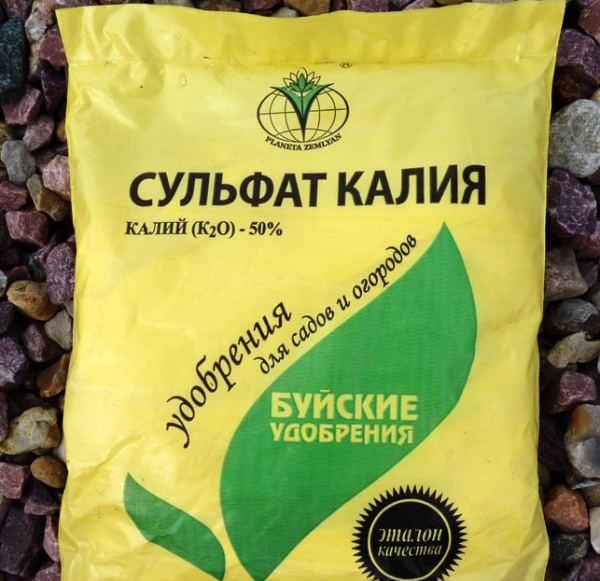
To improve the soil structure in the area, it is recommended to apply phosphorus and potassium fertilizers in the fall. At the same time, the area should be deeply dug. After planting, the first fertilizer should not be chicken manure or cow manure, which have high nitrogen content. Otherwise, the tomatoes will actively grow foliage but will not form flower stalks or ovaries. Superphosphate and potassium sulfate can be included in the first fertilizer.
For depleted soil
In depleted soils, tomatoes require the addition of nitrogen fertilizer. Liquid fertilizer is primarily used, which can be made from chicken manure. The fertilizer is diluted 1:15 with water, then a small amount of superphosphate is added, and the tomatoes are watered with the resulting mixture. Finally, the soil under the tomatoes is sprinkled with wood ash. Fresh cow manure, grass, and ammonium nitrate can be used instead of chicken manure.
To feed tomatoes growing in poor soil, yeast is used, which contains many useful elements. When released into the soil, yeast not only destroys pathogenic bacteria, but also promotes the rapid processing of biological material. As a result, the soil is enriched with potassium and nitrogen.
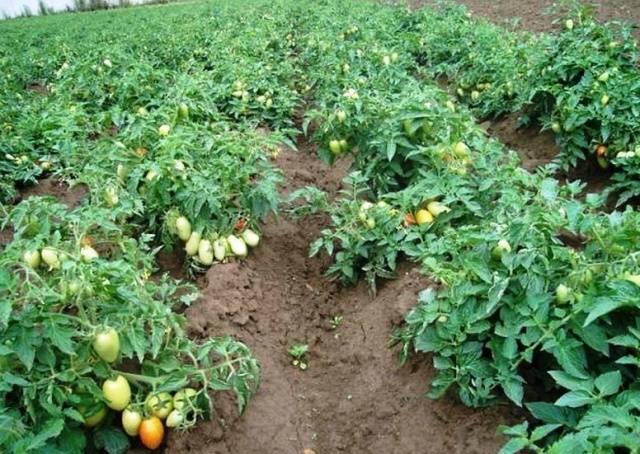
The second feeding of tomatoes in a depleted area is carried out using urea, and the third - complex mineral fertilizers.
Fertilizer application schemes
Gardeners use various methods and schedules when applying fertilizer to tomato plants. Preference for one method or another depends not only on the fertilizer but also on personal preferences based on experience.
Irrigation of the bush
Irrigation of tomato plants is used when root fertilizers don't produce the desired results quickly. This method is also used if the soil is predominantly acidic or if the soil moisture level prevents the application of fertilizers directly to the roots. The plant's root system may be damaged or injured. In this case, applying nutrients directly to the soil is also pointless.
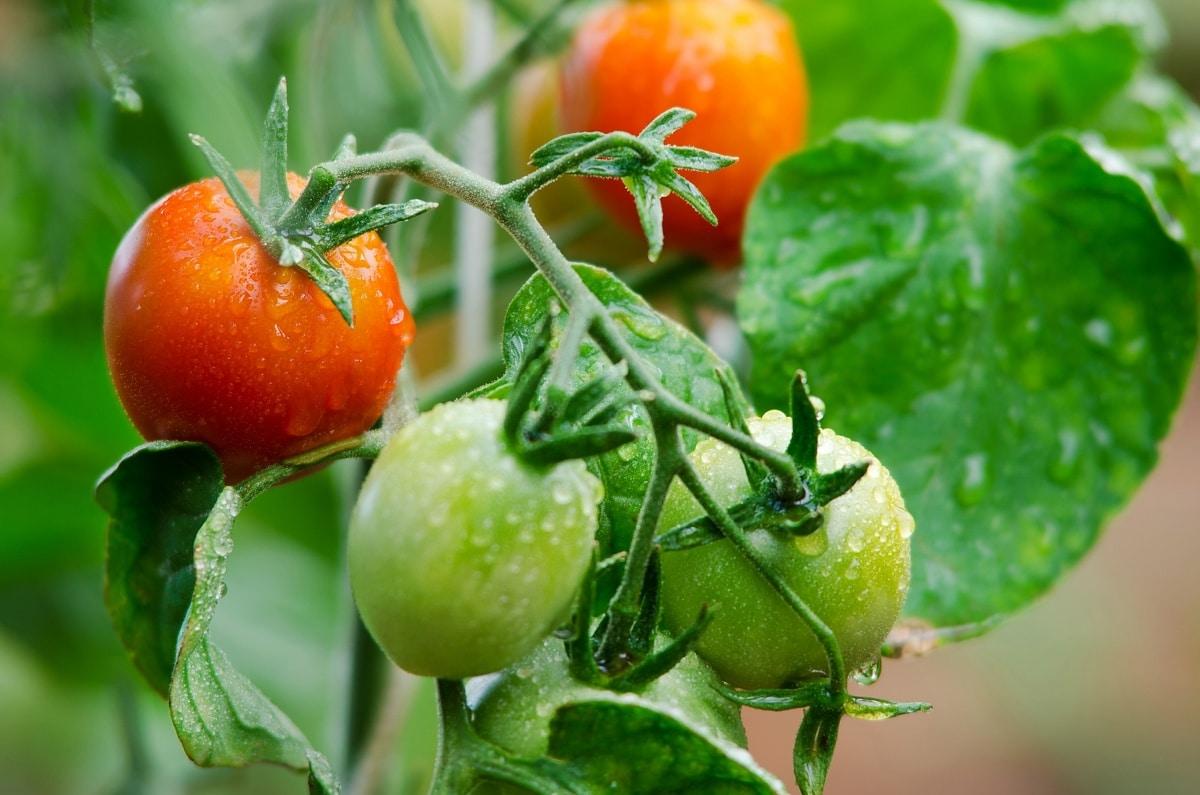
When irrigated, tomatoes absorb nutrients more quickly, gain strength, form more ovaries, and better resist pathogens.
Root nutrition
Both dry and liquid fertilizers are used for root feeding of tomatoes. Dry fertilizers can be applied before winter, while liquid fertilizers can be applied at a scheduled time. The advantage of this method is its convenience and ease of use. This technique also helps enrich the soil with beneficial components, allowing plants to absorb them gradually and in the amount they need.
Timing of introducing fertilizers
Proper care of tomatoes involves not only pinching, tying and watering, but also timely application of fertilizers.
After planting in open ground
During the first week after planting tomatoes in the garden, foliar feeding is performed by spraying the plants with a solution of whey, water, and iodine. Use 1 liter of whey and 10 drops of iodine per 9 liters of water.
The first root feeding is carried out only three weeks after transplanting the plants to their permanent location. In this case, use Ideal fertilizer, nitrophoska (1 tablespoon each), and 10 liters of water. Pour 0.5 liters of the nutrient mixture under each bush.
During the flowering period
During flowering, root feeding is preferred. For this, use Agricole-Vegeta fertilizer and superphosphate (1 tablespoon each), potassium sulfate (1 teaspoon), and 10 liters of water. One liter of the nutrient mixture is used per tomato plant. Another equally effective fertilizer, Senor Pomidor, is diluted in 10 liters of water and also applied to the roots. Foliar feeding is done with a less concentrated solution of this fertilizer.
During fruiting
During fruit formation, tomatoes require a lot of vitamins and microelements. During this period, gardeners try to apply complex mineral fertilizers or dissolve 1 tablespoon of superphosphate in 10 liters of water and water the beds generously with the resulting fertilizer at a rate of 1 m2.2 10 liters of solution.
Related posts:
 What is the best way to feed tomato seedlings to make them plump?
 What fertilizers and when to use for feeding tomatoes in a greenhouse
 Description of the best varieties of black tomatoes for open ground and greenhouses
 15 simple recipes for pickling tomatoes in jars for the winter
 What is the best way to mulch tomatoes in open ground and greenhouses?
 How to make yeast fertilizer for tomatoes in a greenhouse and open ground
 How to feed tomato seedlings after transplanting
 How to grow cherry tomatoes on a balcony: suitable varieties and planting and care guidelines
Before planting tomatoes, fertilize and loosen the soil thoroughly. If it contains all the necessary micronutrients, the seedlings will be resistant to various diseases. Organic fertilizers should be used sparingly.