
- Why is it necessary to feed seedlings after picking?
- Methods of application
- Root
- Foliar
- Store-bought fertilizers
- Organic fertilizers
- Mineral fertilizers
- Stimulant drugs
- Traditional methods
- Onion peel
- Coffee
- Eggshell
- Banana peels
- Ash
- Iodine solution
- Hydrogen peroxide
- Application schedules
- Rules for the implementation of the procedure
Fertilizing tomato seedlings with organic and mineral fertilizers after transplanting is essential for a bountiful harvest. After transplanting, seedlings are most vulnerable and require additional nutrients.
Why is it necessary to feed seedlings after picking?
The answer to the question "Do tomato seedlings need to be fed after transplanting?" is yes. After transplanting, tomatoes need time to acclimate to their new location and get stronger as quickly as possible. Tomatoes are kept indoors for approximately 40-65 days, and a small pot or cup is hardly ideal for growing conditions. Therefore, seedlings require additional feeding.

Methods of application
There are several ways to fertilize tomatoes after transplanting. These include foliar and root feeding. Foliar feeding involves spraying the tomatoes along with their foliage. Root feeding involves applying fertilizer to the roots of the seedlings.
Root
Root fertilizer is applied directly to the roots of seedlings. The leaves are not affected. Root fertilizers are most often mineral-based. When applying root fertilizer, avoid allowing the fertilizer to come into contact with the leaves. This can cause burning.
Foliar
Foliar feeding is characterized by the fact that the bushes are sprayed along with the foliage. In this case, the concentration of fertilizers should be less. With foliar application of nutrients, they immediately penetrate into plant tissues.

Store-bought fertilizers
There are many fertilizers you can use to feed tomato seedlings after transplanting. The right fertilizer depends on the stage of growth they're at.
Organic fertilizers
The most commonly used organic substances are:
- yeast;
- urea;
- bird manure;
- mullein;
- infusions based on weeds.
Organic fertilizers are diluted in warm water. It is recommended to use fertilizers in as dilute a concentration as possible to avoid burning the roots and leaves.
A weed infusion is made as follows: 200 g of weeds are crushed and covered with warm water. The fertilizer is left to sit for 2-3 days in a warm place. Strain the finished fertilizer and dilute it with water. Water the plants at the roots. If using manure or poultry dung, it must be well-rotted.
Take a look Also


Mineral fertilizers
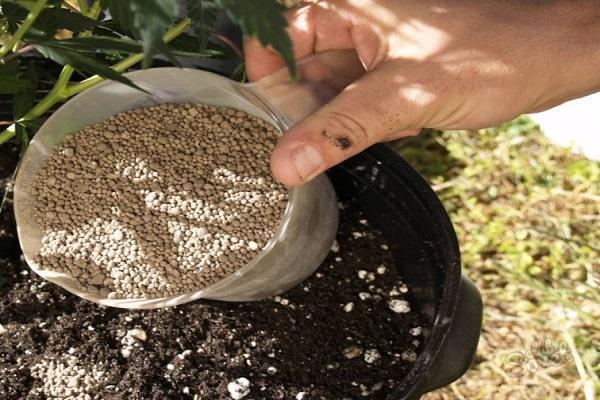
To help the bushes acclimate to their new location and strengthen faster after transplanting, add mineral fertilizers to the soil. Nitrogen, potassium, and phosphorus fertilizers are best during this period.
Mineral fertilizers for tomatoes after picking:
- Nitroammophoska. This fertilizer contains nitrogen, phosphorus, and potassium. Nitroammophoska is diluted in warm water and the resulting solution is applied to the tomato plants. This fertilizer is used after transplanting tomato plants to their permanent location.
- Superphosphate. Superphosphate is used to promote active growth and foliar mass development in agricultural crops. To prepare the fertilizer, take 55 g of superphosphate, 25 g of ammonium nitrate, and 35 g of potassium sulfate. Mix all ingredients thoroughly and apply the solution to the roots.
- Humic fertilizers. Humic fertilizers have a positive effect on plant growth and reduce the amount of harmful substances in fruits. These substances are combined with nitrogen and organic components.
Of the mineral fertilizers, both complex fertilizers and those consisting of a single substance are suitable.
Stimulant drugs
Stimulant drugs include:
- Epin-Extra. This product is used to reduce toxins in fruits and seeds, as well as to stimulate seedling growth after transplanting and planting in a permanent location. After using Epin-Extra, tomatoes become more resilient to cold snaps and prolonged rains.
- "Zircon." Promotes increased fruit set and has a beneficial effect on root growth. It also acts as a preventative against powdery mildew in seedlings. "Zircon" is also used when transplanting seedlings to their permanent locations.
- Kornevin. Kornevin stimulates root growth in seedlings and boosts the immune system of tomatoes.
When using tomato stimulants, it is important to strictly follow the instructions on the packaging.

Traditional methods
Folk methods for fertilizing tomato seedlings after transplanting are no less effective than mineral supplements. Moreover, finding the ingredients for these folk fertilizer recipes is easy—just look in your kitchen.
Take a look Also

Onion peel
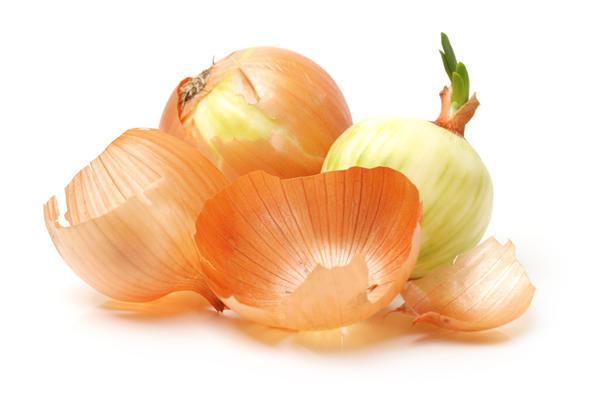
Onion peels are used to feed seedlings after transplanting. To prepare an infusion, use dried onion peels. The infusion shouldn't be too concentrated. Pour 70 g of onion peels into 2 liters of water. Bring to a boil over medium heat. Once the water boils, reduce the heat and simmer for 10 minutes. Allow the infusion to cool slightly.
Strain the infusion, dilute it with a small amount of water and water the seedlings in the usual way.
Coffee
Coffee grounds can also be an excellent fertilizer for tomatoes after transplanting. Only used coffee grounds should be used; fresh ones are highly acidic, which can harm the seedlings.
Coffee grounds are mixed with soil and the resulting mixture is filled into peat pots. The seedlings are then planted in them.
Another method is to sprinkle the grounds on the surface of the soil in a container with tomatoes and water the soil with warm water. Coffee grounds release nitrogen, which is essential for active plant growth.
Eggshell
After picking, tomatoes can be fed with eggshells.
Preparation of fertilizer based on eggshells:
- Crush 3-4 shells.
- Pour 2 liters of water over the raw materials.
- Leave to infuse for 2-3 days.
- Strain the fertilizer and water the seedlings.
This type of fertilizer is used during the hardening of tomatoes before planting them in a permanent location.

Banana peels
Banana peels contain a high amount of potassium, which is essential for tomato growth. Prepare the fertilizer as follows:
- Take the peels from 2 bananas.
- Chop it with a knife or in a blender.
- Place the crushed peel into jars.
- Fill to the brim with warm water and leave to infuse for 3 days.
- Strain the liquid from the skins.
Water the seedlings as usual. After several waterings, the seedlings will noticeably strengthen and grow taller.

Ash
Wood ash can be used both dry and in solution. Dry ash is simply sprinkled on the soil and then watered with plain water. Alternatively, it can be diluted in warm water and watered as usual. Water the seedlings with ash several times a week after transplanting.

Iodine solution
Iodine-based fertilizers are suitable for tomato seedlings after transplanting. To prepare the fertilizer, use a small amount of iodine to avoid burning the root system and destroying beneficial bacteria in the soil. Two drops of iodine are needed per 3 liters of warm water. Watering should begin a few days after transplanting. Before applying the iodine solution, moisten the soil around the stems with a small amount of water.

Hydrogen peroxide
Hydrogen peroxide is often used not only as a disease remedy but also as a fertilizer. Dilute 2 tablespoons of hydrogen peroxide in 2 liters of warm water and water the plants at the roots.

Application schedules
After picking, tomato seedlings are fed 3-4 times.
When to apply fertilizer to the soil:
- The first feeding is carried out 10 days after transplanting the seedlings into pots.
- After two weeks, a second feeding is carried out. Nutrients are applied under the roots.
- After another 2 weeks, foliar feeding is applied.
Overfeeding seedlings is not recommended. Excess nutrients in the soil will cause the plants to stretch upward.
Rules for the implementation of the procedure
When preparing fertilizers according to traditional recipes, use only warm water. Watering tomatoes with cold water is not recommended. Mineral fertilizers are applied to the roots. When applying peroxide and iodine, avoid allowing the liquid to come into contact with the leaves. Water the plants in the evening. If applying fertilizer during the day, be careful not to let the liquid come into contact with the leaves. Seedlings can get burned through glass.
Related posts:
 What is the best way to feed tomato seedlings to make them plump?
 The best eggplant varieties for growing in a polycarbonate greenhouse: planting and care
 Is it possible to grow tomato seedlings without picking them? How to plant them?
 What can you feed peppers with after planting them in the ground? Mineral and organic fertilizers.
 When and how to properly transplant tomato seedlings, the best days in 2025
 How and when to transplant cucumbers in a greenhouse and open ground
 What is the best way to feed carrots? Fertilizers and preparations, using folk remedies.
 How and what to feed watermelons in open ground after planting, during flowering