
All plants require mineral and organic fertilizers. Gardeners and vegetable growers use a wide variety of substances for this purpose. Using yeast as a fertilizer can achieve a number of positive effects. This composition enriches crops with valuable nutrients, improves their growth and development, and increases yields. It is important to follow the instructions for use.
Description and varieties
Yeast is a living organism. Essentially, it is a single-celled fungus with ovoid cells. They can only be seen under a microscope. Yeast feeds primarily on sugar. Their byproduct is carbon dioxide.
To make a healthy supplement, you need to buy baker's yeast. There are different types. The most common options include:
- Fresh or compressed. This type of yeast resembles bricks in appearance. It is sold in 50- or 100-gram packages. The color varies from milky to creamy brown. The composition has a distinctive play-dough consistency. When broken, high-quality yeast crumbles rather than falls apart.
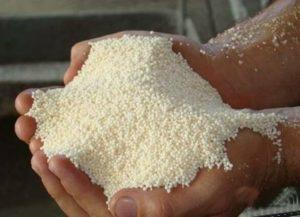
- Dry or active yeast. They resemble beige granules in appearance, sometimes in the form of balls or sticks. These yeasts are most often sold in 100-gram packets.
Pros and cons of yeast supplements
Using yeast supplements offers a number of advantages. These include:
- improving soil composition;
- stimulation of plant growth;
- accelerating plant adaptation after transplanting and picking;
- stimulation of green mass growth;
- strengthening the immune system and increasing resistance to diseases and pests;
- improving the taste of fruits.
However, yeast supplements do have some drawbacks. The main disadvantages include the following:
- leaching of potassium and calcium from the soil – these elements need to be added additionally;
- can only be used on soil rich in organic matter, otherwise the yeast will not produce results;
- the risk of soil depletion due to the processing of all organic matter - this threat arises when fertilizing too frequently.
How to prepare fertilizer correctly
There are several ways to prepare yeast solution. The specific method recommended depends on the type of product being used.
From dry
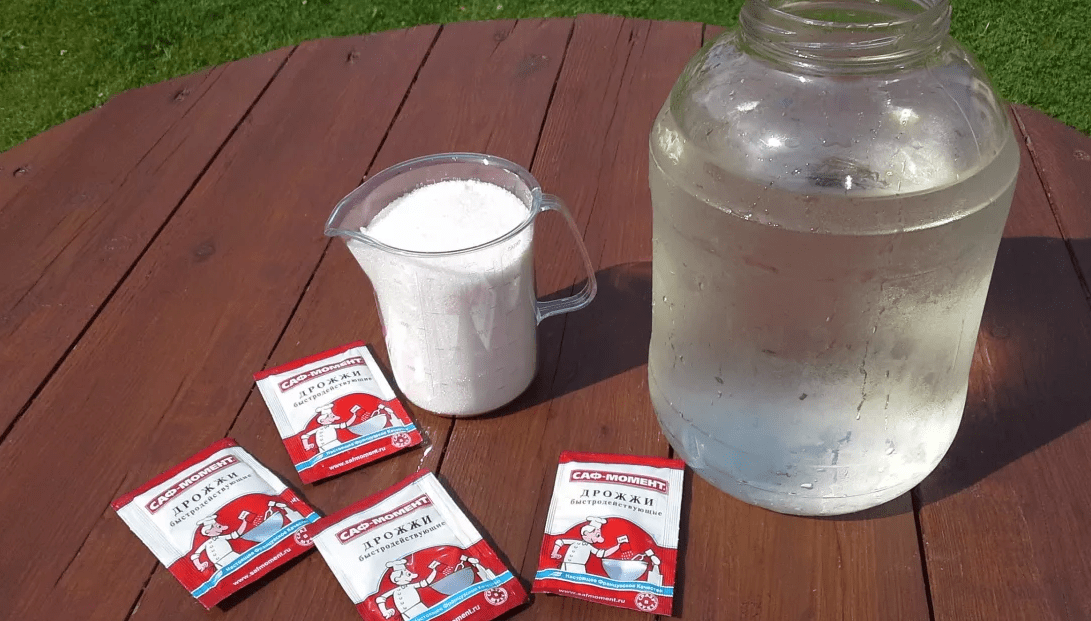
Dry yeast should be diluted with clean water. It is recommended to use 10 liters of water per 10 grams of product. Then, add 2 tablespoons of sweetener. The yeast should be left to steep for 2-3 hours in a draft-free area, after which it should be used immediately.
From fresh yeast
To make an effective fertilizer, take 200 grams of raw yeast and 1 liter of water. Pour the crushed yeast into the liquid, mix well, and let it steep for 2-3 hours. Pour the finished product into a deep container and add clean water to bring the volume up to 10 liters.
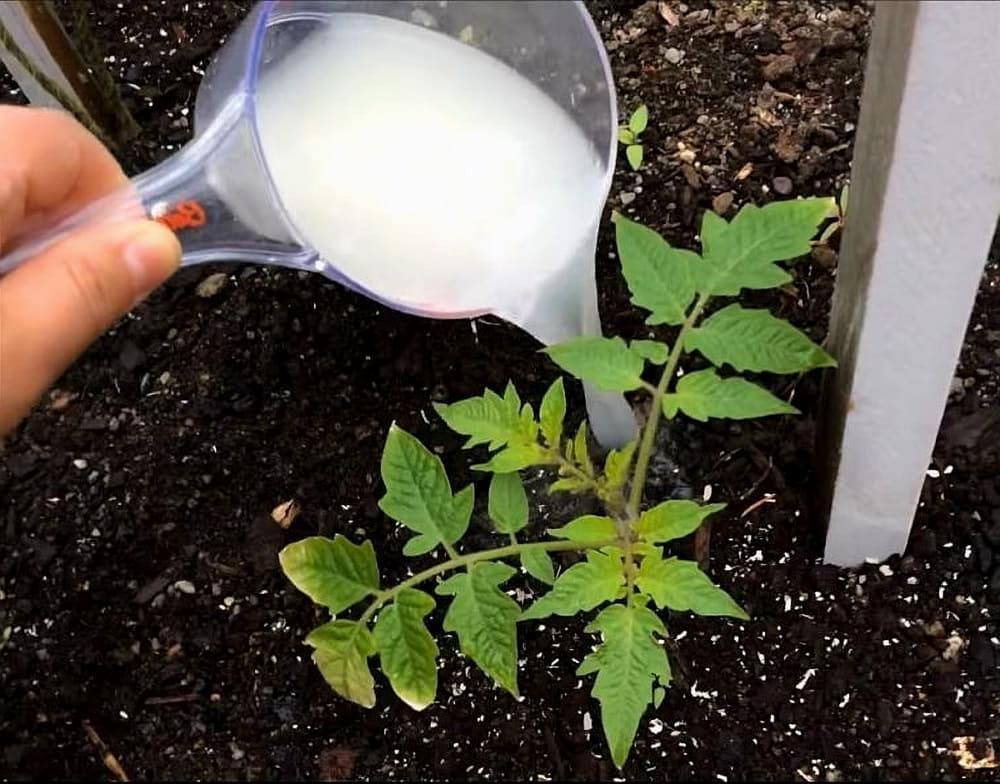
Fresh yeast does not need to be activated with granulated sugar. However, it can be added to enhance the fermentation process. Once the solution has steeped, it can be used immediately.
Rules for fertilizing crops
To ensure that the product produces the desired results, it is important to strictly follow the instructions for its use.
Beet
A universal solution can be used for beets. Grind 200 grams of raw yeast and mix it with 1 liter of warm water. Stir, let it steep, and add water to make 10 liters of solution. Use 3 liters of the solution per square meter of beds. The solution can be applied three times per season.
Carrot
To feed carrots, we recommend taking compressed yeast and crumbling it into a bucket filled with warm water. After mixing the ingredients, add a few spoons of sugar. This beneficial garden fertilizer should be left to infuse for 24 hours. Afterward, use it to water the carrots. Use at least 500 milliliters of solution per plant.
Grape
For grapes, yeast can be used 2-3 times during the season. To do this, dissolve baker's yeast in a 5-liter bucket and add 2 tablespoons of jam. Leave the mixture in the sun for 2 hours to ferment. Then, mix it with 10 liters of water every 500 milliliters.
Flowers
Yeast helps stimulate flower growth. To prepare a beneficial mixture, take 10 grams of dry yeast, 2 tablespoons of sugar, 2 grams of ascorbic acid, and 10 liters of water. Let the mixture steep for several hours. Then, it can be used to water indoor and outdoor plants.
Raspberry
This shrub can be fertilized with both fresh and dry yeast. The easiest way is to make a granular mixture. Mix 10 grams of yeast with 5 tablespoons of sugar. Then add 10 liters of room-temperature water to the mixture. Let the mixture steep for 2 hours, then dilute with water in a 1:5 ratio.
Zucchini
Yeast fertilizers are well suited for zucchini. In this case, it's recommended to combine them with ash. This will encourage the plants to actively develop roots and produce more fruit. To achieve the desired result, mix 100 grams of raw yeast with 500 milliliters of warm water. Then, add the starter to one bucket of water, and you can begin watering the crop.
Eggplants
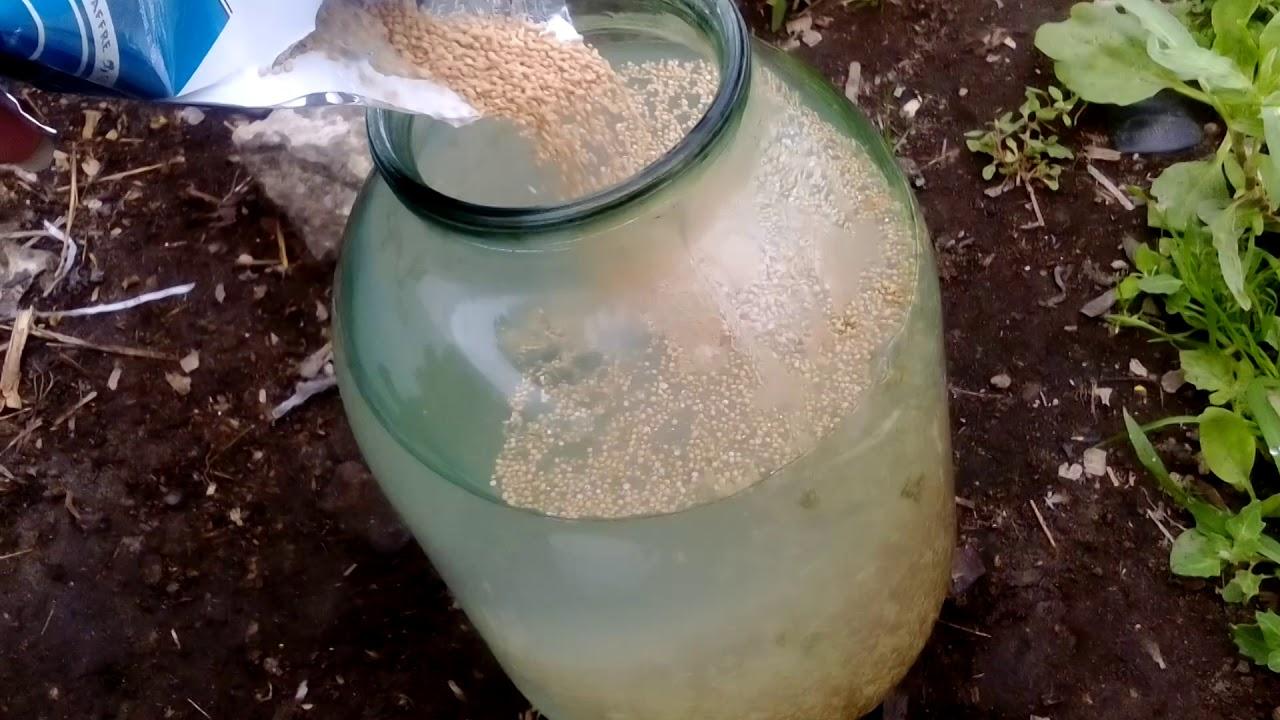
Using yeast fertilizer for eggplants improves their growth and increases yield. To prepare an effective fertilizer, it's best to mix various herbs, such as plantain, nettle, and hops. Then, add 500 grams each of bread and yeast to the main ingredients. Then, add 50 liters of water and let the mixture steep for two days.
Other
Yeast fertilizers are also great for other plants:
- Cabbage. For this crop, mix 12 grams of yeast, 100 grams of sugar, and 3 liters of warm water. Let the mixture steep for 7-8 days. Then, every 250 milliliters of the infusion should be mixed with 10 liters of water and used to water the cabbage.
- Strawberries. Yeast fertilizer significantly increases plant yield. To prepare the fertilizer, dilute 100 grams of yeast in 5 liters of water. The mixture is ready to use after 24 hours. To do this, mix every 500 milliliters of the product with one bucket of water.
What crops are they not suitable for?
Despite the obvious benefits of yeast fertilizers, they are not always suitable for use. The composition is contraindicated for potatoes and onions. It will spoil the taste of the fruit and significantly reduce the shelf life of the harvest.
Common errors
When using yeast fertilizers, many gardeners make the following mistakes:
- The fermented infusion is used. It loses its properties and is of no use.
- They use old yeast, which does not produce any effect.
- Use fertilizer for dry soil.
- They use too concentrated an infusion.
- Fertilizing greenhouse plants can cause root burn.
Yeast supplements are considered highly effective, producing excellent results in crop growth. To achieve the desired results, it's important to strictly follow the instructions for use.