
- Can peppers be watered with iodine?
- When is iodine supplementation required?
- Advantages and disadvantages of using
- Preparation of the solution: norms and dosages
- Instructions for use
- Seed treatment
- Watering seedlings
- Fertilizing an adult plant
- Pest and disease control
- What is the recommended combination with this drug?
- Boric acid
- Dairy products
- Yeast
- Mustard
- Safety precautions
- What can replace iodine?
- Hydrogen peroxide
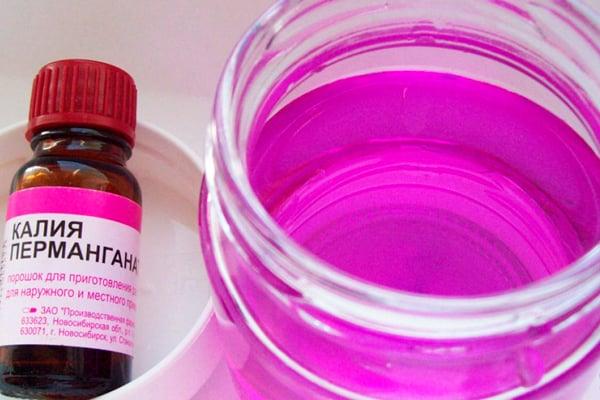
- Potassium permanganate
- Reviews
Growing peppers is easy for gardeners, provided the conditions are optimal. Watering and fertilizing the soil are sufficient. But what if you don't want to use store-bought chemicals? In that case, iodine comes to the rescue, as it can be used both as a fertilizer and as a remedy for infections. We'll explore the proper proportions and folk remedies below.
Can peppers be watered with iodine?
Yes, you can. Moderate use of iodine as a fertilizer allows you to:
- saturate the plant with essential substances;
- prevent the occurrence of diseases specific to a given crop;
- grow larger fruits;
- increase the concentration of vitamin C in final products during their ripening process.
The most important thing is to stick to the correct dosages and regimen.
When is iodine supplementation required?
Top dressing is carried out in cases where it is necessary:
- stimulate pepper growth;
- strengthen his immune system to fight diseases;
- to increase the benefits of the product;
- when grown in unfavorable conditions, on poor soils.
In other cases, iodine is not required and is used at will.
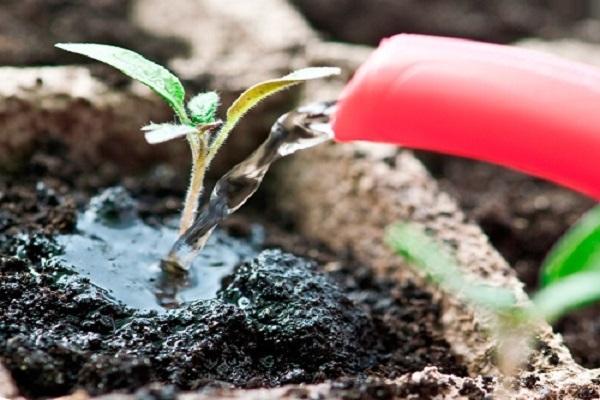
Advantages and disadvantages of using
The benefits of using iodine as a plant fertilizer include:
- Strengthening the immune system is an excellent preventative measure that helps reduce the risk of crop infection.
- Improving the quality of the harvest.
- Does not contain unwanted chemicals that can harm the human body.
- It is inexpensive and used in small doses, which helps save money.
- Equally effective both in open ground and in greenhouses;
Cons:
- If the dosage is exceeded, it can have a negative effect, killing the plant.

Preparation of the solution: norms and dosages
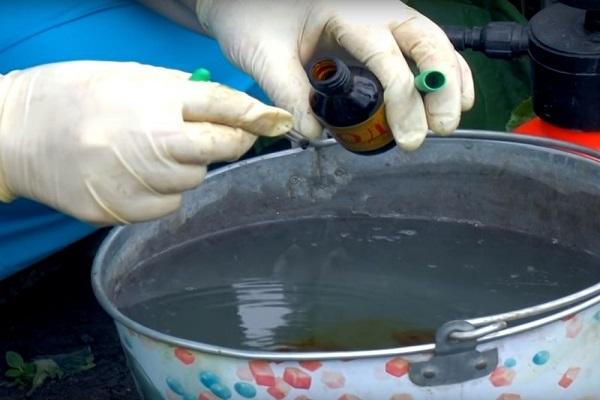
An iodine-based solution to combat diseases common to peppers is made as follows:
- take 40 drops of iodine tincture;
- 10 liters of water;
- one tablespoon each of whey and hydrogen peroxide;
- mix the ingredients;
- We treat the bushes with the liquid. It is advisable to use a sprayer to ensure effective application of the medication.
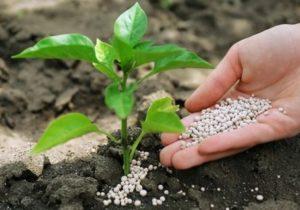
During the pepper fruiting period, fertilizer consisting of the following is added to the soil:
- 10 liters of liquid;
- 10 drops of iodine.
Please note! The amount of iodine you need depends on the season and your intended use.
Instructions for use
Iodine is used in the following cases:
- for seed treatment for seedlings;
- irrigation of seedlings;
- application to the soil as fertilizer;
- prevention of diseases and pests.
Seed treatment
When treating seeds for seedlings with iodine solution, the following mechanisms are activated:
- the seeds are disinfected and pathogenic bacteria will not enter the soil;
- seeds treated with the solution show accelerated growth rates;
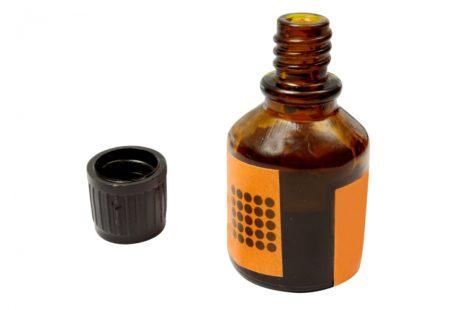
Algorithm for preparing the solution:
- we take a liter of liquid;
- We dilute one drop of iodine in it.
Place the seeds in the resulting mixture and let them soak for 7 hours. After this time, rinse the seeds in plain water and use as directed.
Watering seedlings
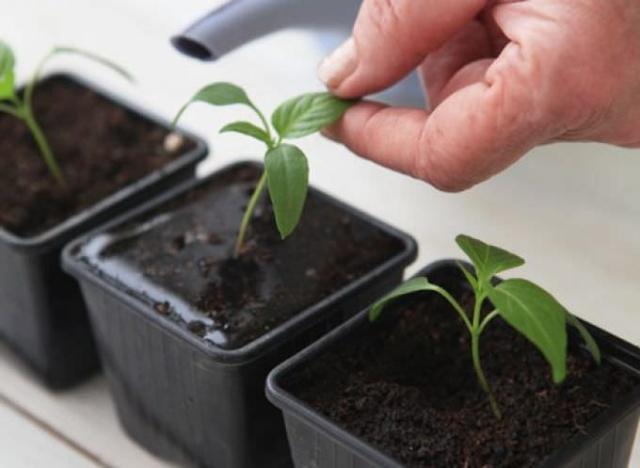
Pepper seedlings also respond positively to fertilizer, showing increased growth rates. To prepare the fertilizer, you will need:
- 1 drop of iodine;
- three liters of liquid.
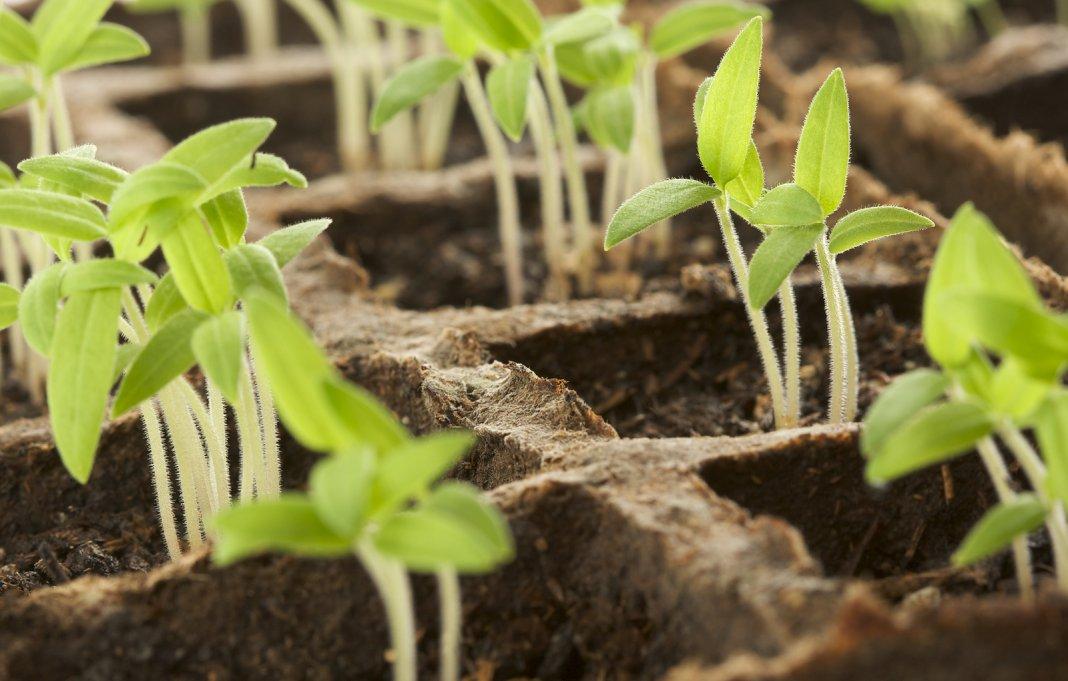
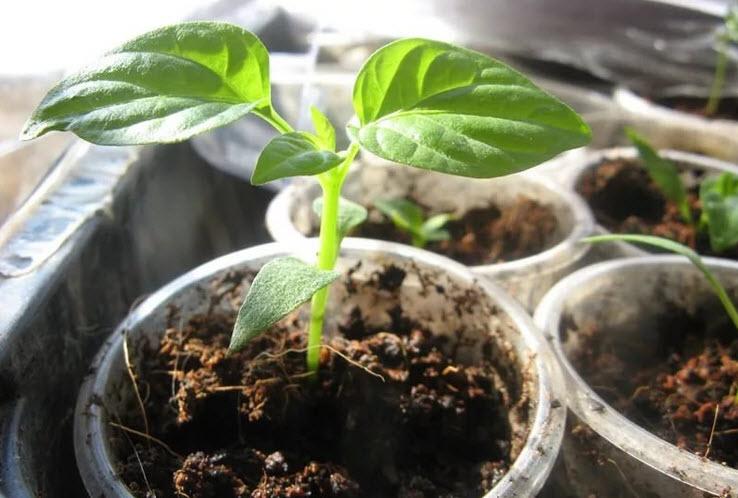
Root feeding is done after the seedlings have developed at least two full leaves. One application is sufficient.
Fertilizing an adult plant
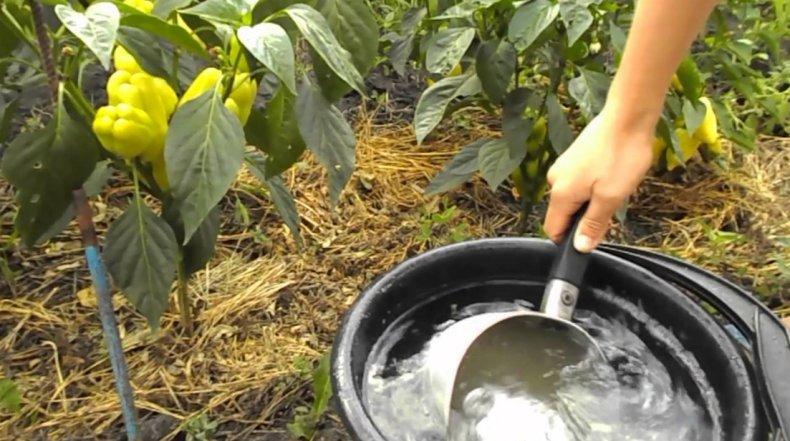
The feeding schedule for mature plants differs from that for seedlings. It is applied three times during the pepper's peak growth period. The solution is prepared by diluting three drops of the product in a bucket of warm water. Foliar application is recommended.
If the pepper is grown in a greenhouse, the number of treatments is reduced to two.
Pest and disease control
In case of late blight, a natural remedy made from:
- Eight liters of boiling water.
- Pour 2 liters of wood ash into the water.
- Let the mixture cool.
- Add 10 grams of boric acid.
- We dilute one bottle of iodine.
The resulting remedy is left to steep for twelve hours, after which a liter of the remedy is diluted in 10 liters of liquid. The affected parts of the plant are removed, and the remaining parts are treated with the resulting solution.
Please note! It is advisable to carry out the treatment after the ovaries have formed.
What is the recommended combination with this drug?
Iodine is beneficial on its own, but there are certain foods that, when combined with it, its beneficial properties are further enhanced and its positive effects are enhanced. These foods include:
- boric acid;
- dairy products;
- yeast;
- mustard.
Boric acid
When combined with boric acid, the disinfectant properties are enhanced and growth rates are stimulated. The solution consists of:
- 6 grams of boric acid;
- ten liters of liquid;
- 4 drops of iodine.
Apply to the top of the bush, no more than three times per season. The best time for application is:
- crop formation period;
- during flowering;
- at the initial stage of the growing season.
Dairy products
Combining with dairy products has a positive effect on fighting infections and parasites. Dairy products create a thin film on the plant that prevents bacteria from developing. When combined with iodine, infection simply doesn't stand a chance. The basic solution consists of:
- a liter of milk, preferably cow's milk;
- four liters of warm water;
- ten drops of iodine.
Yeast
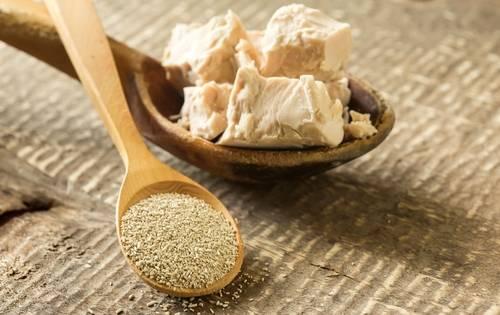
Yeast is of little use in fighting diseases, but it is an excellent growth promoter. Its use in combination with iodine helps:
- strengthen the plant roots;
- to ease the picking process, which is extremely painful for peppers;
- contribute to improving the condition of the soil cover.
Mustard
Mustard, combined with iodine, helps reduce the risk of disease in peppers grown outdoors. Here's the recipe for the solution:
- take 7 liters of water;
- We dissolve in them half a glass of powdered mustard and half a glass of salt with a high iodine content.
It is treated at the root using a watering can, once during the growing season.
Safety precautions
The substance is classified as a halogen, and working with it carries certain risks. These include:
- irritating effect when in contact with mucous membranes;
- When in contact with skin in high concentrations, it can cause dermatitis.
It is recommended to work with the substance outdoors, and if it comes into contact with mucous membranes, immediately wash the affected area with a 2% soda solution.
What can replace iodine?
The drug is replaced by the following substances:
- hydrogen peroxide;
- potassium permanganate.
Both have similar effects on pepper.
Hydrogen peroxide
A representative of elemental peroxides used for:
- feeding seedlings;
- soil cultivation;
- as a preventative measure.
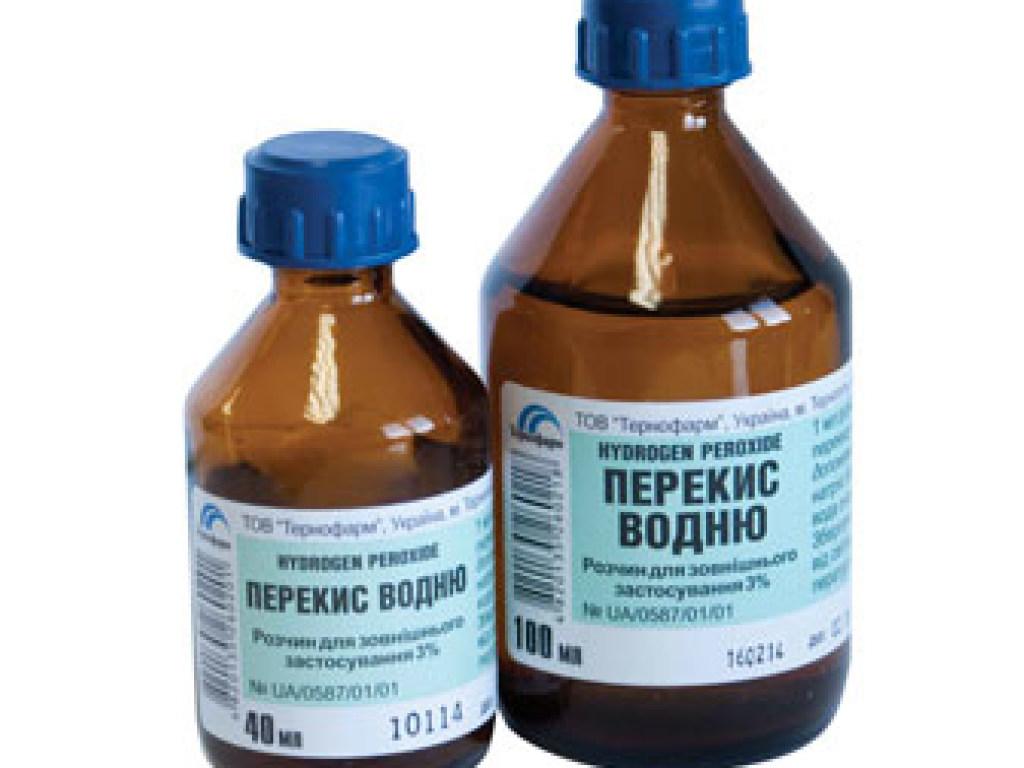 For seedlings, use a ratio of one liter of water to thirty grams of hydrogen peroxide. It's permissible to alternate between the hydrogen peroxide solution and regular water when watering.
Potassium permanganate
Manganese protects peppers from fungal diseases and aids in photosynthesis. Foliar feeding with a potassium permanganate solution is best. For this, use:
- a bucket of water;
- two grams of potassium permanganate.
Reviews
The best way to understand the benefits of iodine is to read reviews left by gardeners. Here are some examples.
Elena Vasilievna. 55 years old. Bryansk city.
"For a long time, I used various store-bought fertilizers for fertilizing my plants, until a friend told me about the beneficial properties of iodine. I decided to try switching to it, and the results were pleasantly surprising. The seedlings began producing more vigorous shoots, and the harvest, although not by much, was more abundant. Diseases hadn't bothered my beds much before, but now I've forgotten about them completely. I recommend giving it a try."
Klavdia Vasilievna. 63 years old. City of Smolensk.
"I've been feeding my peppers in my garden with iodine for a long time now. I don't remember who told me the recipe, but I still use it to this day. It's a good all-purpose remedy that helps strengthen the peppers and protect them from diseases."
Related posts:
 How to spray cucumbers with milk and iodine for fertilization
 How to properly feed cabbage with iodine and processing methods
 Why do you need to spray tomatoes with iodine? Recipes for feeding and treating them.
 Rules for treating and fertilizing cucumbers with brilliant green and iodine, and disease control
 The best eggplant varieties for growing in a polycarbonate greenhouse: planting and care
 How to properly treat grapes with soda and potassium permanganate
 Methods for planting and propagating cherries at home
 The health benefits and harms of cherries, rules of consumption, and their effects on the body