
- How effective is a mixture of milk and iodine for cucumbers?
- The beneficial properties of milk
- Beneficial properties of iodine
- In what cases is it best to use?
- Recipes for preparing the solution
- With milk, iodine and soap
- With sour milk
- For feeding seedlings
- From root rot
- Other recipes
- Rules for spraying cucumbers with milk and iodine
- Precautionary measures
- Feedback from our readers
Spraying cucumbers with a milk-iodine solution quickly restores damaged plants and increases yield. Milk contains beneficial substances that enhance flavor and allow vegetables to be stored for a long time. The milk mixture can be used for long periods without harming the crop. The fertilizer can be applied by spraying or directly to the soil to nourish the roots and prevent diseases such as rot.
How effective is a mixture of milk and iodine for cucumbers?
Using special mixtures with milk and iodine helps eliminate diseases and restore cucumber shoots. Fertilizing with the mixture must be done with care, otherwise it can cause harm to the crop.
The beneficial properties of milk
Using milk for cucumbers saturates the crop with the following beneficial components:
- potassium;
- calcium;
- magnesium;
- iron;
- sulfur;
- phosphorus.
Dairy products have a beneficial effect on plant development, improving fruit set. Milk is an organic product, improves root development, and promotes long-term vegetable storage.
Beneficial properties of iodine
The use of iodine allows you to eliminate a large number of diseases, as well as disinfect seeds before planting in open ground.
The use of the substance has the following beneficial properties:
- increases metabolic processes in plants;
- accelerates growth;
- restores damaged shoots;
- increases crop yield;
- increases fruiting;
- promotes the formation of new ovaries;
- improves the taste of cucumbers;
- saturates the root system with essential substances.
Treating plants with iodine helps quickly eliminate leaf damage and is used as a fertilizer to enhance flowering of the crop.
In what cases is it best to use?
Treating plants with iodine eliminates the need for expensive preparations, and the substance does not accumulate in vegetables and does not harm their taste.
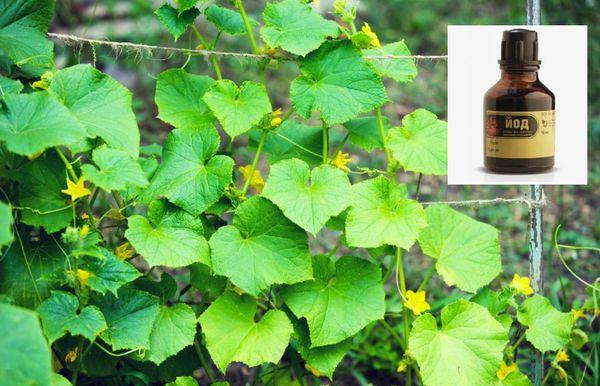
The substance is used in the following cases:
- when seedlings are infected with pathogenic fungi when a greenhouse is used to grow plants;
- lack of nitrogen in the soil;
- used for seed disinfection;
- to accelerate seed germination;
- the fertilizer saturates the vegetable with vitamin C;
- appearance of spots on leaves;
- wilting of shoots;
- rot on vegetables and plant roots.
Iodine solution is used to restore plants if a greenhouse was used to grow seedlings.
Recipes for preparing the solution
Before you start applying fertilizers, you need to know how to feed and spray cucumbers with milk and iodine.
Cucumbers need to be fertilized regularly; otherwise, they will develop poorly and be susceptible to disease. Iodine should not be used alone; it is recommended to apply it in solutions. For effective fertilizing, the proportions and application guidelines must be followed.
With milk, iodine and soap
Milk isn't used as a pure fertilizer for cucumbers. For greater effectiveness, additional ingredients such as iodine and soap should be added. This method allows the plants to be saturated with all the necessary nutrients; the milk coats each leaf, creating a film that protects the leaves and shoots from pests.
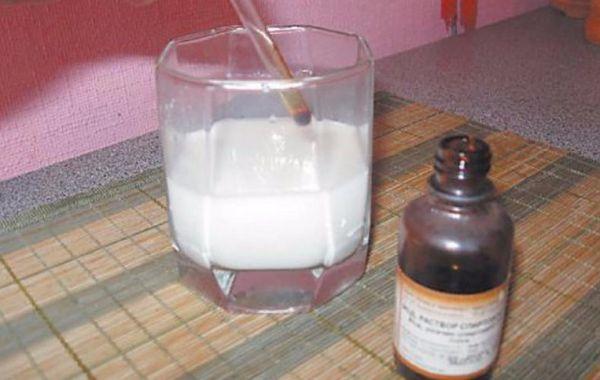
To use, you need to prepare the following ingredients:
- laundry soap;
- a liter of milk;
- iodine.
Warm the milk and pour it into a plastic bottle. Using a pipette, add 3 drops of iodine. Dissolve a few grams of shredded laundry soap and add it to the milk. Close the plastic bottle and stir thoroughly.
Spraying can be done a few days after the crop emerges. Water the plant only 24 hours after applying the fertilizer.
With sour milk
Sour milk is also widely used to fertilize all vegetable crops, including cucumbers. This type of fertilizer not only nourishes the roots with essential nutrients but also repels pests.
The recipe consists of the following ingredients:
- iodine;
- curdled milk.

To prepare, mix 5 liters of sour milk with 15 drops of iodine. Stir the mixture thoroughly and water the cucumbers in the root area. Apply the fertilizer once every few days. This fertilizer normalizes alkaline soil, retains moisture, and prevents rot.
Important: Using a mixture of yogurt and iodine is acceptable for mature plants that are in the fruiting stage.
For feeding seedlings
Using a seedling antiseptic accelerates plant growth and promotes the formation of new shoots. This spraying technique can be used before planting outdoors to activate the plants' natural defenses.
Take a look Also

To prepare the solution you need:
- water;
- iodine.
A few days before transplanting the seedlings into the soil, prepare a solution by mixing 1-2 drops of iodine with three liters of warm water. Using a spray bottle, spray the solution several times a day until the seedlings are planted.

From root rot
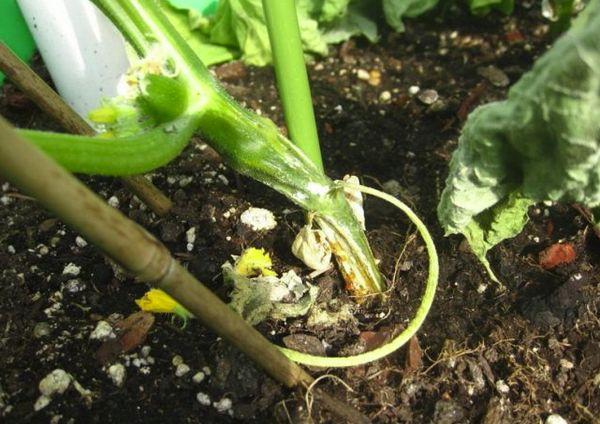
Root rot is caused by a fungal infection. It damages vital parts of the root, often resulting in plant death. This problem typically appears after planting outdoors. To combat the rot, an antiseptic is used.
The solution proportions are as follows: 1 drop of iodine per liter of water. The resulting mixture should be used to wipe the plant stems every three days.
Aphids are a common problem on damaged plants. To eliminate the pest and treat root rot, use a 1:3 solution of iodine and water. Water every 4 days until the problem disappears.
To prevent rot, you can alternate spraying with iodine and a potassium permanganate solution. Potassium permanganate has similar properties and prevents the growth of putrefactive bacteria. A weak solution of potassium permanganate is used for spraying. Spraying should be done every 4-5 days.
Other recipes
Among the current recipes using antiseptics, the following should be highlighted:
- Bread infusion. To prepare, pour a kilogram of breadcrumbs into a bucket of water and let sit for several hours. Squeeze out the liquid and add 10 drops of iodine. Spray the cucumbers every 10 days.
- If a plant is infested with aphids, use a solution of iodine and whey. To prepare, mix 2 drops of iodine in a liter of whey. Spray every 5 days. If necessary, solutions such as ammonia or brilliant green can be used instead of iodine.
In the first few days after treatment, plants may become covered with a white coating, but this does not harm the plant itself and is washed off after watering.
Rules for spraying cucumbers with milk and iodine
To ensure that spraying cucumbers with milk produces the desired results, the application instructions must be followed. The following guidelines are recommended:
- the leaves and shoots of the plant are processed on both sides;
- Before starting fertilization, the soil must be thoroughly watered;
- If there is dew or rain the next day after treatment, the fertilizer is applied again;
- processing is carried out after sunset or on a cloudy day;
- You can use a mixture of milk and iodine every week;
- The solution is not stored, and when re-processing, it is recommended to prepare a new milk composition.

Following simple rules can reduce the risk of plant damage.
Important: For spraying with milk, choose a medium-fat product. If using a high-fat product, it is recommended to dilute the milk with water.

Precautionary measures
There's no need to wear personal protective equipment when applying the fertilizer, as the mixture's components are non-toxic. The fertilizer can be applied in calm weather or using a sprayer.
To avoid harm to the plant, you should carefully follow the proportions and not store the prepared solution for a long time.
Feedback from our readers
Petr Ivanovich Nikolaev, 35, Oryol: "To increase yields at my dacha, I've been using a milk-iodine mixture for the second season now. I apply the solution every 3-4 days. The cucumbers grow quickly, and there are no diseases when transplanted from the greenhouse."
Irina Zulenko, 57, from Novy Svet, Moscow Region: "A neighbor recommended using milk. Previously, my cucumbers were frequently attacked by aphids. After using the solution, the problem disappeared, and the plants began to sprout new shoots and bloom vigorously."
Cucumbers are a vegetable grown in all gardens. When planting cucumbers frequently in the same spot, additional fertilizers are needed to stimulate growth. Using a milk fertilizer allows you to nourish the roots with nutrients while using a natural product that doesn't affect the taste of the vegetable.
Related posts:
 Rules for treating and fertilizing cucumbers with brilliant green and iodine, and disease control
 How to properly plant cucumbers in open ground with seeds, and at what depth
 How to care for cucumbers in open ground from planting to harvesting
 Description of unusual methods for planting and growing cucumbers
 How to properly feed cabbage with iodine and processing methods
 Why do you need to spray tomatoes with iodine? Recipes for feeding and treating them.
 Description of the best varieties of Chinese cucumbers, planting, growing and care
 How to properly plant cucumber seedlings in a greenhouse and care instructions